0%

The market for electric medical beds is evolving pretty quickly these days. I came across a recent report from Grand View Research that estimates this market will hit around $5 billion by 2026. That’s a massive jump, and a lot of it seems to be fueled by an aging population plus the surge in demand for home healthcare setups. These electric beds aren’t just about comfort—they also boost safety and make life easier for both patients and caregivers alike.

When you're looking at these beds, some features really stand out, like adjustable height, side rails, and built-in safety systems. Big names like Invacare and Drive Medical are constantly innovating to meet different needs, which is pretty cool. But with all these advancements, it’s important to think about how well these beds fit into existing healthcare systems. Not all beds actually meet the necessary safety standards, which kind of raises some flags about reliability.

As we dig into what makes a good electric medical bed, it’s worth reflecting on patient experiences and the standards the industry is setting. Are we really prioritizing patient care here? Paying attention to these details helps us make sure the benefits really outweigh any downsides, aiming for better outcomes all around.

2026 Top Electric Medical Bed Features Buyers Should Know?

Key Benefits of Electric Medical Beds for Patients and Caregivers

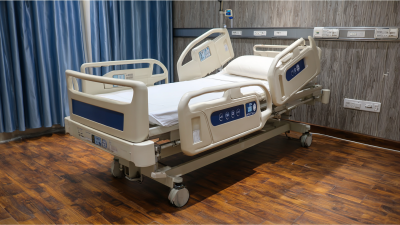
Electric medical beds are revolutionizing patient care. They offer numerous benefits for both patients and caregivers. According to a report by the Global Market Insights, the electric medical bed market is projected to reach $2.4 billion by 2026, driven by the increasing aging population and the rising prevalence of chronic diseases. These beds ensure comfort and safety, which are essential for healing.


Patients experience improved mobility. With adjustable height and positioning, they can easily shift from sitting to lying down. This feature minimizes the risk of bedsores and reduces strain on caregivers. A study found that using an electric bed can decrease falls by 34%. This statistic highlights the safety and peace of mind these beds provide.


For caregivers, electric medical beds mean less physical strain. The ability to adjust the bed’s height simplifies patient transfers. This can prevent injuries associated with lifting. Tips for caregivers include:

  • Always engage the locking mechanism to ensure stability;
  • Regularly check electrical components for safety;
  • Consider training on how to use these beds effectively.

Such training can help improve the overall experience for both patients and caregivers.

Essential Features to Look for in Electric Medical Beds

When searching for electric medical beds, certain features stand out. According to the International Journal of Biomedical Engineering, comfort and adjustability are essential. Beds that allow patients to elevate their heads and feet can significantly impact recovery. This adjustability helps prevent bedsores. Research indicates that patients with the option to modify their position experience less discomfort.

Safety features are non-negotiable. Many reports highlight the importance of guard rails and locking mechanisms to prevent falls. Some beds offer pressure sensors that alert caregivers when a patient attempts to move. The ability to control these functions remotely adds convenience for caregivers. However, not all beds provide robust safety measures. Manufacturers should prioritize these features to enhance reliability.

Finally, durability and ease of cleaning are crucial. A report from the American Healthcare Association emphasizes that medical beds are often subject to rigorous cleaning protocols. Beds should withstand frequent sanitation without damage. The materials used must be resistant to bacteria. Yet, many beds fall short in this aspect, leading to increased maintenance costs.

Types of Electric Medical Beds: A Comprehensive Overview

Electric medical beds come in various types, each designed to meet specific patient needs. Manual beds are basic and cost-effective. They require caregiver assistance for adjustments. These beds are suitable for home care settings where budget constraints matter.


Conversely, electric adjustable beds offer convenience and comfort. Caregivers can raise or lower the bed with ease. These beds often have features like auto-return to flat position and digital controls. Such enhancements support both patient recovery and caregiver efficiency. They might be ideal for hospitals or rehabilitation centers.


Another type is the bariatric bed. These beds support heavier patients, ensuring safety and durability. They have reinforced frames and wider surfaces. It’s essential to assess each type for suitability. Realizing the specific needs of the patient is crucial. Often, the right choice may not be evident at first glance.

Safety Features in Electric Medical Beds: What to Consider

When considering electric medical beds, safety features are paramount. A recent report from the National Institute of Health suggests that hospital beds are involved in up to 40% of patient falls. This statistic highlights the crucial need for beds designed with robust safety measures. Buyers should focus on features such as side rails, locking mechanisms, and adjustable heights to ensure patient security.

Side rails can significantly reduce the risk of falls, especially for elderly patients. Research shows that beds with proper side rail design can decrease fall rates by 30%. Additionally, beds that offer a low height option minimize the impact of accidental falls, providing an extra layer of protection. Another critical element is the locking feature on wheels, which can prevent unintended movement, enhancing stability during medical procedures.

Lighting can also be a vital safety feature. Beds with integrated lighting help patients find their way safely during the night, reducing potential hazards. However, it’s essential to choose beds that allow easy access and do not restrict caregivers during emergencies. Evaluating these features can be challenging. Consideration of user needs and potential pitfalls is crucial. Striking a balance between comfort and safety remains the key challenge for buyers.

2026 Top Electric Medical Bed Features

Customization Options for Electric Medical Beds: Enhancements for Comfort

When considering electric medical beds, customization options can significantly enhance comfort. Patients have unique needs. Adjustable features such as head and foot elevation cater to these preferences. This flexibility can relieve pressure points, which is crucial for long-term comfort.


Material selection is another important aspect. Breathable fabrics can improve airflow, preventing discomfort associated with heat. Memory foam or gel mattresses can offer additional support, adapting to body contours. These choices promote better sleep and overall satisfaction. However, some may find it challenging to pick the right combination.


Customization goes beyond just physical adjustments. Electronic controls can be tailored for ease of use. For those with limited mobility, finding a user-friendly interface is vital. Some solutions are not intuitive, leading to frustration. Exploring various options is essential. The overall goal should be a bed that not only meets medical needs but also enhances the User Experience.

Technological Innovations in Electric Medical Beds for 2026

2026 Top Electric Medical Bed Features Buyers Should Know?

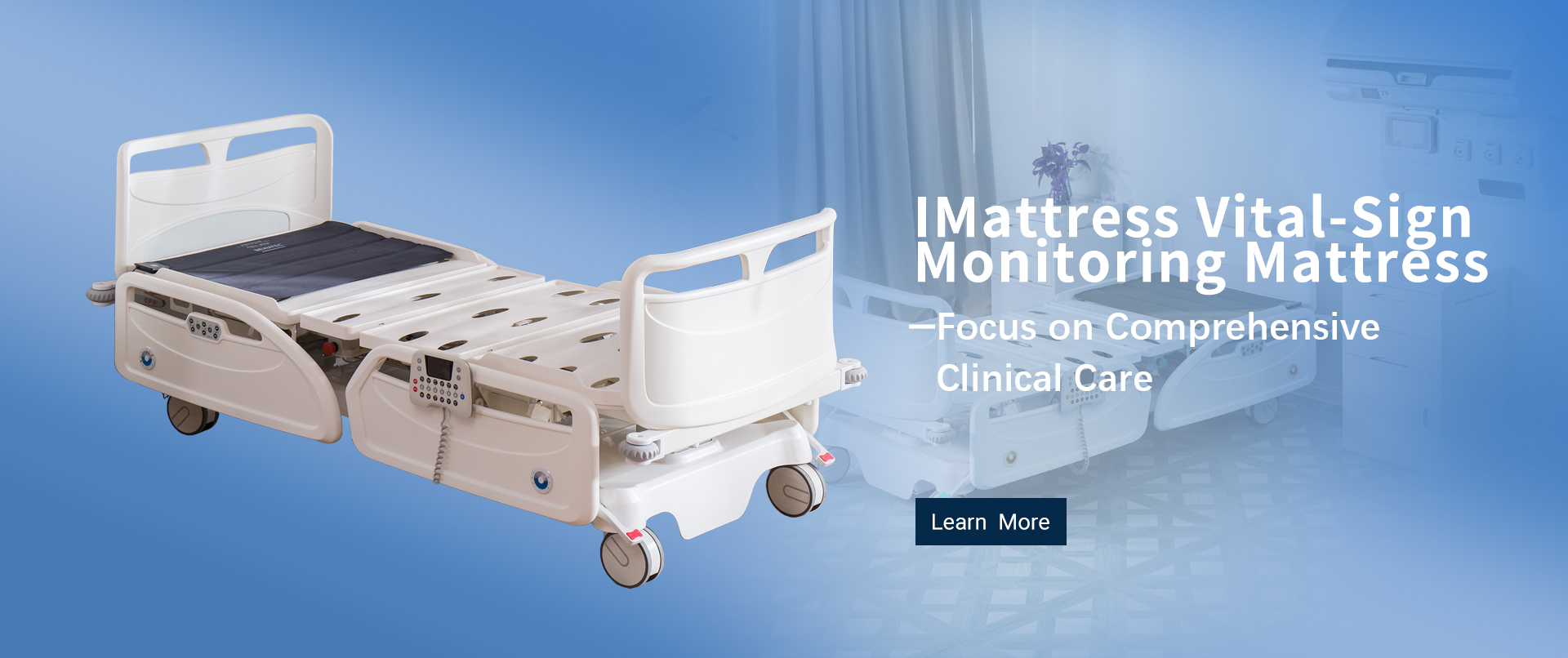
As we approach 2026, the landscape of electric medical beds is poised for remarkable advances. Technological innovations drive improvements in patient comfort and caregiver efficiency. One notable trend is the integration of smart technology. Sensors can monitor a patient's vital signs directly from the bed. This real-time data collection aids in timely interventions, enhancing overall patient care.

Another exciting feature is the customization of settings. New electric beds allow patients or caregivers to adjust positions with ease. The incorporation of memory foam technology offers support when needed. Moreover, some designs focus on infection control. Materials are now more resistant to bacteria, ensuring a safer environment. However, these advancements also raise questions about durability and maintenance. Will the complexity of technology lead to more frequent repairs?

Wireless charging capabilities are becoming more common, allowing devices to recharge conveniently. Yet, this can make the beds less reliable in case of power outages. The balance between innovation and practicality needs careful consideration. These features demonstrate the industry's move towards more intuitive and effective solutions. However, continuous reflection on user experience is crucial for ongoing improvement.

Cost Considerations When Purchasing Electric Medical Beds

When considering the purchase of electric medical beds, cost is a significant factor. The average price for a good-quality electric medical bed ranges from $1,500 to $5,000. This wide margin often reflects the features and specifications that different models offer. According to a recent industry report by MarketsandMarkets, the global market for electric medical beds is expected to surpass $4 billion by 2026, driven by advances in technology and increasing demand for home care solutions.

Buyers should also weigh long-term costs, such as maintenance and potential repair needs. Proper maintenance can increase the lifespan of these beds, which typically lasts around 10 to 15 years. However, repairs can become expensive, especially if parts are not easily accessible. Educating oneself about warranties and service options during the purchasing process is crucial. Many users report issues like motor malfunctions and electrical problems, highlighting the importance of understanding these potential pitfalls.

Additionally, insurance coverage plays a pivotal role in overall costs. Many insurance plans partially reimburse for electric medical beds, but policies vary significantly. Research indicates that approximately 60% of patients may not understand their coverage adequately, leading to unexpected out-of-pocket expenses. Carefully assessing individual needs and potential financial implications can lead to a more informed decision when purchasing electric medical beds.

2026 Top Electric Medical Bed Features Buyers Should Know - Cost Considerations When Purchasing Electric Medical Beds

Feature Description Average Cost (USD)
Adjustable Height Allows caregivers to adjust the height of the bed for easier access $800 - $1,500
Trendelenburg Position Enables the bed to tilt to aid circulation $1,200 - $2,000
Side Rails Provides safety and prevents falling out of bed $150 - $400
Weight Capacity Designed to support patients up to specified weight limits Varies by model, generally $1,000 - $3,000
Mattress Type Compatibility with various mattress types for comfort $200 - $800
Remote Control Convenient operation from a distance $100 - $300
Mobility Wheels for easy relocation $50 - $200
Additional Accessories Includes IV poles, traction bars, etc. $100 - $500

Enhancing Patient Comfort and Care: The A7 Electric Medical Bed and Its Key Features

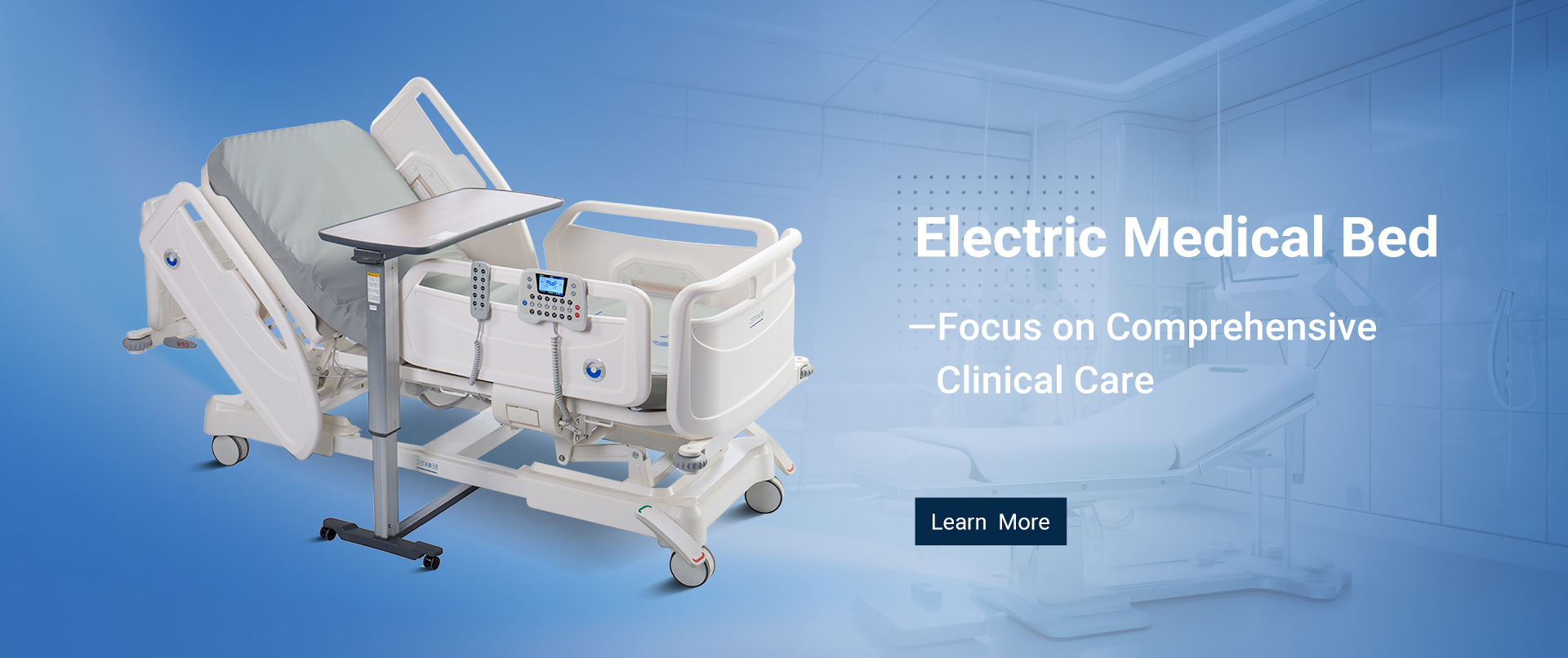
The A7 Electric Medical Bed stands out for its innovative design, which is pivotal in enhancing patient comfort and care throughout the continuum of treatment, from emergency response to rehabilitation. Modern medical beds now focus not only on functionality but also on the psychological and physical well-being of patients. According to a report by the Global Market Insights, the demand for advanced hospital beds is projected to reach USD 5.5 billion by 2026, underscoring the critical role these beds play in optimizing patient care environments.

One of the key features of the A7 Electric Medical Bed is its intuitive adjustment mechanisms, which allow healthcare providers to easily reposition patients. This not only enhances comfort but also aids in preventing pressure ulcers—a common concern in immobile patients. Research highlights that properly designed beds can reduce the incidence of such complications by up to 30%. Additionally, the integration of smart technology in bed design enables continuous monitoring of patient vitals, thus facilitating timely medical interventions when necessary.

The overall design further encourages patient autonomy, as many beds, like the A7, offer user-friendly controls that allow for self-adjustment by patients when appropriate. Such features can positively impact patient satisfaction scores, which are critical metrics in healthcare quality evaluations. A study in the Journal of Patient Experience found that higher levels of comfort and control during hospitalization directly correlate with improved patient-reported outcomes.

FAQS

: What are the primary benefits of electric medical beds?

: Electric medical beds improve patient comfort and safety, aiding healing and mobility.

How do electric beds enhance patient mobility?

They offer adjustable height and positioning, allowing easy transitions from sitting to lying down.

What impact do electric medical beds have on caregiver safety?

These beds reduce physical strain, simplifying patient transfers and lowering injury risks.

What vital safety features should be considered in electric medical beds?

Focus on side rails, locking mechanisms, and adjustable heights to enhance patient security.

How do side rails contribute to patient safety?

Properly designed side rails can reduce fall rates by approximately 30%, especially for elderly patients.

Why is lighting an important feature in electric medical beds?

Integrated lighting helps patients navigate safely at night, minimizing hazards and fall risks.

What customization options can enhance the comfort of electric medical beds?

Adjustable head and foot elevation, breathable fabrics, and memory foam mattresses improve patient satisfaction.

Why is user interface important for electric medical beds?

A user-friendly electronic control system is crucial, especially for patients with limited mobility.

What challenges might arise when selecting an electric medical bed?

Choosing the right combination of features and materials can be complex and frustrating for some.

How can the balance between comfort and safety be achieved?

Buyers must consider user needs while evaluating features to ensure a suitable electric medical bed.

Conclusion

The article "2026 Top Electric Medical Bed Features Buyers Should Know" explores the essential aspects of electric medical beds that are beneficial for both patients and caregivers. It highlights key advantages, such as improved comfort and ease of use, which enhance the overall care experience. The content delves into crucial features to consider when choosing an electric medical bed, including various types available and vital safety features that ensure patient security.

Furthermore, the article discusses customization options that allow users to tailor the bed for maximum comfort. It also analyzes technological innovations projected for 2026, providing insights into advancements that could improve the functionality of electric medical beds. Lastly, cost considerations are addressed to help potential buyers make informed purchasing decisions, ensuring they choose the best electric medical bed that meets their needs without exceeding their budget.

Oliver

Oliver

Oliver is a dedicated marketing professional at Bewatec (Zhejiang) Medical Device Co., Ltd., where he plays a crucial role in promoting the company’s innovative solutions in smart medical care. With a deep understanding of the healthcare landscape, he focuses on the digital transformation of the......
Previous How to Choose the Best Intelligent Turning Air Mattress?