Taking good care of our elderly folks is super important, especially when it comes to making sure they're comfortable and able to move around safely. As people get older, their strength and mobility can take a hit, which makes everyday things a lot trickier. That’s where the Multifunctional Transfer Bed really comes in—it's a game-changer! These beds are designed not just to help transfer seniors smoothly between beds, wheelchairs, or chairs, but also to keep them safe and comfy during those tricky moves.
Using a transfer bed like this really helps caregivers avoid injuries during those lifts and shifts. It makes the whole process a lot easier and safer for everyone involved, and it takes some of that physical strain off the caregiver’s back. Plus, these beds come with all kinds of features—like adjustable heights and special support systems—that cater to different needs. Basically, this isn’t just some piece of furniture; it’s a handy tool that promotes independence, dignity, and just an overall better quality of life for our elders.

Understanding Multifunctional Transfer Beds and Their Importance
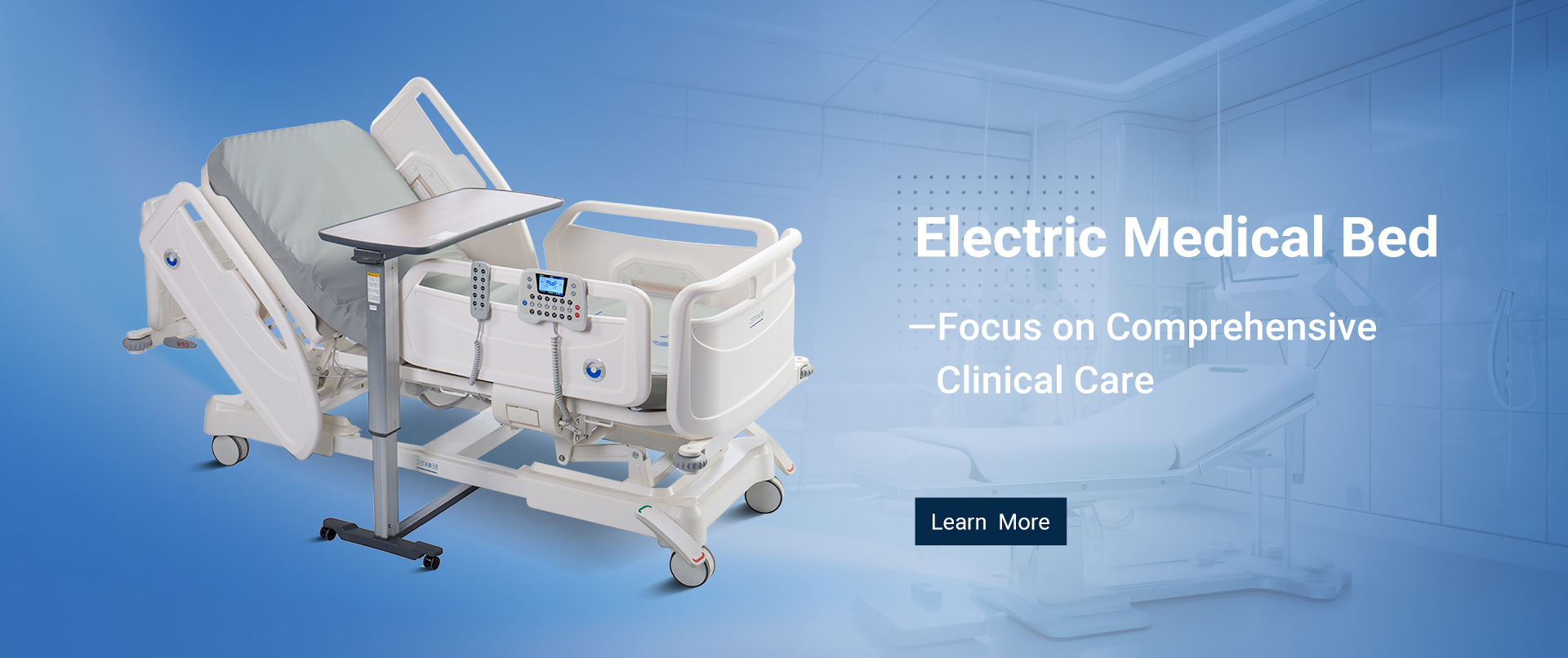
Multifunctional transfer beds are crucial innovations in elderly care, designed to enhance the safety and comfort of individuals with limited mobility. These beds are equipped to perform multiple functions, aiding in the transfer of patients from one surface to another, such as from bed to wheelchair or chair. This adaptability not only assists caregivers in providing safe and efficient transfers but also empowers seniors to maintain their dignity and independence. By minimizing risks associated with manual transfers, these beds significantly reduce the likelihood of falls and injuries, which are prevalent among the elderly population.
Understanding the importance of multifunctional transfer beds goes beyond their basic utility. They are engineered with features such as adjustable height, tilt capabilities, and supportive side rails, making them customizable to individual needs. This level of personalization is particularly beneficial in a care setting, as it allows for tailored solutions that cater to varying degrees of mobility and health conditions. Additionally, these beds reduce physical strain on caregivers, enabling them to provide care with less risk of injury. The integration of technology in these transfer beds also enhances patient monitoring, making it a vital tool for improving overall caregiving practices in elderly care.
Enhanced Mobility and Independence for the Elderly
The use of multifunctional transfer beds has gained prominence in elderly care, particularly in enhancing mobility and independence among seniors. According to a report by the World Health Organization, approximately 15% of the world's population is aged 60 years and older, and as they age, mobility challenges become a significant concern. Multifunctional transfer beds are designed to accommodate these needs by providing adjustable features that facilitate safer and more comfortable movement for elderly patients. This adaptability allows caregivers to assist with transfers while reducing the risk of injury to both parties.
Moreover, studies indicate that maintaining mobility is crucial for the elderly, as it positively impacts their overall well-being. Research published in "Gerontology" highlights that when elderly individuals retain their independence, they experience lower rates of depression and improved cognitive function. By utilizing multifunctional transfer beds, caregivers can encourage autonomous movements, enabling seniors to engage in daily activities with greater ease. These beds not only support physical mobility but also promote a sense of control and dignity, fostering an environment where elderly individuals can thrive. The integration of technology, such as adjustable heights and ergonomic supports, further amplifies these benefits, allowing seniors to navigate their living spaces with renewed confidence.
Top 10 Benefits of Using a Multifunctional Transfer Bed for Elderly Care
| Benefit |
Description |
Impact on Elderly |
| Enhanced Mobility |
Allows for easier movement between rooms and aids in transitioning from bed to chair. |
Increased freedom to move around the house. |
| Improved Comfort |
Designed to provide optimal support for the body. |
Reduces discomfort and enhances sleep quality. |
| Safety Features |
Includes guard rails and adjustable height settings to prevent falls. |
Minimizes risk of injuries from accidents. |
| Independence |
Enables elderly individuals to perform daily tasks with less assistance. |
Boosts self-esteem and quality of life. |
| Ease of Care |
Simplifies caregiver tasks by allowing better access to patients. |
Enhances efficiency and reduces caregiver fatigue. |
| Customization |
Adaptable settings to meet specific medical needs. |
Supports various health conditions effectively. |
| Durability |
Made with strong materials that last longer. |
Ensures reliability and long-term use. |
| Therapeutic Support |
Options for heated mattresses and pressure relief systems. |
Promotes healing and reduces pain. |
| Efficient Space Utilization |
Designs that make the best use of limited space in home care settings. |
Maximizes functionality in smaller areas. |
| Aesthetic Appeal |
Available in various designs and colors to fit home decor. |
Creates a pleasant environment for the elderly. |
Improved Safety Features to Reduce Fall Risks
The elderly population is increasingly at risk of falls, with data from the
Centers for Disease Control and Prevention (CDC)
indicating that one in four older adults experiences a fall each year. This alarming statistic underscores the necessity for
innovative solutions in elderly care. Multifunctional transfer beds have emerged as a significant advancement in ensuring
improved safety for seniors. These beds are designed not only to facilitate easier patient
transfers but also to come equipped with various safety features that actively reduce the risk of falls.
A key feature of multifunctional transfer beds is their
adjustable height capability,
which allows caregivers to align the bed with the level of a wheelchair or other mobility device. This alignment minimizes
the physical strain on both the caregiver and the individual being assisted, reducing the chance of slip or trip hazards
during transfers. According to a study published in the
Journal of Gerontology, implementing adjustable height beds in care facilities has led to
a 30% reduction in fall incidents, highlighting their effectiveness in promoting a
safer environment for the elderly.
Moreover, these beds often include integrated
side rails that provide additional support and security for patients,
preventing accidental rollouts during the night. Research from the
National Institute on Aging shows that users of such beds reported significantly fewer instances of feeling unstable
or unprotected while sleeping. Coupled with features like
automatic alarm systems for alerting caregivers in the event of movement,
multifunctional transfer beds represent a holistic approach to enhancing safety and independence among the elderly population.
Support for Caregivers in Daily Assistance Tasks
The utilization of multifunctional transfer beds in elderly care is increasingly recognized for its significant support to caregivers. According to research published by the American Journal of Nursing, approximately 70% of caregivers experience physical strain due to lifting and transferring elderly individuals. Multifunctional transfer beds alleviate this burden by providing efficient and safe methods for transferring patients, reducing the risk of injury for caregivers. These beds are designed to adapt to various positions and heights, allowing caregivers to assist elderly individuals without the need for excessive lifting, which not only enhances safety but also improves the overall care experience.
Moreover, incorporating multifunctional transfer beds has been shown to streamline the daily assistance tasks for caregivers, contributing to their overall well-being. A survey from the Caregiver Action Network indicated that caregivers who employed assistive devices reported a 30% decrease in daily physical strain. The adjustable features of these beds enable caregivers to perform tasks such as changing linens or providing hygiene care with minimal exertion. This adaptability not only fosters a more compassionate and patient-centered approach to care but also allows caregivers to allocate their energy towards fostering emotional connections with the elderly, ultimately enhancing the quality of life for both parties involved.
Top 10 Benefits of Using a Multifunctional Transfer Bed for Elderly Care
Promoting Comfort and Well-Being During Transfers
The use of a multifunctional transfer bed can significantly enhance the comfort and well-being of elderly individuals during transfers. One of the primary advantages of such beds is their ability to adapt to a variety of positions. This versatility allows caregivers to adjust the bed to the most suitable height and angle, minimizing strain on both the patient and the caregiver. Proper positioning reduces the risk of injury and discomfort, contributing to a smoother transfer experience. By promoting ease of movement, elderly users feel more secure and dignified throughout the process, which can alleviate anxiety associated with transfers.
Additionally, multifunctional transfer beds often include features such as integrated safety rails and padding, further ensuring a safe and comfortable experience. Safety rails provide a sense of security, enabling elderly individuals to participate actively in their transfers, while padding minimizes pressure points, enhancing overall comfort. These beds also facilitate better posture during transfers, which is essential for preventing falls and other injuries. The psychological benefits cannot be overlooked, as a comfortable transfer environment fosters a sense of independence and dignity in elderly care, ultimately improving their quality of life.
Adjustability and Customization for Individual Needs
Adjustability and customization are key features of multifunctional transfer beds, especially designed to cater to the unique needs of elderly individuals. These beds can be easily adjusted to various heights and angles, allowing caregivers to provide optimal comfort and support. This adaptability not only enhances the sleeping experience but also facilitates easier transfers in and out of bed, reducing the risk of falls and injuries. For seniors with specific health conditions, such as arthritis or respiratory issues, being able to tailor the bed’s position can alleviate discomfort and promote better overall well-being.
When selecting a multifunctional transfer bed, it's essential to consider the individual needs of the elderly person. Here are a few tips: First, involve the senior in the decision-making process to understand their preferences for mattress firmness and adjustment ranges. Second, choose beds with easy-to-use controls to ensure that both the user and caregiver can operate them without difficulty. Lastly, look for models that allow for additional accessories, such as side rails or cushioning, to enhance safety and comfort according to the person’s changing needs.
Customizing a transfer bed can also include selecting the right type of mattress that provides adequate support while catering to specific health concerns. Memory foam or gel mattresses can be excellent choices for those prone to pressure ulcers, while adjustable settings can help individuals who experience breathing difficulties during the night. By prioritizing adjustability and customization, elder care becomes significantly more manageable and effective, contributing to a higher quality of life for seniors.
Cost-Effectiveness in Long-Term Elderly Care Solutions
A multifunctional transfer bed is not only designed for comfort and safety in elderly care but also serves as a cost-effective solution in the long term. These beds typically offer various features such as adjustable height, tilt functions, and side rails, allowing caregivers to provide better support and safer transfers for patients. This multifunctionality reduces the need for additional equipment, thereby minimizing overall expenses associated with elderly care.
Investing in a multifunctional transfer bed can significantly lower costs related to hospital stays or frequent medical interventions due to falls or injuries. With enhanced safety features, these beds can prevent accidents, leading to fewer emergency visits and a reduced need for long-term care in more intensive facilities. Additionally, staff training and management costs can decrease since caregivers can utilize one type of equipment for multiple tasks, streamlining operations and maximizing efficiency in caregiving environments.
Enhancing Patient Care: The Impact of M2 Hydraulic Transfer Bed on Efficiency and Safety in Healthcare Settings
In today’s healthcare environment, enhancing patient care through improved efficiency and safety is of paramount importance. The M2 Hydraulic Transfer Bed exemplifies this commitment, offering a solution that not only streamlines the transfer process but significantly reduces the risk of injury to both patients and healthcare providers. This specialized equipment is engineered to facilitate smooth and secure patient movement, particularly in high-pressure situations. Its design enables rapid deployment, ensuring that patients receive the timely care they need without unnecessary delays.
Equipped with advanced features, the M2 Hydraulic Transfer Bed is a vital tool for any healthcare setting. It allows for quick maneuverability even under critical conditions, which is essential during emergencies or when transferring patients with limited mobility. The emphasis on patient safety is evident, as the bed mitigates risks associated with traditional transfer methods. Healthcare professionals can operate the bed with confidence, knowing it is designed to handle a variety of transport scenarios while ensuring that each patient’s comfort and integrity are maintained throughout the process.
This multi-functional transport solution not only enhances operational efficiency but also reflects a broader commitment to elevating the standards of patient care. By investing in such innovative equipment, healthcare facilities can improve workflow while prioritizing the well-being of those they serve, ultimately fostering a safer and more effective healthcare environment.
FAQS
: Multifunctional transfer beds are specialized beds designed to assist with the safe transfer of individuals with limited mobility, enabling caregivers to transfer patients efficiently from one surface to another.
They enhance safety and comfort during transfers, reduce the risk of falls and injuries, and empower seniors to maintain their dignity and independence.
These beds reduce physical strain on caregivers by providing adjustable height and tilt capabilities, allowing for easier and safer patient transfers without excessive lifting.
They often include adjustable height, tilt capabilities, supportive side rails, safety rails, and padding to enhance comfort and security during transfers.
They facilitate better positioning and posture during transfers, minimize discomfort, and promote a sense of independence, ultimately enhancing the overall quality of life for elderly users.
By creating a comfortable and secure transfer environment, they help alleviate anxiety associated with transfers and foster a sense of dignity and independence among elderly individuals.
Yes, they can be tailored to meet varying degrees of mobility and health conditions, allowing for personalized care in a variety of settings.
Utilizing these beds can lead to a significant decrease in daily physical strain, allowing caregivers to focus their energy on emotional support and care rather than physical lifting tasks.
Yes, their adjustable features make it easier for caregivers to perform tasks such as changing linens or providing hygiene care with minimal exertion.
Integrated safety rails and padding enhance security, comfort, and overall transfer experiences by reducing pressure points and allowing for active participation by elderly individuals.
Conclusion
The article "Top 10 Benefits of Using a Multifunctional Transfer Bed for Elderly Care" highlights the essential role these beds play in enhancing elderly care. Multifunctional Transfer Beds are designed to improve mobility and independence for seniors, allowing them to engage more freely in daily activities. They incorporate safety features that significantly reduce the risk of falls, providing peace of mind for both the elderly and their caregivers.
Additionally, these beds support caregivers by simplifying daily assistance tasks, which can often be physically demanding. The comfort they offer during transfers promotes overall well-being for the elderly. With adjustable components, Multifunctional Transfer Beds can be customized to meet individual needs, making them a versatile option. Furthermore, they represent a cost-effective solution for long-term elderly care, ensuring both quality and affordability in caregiving practices.