

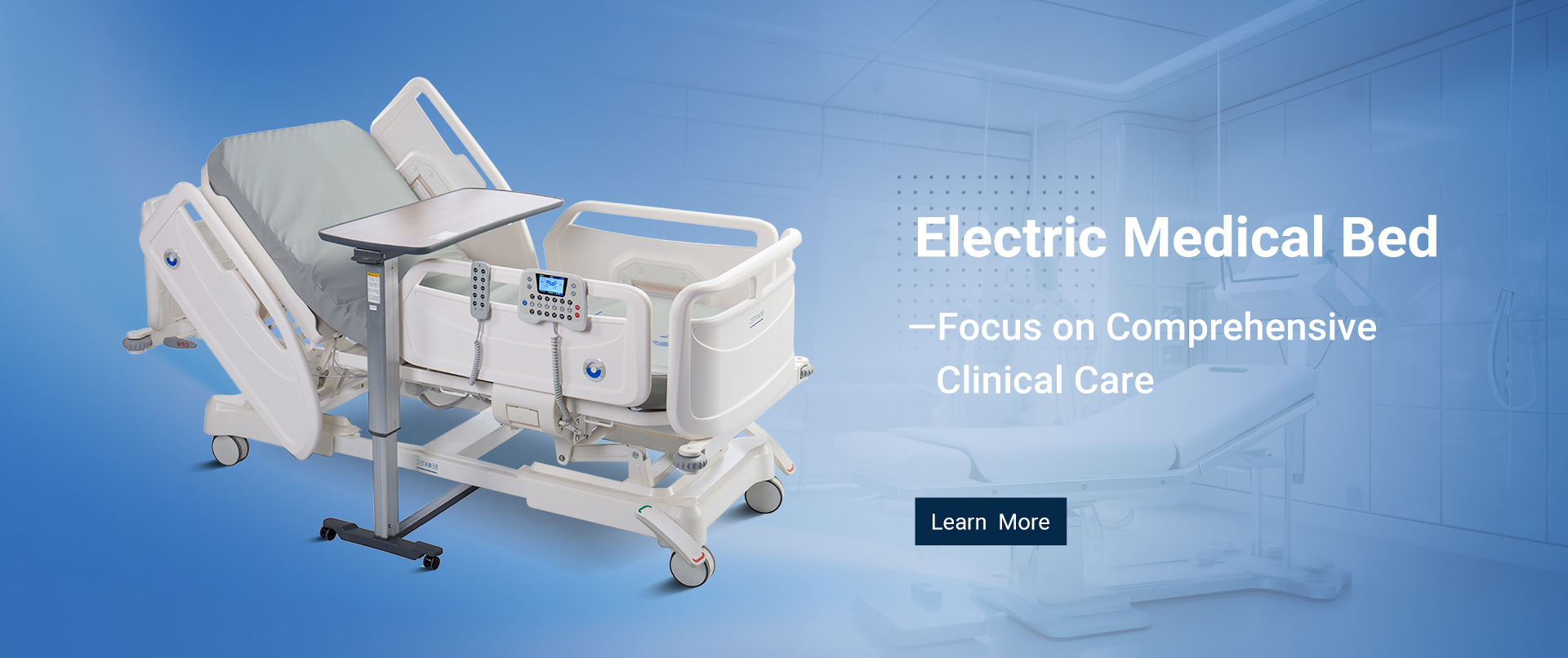

Lately, there's been a real boost in demand for these so-called 'Multifunctional Transfer Beds.' It makes sense—more and more, healthcare providers are looking for solutions that are flexible and can do a lot. I mean, according to a report from the Global Healthcare Equipment Market, this type of bed is expected to grow by over 15% every year until 2025. That’s pretty significant and shows how much the focus is shifting towards caring for patients in a more comfortable, patient-centered way. Hospitals and home care setups are really paying attention to how these beds can boost safety and comfort.
Dr. Emily Carter, who’s recognized as a top expert in healthcare furniture, really hits the nail on the head when she says, ‘The Multifunctional Transfer Bed isn’t just some piece of gear—it’s a whole new approach to caring for patients. It helps folks move around more easily and gain some independence, all while lowering the chances of injuries for both patients and caregivers.’ That kind of says it all—these beds are actually changing the game, especially for people who have limited mobility.
What’s cool is that these beds come with features like adjustable heights, built-in transfer aids, and ergonomic designs. All of this makes moving folks around way easier and also helps hospitals and caregivers work more efficiently. Plus, with modern tech like sensors and smart features, the 'Multifunctional Transfer Bed' is proving to be a game-changer in healthcare. It’s all about better outcomes, happier patients, and smoother processes overall.

Overview of Multifunctional Transfer Beds
Multifunctional transfer beds have revolutionized the way caregivers assist patients with mobility challenges. These beds are designed to facilitate smooth transfers between different surfaces, enhancing both patient comfort and caregiver efficiency. According to a report by the World Health Organization, nearly 1 billion people globally experience some form of disability, highlighting the importance of innovative solutions like these beds in medical and home-care settings. The key feature of multifunctional transfer beds is their adjustable height and multiple positioning options, which reduce the risk of injury for both patients and caregivers during transfers.
One of the standout benefits is the capability to lower the bed close to the ground, which minimizes the distance a patient must be lifted. This feature can significantly decrease the physical strain on caregivers, potentially reducing work-related injuries. Additionally, many of these beds are equipped with side rails and soft, padded materials that enhance safety and comfort, a vital consideration for individuals with limited mobility. A study published in the "Journal of Rehabilitation Medicine" emphasized that ergonomic assistive devices like multifunctional transfer beds can improve quality of care and patient outcomes.
Tips: When selecting a multifunctional transfer bed, always assess the specific needs of the patient, including weight capacity and ease of transfer. It's also advisable to review user feedback and consult with healthcare professionals who can provide insights based on their experience with different models. By taking the time to choose the right bed, both patients and caregivers can experience improved mobility and comfort.


Leveraging the M2 Hydraulic Transfer Bed (Machaon Series) to Enhance Patient Mobility: Insights from Recent Healthcare Equipment Market Trends
The healthcare industry continuously seeks innovative solutions to enhance patient mobility, particularly in critical care settings. The M2 Hydraulic Transfer Bed, part of the Machaon Series, embodies this goal by facilitating safer and more efficient patient transportation. Recent market trends indicate a growing emphasis on equipment that not only ensures patient safety but also responds effectively to various operational conditions. According to a report by Grand View Research, the global healthcare equipment market is expected to reach USD 1,000 billion by 2028, highlighting the increasing demand for advanced mobility solutions.
The multi-functional transportation trolley is a prime example of equipment designed for rapid mobility without compromising safety. Engineered to operate under critical conditions, this trolley significantly alleviates the burden on healthcare staff while enhancing the patient experience. It caters to the need for swift transfers during emergencies, which is essential in acute care scenarios where every second counts. A study published in the Journal of Patient Safety indicated that improving patient mobility not only fosters quicker recoveries but also reduces the incidence of hospital-acquired conditions, further underscoring the importance of investing in innovative transportation solutions.
As healthcare facilities aim to adopt advanced technologies, the focus shifts towards systems that can seamlessly integrate into existing workflows. The M2 Hydraulic Transfer Bed’s adaptability reflects an industry trend where equipment is expected to meet diverse needs—from routine patient transfers to handling emergencies—while prioritizing both efficiency and safety. The strategic implementation of such solutions can significantly enhance patient mobility, ultimately leading to better outcomes in healthcare settings.

FAQS
: Multifunctional transfer beds enhance mobility and comfort for individuals with limited movement, facilitating easier transfers for patients and caregivers while reducing physical strain.
These beds are designed with ergonomic features that alleviate strain on caregivers, such as adjustable height settings and movable sections, which contribute to safer and more effective patient transfers.
They often include specialized functions like pressure relief and tilt capabilities, which can reduce the risk of bedsores and enhance circulation for individuals spending long periods in bed.
It's important to evaluate weight capacity and size options to meet specific needs, as well as look for beds with easy-to-use controls for simpler adjustments.
Ergonomic designs can significantly reduce caregiver injuries; studies indicate a potential 30% reduction in injuries linked to better transfer bed designs.
Safety features such as adjustable height and side rails help mitigate risks during transfers, which is crucial to prevent falls and ensure the safety of both patients and caregivers.
Anti-slip surfaces and integrated mobility aids are common in these beds, which help reduce the incidence of patient falls and enhance overall stability during transfers.
By prioritizing safety and comfort, these beds contribute to greater independence and confidence for patients and caregivers, leading to improved health outcomes.
Some models feature integrated transfer systems with slings and mechanical lifts, which enhance usability and reduce injury risk during transfers.
Regularly assessing and adapting the bed's features is essential to accommodate changing health conditions, ensuring ongoing comfort and safety for the patient.
Conclusion
Multifunctional Transfer Beds are innovative solutions designed to enhance the comfort and safety of patients during transfers. These beds offer a variety of features, including adjustable height, side rails, and transfer assistance tools, which collectively promote ease of use for both caregivers and patients. Understanding the key benefits of these beds, such as improved mobility, reduced risk of injury, and increased independence for users, is essential for caregivers seeking optimal solutions for patient care.
When considering the design of Multifunctional Transfer Beds, it's important to evaluate their safety features, which ensure stability and support during transfers. Proper operation, as outlined in user guides, and regular maintenance are crucial for maximizing the longevity of these beds. Overall, Multifunctional Transfer Beds provide significant advantages in caregiving, making them a valuable resource in healthcare settings.
Related Posts
-

Ultimate Guide to M2 Hydraulic Transfer Bed Tips for Optimal Use and Maintenance
-

How to Choose the Best M2 Hydraulic Transfer Bed for Your Needs
-

Top 10 Benefits of Using a Multifunctional Transfer Bed for Elderly Care
-

Why You Should Choose a Manual Transfer Bed for Enhanced Patient Mobility
-
Exploring Innovative Alternatives to Electric Medical Beds for Enhanced Patient Care
-

Transforming Sleep Health at the 138th Canton Fair in 2025 with Cutting-Edge Medical Sleep Technology


