When it comes to healthcare, choosing the right hospital bed really isn’t something to take lightly. As Dr. James Thompson, a well-known expert in the field, puts it, “The quality of hospital beds can make a big difference in how quickly patients recover.” These days, hospitals are often working within tight budgets, so finding that sweet spot between good quality and affordability isn’t always easy.
Hospital beds come in all sorts of designs and features. Some are all about comfort—nice cushions, easy adjustments—while others pack in advanced tech, so you get the best of both worlds. Companies like Global Medical Beds and Medline have a wide range of options, which is great. But, honestly, the question is often whether these beds are worth the cost. A basic bed might seem enough, but it’s not always suitable for everyone.
Lots of hospitals try to cut costs with cheaper beds, but that can sometimes mean sacrificing the patient experience. The right hospital bed can really boost things like mobility, comfort, and even speed up recovery. That said, it’s important to remember that not every facility has the budget for top-of-the-line options. In the end, choosing the right bed is all about balancing what’s needed for patient care with what’s affordable — it’s a bit of a delicate dance.

China's Leading Hospital Bed Manufacturers: An Overview
In the landscape of healthcare, hospital beds are a vital element. China's hospital bed manufacturing industry has shown significant growth. According to a recent report by Research and Markets, the market is expected to reach USD 1.7 billion by 2025. This growth stems from an increasing demand for quality healthcare facilities, especially as the population ages.
Several leading manufacturers are shaping this market. They focus on innovative designs, enhancing patient comfort, and improving healthcare standards. Enhanced mobility features and advanced safety mechanisms are becoming common. However, the challenge lies in balancing affordability with quality. Many hospitals are still hesitant to invest due to budget constraints.
A study by Grand View Research states that over 50% of hospitals prioritize cost-effectiveness while sourcing beds. This highlights a significant gap in providing both quality and affordability. Manufacturers must find ways to reduce production costs without sacrificing essential features. Effective collaboration in the supply chain is crucial in addressing these challenges.
Types of Hospital Beds Available in China: Features and Benefits
Hospital beds are essential for patient comfort and care. In China, various types are available, each designed with unique features. Traditional manual beds are adjustable for better positioning. They offer basic functions but require manual operation. This can be a drawback for caregivers who prefer ease of use.
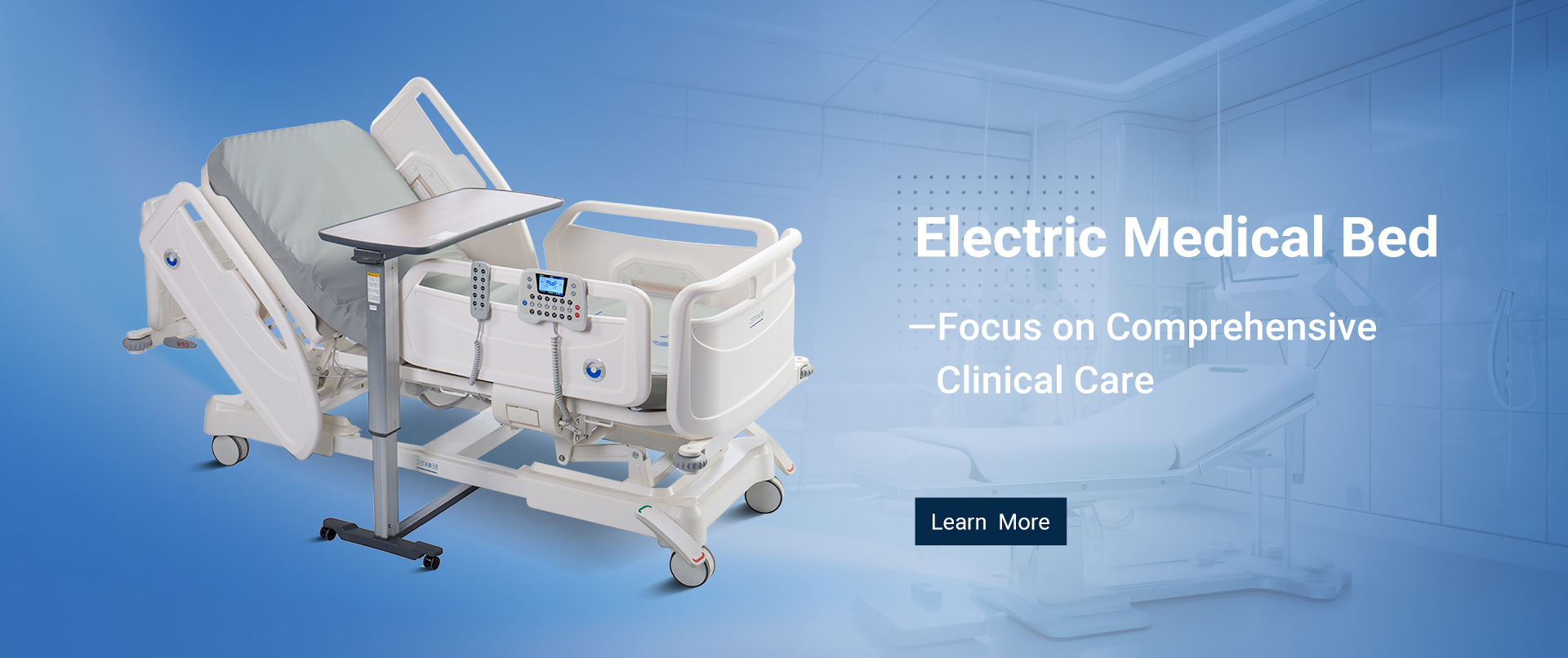
Electric hospital beds are more advanced. They come with powered controls for adjustments. This feature allows for better patient positioning with minimal effort. Many electric beds include features like side rails and built-in support surfaces. These enhance both safety and comfort for patients. However, they may be more expensive compared to manual options.
When selecting a hospital bed, consider the following tips. Focus on specific needs, like mobility levels and patient conditions. Not every bed suits every patient. Also, reflect on budget constraints. Sometimes, advanced features may not be necessary. A balance between quality and affordability is crucial.
Comparative Analysis of Hospital Bed Prices in China
When examining hospital bed prices in China, a few trends emerge. The cost of standard hospital beds typically ranges from 2,000 to 10,000 RMB. Higher-end models can skyrocket to 20,000 RMB or more, depending on features. Recent market research indicates that about 45% of institutions prioritize price over quality. Yet, a balance between affordability and functionality must be established.
Quality assessments reveal that low-cost options often lack critical features. For example, beds without adjustable heights can complicate patient care. A study showed that 30% of hospitals reported dissatisfaction with cheaper beds in terms of durability. This raises questions about long-term spending versus initial costs. Investing slightly more might offer superior patient comfort and lower maintenance needs over time.
Healthcare professionals stress the importance of ergonomic designs. Beds should facilitate easy access for caregivers while ensuring patient safety. However, many hospitals still opt for less expensive beds, risking compromised care. Data from industry reports indicates that the right choice can significantly impact patient outcomes and staff efficiency.
Key Factors Influencing Hospital Bed Quality and Comfort
When considering hospital beds, comfort and quality are crucial. A well-designed bed impacts patient recovery and satisfaction. Many beds now incorporate adjustable features. These can aid in promoting circulation and reducing pressure sores. Some beds have memory foam mattresses, which offer better support.
Tips: Check the weight capacity. Hospital beds must safely accommodate various patients. A robust design prevents safety issues.
Look for beds with easy mobility. Some come with wheels for quick movement. This feature can be crucial during emergencies. Proper bed height also matters. It allows easy access for both patients and caregivers. A bed that is too low or high can create strain.
However, not every bed is perfect. Some patients may still experience discomfort despite upgrades. Consider gathering feedback from caregivers for insights into bed performance. Such input can highlight areas needing improvement.
Affordability vs. Quality: Striking the Right Balance
When selecting hospital beds in China, balancing affordability and quality is crucial. A recent industry report indicates that nearly 70% of healthcare facilities struggle with budget constraints. However, prioritizing low-cost options can compromise patient safety. Between 2018 and 2022, incidents related to subpar bed quality rose by 15%, highlighting the risks associated with cheaper alternatives.
Quality hospital beds may come with a higher upfront cost. However, they often provide better durability and patient comfort. A study from a leading medical journal revealed that investing in quality beds improved patient recovery times by approximately 20%. Yet, hospitals frequently hesitate to invest, fearing budget overruns.
Finding the sweet spot is essential. Some manufacturers offer mid-tier beds that maintain quality while being budget-friendly. Facilities should carefully consider their patient demographics and usage rates. Investing in better beds can ultimately lead to reduced long-term costs due to lower maintenance and replacement rates. Balancing these factors is a challenge, but it is necessary for enhancing patient care.
China Best Hospital Bed Options for Quality and Affordability
| Bed Type |
Quality Rating |
Price (CNY) |
Affordability Score |
| Manual Hospital Bed |
4.0 |
2,000 |
8/10 |
| Electric Hospital Bed |
4.5 |
5,000 |
6/10 |
| ICU Bed |
4.8 |
15,000 |
4/10 |
| Folding Hospital Bed |
3.5 |
1,200 |
9/10 |
| Bariatric Hospital Bed |
4.7 |
9,000 |
5/10 |
Regulatory Standards for Hospital Beds in China
In China, hospital beds must meet strict regulatory standards to ensure patient safety and comfort. These regulations are overseen by the National Medical Products Administration (NMPA), which sets protocols for design, manufacturing, and quality testing. Compliance is critical; beds must pass extensive evaluations to receive approval. This ensures that they are not only durable but also safe for various medical conditions.
A key aspect of these regulations is the need for materials that are easy to clean and disinfect. Hospital beds often encounter pathogens. Therefore, using non-porous, anti-bacterial surfaces is essential. Manufacturers must also provide clear guidelines on maintenance and repair. This contributes to long-term usability and patient trust. In some cases, however, compliance can be a challenge for smaller manufacturers, who may struggle to keep up with these stringent requirements.
Additionally, the cost of compliance can impact affordability. Higher standards can lead to increased production costs. This may limit options for smaller hospitals with tight budgets. Some facilities might opt for lower-cost alternatives that do not fully meet regulatory requirements. This raises concerns about patient safety. Striking a balance between quality and affordability remains a point of reflection in the industry. Both manufacturers and healthcare providers must navigate these challenges thoughtfully.
User Reviews and Experiences: Top Choices for Hospital Beds
When considering hospital beds, user experiences play a vital role. Many individuals have reported varied satisfaction levels with their selections. Common themes include
comfort,
adjustability, and
ease of use.
Some users find electric beds significantly enhance their quality of life, particularly for long-term care. Others, however, highlight issues with bed mobility and assembly. These insights are essential for informed decisions.
A reliable hospital bed should cater to both patient needs and caregiver accessibility. Many users appreciate wheels for easy movement, along with sturdy side rails for safety. However, not all beds provide the stability needed for heavier users. In some cases, beds may not be compatible with certain types of mattresses. Patients and caregivers alike stress the importance of comfort. Unruly beds can lead to dissatisfaction.
While many options abound, issues such as
warranty and
customer service often arise. Some users express frustration when contacting manufacturers for support. Availability of replacement parts can also become a concern. Real-world experiences reveal that while many beds are affordable, their durability can vary significantly.
Patient reviews indicate a need for ongoing reflection on both quality and price.
FAQS
: A well-designed bed enhances patient recovery and overall satisfaction.
Adjustable features and memory foam mattresses support circulation and comfort.
Check the weight capacity and ensure a robust design.
Beds with wheels allow for quick movement during emergencies.
Proper height facilitates easy access for both patients and caregivers.
Not every bed guarantees comfort; feedback can highlight pain points.
Issues include bed mobility, assembly difficulty, and stability for heavier users.
Frustrations often stem from contacting manufacturers for support or replacement parts.
While many beds are affordable, durability can vary significantly across options.
Patient reviews suggest continual assessment of quality versus cost is essential.
Conclusion
This article provides a comprehensive overview of hospital bed options in China, focusing on both quality and affordability. It first presents leading hospital bed manufacturers in the country, followed by an exploration of various types of hospital beds available, detailing their features and benefits. A comparative analysis of hospital bed prices highlights the range of options, while key factors influencing quality and comfort are discussed to guide purchasing decisions.
The article emphasizes the crucial balance between affordability and quality, addressing how to achieve this equilibrium when selecting a hospital bed. It also examines the regulatory standards governing hospital beds in China to ensure safety and reliability. Finally, user reviews and experiences provide insights into the top choices for hospital beds, aiding consumers in making informed decisions for their healthcare needs.