Picking a reliable manual bed manufacturer isn’t just about comparing prices. For global buyers, there’s a lot more to consider—things like how sturdy the frame is, how smoothly it adjusts, safety features, availability of spare parts, and how responsive their after-sales support is. Sure, a bed might look solid in a catalog, but in a busy hospital ward, those caster locks can feel flimsy and unreliable.
James Carter, who’s a hospital equipment procurement consultant, puts it nicely: “A manual bed should be judged on how it handles day-to-day use, not just how it looks in the showroom.” That’s really how it is. Nurses often need to readjust the backrest multiple times, push beds over uneven floors, and clean the joints between patients. It’s those small design details that can end up costing a lot in terms of maintenance and repairs.
Big names like Paramount Bed, Invacare, Drive DeVilbiss Healthcare, Medline Industries, and GF Health Products have their own ranges and strengths in the market. But just because a manufacturer has a well-known brand doesn’t mean it’s the perfect choice for you. It’s essential to check things like how much weight the bed can handle, the size of the mattress platform, how well it resists rust, the quality of packaging, and whether they can provide support in your region.
Don’t forget to ask for documentation. A good supplier should be able to share detailed specs, inspection reports, warranty info, and details about spare parts. Also, pay attention to how they communicate. Slow responses might be a red flag for future support issues—though, honestly, it’s not always fair to judge—they might have a strong engineering team but limited international support.
This guide takes a look at some of the top Manual Bed manufacturers in China for buyers around the world. It looks at their experience, ability to customize, quality control measures, export readiness, and realistic ownership costs. Keep in mind, the best supplier isn’t always the cheapest. Sometimes they might have smoother wheel systems, stronger welds, or quicker access to spare parts. We all make mistakes—what matters is that transparent manufacturers acknowledge their errors, fix them, and work continuously to improve.
All in all, it’s about finding a partner who understands your needs, offers solid quality, and supports you throughout the process—because in the end, it’s not just about the price, but how well the bed actually performs and lasts.

China’s Manual Hospital Bed Industry: 2- and 3-Crank Product Categories
China’s Manual Hospital Bed Industry: 2- and 3-Crank Product Categories
China’s manual hospital bed manufacturers commonly produce two-crank and three-crank models for global buyers. Two-crank beds usually adjust the backrest and knee section. They suit general wards, clinics, and facilities needing simple daily operation. Three-crank beds add height adjustment, improving transfer safety and caregiver posture. However, added movement can increase maintenance needs. Simplicity still matters.
A two-crank frame often uses a side-mounted or foot-end handle. Operators can feel resistance when the mattress load is uneven. Three-crank models require smoother gearboxes, stronger joints, and clearly marked control directions.
Buyers should inspect welds, wheel locks, crank strength, and coating quality. Ask for load testing records and dimensional drawings. A lower price may hide thinner tubing or weaker casters. That concern deserves careful review.
Tips: Confirm the mattress platform size before ordering. Check whether the crank folds under the frame. Request samples of the finish and inspect sharp edges. Verify packaging with corner protection and moisture barriers. Ask about spare cranks, wheels, and delivery lead times. Small omissions can create costly delays. Product specifications may also vary between batches, so written confirmation is essential.
Core Specifications: 150–250 kg Safe Working Load and Four-Section Decks
For global buyers, a manual bed should be judged by working evidence, not attractive catalog images. The safe working load usually ranges from 150 to 250 kg. This figure must include the patient, mattress, bedding, and attached accessories. A 250 kg rating is not automatically better. Buyers should ask whether the value covers dynamic movement, or only a stationary load.
A four-section deck supports practical positioning. The backrest raises the upper body, while the thigh and leg sections improve comfort and reduce sliding. The fourth section helps maintain stable support near the feet. Smooth adjustment matters. Crank handles should turn without sudden resistance. Hinges need controlled movement, with no exposed pinch points. During inspection, check the frame welds, deck gaps, side rails, and caster locks.
Reliable manufacturers should provide load-test records, material details, maintenance instructions, and traceable production information. Buyers can request a sample bed before placing a large order. Measure the deck after assembly, not only from drawings. Check whether the stated load remains realistic when the bed is fully extended. This step is often skipped. That is a mistake. Regional requirements may also differ, so technical documents should match the destination market. A clear inspection plan protects both procurement teams and patients.
Manufacturing Quality: ISO 13485 Systems and EN 60601-2-52 Compliance
China Top Manual Bed Manufacturers for Global Buyers?
For global buyers, manufacturing quality begins with a working ISO 13485 system. This standard organizes design control, supplier approval, production records, and corrective actions. In a factory, that means each bed should have traceable materials and documented inspections. Inspectors may check welds, castors, backrest movement, and frame alignment. Small defects often reveal weak process control.
EN 60601-2-52
focuses on the safety and performance of medical beds. Buyers should request test reports that match the exact bed configuration. Relevant checks may include safe working load, stability, moving sections, mattress platform gaps, and side rail risks.
Manual operation still requires careful evaluation. No motor does not mean no hazard.
Ask for production samples, not only certificates. Compare them with approved drawings and inspection records. A reliable manufacturer can explain rejected units and corrective actions clearly. That honesty matters. Paperwork alone is not proof. Certificates can become outdated, and test reports may cover an older design. Buyers should confirm the applicable edition, test laboratory details, and product scope before ordering. Even strong factories are not flawless. Continuous review is necessary when materials, suppliers, or bed dimensions change.
Global Buyer Standards: CE, FDA Registration, and IEC 60601 Requirements
For global buyers, a manual bed is more than a frame, mattress platform, and hand crank. Compliance documents must match the exact model, materials, and intended use. Under Regulation (EU) 2017/745, the CE route requires risk management, technical documentation, clinical evaluation, and post-market controls. European Commission guidance also stresses traceability across the supply chain. A certificate alone is not enough.
The U.S. pathway differs. FDA registration and device listing identify the manufacturer and product; they do not mean FDA approval. Buyers should verify the establishment record, product classification, labeling, and quality-system evidence through FDA’s official registration and listing resources. Check every detail. A registration number can be copied incorrectly.
IEC 60601-1 remains central for electrical safety when the bed includes powered functions, such as height adjustment or backrest movement. Test evidence should address leakage current, grounding, mechanical hazards, electromagnetic compatibility, and essential performance. IEC 60601-1:2020 is the current consolidated edition, while national deviations may still apply. The World Health Organization’s Global Model Regulatory Framework for Medical Devices supports documented, risk-based oversight. In practice, factories should provide a complete technical file, test reports from competent laboratories, declarations of conformity, and clear user instructions. I have seen procurement teams focus on the CE mark first. That is risky. The underlying evidence matters more.
Supplier Evaluation: Factory Capacity, 3–5-Year Warranty, and Lead Times
China Top Manual Bed Manufacturers for Global Buyers?
Supplier Evaluation: Factory Capacity, 3–5-Year Warranty, and Lead Times
Factory capacity should mean verified output, not a large showroom. Request monthly production records, assembly-line photos, and the number of beds tested each shift. Mordor Intelligence estimates the hospital beds market will grow at roughly 5% annually, increasing pressure on dependable supply. Ask whether the factory can reserve capacity during peak seasons. A supplier producing 2,000 beds monthly may still struggle with a 500-bed urgent order. I have seen impressive catalogs hide limited welding stations and outsourced components. That deserves careful questioning.
A 3–5-year warranty sounds useful, but its scope matters more than its length. Confirm coverage for the frame, casters, motors, side rails, and lifting mechanism. Ask for written replacement procedures and average response times. The World Health Organization emphasizes equipment maintenance as a key part of safe healthcare delivery. A warranty without spare parts is weak protection. Lead time also needs a precise definition. Is it counted from deposit, technical approval, or final confirmation? Request separate timelines for production, inspection, and shipping. The 2024 Deloitte Global Manufacturing Industry Outlook highlights supply-chain resilience as a continuing manufacturing priority.
Tips: Ask for a sample unit, a factory audit, and recent inspection records. Compare promised capacity with actual delivery history. Keep one uncomfortable question: what happens when a critical component fails?
China Top Manual Bed Manufacturers for Global Buyers? - Supplier Evaluation: Factory Capacity, 3–5-Year Warranty, and Lead Times
Anonymous supplier benchmark for manual hospital and home-care bed sourcing
Evaluation Scope
Manual two-function and three-function medical beds
Warranty Target
3–5 years for the main bed frame
Typical Lead Time
20–60 days after approved specifications
| Anonymous Supplier Profile |
Typical Monthly Capacity |
Main Product Scope |
Frame Warranty |
Standard Lead Time |
Pilot-Order MOQ |
Quality-Control Evidence to Request |
Buyer Fit |
| Profile A: Small-Batch Specialist |
300–800 units |
Manual 2-function beds, home-care beds, basic accessories |
3 years on frame; 1 year on moving parts |
25–45 days |
20–50 units |
Incoming-material records, load-test reports, final inspection checklist |
Suitable for distributors testing a new market |
| Profile B: Export-Oriented Mid-Size Factory |
800–2,000 units |
Manual 2- and 3-function beds, overbed tables, bedside cabinets |
3–5 years on frame; 12–24 months on components |
30–50 days |
50–100 units |
Traceable batch records, dimensional inspection, packaging-drop test, corrective-action reports |
Balanced option for regional distributors and hospital projects |
| Profile C: High-Volume OEM Producer |
2,000–5,000 units |
Manual hospital beds, bariatric options, OEM-configured models |
5 years on welded frame; 2 years on hardware and accessories |
35–60 days |
100–300 units |
Process-control plan, welding inspection, coating-thickness records, serial-number traceability |
Best for recurring tenders and private-label programs |
| Profile D: Integrated Medical-Furniture Factory |
1,000–3,000 units |
Manual beds, patient-room furniture, mattresses, mobility accessories |
3–5 years on frame; terms vary by accessory |
30–55 days |
50–150 units |
Supplier qualification files, material certificates, assembly inspection, finished-goods audit |
Convenient for complete ward or home-care packages |
| Profile E: Custom-Engineering Supplier |
500–1,500 units |
Custom dimensions, reinforced frames, region-specific configurations |
3 years standard; extended terms subject to contract |
40–70 days |
30–100 units after prototype approval |
Engineering drawings, prototype validation, risk assessment, change-control procedure |
Useful when local regulations or clinical workflows require modifications |
Recommended Supplier-Verification Checklist
| Verification Dimension |
Minimum Evidence |
Suggested Weight |
| Factory Capacity |
Production-line photos or live video, monthly output records, equipment list, and capacity plan for peak seasons |
20% |
| Warranty Strength |
Signed warranty schedule defining frame, casters, crank mechanisms, panels, mattresses, exclusions, and spare-parts support |
20% |
| Lead-Time Reliability |
Production schedule, historical on-time-delivery rate, raw-material availability, and written delay-notification procedure |
15% |
| Product Safety and Quality |
Applicable test reports, user instructions, load rating, pinch-point review, brake inspection, and final inspection records |
20% |
| Export and Documentation |
Packing list, commercial invoice, certificate-of-origin process, multilingual manuals, carton specifications, and shipping history |
15% |
| After-Sales Support |
Spare-parts list, response-time commitment, remote troubleshooting process, and replacement-part availability |
10% |
Benchmark note: Capacity, warranty, MOQ, and lead-time figures are indicative market ranges for anonymous supplier profiles. Buyers should confirm current values through factory audits, sample inspections, signed quotations, and contract documents before placing an order.
Cost Comparison: EXW, FOB, and Total Landed Cost for Global Buyers
China’s manual bed manufacturers often quote EXW, FOB, or customized delivery terms. Each price shows a different part of the real cost. EXW usually covers the bed at the factory gate. The buyer pays for loading, export handling, inland transport, and shipping arrangements. It may look cheapest. Often, it is not.
FOB pricing normally includes delivery to the port and export clearance. The supplier also handles loading the goods onto the vessel. The buyer still pays ocean freight, insurance, destination charges, duties, and local delivery. FOB works well when buyers have reliable freight partners. However, small orders may receive expensive freight rates. One quote can hide several charges.
Total landed cost gives a clearer purchasing picture. Calculate the bed price, packaging, inland transport, export documents, freight, insurance, import duty, taxes, port fees, inspection, and warehouse delivery. A heavier manual bed needs stronger cartons and costs more to move. Confirm dimensions, weight, spare parts, warranty terms, and minimum order quantities in writing. Ask every manufacturer to quote the same specifications and Incoterm. Otherwise, comparison becomes unreliable.
A practical worksheet helps. Add a buffer for currency changes and unexpected destination fees. Even careful estimates can miss storage charges or customs delays. That is worth admitting early. A low EXW price may still be suitable for experienced buyers with strong logistics control. New buyers may prefer a clearer FOB or landed-cost model, despite the higher visible price.
Three-Function Manual Bed with Six-Column Siderails: Features, Benefits, and Buying Guide
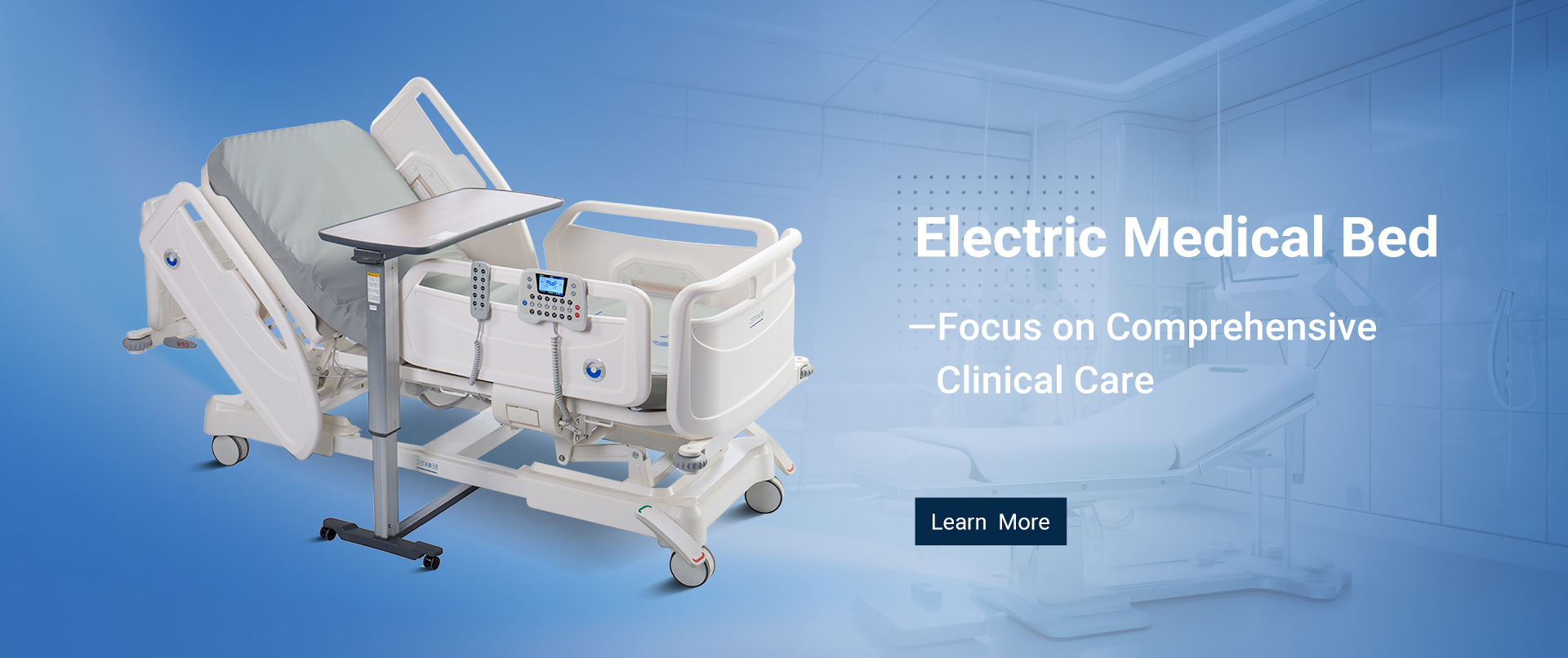
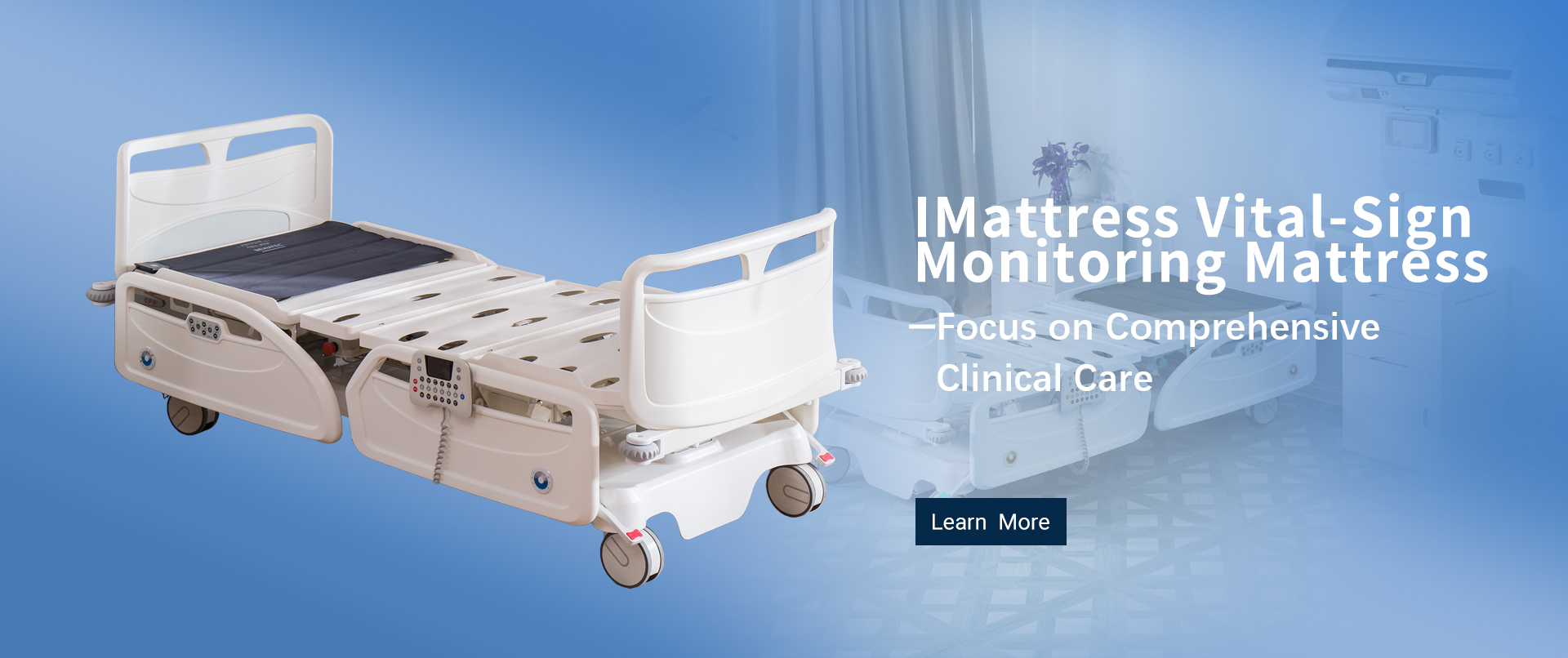
A three-function manual bed with six-column siderails is designed to support practical clinical care while keeping operation simple. Its manually adjustable backrest, leg section, and overall bed height allow caregivers to create comfortable positions for treatment, rest, transfers, and daily nursing tasks. The six-column siderails provide stable protection on both sides, helping reduce the risk of accidental falls while giving patients a greater sense of security. A durable frame, smooth casters, reliable brakes, and an easy-to-clean surface further support efficient use in hospitals, clinics, and long-term care settings.
When choosing this type of medical bed, consider the adjustment range, load capacity, siderail stability, mattress compatibility, and ease of cleaning. Check whether the controls and adjustment mechanisms are intuitive enough for frequent clinical use, and ensure the wheels can move smoothly while locking firmly when the bed is stationary. It is also important to evaluate the bed’s overall dimensions, structural durability, and maintenance requirements. By combining essential functions with straightforward manual operation, this bed can help streamline routine care, improve working efficiency, and provide dependable protection for patients throughout the nursing process.
FAQS
Two-crank beds usually adjust the backrest and knee section. They suit general wards and clinics. Three-crank beds also adjust height. This can improve transfers and caregiver posture. More movement means more maintenance.
A two-crank model may be suitable for routine ward care. Its operation is usually simpler. Operators may still feel resistance with uneven mattress loads. Simplicity still matters.
Common ratings range from 150 to 250 kilograms. The rating should include the patient, mattress, bedding, and accessories. A higher number is not automatically better. Ask whether testing included movement or only a stationary load.
It supports the back, thighs, legs, and feet. The back section raises the upper body. The leg sections can reduce sliding and improve comfort. Check gaps and hinge movement carefully.
Inspect welds, caster locks, side rails, deck gaps, and sharp edges. Turn each crank slowly. It should not catch suddenly. Check frame alignment after assembly. Small defects can reveal larger process problems.
Request dimensional drawings, material details, load-test records, and maintenance instructions. Ask for production samples and traceable inspection records. Confirm that reports match the exact bed configuration. Paperwork alone is not proof.
Confirm corner protection and moisture barriers inside the packaging. Ask about spare cranks, wheels, and delivery times. Protective packaging matters during long transport. Small omissions can cause expensive delays.
No. Certification supports a quality system, but it does not remove every defect. Certificates may become outdated. Test reports may cover an older design. Compare delivered samples with approved drawings. Continuous review remains necessary.
Written specifications should cover deck size, working load, finish, and crank design. Measure the assembled bed, not only the drawing. Materials and dimensions can change between batches. This step is easy to skip. It should not be.
Conclusion
China’s Manual Bed industry offers global buyers a broad selection of practical and cost-effective hospital care solutions, particularly in 2-crank and 3-crank configurations. When comparing products, buyers should examine essential specifications such as a 150–250 kg safe working load, four-section deck design, reliable adjustment mechanisms, and stable frame construction. Manufacturing quality is also important, with ISO 13485-based quality systems and alignment with EN 60601-2-52 supporting consistent production and patient safety.
A careful supplier evaluation should include factory capacity, quality-control procedures, customization capabilities, warranty coverage of three to five years, and realistic lead times. Buyers should also confirm documentation for applicable CE, FDA registration, and IEC 60601 requirements in their target markets. Finally, cost analysis should go beyond the EXW or FOB quotation by considering freight, insurance, import duties, installation, and other expenses that determine the total landed cost. This structured approach helps international purchasers select dependable products and establish sustainable supply relationships.