0%

When it comes to caring for someone at home, picking the right bed really makes a difference. A Manual Bed is often a go-to because it's generally more affordable and straightforward. Plus, it’s pretty easy for caregivers to adjust—something that’s actually super important when someone needs help getting in and out of bed. Lots of families find it simple to use and pretty reliable.

That said, relying only on a Manual Bed isn’t always perfect. It can take a bit of muscle power to change its position, which might be tough on caregivers, especially if they’re doing it all day long. And for folks with mobility issues, manually adjusting the bed can sometimes be a real hassle. So, it’s worth thinking about these things before making a final call.

Even with those limitations, many people still love that Manual Bed gives patients a bit of independence—like being able to sit up or lie down with just a little help. That kind of flexibility can really boost comfort. Overall, despite some downsides, a lot of families still see a Manual Bed as a solid choice for home care. It’s simple, reliable, and gets the job done.

Why Choose a Manual Bed for Your Home Care Needs?

Understanding Manual Beds and Their Components

Why Choose a Manual Bed for Your Home Care Needs?

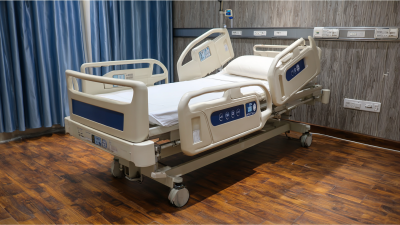
Manual beds are designed with functionality and comfort in mind. These beds often include adjustable features, allowing caregivers to modify the patient's position easily. They typically consist of a steel frame, adjustable height, and various mattress options. According to a 2020 industry report, the demand for manual beds in home care increased by over 25% due to their affordability and ease of use.

Many manual beds include side rails, which ensure patient safety and prevent falls. The simplicity of adjustment levers can empower patients to change their position. However, it's worth noting that not every individual may find manual operation easy. Some might struggle with dexterity issues. This highlights the need for thorough training for caregivers to effortlessly operate these beds.

Another aspect to consider is the mattress type. Foam mattresses are often favored for their pressure-relieving properties. A study from the Journal of Rehabilitation Research found that improper mattress selection can lead to discomfort and health complications. Therefore, ensuring the right mattress is essential. Balancing comfort, safety, and usability in manual beds is crucial for enhancing the home care experience.

Advantages of Manual Beds for Home Care Scenarios

Manual beds offer unique advantages for home care scenarios. They provide adjustable positions for comfort and support. This flexibility is crucial for individuals with mobility issues. According to a report by Home Health Care News, manual beds can enhance patient care and simplify caregiver tasks. These beds allow patients to change positions easily, promoting better circulation and reducing the risk of bedsores.

One of the key benefits of manual beds is affordability. Compared to electric options, they are cost-effective. This makes manual beds accessible for many families. However, patients should be properly trained to use these beds to avoid any injuries. The right guidance is essential for maximizing safety and usability.

Tips for caregivers: Regularly check the bed's stability. Ensure it is assembled correctly. Take time to show patients how to operate the bed safely. Monitor their comfort levels often, adjusting as needed. Remember, a simple setup can lead to better care outcomes. Manual beds may lack advanced technology, but their benefits are undeniable.

How to Choose the Right Manual Bed for Your Needs

When selecting a manual bed for home care, consider your specific needs and preferences. Manual beds provide an affordable and versatile option for many situations. A report from the Global Health Institute highlights that home care beds can significantly improve patient comfort and mobility, leading to better health outcomes.


Focus on bed height, weight capacity, and adjustable features. A bed should meet the user's lifestyle and health requirements. For instance, if mobility is a concern, opt for a model with easy-to-use cranks for height adjustments. A survey indicated that over 70% of caregivers prefer beds that allow patients to sit up easily. This feature can enhance patient interaction and reduce the risk of pressure sores.


Tips: Always check the weight specifications. A bed must support the user safely. Look at the materials used for durability, especially if it's expected to be used long-term. Additionally, assess how easy it is to move and transport. Some beds can be heavy and cumbersome. Remember, comfort is crucial, but functionality matters just as much.

Key Features to Look for in Manual Beds

When considering a manual bed for home care, several key features make a difference. Adjustability is crucial. Look for beds that allow you to modify both the head and foot sections easily. This ensures comfort for reading, eating, or even resting. The bed should also have a sturdy frame. Stability is essential for safety and ease of use.

Another important feature is portability. Some manual beds come with wheels. This can make moving the bed easier, especially when cleaning. However, ensure that the wheels lock securely. It's frustrating when a bed shifts unexpectedly.

Tips: Check the weight capacity before purchase. You want a bed that supports all users comfortably. Consider a bed with removable mattress covers too. This feature simplifies cleaning and maintenance, making life easier.

Lastly, examine the overall design. A simple, functional bed is often better than one with excessive features that complicate use. Sometimes a minimalist approach suits your needs best.

Why Choose a Manual Bed for Your Home Care Needs? - Key Features to Look for in Manual Beds

Feature Description Benefits
Adjustable Height Manual adjustment for various heights. Eases transfer in/out of bed and improves accessibility.
Backrest Adjustment Inclines the upper body using a manual crank. Enhances comfort for reading or watching TV.
Leg Adjustment Allows elevation of the legs. Reduces swelling and enhances circulation.
Durable Materials Constructed with robust and easy-to-clean materials. Long-lasting and hygienic for home care environments.
Portable Design Lightweight and easy to move. Allows flexibility in room arrangements and usage.

Maintenance and Care Tips for Manual Beds

Manual beds can be a practical choice for home care. They provide adjustable positions that enhance comfort for users. However, maintaining these beds is vital for safety and longevity.

Regular cleaning is essential. Wipe down the bed frame weekly to remove dust and allergens. Use a soft cloth with mild soap. Avoid harsh chemicals that could damage the finish. Lubricate hinges and joints every few months. This ensures smooth operation and prevents squeaking.

Check the bed's structure regularly. Look for any signs of wear and tear. Loose screws or unstable parts can pose safety risks. Don’t ignore these issues. They can lead to more significant problems later. More importantly, always involve the user in discussions about their needs and adjustments. Different positions can offer relief but should align with their comfort level.

Comparing Manual Beds with Electric Alternatives

When considering manual beds versus electric alternatives, many factors come into play. Manual beds offer simplicity. They often require less maintenance. Adjusting the bed is straightforward, as persons can leverage physical effort to set their desired position. This feature can be beneficial in areas with limited electricity supply. However, not everyone finds manual adjustment easy. For some, it demands more physical strength than they possess.

Electric beds, while convenient, may be more expensive to maintain. They require power, making them dependent on a functional power supply. This means that during power outages, these beds become non-functional. Some users appreciate the push-button adjustments. Yet, others find they can be too complex and less intuitive. This variability in preference is important to consider.

There is also the matter of space and portability. Manual beds often have a more compact design, making them easier to move. However, their lack of automation can lead to frustration. It's crucial to reflect on the specific needs of users and caregivers. Each bed type comes with benefits and drawbacks. Recognizing these can guide choices that best suit home care needs.

User Experiences and Testimonials on Manual Beds

When choosing a manual bed for home care, user experiences offer valuable insights. Many caregivers praise the flexibility of manual beds. They appreciate the ability to adjust the height and angle easily. This feature enhances comfort for both users and caregivers alike. Some users mention the struggle with the manual adjustments, especially in the middle of the night.

Testimonials frequently highlight the simplicity of operation. One user shared that manual beds can be adjusted with minimal effort. This makes it easier for family members who may not be physically strong. However, some find that the adjustments can be awkward at times. It is essential to practice using the levers to gain confidence.

**Tips:** Before purchasing a manual bed, test it out. See how easy it is to adjust. Check the weight capacity to ensure safety. Consider your space and how the bed fits in. Overall, firsthand experiences can steer decisions. Users should reflect on comfort and accessibility as crucial factors in their choice.

Why Choose a Manual Bed for Your Home Care Needs?

Configurable Comfort: Exploring the Benefits of a Three-Function Manual Bed with Six-Column Siderails

The evolution of healthcare devices has led to the development of innovative solutions designed to enhance patient comfort while optimizing the efficiency of medical care. One such advancement is the three-function manual bed with six-column siderails, which stands out for its practical functionality and user-friendly operation. This type of bed not only allows for multiple adjustments to accommodate the specific needs of patients but also ensures that nursing staff can provide care with greater ease and effectiveness.

The configurable comfort offered by these beds is particularly beneficial in clinical settings where patient mobility and positioning are crucial. With the ability to adjust the bed's height, angle, and even side rails, caregivers can better support patients during medical examinations, treatments, or general daily activities. This flexibility minimizes the risk of injury for both patients and healthcare providers, while also fostering a more comfortable healing environment. The six-column design of the siderails enhances stability and safety, providing peace of mind for both patients and nurses alike.

By integrating practical design with simple operation, a three-function manual bed significantly improves the efficiency of medical care. The streamlined adjustment options reduce the time and effort required by nursing staff, allowing them to focus more on patient interaction and care. This thoughtful approach to bed design ultimately enhances overall clinical nursing work, reinforcing the commitment to providing high-quality healthcare services.

FAQS

: What is the main purpose of this product?

: This product aims to improve user experience in specific tasks.

Who can benefit from using it?

Anyone looking to simplify daily activities can benefit from it.

Are there any side effects?

Some users report mild discomfort or confusion initially.

How long does it take to see results?

Results may vary. Some see changes in a few days; others take longer.

Is there a recommended usage frequency?

Daily use is encouraged for best results, but listen to your body.

Can I stop using it anytime?

Yes, but consider gradual adjustments. Stopping suddenly might feel unsettling.

What if I don’t see any improvement?

Reflect on your approach. Perhaps a change in routine is needed.

Is there any additional support available?

Yes, resources are available. They can assist with questions or concerns.

Can this product be used with others?

Some combinations may work well, but check compatibility first.

What should I do if I have more questions?

Feel free to reach out for clarification or deeper insights.

Conclusion

A manual bed is an essential component of home care that provides flexibility and support for individuals with varying mobility needs. Understanding the key components of manual beds, including their mechanical features, allows caregivers to better assist patients in comfortable positioning. The advantages of manual beds, such as affordability and ease of use, make them a valuable choice for home care scenarios.

When selecting the right manual bed, it is crucial to consider key features like adjustable height and side rails to ensure safety and comfort for the user. Regular maintenance and care tips can extend the life of the manual bed, while personal user experiences highlight their effectiveness in enhancing the quality of life for patients. By comparing manual beds with electric alternatives, caregivers can make informed decisions that best meet the specific needs of their loved ones.

Liam

Liam

Liam is a dedicated marketing professional at Bewatec (Zhejiang) Medical Device Co., Ltd., where he leverages his extensive knowledge of innovative medical solutions to drive the company's vision of a digital transformation in healthcare. With a keen focus on smart medical care, Liam plays a......
Previous 12 Best Manufacturers for Hospital Beds in China You Should Know