


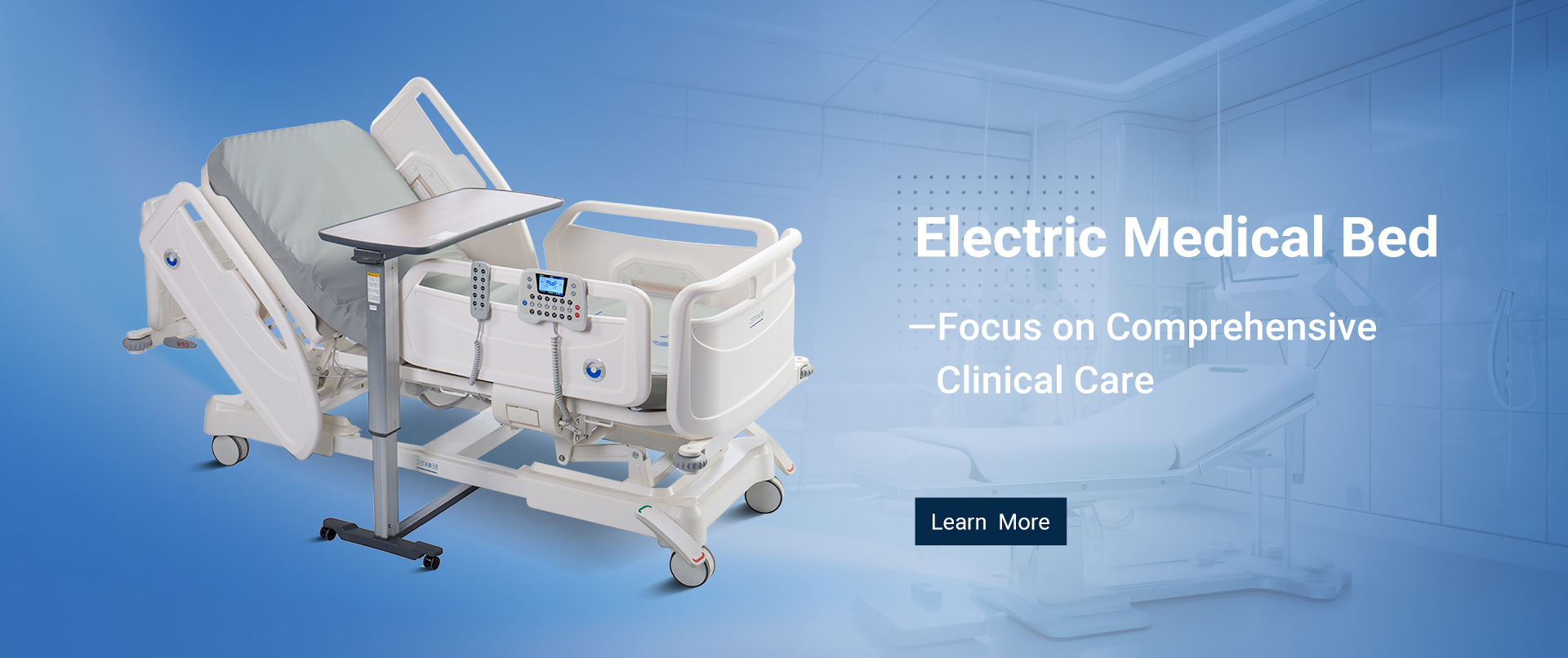
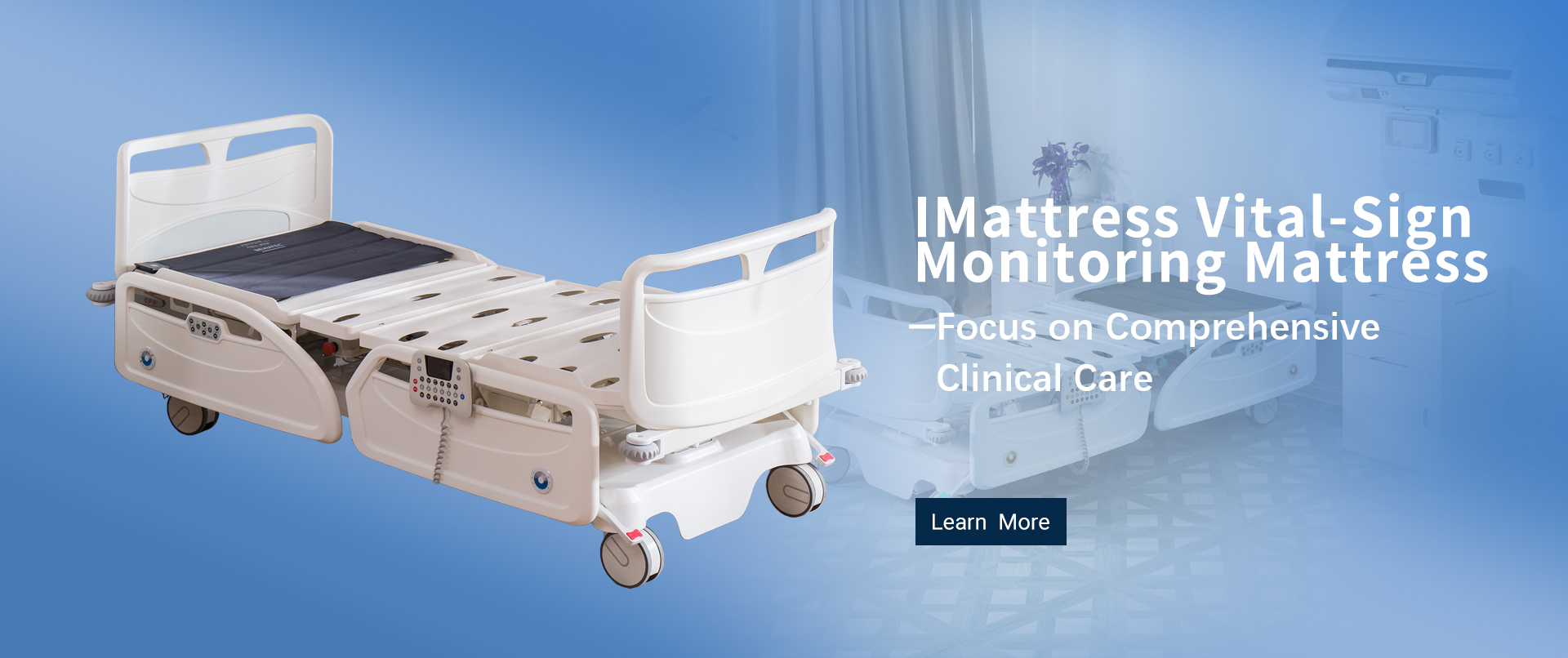

As we navigate the ever-changing world of healthcare and personal comfort, the manual bed is really stepping into the spotlight as a key player in improving patient care and offering more personalized comfort. You know, a recent report from Grand View Research says that by 2025, the global market for manual beds is set to hit around $2.5 billion. That’s largely thanks to our aging population and the growing need for more affordable healthcare options. These beds aren’t just for hospitals anymore—they’re becoming pretty popular at home too, especially for folks who want a bit more independence and comfort in their daily lives. Dr. John Smith, an ergonomic expert and consultant at Healthcare Innovations, really stresses how crucial it is to pick the right manual bed for your specific needs. He puts it simply: "Getting the right manual bed can make a huge difference in someone’s recovery—offering the kind of support and comfort that regular beds just don’t give."
With so many options out there, it’s kind of overwhelming to know what to look for. That’s why this guide is here—to help you understand the different types and features of manual beds, and give you some good tips on choosing the best one for your comfort in 2025. Whether it’s for medical needs or just making daily life a bit easier, finding the right bed really matters.
Understanding the Different Types of Manual Beds Available in 2025
When considering a manual bed in 2025, it is crucial to understand the different types available to meet your comfort needs. Manual beds generally fall into a few categories: adjustable, hospital-style, and low-profile beds. Adjustable manual beds allow users to change the position of the head and foot sections using a hand crank, providing flexibility for various sleeping habits and comfort levels. These beds are ideal for individuals recovering from surgery or those who simply prefer customized support while resting.
Hospital-style manual beds, on the other hand, are designed for more specialized use, often featuring a robust construction and additional safety features like side rails. These beds are typically adjustable to cater to patients with specific health needs, ensuring they can achieve a comfortable position while receiving care. Low-profile beds offer a different experience, sitting lower to the ground for easy access, particularly beneficial for those with mobility challenges. They provide a sense of security and ease, while also allowing for a comfortable sleep experience. Understanding these options can help you choose the best manual bed tailored to your comfort requirements in 2025.

FAQS
: In 2025, the main types of manual beds available include adjustable beds, hospital-style beds, and low-profile beds, each designed to meet specific needs and comfort levels.
Adjustable manual beds allow users to change the position of the head and foot sections using a hand crank, providing flexibility and customized support for different sleeping habits.
Hospital-style manual beds are designed for specialized use, catering particularly to patients with specific health needs, providing robust construction and safety features like side rails.
Low-profile beds sit closer to the ground, making them easier to access for individuals with mobility challenges and offering a sense of security while maintaining a comfortable sleeping experience.
Adjustability allows users to find their ideal sleeping position, which can alleviate issues such as acid reflux and back pain, ultimately leading to improved overall sleep quality.
A medium-firm mattress is often recommended for manual beds, as it supports the body's natural curves while providing sufficient pressure relief.
Memory foam mattresses conform to the body, reducing pressure points, while latex mattresses offer better breathability and support, both of which can enhance sleep comfort.
Approximately 65% of adults report experiencing sleep-related issues due to inadequate comfort levels in their sleeping environments, according to the National Sleep Foundation.
Proper spinal alignment during sleep can significantly improve overall sleep quality, as suggested by the American Chiropractic Association, highlighting the importance of adjustable features in manual beds.
Conclusion
The article "2025 How to Choose the Best Manual Bed for Your Comfort Needs" provides a comprehensive guide for selecting manual beds that cater to individual comfort requirements. It explores various types of manual beds available in 2025 and highlights key factors that influence comfort, such as ergonomic designs that enhance sleep quality. A comparative analysis of material durability and maintenance needs is also presented, aiding consumers in making informed decisions. Additionally, the article delves into pricing trends and offers industry insights regarding consumer preferences and ratings for manual beds.
As a leader in the smart medical care sector, Bewatec (Zhejiang) Medical Device Co., Ltd. emphasizes the importance of providing patients with comfortable and personalized care solutions, making informed choices about manual beds essential for optimal patient outcomes in a digitally transformed healthcare environment.
Related Posts
-

2025 Top 10 Electric Beds: Ultimate Comfort and Innovation for Your Sleep
-

Transform Your Sleep Experience: The Ultimate Guide to Manual Beds for Better Rest
-

Unlocking Comfort: Benefits of the Best Patient Bed for Enhanced Recovery
-

Your Ultimate Guide to Best Wifi and 4/5g Connected Health Monitoring Solutions
-

Innovative Approaches to Enhance Your Well-being with Smart Bed Pads
-

Exploring the Benefits of Electric Medical Beds for Home Healthcare Solutions


