0%

Picking the right hospital bed really makes a difference when you're recovering or just trying to be comfortable. Dr. Emily Carter, who’s pretty much an expert in rehab and recovery, says it best: “A hospital bed can totally change how smoothly the healing process goes.” With so many options out there, it’s key to think about what *you* actually need.

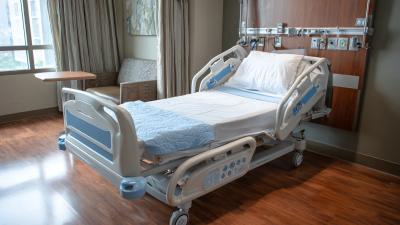
Hospital beds aren’t all the same — some can be adjusted for height and position, which can really boost comfort. Others are designed with safety and easy access in mind—especially for older folks. Figuring out which one suits you means understanding your medical stuff and what feels right personally.

Honestly, it can get pretty overwhelming trying to find that perfect fit. Lots of patients tell me they feel a bit lost with so many choices. That’s why it’s so important to stop and think about what really matters to you. In the end, the goal is to stay comfy, get the right care, and support your recovery as best as possible. So, taking a little extra time to choose wisely will definitely lead to better results and a smoother healing journey.

How to Choose the Best Hospital Bed for Your Needs?

Understanding Different Types of Hospital Beds Available

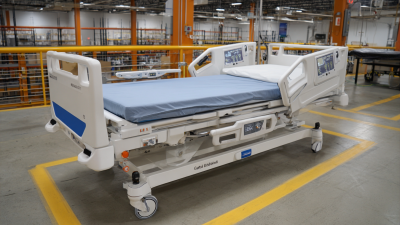
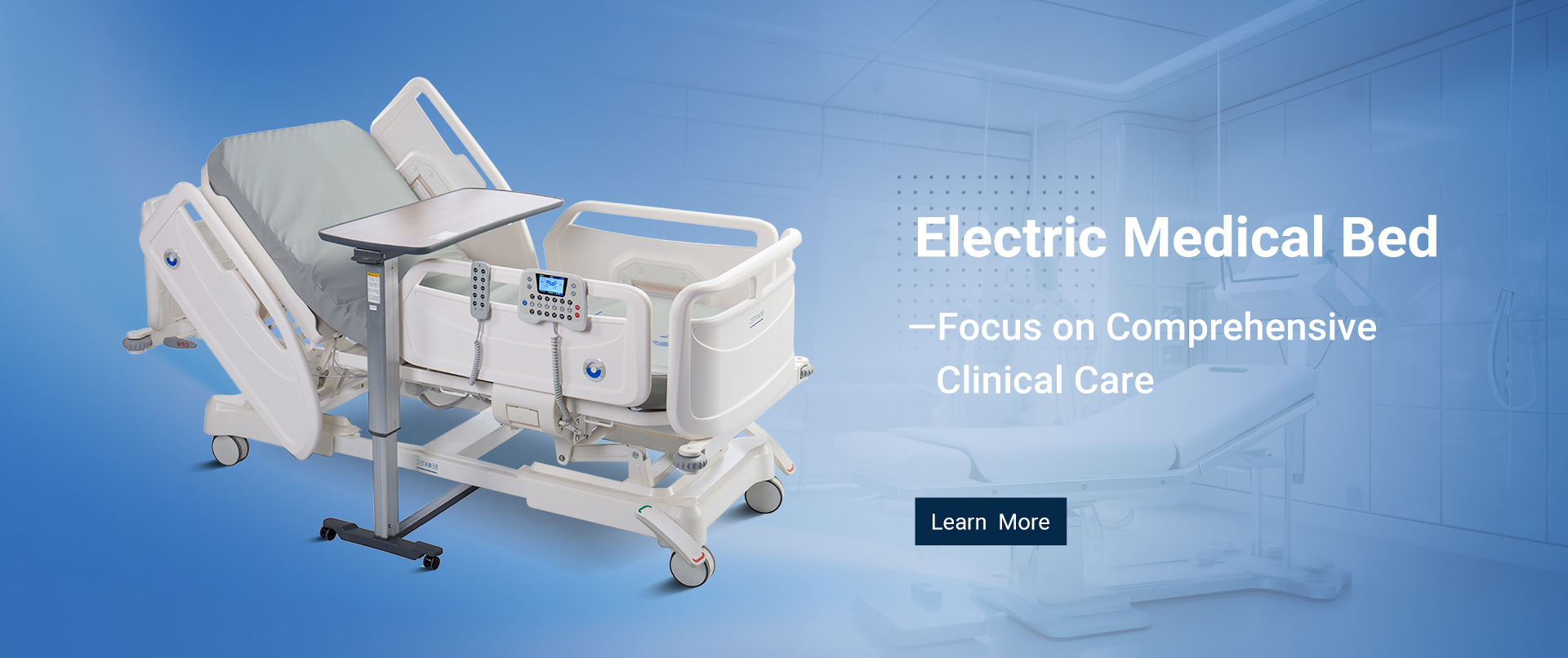
When selecting the best hospital bed, understanding the types available is crucial. Hospital beds may be categorized into manual, electric, and specialty options. Each type serves specific patient needs. According to a recent industry report, approximately 70% of hospitals and care facilities utilize electric beds for improved patient comfort and mobility. These beds allow caregivers to adjust the height and position with minimal effort.

Manual beds, while cost-effective, require physical adjustments. This can pose challenges for caregivers, especially with heavier patients. A survey indicated that 40% of care facilities find manual beds less efficient in acute care settings. Specialty beds, like those equipped with pressure redistribution features, cater to patients at high risk for bedsores. Such beds have been found to significantly reduce pressure ulcer incidents, enhancing patient safety.

Each bed type presents advantages and drawbacks. Electric beds offer ease but may malfunction. Manual beds can be cumbersome. Specialty beds address specific medical concerns yet come at a higher cost. Care facilities must weigh these factors carefully. Understanding these nuances can guide you in selecting the most appropriate option for patients' diverse needs.

How to Choose the Best Hospital Bed for Your Needs?

Type of Bed Description Best For Weight Capacity
Standard Hospital Bed Basic bed with adjustable height and backrest. General use, short-term care. Up to 350 lbs
Electric Hospital Bed Bed with electric controls for adjusting position. Long-term care, individuals with mobility issues. Up to 450 lbs
Low Hospital Bed Design allows bed height to be close to the floor. Patients at risk of falling. Up to 300 lbs
Bariatric Bed Heavy-duty bed designed for larger patients. Patients needing extra support. Up to 600 lbs
Homecare Bed Designed for home use, easy to assemble. Home care settings. Up to 350 lbs

Evaluating Your Specific Medical Needs and Conditions

When considering the best hospital bed, assess your medical needs carefully. Are you recovering from surgery or managing a chronic illness? Different conditions require different features. For instance, if you have mobility issues, a bed with adjustable height and positioning can enhance comfort. Look into features like side rails and pressure-relief mattresses if you're at risk for bedsores.

Think about your daily routine. Do you spend a lot of time in bed? If so, a bed that supports various positions might be crucial. You may prefer a model with easy controls for adjusting the head or leg positions. However, not all features work for everyone. It might take time to find the right balance between comfort and functionality.

Contact healthcare professionals for their insights. Their expertise can guide you toward suitable options. Reflect on your needs regularly, as they may change over time. This ongoing evaluation ensures the bed continues to meet your healthcare requirements effectively. Make a list of what is essential for you. This will help clarify your priorities in choosing the right bed.

Key Features to Consider in a Hospital Bed

When choosing the best hospital bed, key features play a crucial role in meeting individual needs. The adjustability of the bed is vital. Look for beds that can elevate the head and foot sections. This feature supports comfortable positioning for various activities, including sleeping, eating, or reading. Consider electric options for ease of use. Manual beds may not offer the same convenience.

Another important feature is the mattress quality. A supportive mattress can prevent pressure sores. Memory foam or gel-infused mattresses are great for comfort. Ensure that the mattress is compatible with the bed frame. The fit is essential for safety.

Tips: Regularly check the bed’s mechanisms. They can wear out or become faulty over time. Also, evaluate the weight capacity of the bed. Ensure it meets the needs of the individual using it. A bed that is too small or weak could lead to safety issues. Reflect on these features carefully before making a decision.

Assessing the Size and Dimensions of the Bed

Choosing the right hospital bed is crucial for comfort and safety. The size and dimensions of the bed are key factors to consider. A bed that is too small can lead to discomfort. Alternatively, a bed that is too large may not fit well in your living space. Measure the area where the bed will be placed. Consider doorways and hallways for access as well.

When it comes to dimensions, think about the user’s specific needs. Standard widths for hospital beds range from 36 to 42 inches. Choose a length that accommodates the person's height, typically between 76 and 80 inches. Adjustable beds add versatility. They can cater to different positions, enhancing comfort. If the user is overweight, ensure the bed has a higher weight capacity. It's essential to consider mattress thickness as well, as thicker mattresses change the overall height.

Take note of your routine and daily activities. Will you need extra space for medical equipment? Is there a caregiver or family member assisting the user? These questions can guide your choice. If you're unsure, consult a healthcare provider or a bed specialist. Their expertise can help you navigate this important decision. The right bed can improve quality of life, but careful consideration is necessary to find your ideal fit.

Exploring Budget Options for Hospital Beds

How to Choose the Best Hospital Bed for Your Needs?

When exploring budget options for hospital beds, practicality is key. Not all beds are created equal. A basic manual hospital bed can be a cost-effective choice. Look for features that matter for comfort and support. For example, adjustable height and sturdy frames should be on your list.

Consider gently used options from reputable sellers. These can offer significant savings while still providing quality. Make sure to check for safety features and the bed's condition. It's important to weigh the pros and cons of new versus used. Sometimes, the warranties on new beds provide peace of mind.

Don't overlook additional costs like mattresses and accessories. An inexpensive bed might not serve you well if the mattress lacks support. Think about your unique needs. This is especially crucial if you or a loved one will use the bed for an extended period. Assess all aspects to make a well-informed choice.

Consulting Healthcare Professionals for Recommendations

When selecting a hospital bed, consulting healthcare professionals is essential. Their expertise can provide valuable insight into your specific needs. Nurses, occupational therapists, and doctors have the experience to guide you. They can suggest features based on your condition. For instance, if you require advanced mobility, a more adjustable bed may be advised.

Professional recommendations can identify potential issues before they arise. They understand which beds offer the best support and comfort for various medical conditions. A healthcare provider might highlight the importance of weight capacity and ease of use. They can also inform you about safety features, such as side rails and bed alarms. These details are often overlooked but crucial for patient well-being.

However, not all recommendations may perfectly align with your circumstances. Responding to various needs can lead to differing opinions among professionals. It's vital to consider their suggestions while reflecting on your own comfort and lifestyle. Personal preferences play a significant role, too. A bed that suits one person might not benefit another. Balancing expert advice with personal needs is key to making the right choice.

Comparison of Different Hospital Bed Features

This chart illustrates the important features to consider when selecting a hospital bed, along with their respective ratings based on user feedback. The features include adjustable height, weight capacity, side rails, mattress type, and width. A higher rating indicates better satisfaction and performance in each category, assisting you in making an informed decision.

Maintenance and Safety Features of Hospital Beds

How to Choose the Best Hospital Bed for Your Needs?

Choosing a hospital bed requires keen attention to maintenance and safety features. A well-constructed bed should have adjustable positioning. This can significantly reduce patient discomfort and prevent pressure ulcers. Reports indicate that nearly 70% of patients using adjustable beds experience fewer complications. Easy-to-clean surfaces are also vital. Regular disinfecting cuts down infection rates in hospital settings.

Safety features should never be overlooked. Beds equipped with side rails can prevent falls, which are a common concern. A study found that fall rates can decrease by up to 50% when side rails are utilized correctly. However, it's important to balance safety with freedom of movement for the patient. Some beds allow for customized settings based on individual needs.

Maintenance is another critical aspect. Regular checks are necessary to ensure that mechanical components function correctly. Research highlights that improperly maintained beds can lead to malfunctions, creating safety hazards. Inadequate maintenance can be an overlooked risk factor that affects patient safety. Consider these elements carefully to choose the ideal hospital bed.

FAQS

: What are the main types of hospital beds?

: Hospital beds are mainly manual, electric, and specialty types. Each is designed for specific patient needs.

What are the advantages of electric hospital beds?

Electric beds allow caregivers to adjust height easily. About 70% of hospitals prefer them for patient comfort and mobility.

Why might manual beds be less efficient?

Manual beds require physical adjustments, which can be difficult for caregivers, especially with heavier patients.

What is a key feature to look for in a hospital bed?

Adjustability is vital. Beds should elevate head and foot sections for comfortable positioning during various activities.

How important is the quality of the mattress?

Mattress quality is crucial. A supportive mattress helps prevent pressure sores and should fit well with the bed frame.

What dimensions should I consider for a hospital bed?

Standard widths range from 36 to 42 inches. Length typically ranges from 76 to 80 inches depending on the user's height.

What if the bed does not fit my living space?

Measure the area where the bed will be placed. Ensure it fits through doorways and hallways for easy access.

How often should I check the bed’s mechanisms?

Regular checks are essential. Over time, the bed's mechanisms may wear out or become faulty, impacting safety.

What should I consider regarding the weight capacity of a bed?

Ensure the bed's weight capacity meets the user's needs. A bed that is too weak could lead to safety issues.

When should I consult a healthcare provider regarding a hospital bed?

If unsure about the right type, consult a healthcare provider or bed specialist for expert guidance.

Conclusion

Choosing the best hospital bed for your needs requires a thorough understanding of the various types of beds available, as well as evaluating your specific medical conditions and requirements. Key features to consider include adjustable height, reclining capabilities, and support for mobility, all of which can significantly impact comfort and safety.

Additionally, it’s essential to assess the size and dimensions of the bed to ensure proper fit in your space. Budget options vary widely, so exploring different price ranges is advisable. Consulting healthcare professionals for tailored recommendations can further guide your decision-making process. Finally, consider the maintenance and safety features of hospital beds, as these elements are critical for long-term usability and patient well-being.

Liam

Liam

Liam is a dedicated marketing professional at Bewatec (Zhejiang) Medical Device Co., Ltd., where he leverages his extensive knowledge of innovative medical solutions to drive the company's vision of a digital transformation in healthcare. With a keen focus on smart medical care, Liam plays a......
Previous 2026 Best Healthcare Solutions for Global Buyers?