



Picking the right nursing equipment is super important for caregivers. Good quality tools don’t just make tasks easier—they actually help improve patient care too. Honestly, using the wrong or subpar equipment can make things pretty tough and end up affecting both the caregiver’s workload and the patient’s well-being.
When you're choosing stuff, keep safety and practicality in mind. The tools should be easy to use and sturdy enough to last. For instance, take a look at the ergonomics in lifting aids—if they’re poorly designed, it could cause strain or even injuries. And nobody wants that, right? Plus, it’s not just about the caregivers—if they’re uncomfortable or hurt, the quality of care might suffer too.
Now, I get it—budgets can be tight, and finding affordable yet reliable supplies is a real challenge. Companies like Medline and McKesson have a pretty wide range of nursing gear, so it’s worth doing a bit of research to find what fits your needs. Picking the right stuff wisely can make a huge difference in how smooth your day goes—going for quick, careless decisions might leave you regretting it later.

Understanding the Basics of Nursing Equipment for Caregivers

Understanding the basics of nursing equipment is crucial for caregivers. Caregivers must select tools that enhance patient care while ensuring their own safety. According to the National Institute of Health, approximately 36% of caregivers face physical hazards due to inadequate equipment. This statistic highlights the need for proper gear.
Key items include mobility aids, lifting devices, and personal protective equipment. Mobility aids, like walkers, improve patient independence. Lifting devices are essential for transferring patients safely. Personal protective equipment protects caregivers from exposure to infections. However, many caregivers overlook the importance of training to use these tools effectively. A report from the American Nurses Association states that 45% of injuries occur due to improper equipment use.
Selecting the right equipment requires reflection. What is the patient's condition? What environment are you working in? A well-equipped caregiver can reduce stress and improve care quality. Yet, many caregivers wait until issues arise before making changes. This reactive approach can lead to safety risks. Investing in high-quality tools and training is not merely a luxury; it's a necessity for effective caregiving.

The Comprehensive Guide to Understanding the Technical Parameters of Three-Function Electric Beds
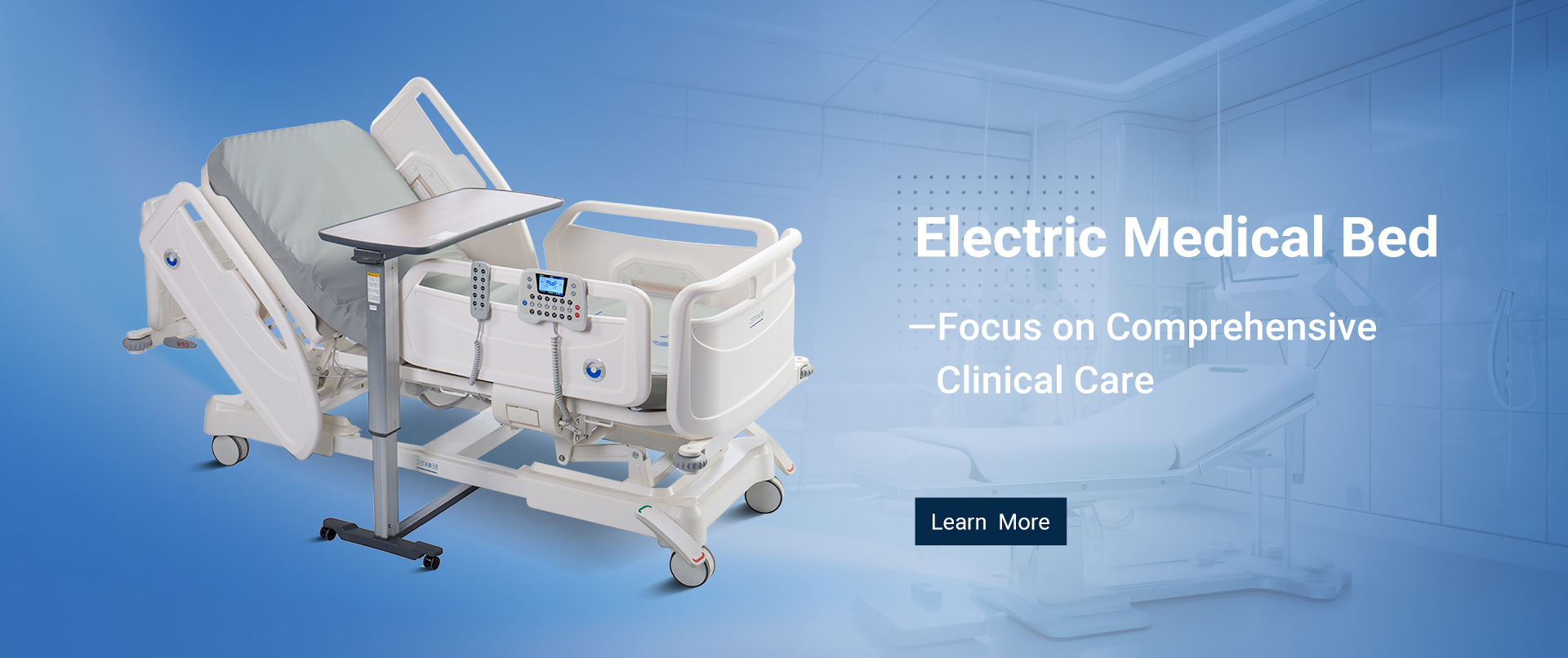
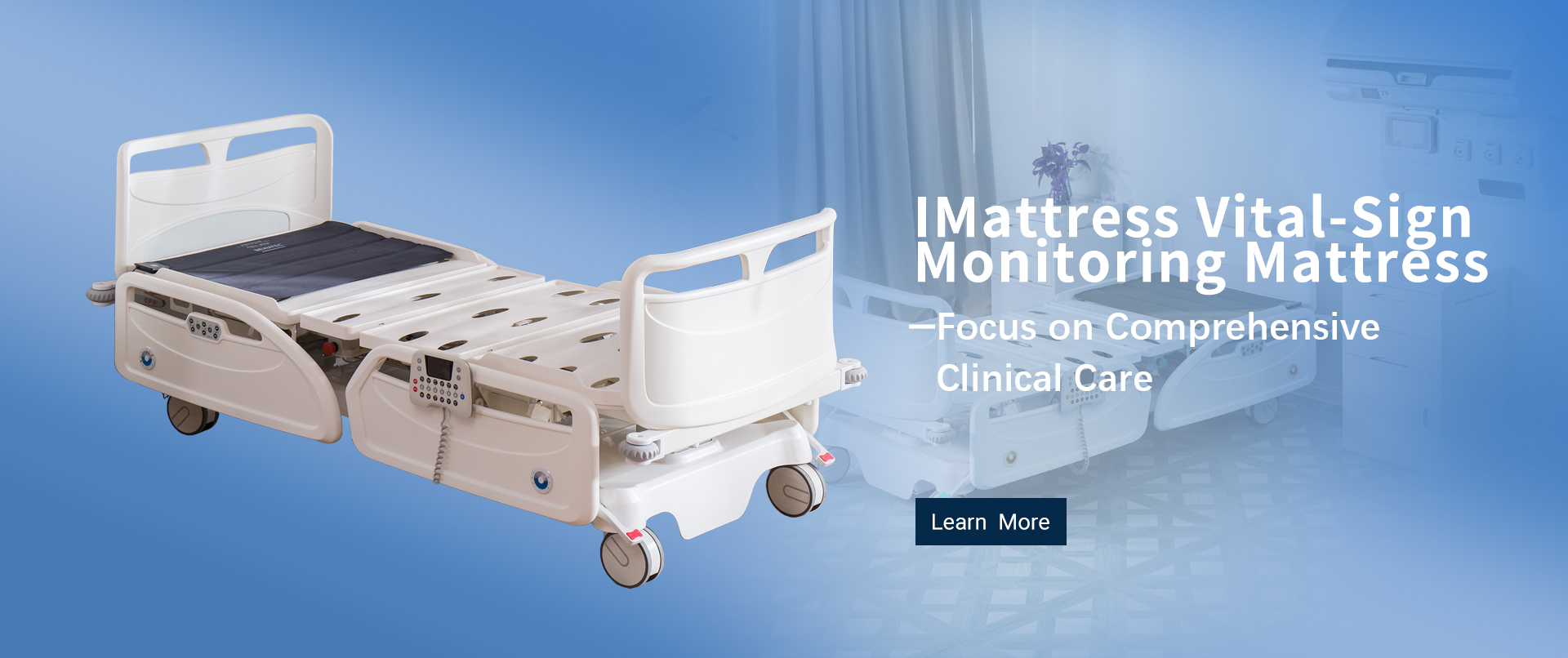
Understanding the technical parameters of three-function electric beds is crucial for both healthcare providers and patients. These beds are designed to optimize comfort and functionality, particularly in medical settings where patient mobility and care play significant roles. The comprehensive dimensions of a typical three-function electric bed are crucial for ensuring that it fits within a designated space while providing adequate support and comfort. For instance, the whole bed measures approximately 2190mm in length, 1020mm in width, and has an adjustable height ranging from 350mm to 650mm, with a permissible deviation of ±20mm. This range of height adjustment is particularly beneficial for caregivers, allowing them to assist patients at suitable working heights to prevent strain and enhance safety.
Moreover, the bed size itself, at 1950mm in length and 850mm in width (±20mm), is designed to accommodate a variety of patient needs while ensuring proper fit within standard hospital room dimensions. According to industry reports, an increasing number of hospitals are recognizing the importance of adjustable beds not just for patient care but for recovery processes as well. They allow for better positioning to alleviate pressure ulcers and enhance respiratory function. As the demand for such beds grows, understanding these specifications helps in making informed decisions regarding purchasing and deploying electric beds to enhance patient care effectively. Such technical insights are essential for hospitals aiming to improve their service quality and patient satisfaction levels.

FAQS
: It enhances patient care and ensures caregiver safety.
Key items include mobility aids, lifting devices, and personal protective equipment.
They improve patient independence and mobility, enhancing their quality of life.
Many overlook the need for proper training, leading to improper use and injury.
High-quality, durable items last longer and are safer to use, preventing potential accidents.
Testing features ensures they choose reliable items that meet their needs effectively.
It may lead to safety risks and increased frustration with frequent equipment failures.
They can consider previous frustrations due to low durability, shaping smarter future choices.
This reactive approach can increase safety risks and stress for both caregivers and patients.
It's essential for effective caregiving and is not just a luxury item.
Conclusion
Choosing the right nursing equipment is crucial for caregivers to provide effective care. Understanding the basics of nursing equipment helps caregivers identify specific needs related to their roles. Assessing various types of available equipment allows caregivers to evaluate features that align with their responsibilities, alongside considering quality and durability for long-term use.
Budget constraints also play a significant role; caregivers must seek cost-effective solutions while ensuring the equipment meets essential standards. Researching product reviews and recommendations can guide caregivers in making informed decisions. Lastly, knowing reliable sources for purchasing nursing equipment aids in streamlined acquisition, ensuring caregivers have the necessary tools to perform their duties efficiently.
Related Posts
-

Unlocking the Essentials: A Comprehensive Guide to Modern Nursing Equipment for Healthcare Professionals
-

Top 10 Essential Tips for Choosing Hospital Equipment You Need to Know
-

Top 10 Must Have Nursing Equipment for Every Healthcare Professional
-

Why is Nursing Equipment Essential for Quality Patient Care?
-

Choosing the Right Manufacturer for Best Patient Comfort with a Comparative Analysis
-
Understanding the Different Types of Hospital Medical Equipment


