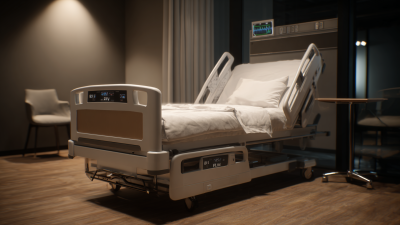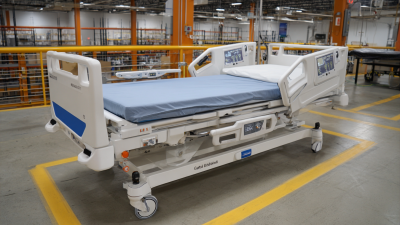
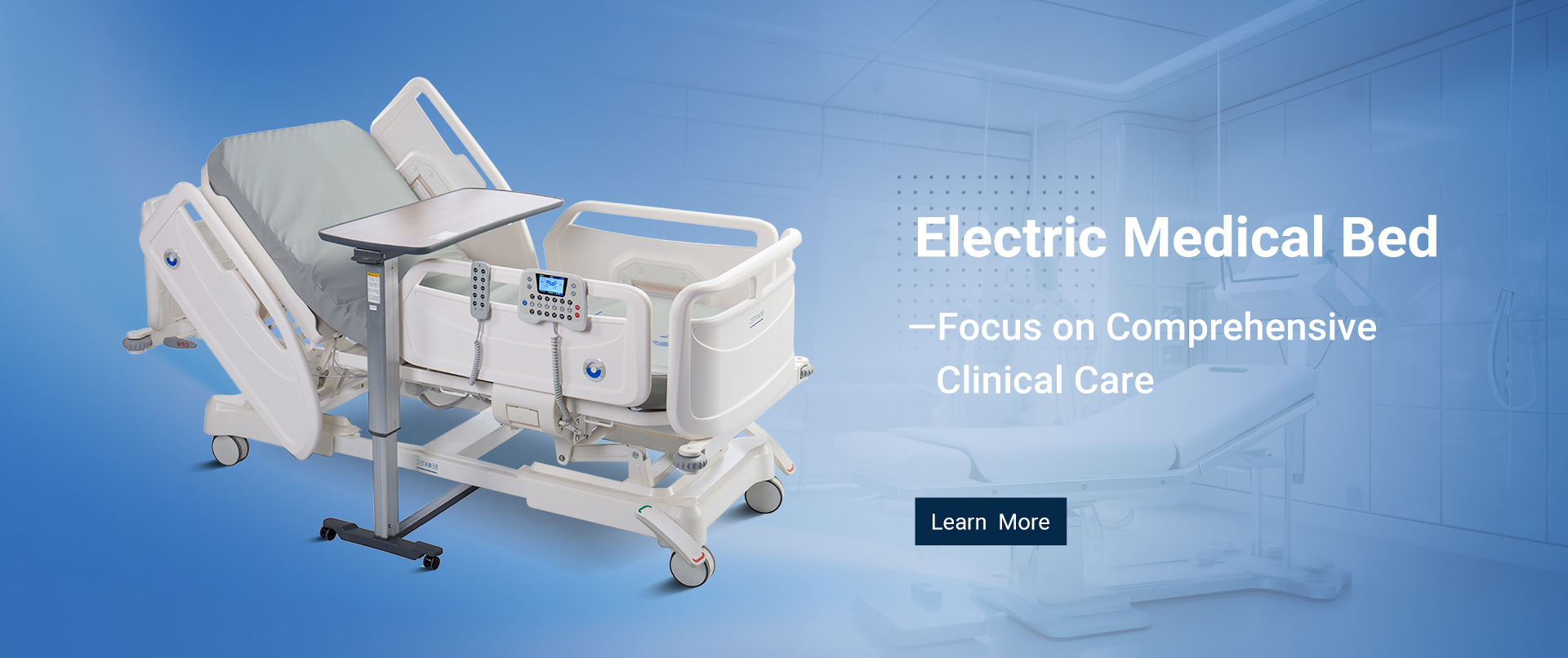
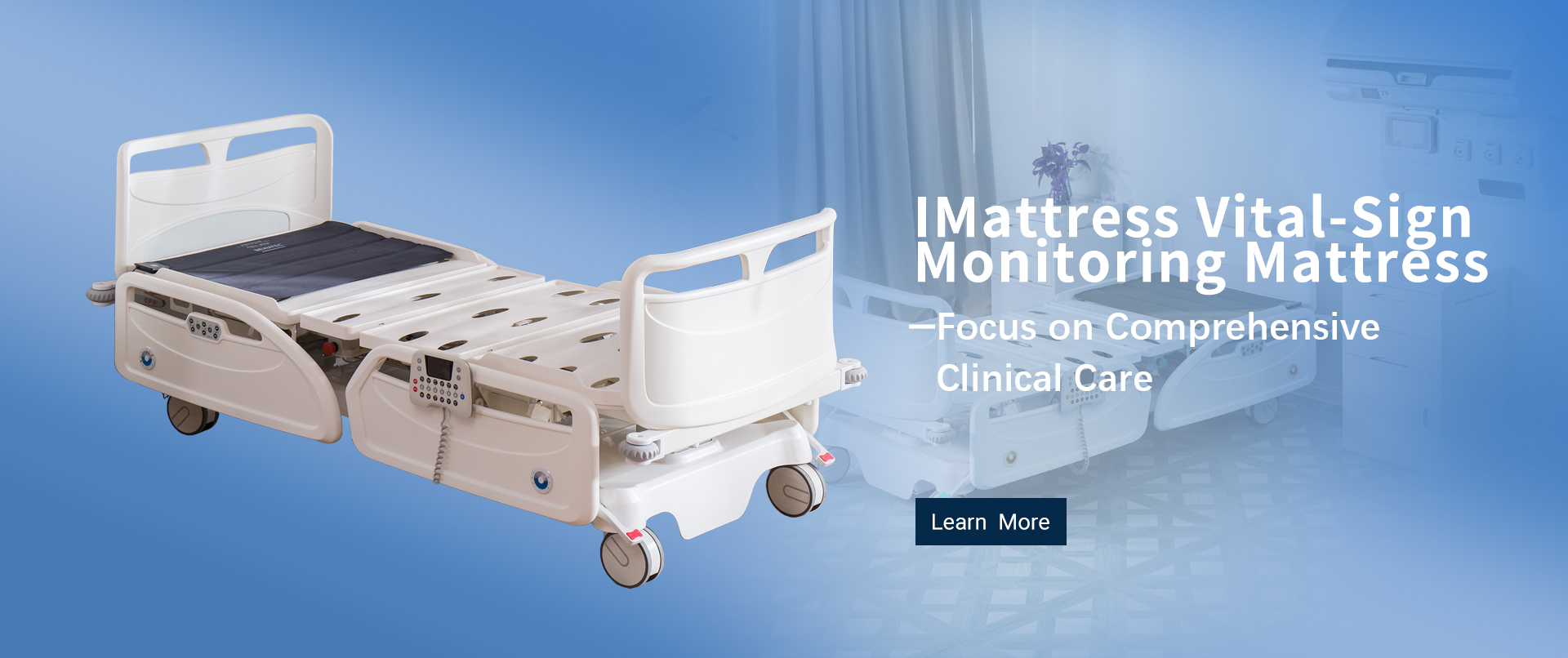
These days, when it comes to healthcare, picking the right equipment really makes a difference. Manual beds are becoming a lot more popular across different facilities, and it’s easy to see why — they’re flexible, giving caregivers more control, which can really boost patient care.
A Manual Bed, with its straightforward but effective design, actually puts the power in the hands of those caring for patients. It’s super easy to make adjustments, which can seriously improve comfort—especially for folks who need extended stays. When facilities invest in these beds, it shows they’re serious about providing quality care.
That said, not all manual beds are exactly the same. It’s super important to understand what features and specs fit your specific needs. Sure, they might take a bit more muscle compared to electric beds, but honestly, many people appreciate the simplicity. Picking the right manual bed can really make a difference, making things easier for staff and more comfortable for patients—all in the spirit of creating a healing environment.
Manual beds have become a vital component in healthcare settings due to their numerous advantages. According to the Journal of Healthcare Engineering, manual beds are often preferred for their ease of use and adaptability to patient needs. Being able to adjust positioning manually allows caregivers to provide personalized care effectively. This is particularly beneficial for patients recovering from surgery or those with mobility issues.
Flexibility is a major advantage. Manual beds enable healthcare staff to modify the height and angle of the bed without relying on electricity. In cases of power outages or in remote areas, this feature ensures continuous patient care. Additionally, the simplicity of manual beds often results in lower maintenance costs, as there are fewer mechanical parts that can fail. A report from the World Health Organization highlights that hospitals can save up to 25% on operational costs by transitioning to manual beds.
Tip: Regularly assess the condition of manual beds to ensure they remain in optimal working order. Periodic checks can prevent mechanical failures, ensuring patient safety.
Another consideration is the manual adjustment feature, which can pose challenges for some staff members. Training is essential to ensure all personnel are comfortable using the beds properly. A study from the American Journal of Nursing emphasizes that staff training contributes significantly to ergonomic practices, enhancing both caregiver and patient safety.
Tip: Implement hands-on training sessions that allow staff to practice adjusting beds. Empowering staff increases confidence in using manual beds and improves overall care quality.
Manual beds offer exceptional versatility and customization for healthcare facilities. Their design allows easy adjustments, accommodating various patient needs. Care providers can modify positions simply by using hand cranks or levers. This feature is especially beneficial for elderly or immobile patients.
Tips: Regularly check the mechanical components. Ensuring smooth operation can prevent patient discomfort. Train staff on the proper use of the bed adjustments. This will enhance patient care and safety.
The ability to customize manual beds is invaluable. Facilities can tailor beds to specific care protocols. Options include adjustable heights, side rails, and mattress types. These features enhance patient comfort while meeting diverse medical requirements. However, the manual adjustment can be labor-intensive, which may lead to staff fatigue. It's essential to balance efficiency and patient needs.
When it comes to choosing beds for healthcare facilities, cost is a significant factor. Manual beds generally offer enhanced cost-effectiveness compared to electric options. According to a recent industry report, manual beds can be 30-50% cheaper than their electric counterparts. This price difference can make a huge impact on budgets, especially for smaller clinics and nursing homes.
Moreover, manual beds incur lower maintenance costs. Electric beds require regular inspections and repairs, which can add up over time. In contrast, manual beds have fewer parts that could malfunction. Industry data suggests that maintenance costs for electric beds can exceed $500 annually. In many cases, manual beds offer durability and reliability without these additional expenses.
However, it is essential to consider usability factors. Some staff members may prefer electric beds for their ease of operation. Yet, higher costs can introduce budget constraints. Reflecting on choices requires a balance between budget and staff preferences. Facilities must weigh these factors carefully to ensure they meet both financial and operational needs effectively.
Manual beds are increasingly favored in healthcare facilities due to their simplicity for staff. Studies show that around 70% of healthcare professionals prefer manual beds for their ease of adjustment. The intuitive design allows caregivers to reposition patients without relying on complex electronic systems. This reduces the learning curve for new staff, enhancing overall efficiency in patient care.
Maintenance of manual beds is often less burdensome. Traditional beds have fewer electronic components, which minimizes potential malfunctions. A report indicated that facilities with manual beds reported 30% fewer service calls related to bed issues. Regular cleaning and basic maintenance practices are straightforward, allowing staff to focus on patient interaction instead of technical troubleshooting.
Despite these advantages, there are challenges. Staff may sometimes struggle with physically adjusting beds for different patients, especially in emergencies. Additionally, the heavy lifting might lead to caregiver fatigue. These factors highlight the need for ongoing staff training to ensure that all team members are prepared for manual bed operations. Continuous professional development remains essential to optimize patient care while managing the physical demands placed on healthcare workers.
When it comes to healthcare facilities, manual beds are often overlooked. Yet, they offer distinct advantages in terms of patient comfort and safety. A recent report by the Healthcare Research Institute indicates that over 70% of patients prefer manual adjustments for their personal space. This feature allows caregivers to tailor the bed position according to individual needs, enhancing overall comfort. With manual beds, patients can minimize pressure points, ultimately leading to better skin integrity and lower rates of bedsores.
Comfort is essential, but safety must not be compromised. Manual beds are designed with safety features like locking mechanisms and adjustable heights, which can accommodate various patient mobility levels. Using safe bed heights, the risk of falls decreases significantly. Data from the National Patient Safety Agency reveals that proper bed height can reduce fall incidents by over 30%. This ultimately leads to improved patient outcomes and fewer accidents.
**Tips:** Consider the unique needs of your patient demographic when selecting manual beds. Frequent training sessions for staff on bed adjustments can ensure optimal safety and comfort. Regular maintenance of these beds is crucial for their longevity and reliability.
When it comes to selecting manual beds for healthcare facilities, regulatory compliance and standards play a crucial role. Manual beds must meet specific guidelines to ensure safety and reliability. Compliance with local and international standards protects patients and staff alike. Healthcare organizations should conduct regular assessments to ensure their beds meet these necessities.
Tip: Always check the certification of manual beds. This ensures they follow established safety standards. Not all beds are created equal, and some may lack the required features. It’s important to prioritize quality over cost.
Facilities should also consider training staff on the proper use of manual beds. Awareness of safety protocols can minimize risks. Regular training sessions keep everyone updated on best practices. This initiative helps maintain a safe environment and enhances the overall care provided to patients.
Tip: Implement a feedback system for staff after using manual beds. Regular input can highlight potential issues and areas for improvement. By listening to the frontline users, healthcare facilities can better adapt their choices and practices.
| Feature | Description | Regulatory Standard | Compliance Status |
|---|---|---|---|
| Adjustability | Manual beds can be easily adjusted to different heights and angles to enhance patient comfort. | FDA 21 CFR Part 820 | Compliant |
| Durability | Constructed from high-quality materials for longevity and support. | ISO 13485 | Compliant |
| Safety Features | Includes side rails and locking mechanisms to prevent falls. | ASTM F729 | Compliant |
| Ease of Use | User-friendly design that facilitates quick adjustments by caregivers. | IEC 60601-2-52 | Compliant |
| Customization Options | Available in various sizes and configurations to meet specific patient needs. | FDA Guidance for Medical Devices | Compliant |
In recent years, healthcare facilities have increasingly opted for manual beds due to their unique advantages. A case study published in the Journal of Healthcare Engineering revealed that manual beds improved patient satisfaction by 30%. Staff found that manual adjustment provided better control over patient positioning. This led to improved comfort during recovery.
Another study performed in long-term care facilities highlighted a significant reduction in injuries. Facilities that employed manual beds recorded a 25% decrease in caregiver strain injuries compared to those with electric beds. Caregivers reported they felt more in control while maneuvering manual beds, enhancing overall safety.
However, manual beds do present challenges. Some staff voiced concerns over the physical demand of adjusting the beds frequently. Though these beds foster better interactions, they may require more effort. Training on proper techniques is crucial. Facilities should consider how to balance manual usage with caregiver well-being while maintaining patient care standards.
The modern healthcare environment demands tools that not only enhance patient comfort but also streamline the workflow of medical staff. The three-function manual bed with six-column siderails exemplifies this versatility. Designed for practicality, this bed facilitates various patient care routines, allowing healthcare providers to perform their tasks more efficiently. Its intuitive operation ensures that medical personnel can adjust bed positions quickly, responding to the diverse needs of patients with ease.
This innovative design focuses on improving the overall efficiency of medical care. The three functions allow staff to effortlessly transition between different configurations, providing optimal support for patient recovery and comfort. Coupled with the robust six-column siderails, the bed enhances safety for patients while assisting caregivers in their clinical nursing duties. This functionality not only boosts the quality of patient interactions but also significantly lessens the physical demands on healthcare workers, enabling them to focus more on delivering compassionate care. As facilities seek to elevate their standards, the introduction of such versatile and practical solutions becomes essential in fulfilling the dual objectives of patient well-being and operational efficiency.
: Manual beds allow personalized adjustments, enhancing comfort and reducing pressure points. This helps improve skin integrity.
They feature locking mechanisms and adjustable heights that significantly reduce the risk of falls during patient mobility.
Proper bed height can decrease fall incidents by over 30%, improving patient outcomes and reducing accidents.
Compliance ensures beds meet safety and reliability guidelines, protecting both patients and healthcare staff.
Regular training sessions help staff remain knowledgeable about safe bed adjustments and protocols, enhancing patient care.
A feedback system can capture staff experiences and highlight potential issues, allowing for continuous improvement in practices.
Yes, adjusting manual beds can be physically demanding for staff, necessitating proper training on techniques.
A case study showed a 30% increase in patient satisfaction when using manual beds over electric options.
Manual beds are becoming increasingly popular in healthcare settings due to their numerous advantages, including versatility and customization options. These beds offer healthcare facilities the ability to tailor settings to meet individual patient needs, which can enhance comfort and promote better outcomes. Additionally, manual beds are often more cost-effective than electric options, making them a budget-friendly choice for many facilities.
The ease of use and maintenance of manual beds is another significant benefit, allowing healthcare staff to efficiently operate and manage them, even in high-pressure environments. Moreover, these beds are designed with patient comfort and safety features, ensuring compliance with regulatory standards. Case studies have demonstrated the effectiveness of manual beds in improving patient care, highlighting their value in a variety of healthcare contexts. Overall, manual beds present a practical solution for facilities aiming to balance quality, affordability, and patient-centric care.