In the ever-changing world of healthcare, picking the right nursing equipment is absolutely key to providing the best possible care for patients. I mean, did you know that, according to the World Health Organization, around 80% of safety incidents in hospitals are linked to equipment problems? That really drives home how important it is to choose top-quality, dependable gear that meets industry standards and genuinely helps improve patient outcomes.
When we talk about nursing equipment, we're not just referring to one or two things — it’s a whole lineup of tools like diagnostic devices, monitoring systems, and therapeutic aids. The NIH highlights how crucial it is to use the right equipment because it doesn’t just make everything run smoothly; it also helps reduce the chances of complications during treatment. Plus, going with evidence-based choices in what equipment to use can actually boost patient satisfaction. Recent research from the Institute for Healthcare Improvement even points out a direct link between good quality nursing tools and better care experiences.
So, in a nutshell, choosing the right nursing equipment isn’t just about logistics — it’s a core part of delivering high-quality healthcare. When healthcare professionals understand how their equipment choices affect patient safety and overall care, they can make smarter, more informed decisions. And that means better health outcomes for patients and a more efficient healthcare system all around.
In the realm of healthcare, nursing equipment plays a pivotal role in ensuring optimal patient care. The right tools can significantly enhance the quality of service nurses provide, ultimately leading to better patient outcomes. Properly selected equipment not only streamlines care processes but also fosters an environment of safety and efficiency.
From monitoring vital signs to administering medication, high-quality nursing equipment is essential for delivering comprehensive care.
When choosing nursing equipment, consider the specific needs of your patient population. It's vital to evaluate various factors, such as the type of procedures performed and the frequency of equipment use. One tip for selecting the right tools is to prioritize versatility and ease of use. Equipment that can serve multiple functions or adapt to various patient needs can save time and resources in a fast-paced healthcare setting.
Additionally, staying updated with technological advancements can influence your equipment choices. New innovations frequently enhance operational effectiveness and patient safety. Conducting regular reviews of available equipment and collaborating with fellow healthcare professionals can provide insight into the most effective and reliable tools. This not only empowers nurses but also ensures that patients receive the highest quality care tailored to their specific needs.
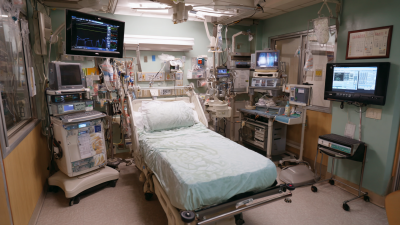
When selecting essential nursing equipment for various medical settings, it's crucial to understand the specific needs of each environment. In hospitals, for instance, equipment like electronic vital signs monitors and infusion pumps are vital for acute care units, ensuring timely and precise patient monitoring. In contrast, outpatient clinics may prioritize portable equipment, such as handheld otoscopes and basic diagnostic tools, allowing for efficient exams in a compact setting.
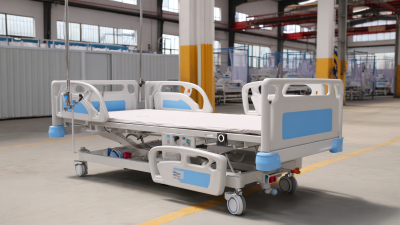
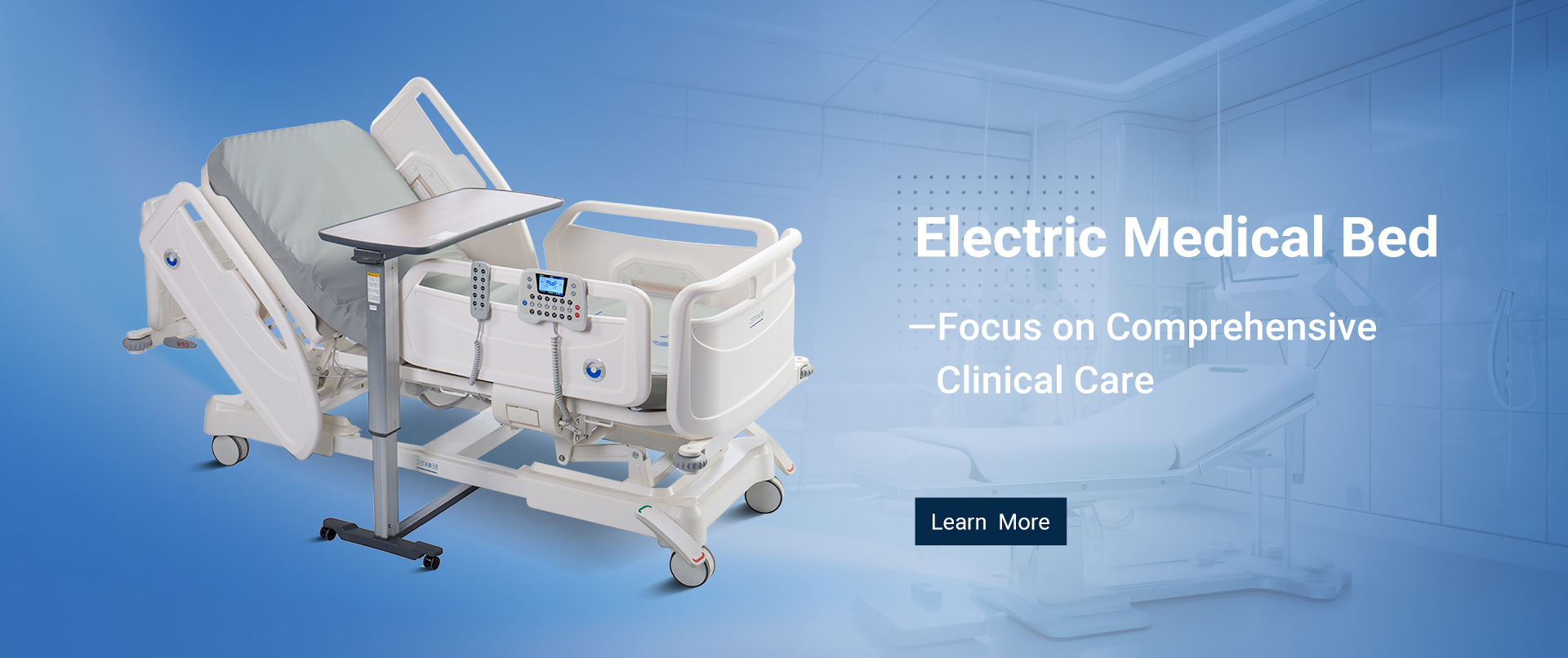
Nursing homes and long-term care facilities require different types of equipment focused on comfort and mobility. Here, items such as lift chairs and wheelchairs become central to enhancing patient mobility and providing care with dignity. Additionally, having proper bedside equipment, like adjustable beds and supportive cushions, can significantly improve the quality of life for residents. Understanding these environmental nuances is key to optimizing patient care through the right selection of nursing equipment.
When selecting nursing equipment, the quality and durability of the tools play a crucial role in ensuring optimal patient care. High-quality tools not only enhance accuracy in clinical tasks but also improve the overall efficiency of healthcare delivery. It's essential to investigate the materials used in the construction of nursing equipment, as well as any certifications or standards they meet. Products made from sturdy, easy-to-clean materials are preferable, as they can withstand frequent use and are less likely to harbor harmful pathogens.
**Tips for Evaluating Quality:**
1. Review product specifications and histograms to ensure they align with necessary safety and performance standards.
2. Seek feedback from colleagues and read reviews from healthcare professionals to gauge real-world usability and performance.
Durability is equally important as nursing equipment faces rigorous daily demands. Tools that fail under stress can compromise patient care and increase costs due to replacements. It’s wise to consider equipment with warranties or guarantees that reflect the manufacturer's confidence in their product's longevity. Observing how equipment performs during actual clinical scenarios can very well inform choices that will benefit both nursing staff and patients alike.
**Tips for Ensuring Durability:**
1. Look for equipment designed with reinforced components that minimize wear and tear.
2. Regularly maintain and check tools to prolong their lifespan and ensure optimal functioning.
When selecting nursing equipment, understanding the specific needs of patients plays a crucial role in ensuring optimal care. According to the American Nurses Association, tailored equipment selection can significantly enhance patient outcomes, particularly in acute care settings where individual requirements can vary widely. For instance, proper mobility aids, such as walkers or wheelchairs, must be assessed based on patients’ physical capabilities and recovery goals. A recent study published in the Journal of Nursing Administration found that using patient-centered assessments resulted in a 20% decrease in complications and improved satisfaction scores among patients.
Moreover, incorporating technology into equipment choices can further elevate patient care standards. The Healthcare Information and Management Systems Society emphasizes that integrating patient-specific data with technology, like smart monitors or personalized infusion pumps, helps nurses better manage individual health conditions. Such tailored approaches not only enhance safety but also allow for more responsive adjustments to treatment. Data from the National Institute of Health indicates that personalized equipment can lead to a 30% reduction in medication errors, showcasing the potential benefits of carefully considering patient-specific needs when making equipment decisions.
When selecting nursing equipment, the principles of ergonomics and usability play crucial roles in ensuring optimal patient care. According to a 2021 report from the American Journal of Nursing, ergonomic design reduces the risk of injury for healthcare professionals, thus maintaining a healthier workforce. Statistics indicate that over 50% of nurses report experiencing musculoskeletal injuries due to poor equipment design. Therefore, investing in ergonomically designed tools can significantly lower injury rates and enhance job satisfaction among nursing staff, leading to improved patient outcomes.
Usability is another significant factor in the selection of nursing equipment. A study published by the Journal of Clinical Nursing in 2020 found that equipment that is intuitive and easy to use minimizes the time required for training and decreases the chances of user error. For example, devices that can be operated with one hand allow nurses to multitask efficiently, thus ensuring a smoother workflow. Additionally, user-friendly interfaces are essential; healthcare professionals can provide higher quality care when equipment aligns with their working habits, allowing them to focus more on patient interaction and less on operational issues. As the healthcare industry continues to evolve, prioritizing ergonomics and usability in the choice of nursing equipment will remain vital for delivering exceptional patient care.
When budgeting for nursing equipment, it is essential to balance cost-efficiency with the quality of the products being purchased. The first step in this process is to assess the specific needs of the nursing staff and patients. Thorough evaluations help determine which equipment is crucial for providing optimal patient care. Setting a realistic budget based on these assessments enables healthcare facilities to prioritize essential tools while avoiding unnecessary expenses.
Exploring bulk purchasing options or collaborating with vendors can also lead to significant savings without sacrificing quality. Many suppliers offer discounts for larger orders or for long-term contracts, allowing facilities to acquire high-quality equipment at a lower cost. Additionally, considering refurbished or gently used equipment can be a viable option, as long as it meets safety and performance standards. Overall, careful planning and strategic purchasing decisions can ensure that nursing staff are equipped with the necessary tools to provide excellent care, while also adhering to budgetary constraints.
In the ever-evolving field of nursing, staying updated on technological advances in nursing equipment is crucial for providing optimal patient care. Modern healthcare relies heavily on innovative tools and devices that enhance efficiency, accuracy, and patient outcomes. From digital monitoring systems to advanced diagnostic tools, integrating the latest technology can significantly improve nursing practices. Nurses must actively engage in continuous education and professional development to remain informed about emerging technologies and their applications in clinical settings.
Regularly attending workshops, webinars, and conferences can provide invaluable insights into the latest advancements in nursing equipment. Collaborating with colleagues and participating in professional networks can also foster discussions about recent innovations and best practices. Additionally, utilizing online resources and publications dedicated to nursing technology can help nurses keep abreast of new developments. By embracing these educational opportunities, healthcare professionals can ensure they are well-equipped to utilize cutting-edge tools that enhance patient safety and care quality.
| Equipment Type | Purpose | Key Features | Technological Advances |
|---|---|---|---|
| Patient Monitors | To track vital signs in real-time | Touchscreen interface, wireless connectivity | Integration with mobile devices and cloud storage |
| Infusion Pumps | Administer fluids and medications | Programmable settings, safety alarms | Smart pump technology and data tracking |
| Suction Devices | Clear airways for patients | Portability, adjustable suction pressure | Battery-operated options and digital controls |
| Defibrillators | Restore normal heart rhythm | Automated analysis, easy-to-use interface | Enhanced algorithms and remote monitoring features |
| Wheelchairs | Assist patient mobility | Adjustable seating, lightweight materials | Electric options and customizable features |
When it comes to enhancing patient well-being in healthcare settings, the selection of IV drip stands plays a crucial role in ensuring both safety and comfort. An ideal IV drip stand should not only be functional but also easy to operate. Simple installation processes contribute significantly to the efficiency of healthcare professionals, allowing them to focus more on patient care. A well-designed stand minimizes setup time, enabling quick transitions for patients who require intravenous therapy.
Moreover, ease of use is paramount in any medical environment. An intuitive design ensures that caregivers can adjust the height and positioning of the IV drip with minimal effort, promoting a comfortable experience for patients. The convenience of maneuvering these stands allows for flexible patient placement and care, ultimately leading to more personalized treatment. By focusing on comfort and accessibility, healthcare facilities can create an environment that significantly enhances patient satisfaction and overall well-being.
: Nursing equipment is crucial because it enhances the quality of service provided by nurses, leading to better patient outcomes. Proper equipment streamlines care processes and fosters an environment of safety and efficiency.
When selecting nursing equipment, it's essential to evaluate the specific needs of the patient population, the types of procedures performed, and the frequency of equipment use. Prioritizing versatility and ease of use is also recommended.
Staying updated with technological advancements can enhance operational effectiveness and patient safety. New innovations can improve the quality of care, making it important for healthcare professionals to regularly review available equipment.
In acute care units, essential equipment includes electronic vital signs monitors and infusion pumps, which are vital for timely and precise patient monitoring.
Outpatient clinics often prioritize portable equipment, such as handheld otoscopes and basic diagnostic tools, allowing for efficient examinations in compact settings.
In nursing homes, essential equipment focuses on comfort and mobility, including lift chairs, wheelchairs, adjustable beds, and supportive cushions to improve the quality of life for residents.
Understanding patient-specific needs is crucial for optimal care, as tailored equipment selection can significantly enhance patient outcomes and reduce complications, especially in acute care.
Incorporating technology into equipment choices allows for better management of individual health conditions by integrating patient-specific data, which enhances safety and allows for more responsive treatment adjustments.
Personalized equipment can lead to a reduction in medication errors and improved patient satisfaction, showcasing the importance of carefully considering individual patient needs in equipment decisions.
Choosing the right nursing equipment is crucial for delivering optimal patient care. Understanding the significance of quality tools in various medical settings allows healthcare professionals to identify essential items that meet specific patient needs. Evaluating the durability and usability of nursing equipment ensures that practitioners can perform their duties efficiently while minimizing fatigue and injury. Additionally, considering budget constraints is vital, yet it should not compromise the quality of equipment needed for effective care.
As nursing practices evolve, staying updated on technological advances in nursing equipment can enhance patient outcomes and improve workflow. By considering ergonomics, usability, and patient-specific requirements, healthcare providers can make informed decisions that support both their own well-being and that of their patients. Overall, a strategic approach to selecting nursing equipment leads to enhanced care and satisfaction for all stakeholders involved.