0%

Picking the right hospital bed really makes a difference when it comes to how comfortable a patient feels and how they recover. I’ve read somewhere—actually, a report from the Global Hospital Bed Market—that says the demand for fancy, modern hospital beds is expected to go up by about 6% each year. That makes sense, given how much more healthcare providers are focusing on patient comfort these days. Dr. Sarah Johnson, who’s pretty much an expert in hospital equipment, once mentioned, "Having the right hospital bed can totally change a patient’s healing space for the better." 

Getting to know what different hospital beds have to offer is super important. You’ve got options ranging from simple manual beds to more high-tech electric ones, with features like adjustable height and safety rails. Honestly, with so many choices out there, it’s easy to feel a bit overwhelmed. And choosing the wrong one could mess with not just how comfortable you are, but also how well you recover.

It’s really about balancing your personal needs and physical conditions. Sure, some beds come loaded with all sorts of bells and whistles, but you probably don’t need all of that. Sometimes, a simpler bed that just gets the job done works better and makes things less complicated. Doing a bit of homework, talking to the pros, and really thinking about what’s necessary can help you pick the best bed for you. At the end of the day, it’s all about finding what fits your situation best—nothing more, nothing less.

How to Choose the Best Hospital Bed for Your Needs?

Understanding the Different Types of Hospital Beds Available

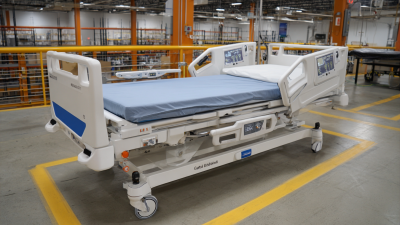
Choosing the right hospital bed involves understanding the options available. There are three main types: manual, semi-electric, and full-electric beds. Each type serves different needs based on patient mobility, comfort, and care requirements. According to the American Hospital Association, patients using electric beds reported a 25% increase in comfort over manual alternatives.

Manual beds require caregivers to adjust the height and position. They are cost-effective but may not meet the needs of patients requiring frequent adjustments. Semi-electric beds combine manual adjustments with electric controls for ease of use. They provide flexibility, making them suitable for intermediate care settings.

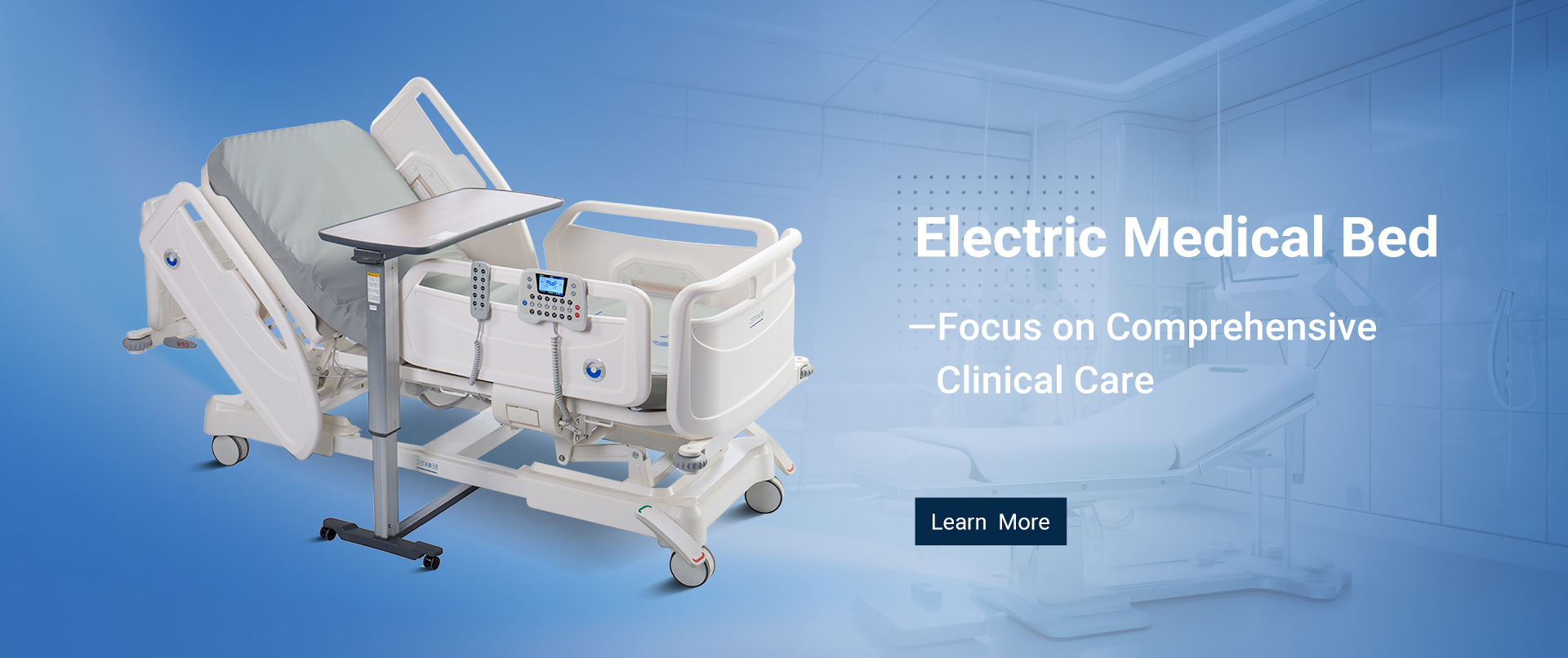
Full-electric beds offer the highest level of convenience. They allow patients to control their position with a remote. This feature can enhance independence for patients, reducing caregiver strain. When choosing a bed, consider the patient's specific needs and mobility.

Tips: Prioritize patient comfort and adjustability when choosing a bed. Look for beds with sturdy frames and easy-to-clean surfaces. Regular maintenance is essential for safety and longevity. Not all beds fit all needs, so assess the patient's condition before purchasing.

Evaluating Your Medical and Comfort Needs

How to Choose the Best Hospital Bed for Your Needs?

When evaluating your medical and comfort needs for a hospital bed, consider your specific health conditions. Chronic pain, mobility issues, or recovery from surgery all require different features. For instance, adjustable height and headboards can significantly assist those who have trouble standing or sitting up. Look for beds that provide sturdy support and can be easily maneuvered. Always prioritize your safety and comfort.

Pay attention to mattress options, as they impact your overall experience. Memory foam and gel-infused mattresses can alleviate pressure points. However, not all options are suitable for everyone. Some may find these materials too soft, which can lead to discomfort. Test various mattresses to determine what feels best for you.

Don’t overlook the importance of convenience features. Bedside controls and easy-to-reach functions make daily use more manageable. Reflect on your living situation as well. Is there enough space for the bed to adjust fully? Are caregivers able to assist you effectively? Taking the time to assess your needs will lead to better choices.

Key Features to Look for in a Hospital Bed

Choosing the right hospital bed can significantly impact comfort and recovery. When assessing options, consider key features that cater to individual needs. Adjustable height is essential for both patients and caregivers. A bed that can raise or lower makes it easier for patients to get in and out of bed. According to a 2021 healthcare report, beds with adjustable height reduce strain on caregivers by 30%.

Another crucial feature is weight capacity. Beds that can accommodate up to 500 pounds are becoming standard. Many hospitals report that this capacity increases patient satisfaction, as patients feel safer using these beds. Side rails are also important. High-quality side rails can prevent falls and provide support when repositioning. A study highlighted that effective side rails can reduce fall incidents by 42% in clinical settings.

It's important to prioritize ease of use. Some beds come with simplified controls for both patients and caregivers. However, keep in mind that not all models are intuitive. A bed that looks advanced might not be user-friendly. Ensure to test controls before purchase. Consider also storage options for medical supplies, as adequate storage can help maintain a tidy environment.

Assessing Space and Mobility Requirements for Bed Placement

How to Choose the Best Hospital Bed for Your Needs?

When choosing the best hospital bed, assessing your space and mobility requirements is crucial. The size of the room impacts which bed styles are suitable for you. Consider the dimensions of the area. Measure the space where the bed will go. Ensure there is enough room for movement around the bed, particularly if you're using mobility aids.

Tips: Prioritize beds that allow easy access. Look for models with adjustable features. This can enhance comfort and usability. Check door widths too. Some beds can be quite wide, and may not fit through doorways easily.

Think about your mobility needs. Can you transfer safely to and from the bed? Will you be using a wheelchair or walker? Ensuring ample space for these movements is essential. The layout of the room should enable caregivers to assist without obstruction.

Tips: Always maintain a clear path to the bed. If possible, rearrange furniture to accommodate the bed. This promotes safety and accessibility in daily activities. Consider using bed rails for added security when getting in or out of bed.

Comparing Pricing and Insurance Options for Hospital Beds

When choosing a hospital bed, pricing and insurance often come into play. Beds can range significantly in cost, from a few hundred to several thousand dollars. It's essential to assess your budget and explore options that fit within it. Simple models may suffice, while advanced features increase the price. These features include adjustable components and specialized mattresses.

Insurance coverage is another important factor. Many plans may cover hospital beds, but specifics vary widely. Review your policy or contact your provider to learn about coverage details. Some users find their insurance only partially reimburses costs. This discrepancy can lead to financial strain and stress. Consider using flexible spending accounts (FSAs) or health savings accounts (HSAs) to alleviate some costs.

Research local providers and their pricing structures. Online resources provide a wealth of information about average prices. Yet, prices may not reflect the quality of products or services. Seek recommendations from healthcare professionals or others who have navigated similar choices. Assess the total costs carefully, taking time to ensure you're making the best choice based on your circumstances.

Choosing Between Manual and Electric Hospital Beds

When selecting a hospital bed, the choice between manual and electric models is crucial. Manual beds are typically lighter and more cost-effective. They require physical effort for adjustments, which might not be ideal for everyone, especially those with limited mobility. According to healthcare reports, manual beds account for about 40% of hospital bed sales, mainly due to lower costs and simplicity.

On the other hand, electric hospital beds offer convenience and advanced features. These beds allow users to adjust their position with a simple push of a button. Data from healthcare studies indicate that 60% of patients find electric beds significantly enhance their comfort and recovery. However, they can be more expensive and may require regular maintenance.

It's essential to consider your specific needs. Evaluate how often the bed will need to be adjusted and who will be using it. If a patient needs frequent repositioning, an electric bed could be beneficial despite the higher upfront cost. Conversely, if budget constraints are significant, a manual bed may suffice, though this could limit comfort in the long run. Balancing these factors requires careful thought and planning.

How to Choose the Best Hospital Bed for Your Needs?

Feature Manual Beds Electric Beds
Adjustability Limited manual adjustments Multiple electric adjustments
Ease of Use Requires physical strength User-friendly with a remote control
Cost Generally lower cost Usually higher due to technology
Maintenance Minimal maintenance required May require electrical maintenance
Weight Capacity Varies Higher weight capacity options available

Consulting Healthcare Professionals for Recommendations

Choosing the right hospital bed requires careful consideration. Consulting healthcare professionals is vital. They bring expertise and experience to guide you through this process. A recent study by the American Hospital Association indicated that 85% of patients benefit from tailored recommendations regarding their hospital bed choices.

Healthcare professionals assess individual needs. They consider factors like physical comfort, mobility, and medical conditions. For example, patients with limited mobility often require adjustable beds for ease of access. According to the National Institute on Aging, incorrect bed selection can lead to increased complications and slower recovery rates. These insights are essential when making your decision.

During consultations, expect questions about your lifestyle and preferences. This dialogue will help clarify what features are necessary. A 2022 survey revealed that many patients are unaware of the different bed options available. Reflecting on this, seeking professional advice can ensure you make an informed choice. Remember, the right bed can significantly impact your recovery and overall health.

Innovative and Chic Bedside Tables for Hospital Rooms: Blending Functionality with Style

In the ever-evolving landscape of healthcare, creating a comforting and aesthetically pleasing environment in hospital rooms is becoming increasingly important. Innovative bedside tables are at the forefront of this transformation, expertly blending functionality with style to enhance the experience of patients and their families. These tables are designed not only to support essential medical needs but also to contribute to an inviting atmosphere that promotes healing.

Crafted from lightweight yet sturdy materials, these modern bedside tables effortlessly balance design and practicality. Their esthetically pleasant finishes come in a variety of colors and textures, allowing them to complement any hospital decor. With thoughtful features such as easy-to-clean surfaces and integrated storage solutions, these tables cater to both patient comfort and caregiver efficiency. Their adaptable nature ensures that they can fit seamlessly into various hospital layouts, making them an essential addition to patient care environments.

Moreover, the emphasis on design does not overshadow their functionality. Equipped with wheels for easy mobility and adjustable heights, these bedside tables can accommodate diverse patient needs. Whether used for holding essential medical devices, personal items, or simply as a decorative element, they represent a significant step forward in modern healthcare design. By prioritizing both form and function, innovative bedside tables enhance the overall patient experience, proving that health and style can coexist harmoniously in hospital settings.

FAQS

: What factors should I consider for my medical needs when choosing a hospital bed?

: Consider your health conditions, mobility issues, and recovery needs. Adjustable features may be beneficial.

How important are mattress options for comfort?

Mattress type matters greatly. Memory foam or gel-infused mattresses can help, but may not suit everyone.

What convenience features should I look for in a hospital bed?

Features like bedside controls and easy-to-reach functions enhance usability. Ensure controls are user-friendly.

Why is adjustable height important in a hospital bed?

Adjustable height helps patients get in and out of bed easily. It also reduces strain on caregivers.

What is the significance of weight capacity in a hospital bed?

A weight capacity of up to 500 pounds is standard. It enhances safety and satisfaction for users.

How do side rails contribute to safety?

Good side rails help prevent falls and support repositioning. They can reduce fall incidents by a significant percentage.

How can healthcare professionals assist in my bed selection?

They provide tailored recommendations based on your needs, ensuring you choose the right bed for recovery.

What common mistakes do patients make when selecting hospital beds?

Many overlook the importance of testing features. Not all beds are intuitive, leading to potential frustrations.

Should I reflect on my living situation when choosing a bed?

Yes, consider space for adjustment and caregiver access. This impacts overall comfort and ease of use.

Is it necessary to consult with healthcare professionals?

Absolutely, their expertise helps avoid complications and guides you toward the best options for your needs.

Conclusion

Choosing the best hospital bed requires an understanding of the different types available, as each serves unique medical and comfort needs. It’s essential to evaluate specific features such as adjustability, size, and ease of use. Assessing space and mobility requirements is crucial to ensure the bed fits appropriately within the home environment. Furthermore, considering pricing and insurance options can help in making an informed financial decision.

Users must decide between manual and electric hospital beds based on their personal preferences and care requirements. Consulting healthcare professionals can provide valuable insights and recommendations, ensuring that the chosen hospital bed meets both medical needs and enhances overall comfort for the user.

Liam

Liam

Liam is a dedicated marketing professional at Bewatec (Zhejiang) Medical Device Co., Ltd., where he leverages his extensive knowledge of innovative medical solutions to drive the company's vision of a digital transformation in healthcare. With a keen focus on smart medical care, Liam plays a......
Previous China Best Electric Bed Options for Global Buyers?