
0%

Picking out the right hospital bed really matters when it comes to patient comfort and recovery — you know, it can make a pretty big difference. I’ve seen reports that nearly 60% of patients actually see better outcomes with beds that can be adjusted. Honestly, a good hospital bed isn't just about convenience; it can really impact someone’s overall quality of life, so it's worth thinking about what each person needs. Things like mobility, support, and safety features are super important in making the right choice.

Adjustable beds are pretty much designed to boost comfort — they let folks sit up for meals or just lie flat and get some rest. That said, not every bed is perfect for every situation. For example, older folks might need beds with extra safety stuff like rails or fall prevention features, while others might need something that’s easier to move around in. So, it’s really crucial to consider what the specific needs are before you go out and buy one.

The market is definitely picking up — more and more people are needing hospital beds, thanks largely to an aging population and a rise in home healthcare. Companies like Invacare and Hillrom are offering loads of options, which is great, but at the same time, choosing the right bed isn’t exactly straightforward. You shouldn’t just go for the cheapest option; comfort and the features you really need should be the top priority. Taking all these things into account can help you make a better choice and, ultimately, improve the level of care someone receives.

How to Choose the Right Hospital Bed for Your Needs?

Understanding Different Types of Hospital Beds Available Today

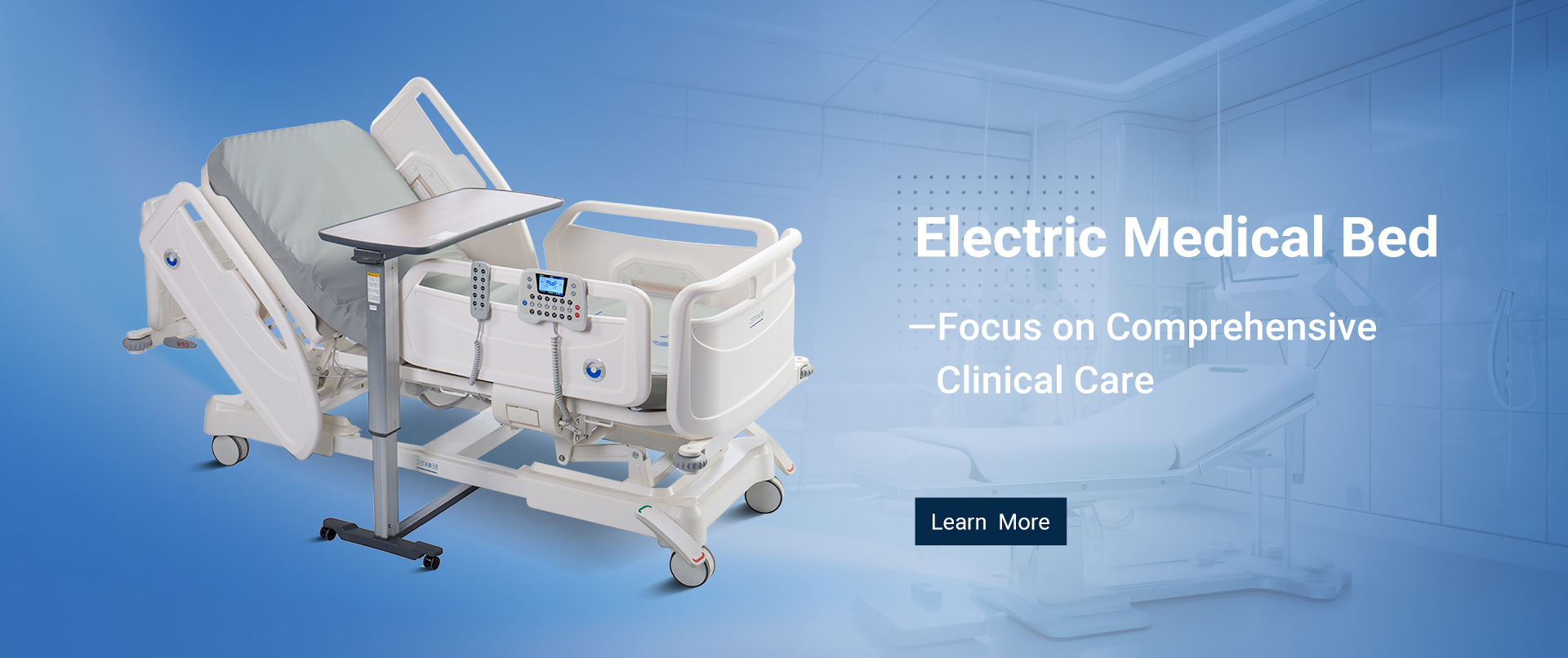
When choosing a hospital bed, it’s crucial to understand the various types available. Manual beds are often basic, allowing for simple adjustments. They require physical effort to reposition the patient. For many, this can be tiring. Electric beds offer easier adjustments with a touch of a button. They are more convenient, especially for caregivers.

Some beds come with adjustable height features. This allows for easier transfers in and out of bed. But these beds might not fit in every room. Folding hospital beds are portable. They can be stored away when not in use. However, their comfort level may not match that of other options.

Specialized beds also exist, like pressure relief beds. They are ideal for patients at risk of bedsores. Each choice has pros and cons. Reflecting on personal needs and any existing space limitations is vital. The right bed can greatly affect recovery and comfort. Take time to evaluate each type before making a decision.

Evaluating Your Specific Needs for a Hospital Bed

Choosing the right hospital bed involves evaluating your specific needs carefully. Start by assessing the patient's medical condition. Does mobility play a role? If the patient is bedridden, a bed with adjustable height might be essential. Consider weight capacity, too. Each bed has a specific limit, often overlooked during selection.

Another important aspect is comfort. Think about mattress type. A pressure-relieving mattress can prevent sores. Look into bed size as well. A wider bed may be more comfortable but might not fit in smaller rooms. Hospital beds can vary in design, which means aesthetics matter too.

Accessibility is a key point. Ensure side rails are easy to use. They should provide safety but not restrict movement. It’s also useful to think about added features. Does the bed have built-in support? Remember, not every feature is necessary. Sometimes less is more, leading to a simpler setup. Reflecting on these aspects is crucial for making an informed decision.

Key Features to Consider in a Hospital Bed

Choosing the right hospital bed can significantly impact recovery and comfort. When evaluating options, consider key features such as adjustability, weight capacity, and safety mechanisms. A report by the Healthcare Industry Association shows that adjustable beds reduce patient discomfort by up to 40%. This flexibility allows for various positions, which can aid in better circulation and pressure relief.

Tip: Prioritize beds with side rails. These can prevent falls and enhance safety, especially for individuals who may be unsteady or require assistance. A study found that beds with safety features can lower fall incidents by nearly 30%.

Another essential feature is the weight capacity. Most standard hospital beds support up to 350 pounds. However, heavier patients may require specialized models. Choosing a bed that accommodates specific weight needs ensures durability and safety.


Tip: Always check with healthcare professionals about specific features. Their insights can guide you and help avoid frustration later on. Taking the time to assess these aspects thoughtfully can lead to a choice that truly meets individual needs.

Assessing Space and Accessibility for Bed Placement

When choosing a hospital bed, assessing space and accessibility is crucial. Many homes do not have adequate room for large beds. Industry reports show that 70% of patients require a bed that fits within specific spatial confines. Therefore, it's essential to measure the area where the bed will be placed. Standard hospital beds are approximately 36 inches wide. Consider adjacent furniture and doorways.

Accessibility is another key factor. The bed must be easy to reach for caregivers and medical equipment. Many experts suggest leaving at least 2 feet of clearance on each side. This space allows for wheelchairs and other mobility aids. Not all homes are designed for such access, making planning vital. If the bed is too far from a bathroom, it can create safety issues.

It's also important to think about the bed's height. A bed that is too low may be difficult to get in and out of. Conversely, a bed that is too high can pose a fall risk. Research indicates that an ideal height is between 18 to 24 inches from the ground. When considering all these factors, homeowners should reflect on their specific needs. A poorly placed bed can lead to long-term complications.

Exploring Adjustable and Specialty Bed Options

Choosing the right hospital bed can be overwhelming. Adjustable beds offer flexibility for various needs. They allow users to elevate their heads or feet. This can reduce discomfort and improve sleep quality. Adjustable options cater to those with limited mobility and chronic pain.

Specialty beds are designed for unique requirements. For instance, pressure-relieving beds help prevent sores. They utilize advanced materials for ultimate support. Consider your needs carefully. Some beds may feel stiff or too soft. It's essential to test them before you commit.

Tip: Look for beds with easy controls. Simplicity matters, especially for caregivers. You want convenience, especially in a stressful situation. Don't shy away from asking for personal adjustments. It's your comfort that counts the most, after all.

Understanding Mattress Types and Warranties

How to Choose the Right Hospital Bed for Your Needs?

When choosing a hospital bed, understanding mattress types is crucial. Foam, air, and gel mattresses each offer unique benefits. Foam mattresses provide support and comfort, while air mattresses allow for adjustable firmness. Gel mattresses can help with pressure relief, ideal for long-term use.

Mattress warranties can be confusing. Many have a limited lifespan, often around 5 to 10 years. It’s wise to read the fine print. Warranties may only cover defects, not wear and tear. Even a high-quality mattress can sag over time. You might want to consider the long-term investment and potential extra costs.

Choosing a mattress isn't always straightforward. Preferences vary widely among individuals. What works for one may not work for another. Testing different types can be helpful. Sometimes, recommendations don’t align with personal comfort. It's essential to reflect on your specific needs and seek the right fit.

Consulting with Healthcare Professionals for Recommendations

Choosing the right hospital bed can be overwhelming. Many individuals overlook the importance of consulting healthcare professionals. These experts can provide tailored recommendations based on individual health needs. For example, a study by the National Institute of Health suggests that patients with chronic conditions benefit significantly from adjustable beds.

Healthcare professionals assess factors like mobility, comfort, and recuperation requirements. They can recommend beds designed for specific conditions, such as pressure relief or enhanced support. Research indicates that over 70% of healthcare providers strongly suggest patient education and professional guidance in this process. This ensures that the chosen bed meets both practical and medical needs.

However, one must remember that not all recommendations fit every patient. It's crucial to discuss concerns and preferences openly. Many patients feel pressure to conform to standard suggestions. A person's comfort level may greatly differ from professional advice. This reflection can lead to better decision-making and ultimately improve the quality of care received at home or in a healthcare facility.

FAQS

: What are adjustable beds?

: Adjustable beds let users elevate their heads or feet for comfort and better sleep.

Who benefits from adjustable beds?

They are great for people with limited mobility or chronic pain.

What are specialty beds?

Specialty beds address unique needs, like pressure relief to prevent sores.

How should I test a bed before buying?

Sit or lie down to see if it feels too stiff or soft.

What types of mattresses are available?

Options include foam, air, and gel mattresses, each with different benefits.

Why are mattress warranties important?

They can clarify what’s covered. Many last 5 to 10 years.

What should I consider when choosing a mattress?

Personal comfort varies, so test different types that suit your needs.

Can a mattress sag over time?

Yes, even good mattresses can lose support as they age.

What matters most in a bed?

Comfort is key, so don't hesitate to ask for adjustments.

Are mattress recommendations always accurate?

No, what works for one person might not fit someone else’s comfort.

Conclusion

Choosing the right hospital bed is crucial for ensuring comfort and meeting specific medical needs. It begins with understanding the different types of hospital beds available, from standard models to advanced specialty options. Evaluating personal requirements, such as mobility limitations or specific health conditions, is essential in making an informed decision.

Key features to consider include adjustability, which allows patients to find the most comfortable position, and the type of mattress, as it significantly affects support and comfort. Additionally, assessing the space available for the bed and ensuring easy access for caregivers and medical equipment is important. Consulting with healthcare professionals can further provide guidance tailored to individual circumstances, ensuring that the selected hospital bed meets both comfort and medical needs effectively.

Liam

Liam

Liam is a dedicated marketing professional at Bewatec (Zhejiang) Medical Device Co., Ltd., where he leverages his extensive knowledge of innovative medical solutions to drive the company's vision of a digital transformation in healthcare. With a keen focus on smart medical care, Liam plays a......
Previous 12 Best Manufacturers for Hospital Beds in China You Should Know