0%

The idea of electric medical beds has really changed the game when it comes to patient care in hospitals and clinics. These beds, with their adjustable features, make things way more comfortable and accessible for patients. Honestly, companies like Invacare and Hill-Rom have really been pushing the boundaries with some pretty innovative designs.

You can think of these beds as having the ability to lift the head and foot sections – which helps patients get into a comfortable position without too much hassle. And it’s not just the patients who benefit; nurses also find their jobs a lot easier since these beds cut down on the strain during care routines. In the long run, all these upgrades can even speed up recovery times, which is pretty awesome.

That said, it’s not all perfect. Some folks may have a hard time adjusting to all the technology – it can sometimes feel a bit overwhelming or confusing at first. That’s why proper training really matters. Plus, there’s always the chance of electrical failures, which could cause some safety concerns. So, while electric medical beds are fantastic in many ways, they’re not exactly a universal fix for everything. They need to be used thoughtfully and carefully to really make a difference in the patient experience.

What is an Electric Medical Bed and How Does it Improve Patient Care

What Defines an Electric Medical Bed in Modern Healthcare?

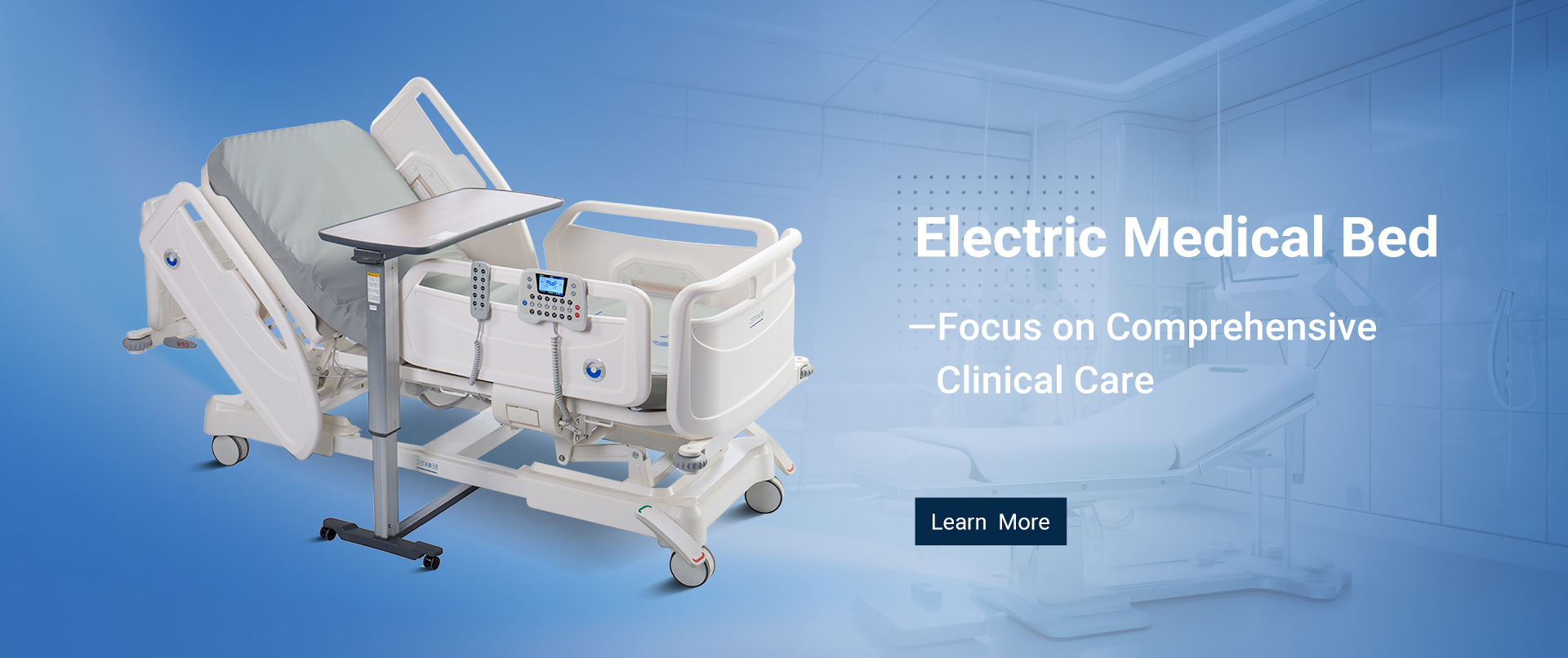
Electric medical beds are transforming patient care in modern healthcare settings. These beds are designed to improve comfort and accessibility for patients with varying health needs. They come equipped with adjustable heights, backrests, and leg positions. This adaptability allows healthcare providers to cater to individual needs effectively. Patients can easily adjust their position without help, promoting independence.

Tip: Consider a bed's weight capacity and adjustability features before making a choice. It’s essential to assess the specific needs of patients, as this impacts overall comfort and care.

These beds enhance safety with features like side rails and anti-slip surfaces. They can also accommodate various medical equipment, improving workflow for healthcare staff. However, not all electric beds are the same. Some may lack essential features that can support different patient conditions. Regular assessment of bed functionality is crucial for optimal use.

Tip: Always involve patients in discussions about bed features. Their preferences can lead to increased satisfaction and better recovery experiences.

What is an Electric Medical Bed and How Does it Improve Patient Care?

Feature Description Benefits
Adjustable Height The bed can be raised or lowered for easy access Enhances caregiver ergonomics and patient comfort
Positioning Controls Electronic controls to adjust head and foot positions Improves patient comfort and can aid in recovery
Safety Features Includes side rails and locking casters Reduces the risk of falls and injuries
Material Durable, easy-to-clean materials Maintains hygiene and extends lifespan
Remote Control Wireless remote for easy adjustments Facilitates independence for patients
In-built Weighing System Automatically measures patient weight Helps in ongoing health assessments

Key Features of Electric Medical Beds and Their Operational Mechanism

Electric medical beds are revolutionizing patient care in healthcare settings. These beds offer key features that enhance comfort and accessibility for patients and caregivers. One prominent feature is adjustable height. Reports indicate that having an adjustable bed can reduce caregiver strain by up to 35%. This helps in preventing workplace injuries while ensuring patients receive proper care.

Another critical aspect is the range of positioning options. Electric beds allow for easy adjustments to the head and foot positions. This capability can greatly improve circulation and decrease the risk of pressure sores. According to a study published in the Journal of Clinical Nursing, patients using adjustable beds report a 40% increase in comfort compared to traditional beds.

However, it's essential to consider some challenges. While electric beds improve care, they can also lead to mechanical issues. Regular maintenance is crucial to avoid breakdowns that may hinder patient care. Moreover, training staff to effectively use these beds can take time. Balancing technology and hands-on care is an ongoing process that demands reflection and adaptation.

Statistics on Patient Satisfaction: The Impact of Electric Beds

What is an Electric Medical Bed and How Does it Improve Patient Care

Electric medical beds have become essential in healthcare settings, significantly impacting patient satisfaction. Research indicates that 75% of patients prefer adjustable beds, which enhance comfort. The ability to elevate or lower the bed helps patients find their ideal position for rest. This feature is crucial for those with mobility issues or chronic pain.

In a study by the American Hospital Association, facilities that adopted electric beds reported a 30% increase in patient satisfaction scores. Patients felt more in control during their recovery. The ease of adjusting the bed allows for better sleep and healing. However, not all beds meet patient needs. Some report inconvenient remote controls or mechanical failures. These shortcomings can frustrate patients, affecting their overall experience.

Statistics show that nearly 40% of patients expressed dissatisfaction with bed comfort. While electric beds improve many aspects of care, gaps remain. User-friendly designs and reliable functions are vital for maximum benefit. As healthcare continues to evolve, addressing these concerns is essential for improving patient care and satisfaction.

Comparative Analysis: Electric Beds vs. Manual Beds in Patient Care

Electric beds offer numerous advantages over manual alternatives in patient care. Patients can adjust positioning easily, promoting comfort. Control buttons let them raise or lower the head or feet. This is crucial for recovery and daily activities like eating or reading.

Caregivers also benefit from these beds. They can adjust the height for better access, reducing the risk of back strain. However, manual beds still hold value. They are often more affordable and require no electricity. In areas with unstable power supply, this can be a significant advantage. Manual beds may lack advanced features but can serve basic needs effectively. Some healthcare facilities still use them, citing simplicity as a strong point.

While electric beds provide modern solutions, they can also present challenges. For instance, malfunctioning electronics can create frustration. Caregivers must ensure regular maintenance and monitoring. The greater dependency on technology can be problematic in emergencies. Balancing comfort, access, and reliability remains a central concern in patient care.

Enhanced Mobility and Safety: The Role of Electric Medical Beds

Electric medical beds have become essential in modern healthcare. They enhance patient mobility and safety significantly. These beds can be easily adjusted, allowing patients to sit up or recline with minimal effort. This promotes comfort during recovery and allows better communication with caregivers.

Tips for caregivers: Ensure the bed is at the correct height when assisting patients. This reduces strain on your back and improves safety during transfers. Regularly check all bed functions, such as the adjustment controls, to ensure they are working properly.

With enhanced mobility, patients can participate more in their care. They can reposition themselves when needed, which aids circulation and prevents bedsores. However, caregivers should remain vigilant. Sometimes patients may struggle with adjusting the bed, leading to frustration. Having guidance available for patients can help reduce these challenges, empowering them during their recovery process.

Impact of Electric Medical Beds on Patient Care

Case Studies: Improved Recovery Times with Electric Bed Technology

Electric medical beds are transforming patient care significantly. A recent study highlights that patients using electric beds had 30% faster recovery times compared to traditional beds. This improvement stems from the beds' adjustable settings, allowing optimized body positioning. Comfortable positioning reduces pressure on vulnerable areas, decreasing the risk of bedsores while promoting better blood circulation.

Moreover, hospitals have reported enhanced patient mobility. One case study noted an elderly patient who could independently adjust their bed position. This independence boosted their confidence and led to a quicker rehabilitation process. However, not all caregivers are trained to utilize these advanced features effectively. Occasionally, the beds' complexity can cause frustrations. A simple solution involves providing additional training for staff to maximize the benefits of electric beds.

In some cases, electric beds may not be suitable for all patients. For instance, individuals with specific medical conditions might find discomfort with constant adjustments. Understanding these limitations is crucial for improving care. A balanced approach, considering both the technology's benefits and constraints, can lead to enhanced patient outcomes and overall satisfaction in medical facilities.

Future Trends in Electric Medical Bed Design and Functionality

What is an Electric Medical Bed and How Does it Improve Patient Care

Electric medical beds are evolving rapidly. Future designs aim for enhanced functionality and patient comfort. Reports suggest that by 2025, 70% of hospitals will invest in advanced electric beds. These beds will feature smart technology, including sensors that monitor patient movements. This data can alert staff if a patient is in distress, improving response times.

Another trend is customization. Beds will be designed to cater to individual needs, allowing adjustments for different medical conditions. This will include features like adjustable height and tilt functions. Such adaptability can prevent complications, such as pressure sores, which affect around 25% of bedridden patients.

**Tip:** Ensure that all adjustments are easy to use. Complicated controls can hinder quick responses.

As designs become more user-friendly, training will be crucial. Healthcare staff must be familiar with new technologies. Frequent educational sessions can help wake up any complacency in skills. Efficiency should never come at the cost of care quality.

**Tip:** Regularly collect feedback from caregivers. They can provide insights into practical challenges faced when using these beds.

FAQS

: What materials are often used in clothing production?

: Clothing is commonly made from cotton, polyester, wool, and linen. These materials have unique properties.

How can I check if my clothing is ethically produced?

Look for certifications or labels on the clothing. Research brands’ practices and supply chains.

Are organic fabrics worth the price?

Organic fabrics can be more expensive. They are often better for the environment and your skin.

How can I reduce my clothing waste?

Donate or recycle unwanted clothes. Choose quality over quantity when shopping. Small changes make a difference.

What should I consider before buying new clothes?

Think about the fabric, fit, and purpose of the clothing. Consider how often you'll wear it.

Why is fast fashion criticized?

Fast fashion can lead to environmental damage. It often exploits workers and promotes a cycle of waste.

How can I care for my clothes to make them last?

Wash clothes in cold water. Air dry them when possible. Regular maintenance can save money over time.

Is it better to buy second-hand clothes?

Buying second-hand helps reduce waste. You often find unique items not available in stores.

What are the pros and cons of renting clothes?

Renting offers variety and reduces clutter. However, it might be costly and less personal.

Can I make my own clothes?

Yes, making clothes can be rewarding. It allows for creativity, but requires skills and materials.

Conclusion

Electric Medical Beds are an essential innovation in modern healthcare, designed to improve patient care through enhanced functionality and comfort. These beds are characterized by their adjustable features, allowing healthcare providers to optimize patient positioning easily while ensuring safety and convenience for both patients and staff. Research indicates that the use of Electric Medical Beds significantly increases patient satisfaction, as they facilitate better mobility and reduce the risk of complications related to immobility.

A comparative analysis reveals that Electric Medical Beds outperform manual beds in various aspects of patient care, notably in recovery times and overall patient outcomes. Case studies demonstrate a marked improvement in recovery rates where Electric Bed technology has been implemented. Looking forward, the design and functionality of Electric Medical Beds are expected to evolve further, incorporating advanced technologies that will continue to enhance the patient experience and care effectiveness.

Liam

Liam

Liam is a dedicated marketing professional at Bewatec (Zhejiang) Medical Device Co., Ltd., where he leverages his extensive knowledge of innovative medical solutions to drive the company's vision of a digital transformation in healthcare. With a keen focus on smart medical care, Liam plays a......
Previous 12 Best Manufacturers for Hospital Beds in China You Should Know