0%

Today’s healthcare scene really highlights just how important patient comfort is—not just for happy patients, but for better recovery results too. I mean, it’s pretty eye-opening that the American Hospital Association reports about 80% of patients say comfort is a top factor when it comes to their overall hospital experience. Dr. Sarah McKenzie, a well-respected expert in patient care, puts it simply: "Comfort is often overlooked, but it actually plays a pretty critical role in healing."

Creating a truly comfortable environment isn’t just about having nice-looking rooms; it’s about paying attention to both the physical space and how patients feel emotionally. Small things—like controlling noise levels or making the atmosphere more inviting—can go a long way. Unfortunately, a lot of hospitals still struggle with this. In fact, reports say nearly 30% of hospitals have furnishings that just aren’t up to par, which can really take away from the patient experience.

And while everyone’s all about integrating new tech, we shouldn’t forget that the human touch really still matters. Personal interactions can make all the difference, yet staff often feelings overwhelmed or stretched too thin, which sometimes means that aspect gets overlooked. Recognizing these gaps actually presents a great chance for hospitals and clinics to get better and put patient comfort at the center of care—and that’s something we should all strive for.

How to Enhance Patient Comfort in Healthcare Settings?

Understanding Patient Comfort in Healthcare Environments

Creating a comfortable healthcare environment starts with understanding the unique needs of each patient. Every individual comes with different backgrounds and experiences. For some, hospital sounds can be unsettling. The constant beeping of machines can heighten their anxiety. Softening these sounds, when possible, might help create a more soothing atmosphere.

In addition to noise, visual elements play a crucial role. Harsh fluorescent lights can feel stark and unwelcoming. Warm-colored lighting can evoke a sense of calm. Artwork and comforting images on the walls can also offer distraction and comfort. However, not every facility uses these techniques, leading to varying experiences for patients.

Temperature control is another significant factor. Some people prefer cooler rooms, while others feel cold easily. Adjustable thermostats could improve comfort, yet they are sometimes overlooked. Moreover, seating arrangements can impact how patients feel. Tight spaces can create feelings of confinement. More open, inviting areas might encourage relaxation. Reflecting on these aspects can help enhance patient comfort in simple yet effective ways.

Importance of Physical Comfort for Patients

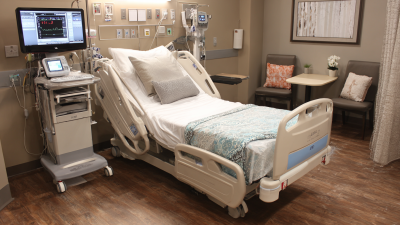
Physical comfort plays a crucial role in enhancing the overall patient experience in healthcare settings. Patients often face anxiety and discomfort during their visits, impacting their well-being. Simple adjustments can make a significant difference. Comfortable seating can help ease tension. Providing blankets or adjusting room temperatures could create a soothing atmosphere. Thoughtful changes matter.

Lighting is another element to consider. Harsh fluorescent lights may feel harsh or intimidating. Soft, warm lighting can create a calming environment, fostering relaxation. Moreover, minimizing noise levels is critical. Unwanted sounds may increase stress. A quiet, peaceful space allows patients to feel more secure.

On the other hand, we must reflect on our efforts. Are we attentive to individual needs? Each patient’s comfort level varies. What works for one may not work for another. Regularly seeking feedback can uncover shortcomings in providing physical comfort. It is vital to continually improve. Small steps can lead to a more welcoming healthcare experience for all.

Creating a Welcoming Atmosphere in Healthcare Settings

Creating a welcoming atmosphere in healthcare settings is essential for enhancing patient comfort. Warm colors on the walls, comfortable seating, and calming artwork can make a notable difference. A well-designed waiting area can ease patients' anxiety. Soft lighting is key; it reduces harsh shadows and creates a more inviting space.

Adding small touches can elevate the experience. Fresh flowers or plants can bring life and cheer to a clinical setting. Scent can also play a role; gentle fragrances can soothe the mind. Music in waiting rooms, soft and unobtrusive, can distract from the clinical environment.

Despite efforts, some aspects can still fall short. Staff interactions may not always convey warmth. Sometimes, the layout is not intuitive, leading to confusion. These issues can hinder the overall comfort experience. Regular reflection on these areas is important for improvement. Finding the right balance between professionalism and warmth can transform the atmosphere significantly.

The Role of Communication in Patient Comfort

Effective communication plays a critical role in enhancing patient comfort. A study showed that 70% of patients feel more at ease when healthcare providers explain procedures clearly. Simple phrases and a warm tone can ease anxiety. Also, eye contact and active listening show patients they are valued.


Yet, challenges remain. Many providers struggle with time constraints. For instance, a report found that 40% of doctors believe they can't spend enough time with patients. This can lead to miscommunication. Patients may leave with unanswered questions, which heightens their stress.


Moreover, non-verbal cues are often overlooked. Body language speaks volumes. A reassuring posture can create a comforting environment. However, some practitioners may unintentionally present closed-off body language, which can alienate patients. It’s essential to find a balance in communication, ensuring patients feel understood and cared for. Engaging in regular training can help providers improve their communication skills.

Utilizing Technology to Enhance Patient Experience

Enhancing patient comfort in healthcare settings is essential for better outcomes. Technology plays a crucial role in this process. According to a 2021 report by the Healthcare Information and Management Systems Society, 90% of patients prefer using technology to communicate with their healthcare providers. This highlights the importance of integrating tech solutions into patient care.

One way to do this is through telehealth platforms. They allow patients to consult with doctors from home, reducing anxiety associated with in-person visits. However, not all patients are tech-savvy. Some may struggle with using these platforms. It's important to offer support and training for those who need it.

Tips: Provide patient education sessions focused on technology use. Utilize simple language and hands-on demonstrations. Another option is using digital patient check-ins. This shortens waiting times and improves satisfaction. A study from the Journal of Medical Internet Research found that hospitals using these systems saw a 30% increase in patient satisfaction.

Incorporating technology can transform patient experience, but challenges remain. Facilities must continuously adapt to meet diverse patient needs. Not every solution fits all. Feedback loops from patients will help refine these approaches. Offering personalized experiences remains a key component of true comfort in healthcare.

Staff Training for Improved Patient Interactions

Effective staff training is crucial for enhancing patient interactions. Healthcare professionals often face stressful situations. Their response can significantly impact patient comfort. Training programs should focus on empathy and communication skills. Role-playing scenarios can improve team readiness.

Regular workshops help reinforce these skills. Feedback from patients is vital. It can show where staff excel and where improvement is needed. Understanding patient perspectives is a step toward better care. Simple gestures, like a smile or eye contact, make a difference.

Not all training sessions are successful. Some staff may feel overwhelmed. Others might not see the value in new methods. Identifying these gaps is essential. A culture of open feedback can lead to better training approaches. Continuous learning should be a priority for all healthcare teams.

Incorporating Feedback to Continuously Improve Comfort Levels

How to Enhance Patient Comfort in Healthcare Settings?

Creating a comfortable healthcare environment is essential for patient well-being. Feedback plays a crucial role in this process. A study by the Beryl Institute found that 70% of patients reported discomfort during their stay. This discomfort often stems from poor communication or inadequate information about their treatment.

Most healthcare settings gather patient feedback through surveys post-visit. However, many do not analyze this data effectively. A survey revealed that only 30% of organizations consistently use feedback to improve services. Addressing specific concerns from patients can lead to immediate changes. For example, making waiting areas more comfortable can significantly enhance the overall experience. Simple changes, like soft seating or calming colors, can create a welcoming atmosphere.

Continual improvement is vital. Regularly seeking feedback ensures that facilities adapt to patients' evolving needs. Yet, some organizations overlook the importance of follow-up. Patients often feel unheard when feedback goes unaddressed. By fostering open communication, healthcare providers can not only enhance comfort levels but also rebuild trust.

FAQS

: What is the purpose of this product?

: The product aims to enhance daily tasks and improve productivity.

How should I maintain the product?

Regular cleaning and careful handling are essential for longevity.

Can I use this outside?

It is designed for indoor use but can withstand some outdoor conditions.

What materials are used?

The product is made of durable materials, ensuring long-lasting performance.

Is it easy to use for beginners?

Yes, the design is user-friendly, but some may find a learning curve.

What if it doesn't work as expected?

Issues may arise; troubleshooting is advised before contacting support.

Can this be used with other tools?

Compatibility varies; it’s best to check specifications for proper use.

Is there a warranty?

Yes, a limited warranty covers manufacturing defects within a certain period.

What do I do if I lose parts?

Replacement parts may be available; it's wise to consult the manual.

Are there safety precautions?

Yes, follow the safety guidelines to avoid accidents during use.

Conclusion

Enhancing patient comfort in healthcare settings is crucial for improving overall patient experiences and outcomes. Understanding patient comfort involves recognizing the significance of physical comfort, which includes adequate pain management and a soothing environment. Creating a welcoming atmosphere through thoughtful design, calming colors, and appropriate noise control can greatly contribute to patients feeling at ease during their visits.

Communication also plays a vital role in ensuring patient comfort; clear, empathetic interactions help build trust and alleviate anxiety. Additionally, leveraging technology, such as patient portals and telehealth, can streamline processes and further enhance the experience. Staff training focused on effective communication and compassionate care is essential. Finally, incorporating patient feedback is key to continuously improving comfort levels and addressing specific needs within healthcare environments. By prioritizing these elements, healthcare providers can significantly enhance patient comfort and satisfaction.

Liam

Liam

Liam is a dedicated marketing professional at Bewatec (Zhejiang) Medical Device Co., Ltd., where he leverages his extensive knowledge of innovative medical solutions to drive the company's vision of a digital transformation in healthcare. With a keen focus on smart medical care, Liam plays a......
Previous 12 Best Manufacturers for Hospital Beds in China You Should Know