


Creating a safe and cozy home environment for care really matters. Having the right health equipment can make a huge difference in how effectively you can support your loved ones. Whether you're helping an elderly family member or someone who's just getting back on their feet after an illness, the right tools can really come in handy.
Think about simple essentials like a blood pressure monitor or a first-aid kit—stuff that can help you keep tabs on health on a daily basis. Also, mobility aids, like walking frames, can really boost independence and keep things safe. The thing is, a lot of people don’t really realize how important these items are until a situation calls for them.
Throwing in some reliable brands like Philips or Medline might seem like a small thing, but it can actually be pretty important. And of course, you want to pick equipment that fits your specific needs and situation. Figuring out what you actually need can be a bit tricky, no doubt. But skipping this step might mean missing out on opportunities to make home care even better, and honestly, who wants that?

Essential Health Equipment for Home Care: An Overview
Home care has become increasingly important for maintaining health and wellness. Individuals are choosing to stay at home rather than in facilities. According to a recent industry report, about 90% of older adults prefer in-home care. Ensuring proper health equipment is vital for effective home care.
Essential health equipment includes items like blood pressure monitors, glucose meters, and first aid kits. These tools can significantly improve daily living. In fact, studies indicate that regular use of monitors can lead to better management of chronic conditions. Many patients report fewer emergency visits when they actively track their health metrics.
**Tip:** Always consult with a health professional before purchasing equipment. This ensures you choose the right tools for your specific needs.
Another important aspect is accessibility. Having equipment easily accessible improves usage rates. For those with mobility challenges, consider ergonomic designs which can enhance usability. It's worth noting that not all equipment is suitable for every individual. Make adjustments as needed to fit personal health goals.
**Tip:** Keep a checklist of your health equipment. Regularly update it to ensure all items are in working order. This simple task can enhance your home care setup.

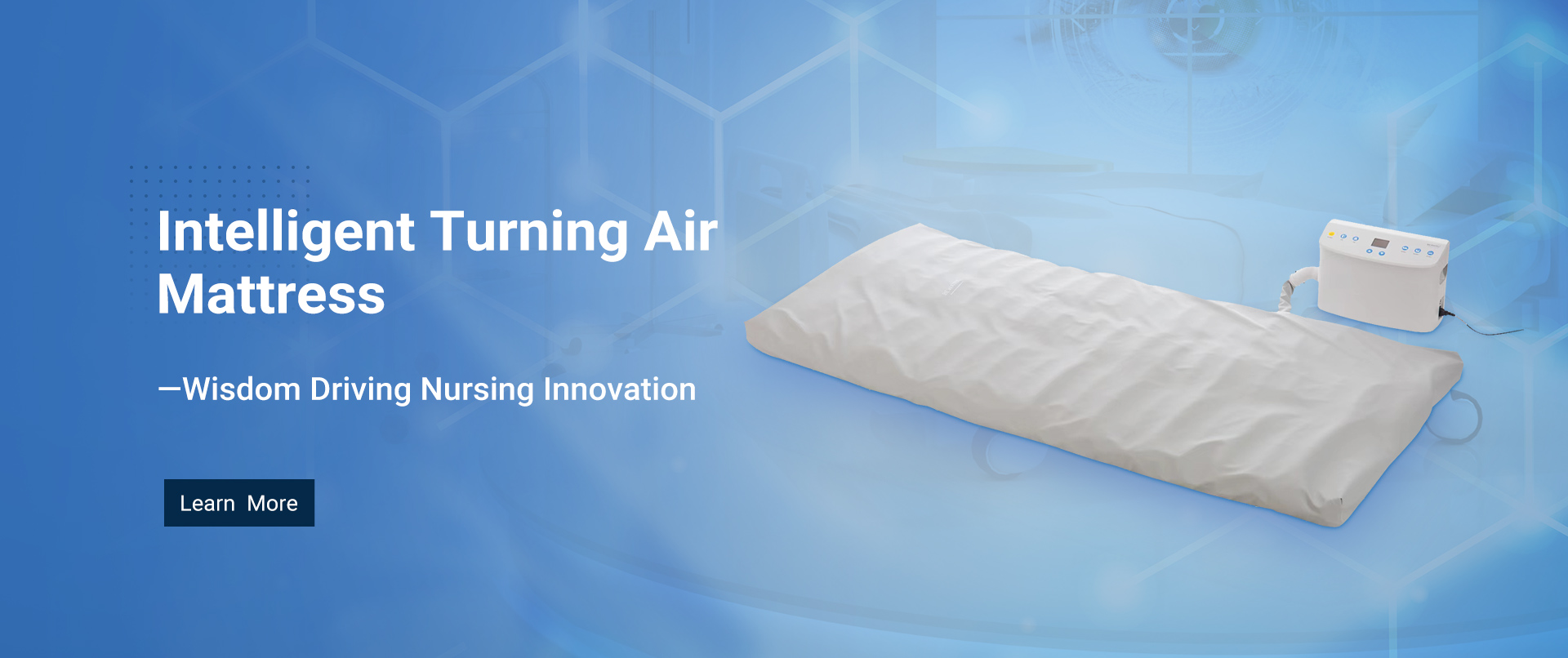
Optimizing Sleep Quality: Insights from Recent Healthcare Reports on the Benefits of the Intelligent Turning Air Mattress (Hecate Series)
Recent healthcare reports highlight the significant impact of sleep quality on overall health, drawing attention to innovations like the Intelligent Turning Air Mattress (Hecate Series). This advanced mattress leverages smart technology to optimize sleep conditions, addressing common issues faced by patients in healthcare settings. Studies indicate that poor sleep quality can lead to longer recovery times, increased risk of chronic diseases, and heightened stress levels. Therefore, investing in sleep technology is becoming increasingly critical for healthcare facilities aiming to promote patient wellness.
One of the standout features of the Intelligent Turning Air Mattress is its ability to adjust automatically, providing optimal support and comfort tailored to individual patient needs. Recent studies have shown that patients who experience enhanced sleep quality demonstrate better clinical outcomes, including improved mood, reduced pain perception, and overall faster rehabilitation. Innovative nursing technologies not only support sleep improvement but also enhance the workflow in medical settings. The various working modes offered by smart mattresses significantly alleviate the workload of nursing staff, allowing them to focus on more critical aspects of patient care.
Furthermore, reports indicate that adopting such technologies can lead to a decrease in incidents of pressure ulcers by approximately 40%, thereby reducing hospital costs and improving patient experiences. As healthcare systems continue to navigate challenges in patient care, integrating solutions that prioritize sleep quality through intelligent design emerges as a promising avenue for both patient satisfaction and healthcare efficiency.

FAQS
: The product helps improve daily efficiency. It supports specific needs and enhances user experience.
Anyone seeking convenience can use it. It’s designed to assist a wide audience, regardless of skill level.
The product streamlines tasks and saves time. Users report greater satisfaction with daily activities.
Some users may find it challenging at first. Practice leads to better familiarity and improved skills.
Yes, it adapts well in varied settings. However, some adjustments may be needed for optimal results.
Users often face initial confusion with features. Understanding and patience can help overcome these hurdles.
Users can share experiences via surveys or discussions. Honest feedback helps improve future versions.
Some users may feel disappointed at times. It’s crucial to reassess needs and adjust usage accordingly.
There are certain scenarios where effectiveness may decline. Recognizing these limits can guide better use.
Users should take time to explore features. Engaging fully may reveal hidden benefits that enhance performance.
Conclusion
In "Top 10 Essential Health Equipment You Need for Home Care," the article emphasizes the crucial role of health equipment in providing effective home care. It outlines various essential tools that can enhance health monitoring and ensure safety for individuals at home. Central to home health management are first aid kits, which are indispensable for treating minor injuries and emergencies. Additionally, blood pressure monitors are vital for tracking cardiovascular health, while thermometers play a key role in monitoring fevers and various health conditions.
The article also highlights the significance of oxygen concentrators in supporting respiratory health and improving the quality of life for those with breathing difficulties. Mobility aids are discussed as important tools that promote accessibility and independence for individuals with mobility challenges. Overall, investing in essential health equipment is presented as a proactive approach to fostering a safe and healthy home environment.
Related Posts
-

Revolutionizing Patient Care: How Technology is Transforming the Healthcare Industry
-

Top 10 Must Have Nursing Equipment for Every Healthcare Professional
-

Transforming Sleep Health with Advanced Body Movement Detection Mattress at the 138th Canton Fair 2025
-
Understanding the Different Types of Hospital Medical Equipment
-

2026 Top M2 Hydraulic Transfer Bed Features and Benefits?
-
Essential Checklist for Choosing the Right Medical Bed Manufacturers for Your Facility


