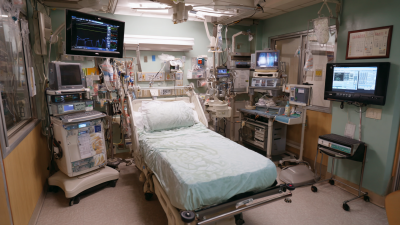
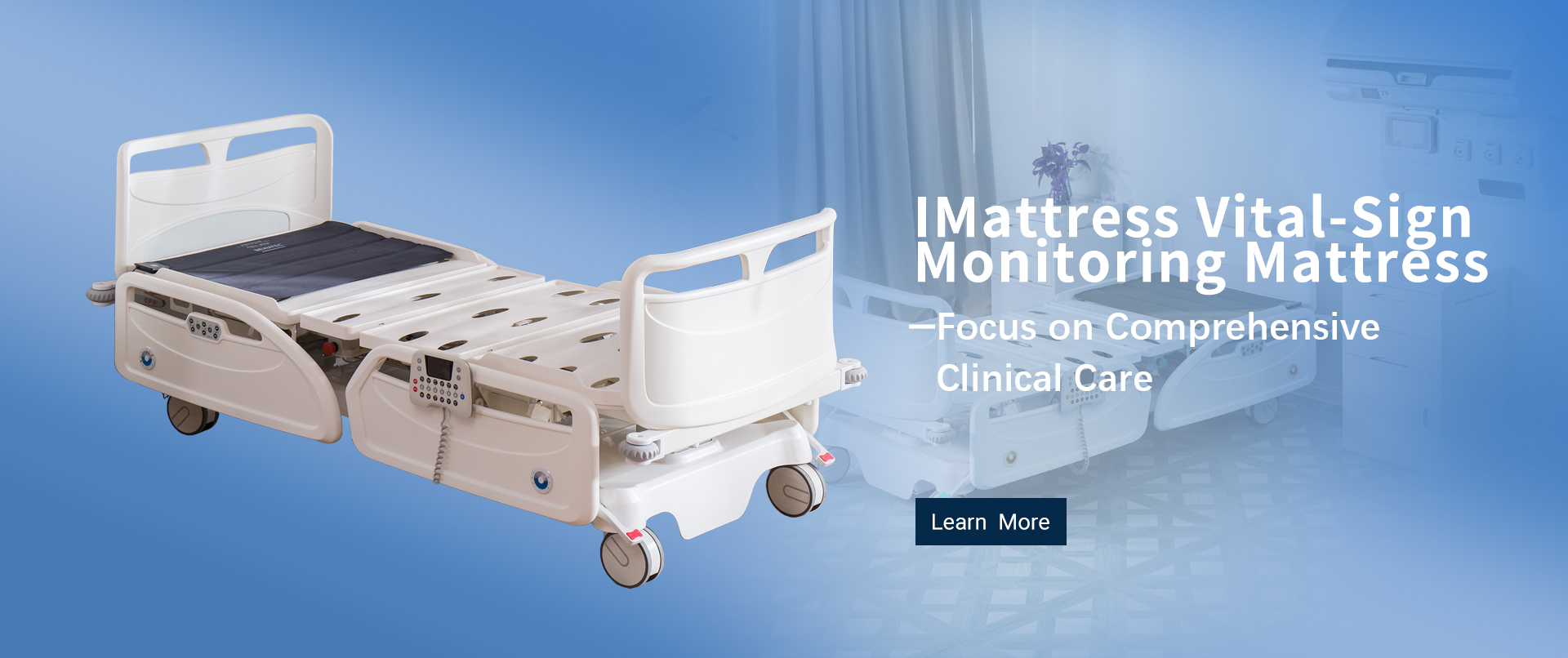
In today’s fast-changing healthcare world, having the right hospital equipment really makes all the difference. Quality medical tools don’t just look good on paper—they actually help us take better care of patients. Hospitals need to focus on the must-have devices that can boost efficiency and outcomes. It’s a good idea for every facility to take a regular look at what equipment they’ve got—nothing like staying updated!
Think about basics like imaging machines or surgical tools—these are the backbone for proper diagnosis and treatment. But truth be told, many hospitals are still playing catch-up when it comes to more advanced tech. Missing out on these upgrades can really affect both patient results and staff performance.
Of course, not every hospital has endless budgets. That makes decisions about what to prioritize pretty tough. Sometimes, they end up choosing cheaper or older options that aren’t quite as effective. It’s worth asking, though—do these choices really align with what we’re trying to do for our patients? Upgrading equipment isn’t just an expense; it’s an investment in better health overall, and that’s what truly counts.
In healthcare, essential medical equipment plays a vital role. Hospitals must prioritize the right tools for effective patient care. Basic items like stethoscopes and thermometers are often overlooked. They’re inexpensive but critical for initial assessments. Many facilities still don't have enough of these basic tools available.
Advanced equipment significantly enhances treatment options. Devices like ultrasound machines and ECG monitors are indispensable for diagnostics. However, high costs can lead to budget cuts, resulting in outdated models. Staff may struggle with unreliable equipment that should be upgraded. Patients depend on functional machines for accurate readings.
Additionally, surgical tools, such as scalpels and forceps, must always be sterilized and ready. The availability of these instruments can determine surgical success. Yet, there are times when hospitals face shortages or delays in supplies. It’s a pressing issue that affects the quality of care. Reflecting on these gaps can spur improvements in hospital practices and patient outcomes.
Diagnostic imaging machines play a crucial role in healthcare settings. These devices help in the accurate diagnosis of various medical conditions. They provide detailed insights that guide treatment decisions. Without reliable imaging, healthcare quality declines.
There are several types of diagnostic imaging machines. X-rays are commonly used for examining bones and detecting fractures. MRI machines offer detailed images of soft tissues, making them essential for brain assessments. Ultrasounds are often used during pregnancy but also help in organ evaluation. Each type has its importance, yet many facilities struggle to maintain or upgrade them regularly.
Many healthcare facilities face challenges in acquiring updated machines. Budget constraints can lead to outdated technology. Insufficient training may result in underutilization of existing equipment. Reflecting on these issues is crucial for improving service quality. Investing in diagnostic imaging is investing in patient care.
Monitoring devices play a critical role in healthcare settings. These tools help track vital signs like heart rate, blood pressure, and oxygen levels. Clinicians rely on real-time data to make quick decisions. In emergencies, every second counts. A small delay can impact patient outcomes.
Continuous monitoring is essential. It alerts staff to changes in a patient’s condition. Yet, over-reliance on technology can lead to complacency. Staff might miss subtle signs that require attention. Training and active observation remain necessary skills. A balance between technology and human insight is vital.
Patient safety hinges on accurate readings. Devices must be regularly calibrated to avoid false alarms. No equipment is foolproof. Sometimes, malfunctioning devices can mislead caregivers. Regular maintenance and updates are crucial. Healthcare facilities must prioritize ongoing training and reflection among staff. This ensures that technology enhances, rather than replaces, the quality of care.
| Device Type | Purpose | Key Features | Patient Benefits |
|---|---|---|---|
| Pulse Oximeter | Measure oxygen saturation in the blood | Non-invasive, quick readings, portable | Rapid assessment of respiratory function |
| Blood Pressure Monitor | Monitor blood pressure levels | Digital readouts, memory function, Bluetooth connectivity | Helps in managing hypertension |
| ECG Monitor | Monitor heart activity and rhythms | Real-time data, alerts for abnormal rhythms | Early detection of cardiac issues |
| Temperature Monitor | Track body temperature | Infrared technology, fast readings, contact-free | Quick assessment of fever |
| Multi-parameter Monitor | Track various vital signs simultaneously | Display heart rate, respiratory rate, blood pressure, and more | Comprehensive patient monitoring |
Surgical instruments are vital in operating rooms. They come in various types, each serving a unique role. Scalpels are sharp tools for making incisions. They must be of high quality to ensure precision. Forceps help in gripping and manipulating tissues. Their design can vary greatly. Some have fine tips for delicate work, while others are broader.
The role of surgical scissors is equally important. They cut tissues with accuracy and minimal damage. Different varieties target specific tasks, like dissecting or suturing. This specialization leads to better outcomes but requires careful selection. Instruments must be sterilized effectively. Any lapse can lead to infections.
Often, the integration of technology into surgical tools challenges teams. For instance, robotic instruments may facilitate complex procedures but demand training. Human error can occur during transitions from manual to digital. Surgeons must adapt to new techniques and tools continually. This evolution in surgical instruments reflects the ongoing need for hospitals to reevaluate their equipment lists. It pushes facilities to learn and grow, striving for patient safety and successful surgeries.
Patient mobility aids play a crucial role in enhancing access and comfort in healthcare facilities. These devices help patients move more freely, which can significantly improve their overall experience. From walkers to wheelchairs, each item serves a unique purpose. They support patients in achieving independence while ensuring safety. It is essential for healthcare providers to regularly assess the condition of these aids, as worn-out equipment can lead to accidents.
Tips: Consider engaging patients in the selection of their mobility aids. Personal preferences can enhance their sense of control. Additionally, always keep pathways clear. Clutter can create hazards for those using mobility aids.
Accessibility is vital. Facilities must ensure that mobility aids fit through doorways and are easy to navigate in tight spaces. Regular training for staff on how to assist patients effectively is also important. This can minimize the risk of injuries. Remember, every detail matters in creating a safe and comfortable environment for patients.
In any healthcare facility, maintaining hygiene and cleanliness is crucial. Disinfection and sterilization equipment play a vital role in upholding these standards. Regular use of these tools minimizes the risk of infections. They are essential in operating rooms, patient wards, and laboratories.
Equipping a facility with the right disinfection tools is not always enough. Staff must be trained to use them effectively. Inadequate training can lead to improper use, which might compromise safety. Equipment may also require regular maintenance to function optimally. A broken sterilizer can pose serious risks. Establishing clear protocols is necessary to ensure that hygiene standards are met consistently.
Different types of disinfection equipment serve specific purposes. Chemical disinfectants are effective on surfaces. Ultrasonic cleaners can thoroughly decontaminate tools. However, facilities sometimes overlook the importance of thorough training. Routine audits can help identify gaps in the disinfection process. Reflection on current practices can improve overall hygiene in any healthcare setting.
In today's healthcare landscape, supportive technologies play a pivotal role in enhancing operational efficiency. Reports indicate that up to 70% of healthcare facilities are investing in advanced technology to streamline processes. Electronic health records (EHR) are a prime example. They allow for real-time data access, but many staff members feel overwhelmed by their complexity. This can lead to inconsistent data entry and sometimes, errors in patient care.
Telemedicine is another crucial technology. By 2024, it is expected that 45% of consultations will be conducted online. While this presents convenience, it raises concerns about the quality of patient interactions. Many healthcare practitioners express anxiety about the effectiveness of virtual consultations. There's a need for better training and resources.
Additionally, automated inventory management systems are significant for improving supply chain efficiency. A report revealed that waste in medical supplies could account for 15-30% of a facility's budget. Yet, many facilities struggle with accurately tracking inventory levels. Without proper systems in place, resources may be underutilized or overstocked. Balancing efficiency with quality care remains a challenge.
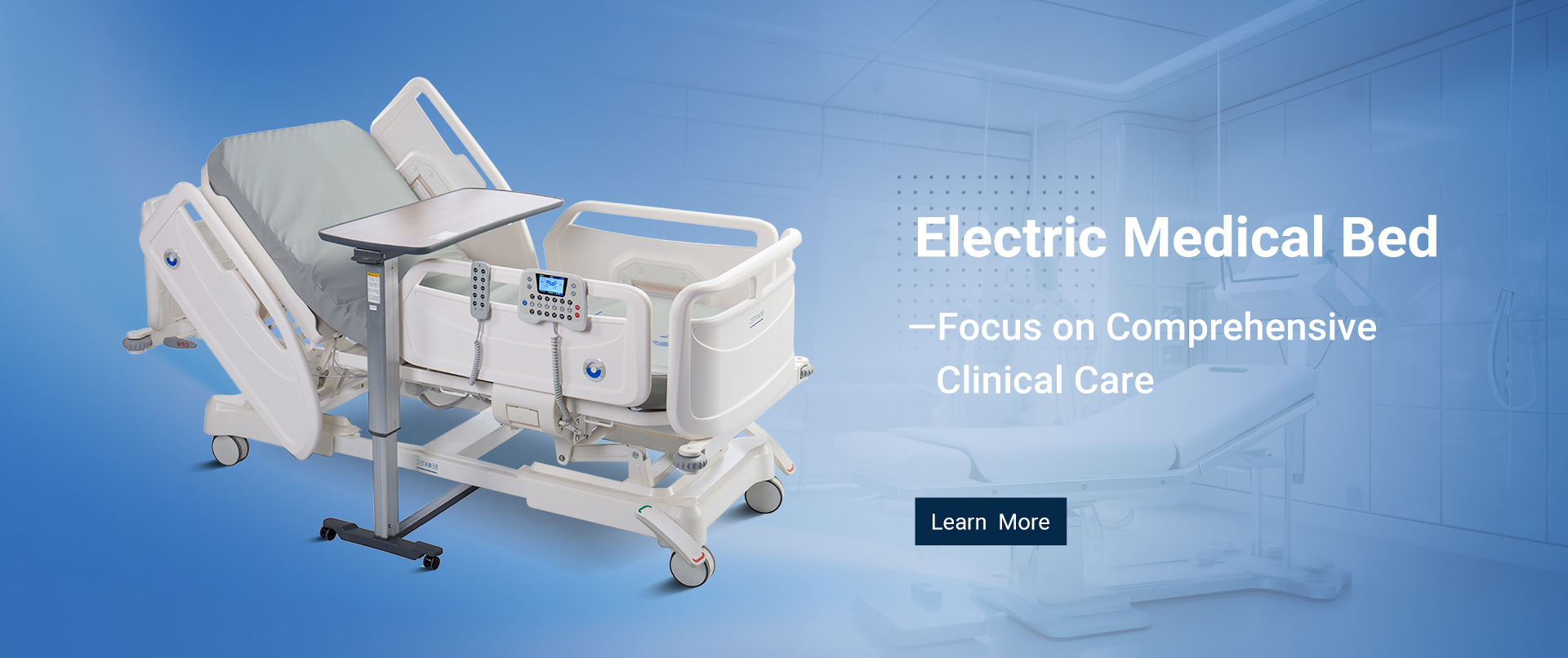
In hospital environments, the importance of functional furniture cannot be overstated. Bedside tables play a crucial role in enhancing patient comfort and convenience. These tables are designed to be not only practical but also stylish, ensuring that the hospital room feels welcoming. With their esthetically pleasant appearance, they contribute to a more calming atmosphere, which can positively impact the overall healing process.
When selecting bedside tables for hospital rooms, it is essential to prioritize lightweight yet sturdy constructions. This allows healthcare providers to easily reposition the tables as needed without compromising on durability. A well-designed bedside table should offer ample surface area for personal items, medical equipment, and other necessities while maintaining an unobtrusive profile. By integrating both functionality and aesthetic appeal, these bedside tables elevate the patient experience, ensuring that care is both effective and considerate.
: Common prohibited items include sharp objects, flammable substances, and certain electronic devices.
Many food items are restricted. Check specific regulations for fruits, meats, and liquids.
Use packing cubes to organize clothes. Roll rather than fold to save space.
Report it immediately at the airport’s lost and found. Document your luggage description.
Yes, sharp objects like knives or scissors are typically not allowed in carry-on luggage.
Keep important documents in a hidden pocket. Use a travel wallet to stay organized.
Bring snacks and entertainment for long trips. Prepare for extra luggage and allow frequent breaks.
Yes, be honest about items you're carrying. Failure to declare can lead to penalties.
Arrive early and consider using expedited screening services if available.
It covers unexpected events like cancellations, medical issues, or lost belongings.
In the realm of healthcare, the right hospital equipment is essential for ensuring effective patient care and safety. Critical medical equipment includes diagnostic imaging machines, which provide invaluable insights into patient conditions, and monitoring devices that track vital signs and ensure ongoing patient safety. Surgical instruments are vital in operating rooms, supporting complex procedures, while patient mobility aids enhance accessibility and comfort throughout healthcare facilities.
Maintaining hygiene standards is also crucial, hence the need for disinfection and sterilization equipment. Additionally, supportive technologies improve operational efficiency, benefiting both healthcare providers and patients alike. Overall, having adequate hospital equipment not only boosts the quality of care but also enhances the overall healthcare experience.