0%

In the fast-changing world of healthcare, you really can't overlook how important proper health equipment is. Dr. Sarah Mitchell, who’s a top expert in medical tech and the Chief Innovation Officer at MediTech Solutions, once said, ‘Having reliable health equipment is absolutely key to getting better patient outcomes and raising the overall quality of care.’ That really highlights just how vital these tools are — not just for treating patients, but for the entire healthcare system.

When we talk about health equipment, we’re referring to a huge variety of devices and gadgets that help with diagnosing, monitoring, and treating health issues. Think of everything from fancy MRI machines to simple everyday tools like thermometers and blood pressure cuffs — these things are at the core of both clinics and home health setups. As healthcare keeps moving forward, it’s more important than ever for both providers and patients to understand the different types of health equipment out there.

This guide is all about giving you a clear overview of the different categories of health equipment, what they do, and why it’s so crucial to pick the right tools for the specific health needs. When you get a better grasp of these resources, everyone involved in healthcare can make smarter choices — which ultimately makes a real difference in patient care and how healthcare services run overall.

What is Health Equipment? A Comprehensive Guide to Essential Health Tools

Understanding Health Equipment: Definition and Importance

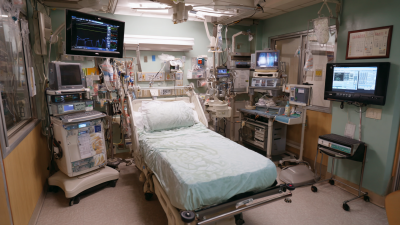
Health equipment plays a crucial role in modern healthcare, serving as the backbone of effective diagnosis, treatment, and patient management. By definition, health equipment encompasses a wide range of tools and devices designed to support the medical needs of patients, from basic instruments like thermometers and stethoscopes to sophisticated imaging machines and monitoring systems. Understanding the importance of health equipment lies in its ability to enhance patient care, streamline healthcare operations, and drive better health outcomes through innovative technology.

What is Health Equipment? A Comprehensive Guide to Essential Health Tools

At Bewatec (Zhejiang) Medical Device Co., Ltd., we are dedicated to revolutionizing patient experiences through our commitment to smart medical care. By focusing on the digital transformation of the healthcare industry, we strive to provide comfortable, safe, and personalized care journeys for patients worldwide. Our comprehensive solutions not only improve the accessibility of essential health tools, but also facilitate a higher level of interaction between healthcare professionals and patients. This commitment positions us as a global leader in specialized smart medical care, emphasizing the pivotal role health equipment plays in improving the quality of healthcare delivery.

Types of Health Equipment: A Breakdown of Essential Tools

Health equipment encompasses a wide range of tools and devices that are essential for diagnosing, treating, and managing health conditions. These tools can be categorized into various types, each serving a specific function in patient care. For instance, diagnostic equipment such as x-ray machines and ultrasound devices plays a critical role in accurately identifying medical issues. Rehabilitation tools, including physiotherapy equipment and mobility aids, support patients in their recovery process. Furthermore, life-support equipment, such as ventilators and infant incubators, are vital in critical care settings, especially as reports indicate that a significant percentage of basic medical equipment is either absent or broken in some healthcare facilities.

Innovations in health equipment are also significantly enhancing the quality of care. Advanced AI tools are being developed to improve the predictive maintenance of medical devices, ensuring they are always operational and ready for use. Companies like Bewatec are at the forefront of this transformation, focusing on digital solutions that enhance patient experiences while prioritizing safety and personalization. As the healthcare industry continues to evolve, the importance of high-quality, reliable health equipment cannot be overstated, making it essential for both providers and patients to stay informed about the latest advancements and tools available.

Key Features of Common Health Equipment Used in Healthcare

Health equipment encompasses a wide range of essential tools that play a crucial role in healthcare delivery. Common health equipment, such as diagnostic machines, monitoring devices, and therapeutic instruments, exhibit key features that enhance their functionality and reliability. For instance, modern diagnostic equipment is often designed to provide real-time data, ensuring timely and accurate patient assessments. Similarly, health monitoring devices are increasingly integrated with smart technology, enabling remote patient management and improving healthcare accessibility.

As awareness of occupational hazards and workplace safety grows, particularly in high-risk sectors such as construction and oil and gas, the market for health equipment is poised for substantial growth. This heightened focus on safety drives the adoption of advanced health tools that mitigate risks and enhance worker well-being. Furthermore, with the rise of cybersecurity threats, the need for secure and resilient medical devices is becoming paramount. Healthcare providers are now prioritizing strategies to safeguard legacy medical equipment networks against potential vulnerabilities, ensuring the continued delivery of quality care in an ever-evolving regulatory landscape.

What is Health Equipment? A Comprehensive Guide to Essential Health Tools

Health Equipment Key Features Common Uses Maintenance Tips
Stethoscope Acoustic amplification, flexibility Listening to heart, lungs, and other sounds Wipe with disinfectant; store properly
Blood Pressure Monitor Digital or manual readings, cuff size variations Monitoring blood pressure levels Calibrate regularly; check batteries
Thermometer Digital display, fast readings Measuring body temperature Clean after each use; store in a protective case
Oximeter Non-invasive, quick results Measuring oxygen saturation Keep sensor clean; replace batteries as needed
Defibrillator Automated analysis, clear instructions Treating cardiac arrest Regularly check battery and pad expiration dates

The Role of Technology in Advancing Health Equipment

The role of technology in advancing health equipment is pivotal in shaping modern healthcare delivery systems. Recent reports indicate that the global health technology market is expected to reach $500 billion by 2025, driven by innovations such as telemedicine, wearable devices, and artificial intelligence. These technologies not only improve patient outcomes but also enhance the efficiency of health services. For example, telehealth solutions have seen a remarkable increase in utilization, with a 154% rise in telehealth visits in March 2020 alone, as reported by the Centers for Medicare & Medicaid Services. This shift underscores technology's capacity to provide accessible care and facilitate ongoing patient monitoring.

Moreover, advancements in data analytics and machine learning have transformed diagnostic tools, enabling healthcare professionals to make more informed decisions. A study published in the Journal of Medical Internet Research highlights how AI algorithms can improve diagnostic accuracy in radiology by up to 30%. Furthermore, wearable health devices, such as smartwatches and fitness trackers, empower individuals to monitor their health in real-time, leading to proactive health management. This integration of technology not only enhances patient engagement but also contributes to better chronic disease management, ultimately reducing healthcare costs and improving quality of care.

Selecting the Right Health Equipment for Your Needs

When selecting the right health equipment for your needs, it's crucial to consider both the type of equipment and the specific goals you aim to achieve. With the global health and fitness club market projected to grow from $112.17 billion in 2023 to $202.78 billion by 2030, at a compound annual growth rate (CAGR) of 8.83%, the variety and accessibility of health equipment are expanding dramatically. This growth reflects an increasing awareness of health and fitness, leading consumers to invest in equipment that enhances their wellness routines.

Understanding the different categories of health equipment is essential. From cardiovascular machines like treadmills to strength training gear such as resistance bands and weights, each tool serves a distinct purpose. It's important to evaluate your personal fitness goals, whether they involve weight loss, muscle gain, or overall health improvement, to make informed decisions. Furthermore, considering your available space and budget will help in selecting equipment that not only meets your needs but also fits seamlessly into your lifestyle. By embracing the right tools, individuals can optimize their health journeys and contribute to the positive trend in the fitness industry.

Maintenance and Safety Considerations for Health Equipment

When it comes to health equipment, maintenance and safety are paramount to ensure their effectiveness and longevity. Regular maintenance not only prolongs the lifespan of these tools but also guarantees that they function properly when needed. Each piece of equipment, whether it's a blood pressure monitor or a mobility aid, should follow specific maintenance schedules as outlined by the manufacturer. Keeping equipment clean and performing routine checks for wear and tear can mitigate risks associated with malfunction.

**Tips:** Always keep an updated log of maintenance checks and repairs for each piece of equipment. This practice will help you track any recurring issues and ensure timely interventions.

Safety considerations are equally crucial. Users must familiarize themselves with the operational guidelines and safety protocols associated with each tool. Proper training is essential to minimize accidents and injuries. Additionally, performing safety inspections before using equipment can identify potential hazards early on.

**Tips:** Implement a checklist for daily safety inspections. This simple practice can help reinforce safe usage habits and highlight any immediate concerns that need addressing.

Health Equipment Usage by Category

Evaluating the Impact of Advanced Technical Parameters on the Efficacy of Two-Function Electric Beds in Healthcare Settings

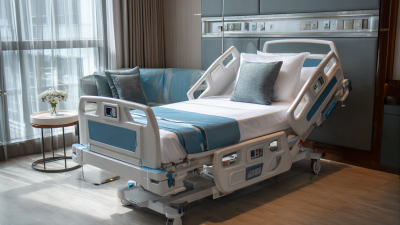
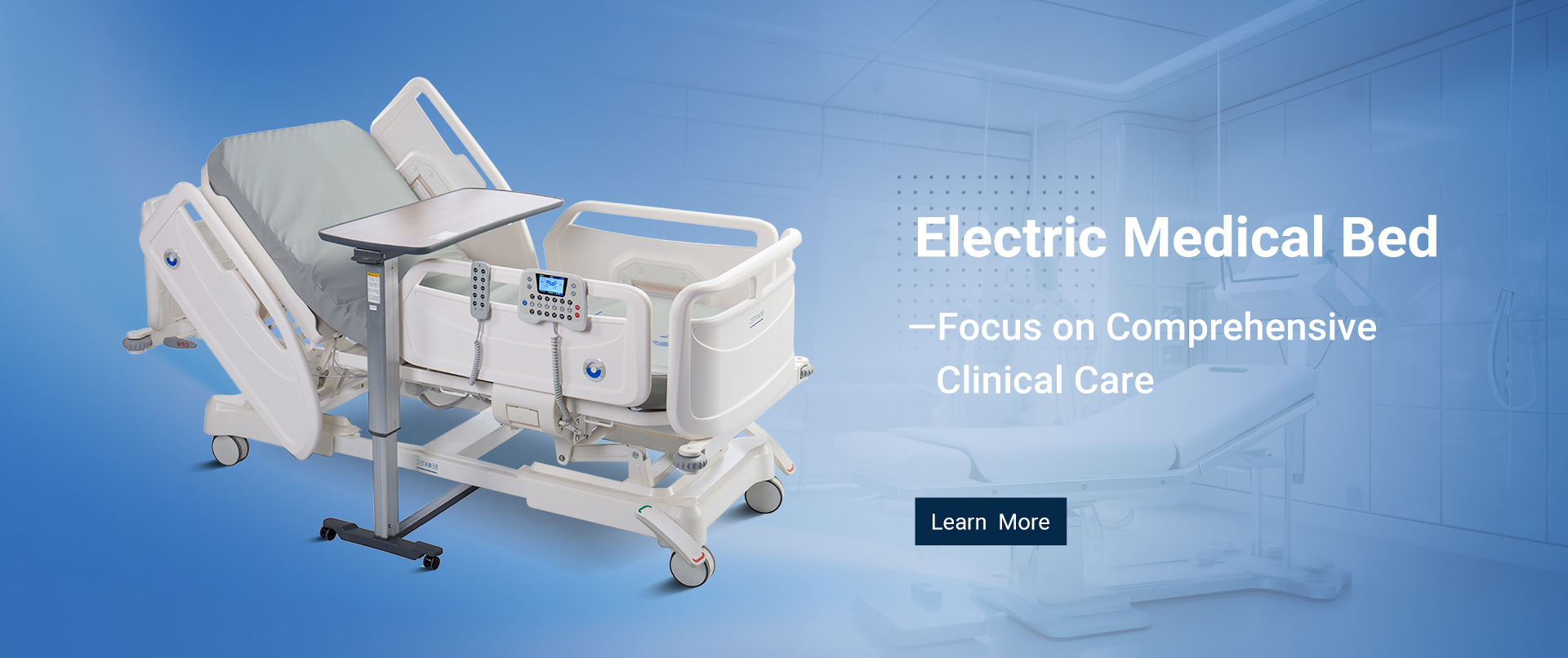
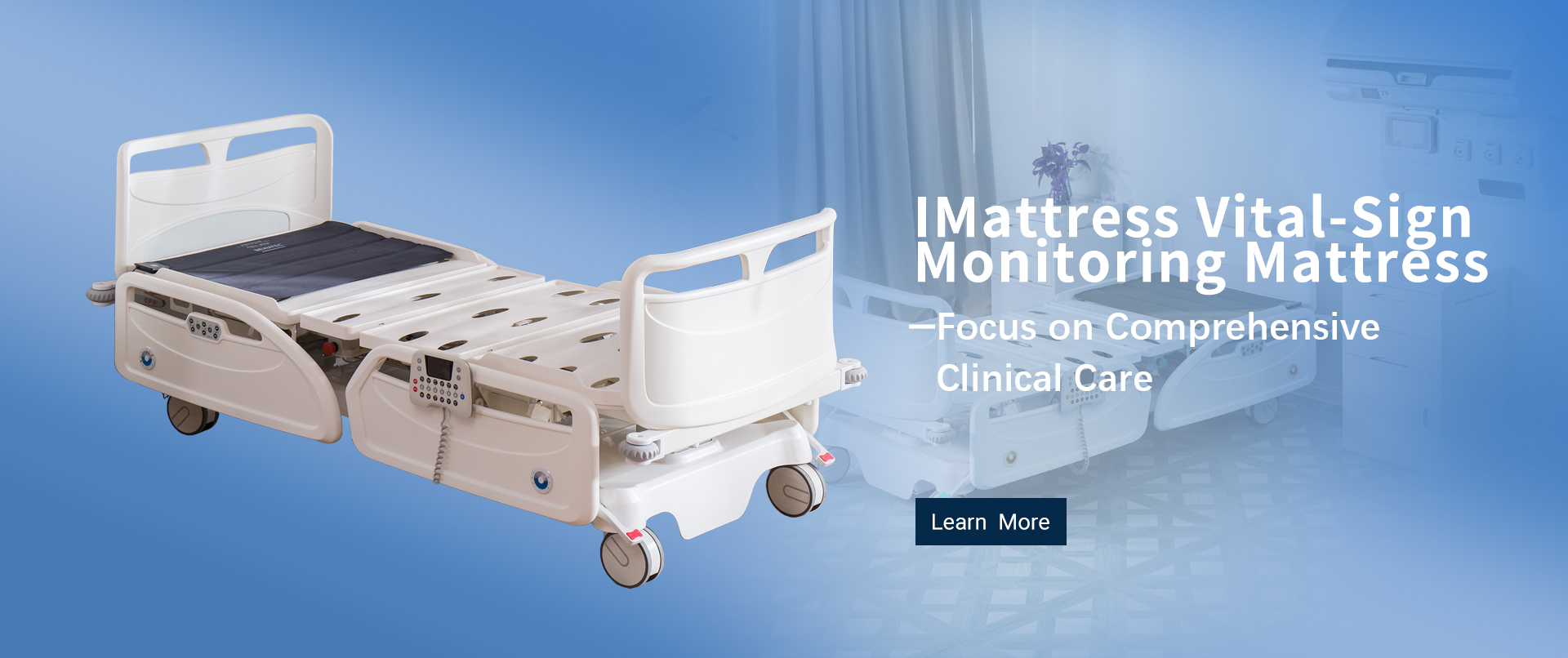
The efficacy of two-function electric beds in healthcare settings is significantly influenced by advanced technical parameters. These parameters can include the bed size, weight capacity, and adjustment capabilities, which play a crucial role in patient comfort and care. For instance, the standard whole bed size measuring 2190×1020×500mm provides ample room for various patient needs, allowing for a more versatile application in different healthcare environments. The specific bed size of 1950 x 850mm ensures a snug fit in typical hospital rooms while accommodating a range of patient body types and mobility levels.

Moreover, the integration of advanced features in electric beds, such as programmable settings and easy adjustability, can enhance their functionality. These beds offer caregivers the ability to modify the position of the patient with precision, ensuring optimal comfort and accessibility which are paramount in therapeutic and recovery scenarios. The combination of ergonomic design and robust technical specifications allows these beds to cater specifically to the varied demands of healthcare settings, ultimately improving patient outcomes and satisfaction.

FAQS

: What is health equipment?

: Health equipment refers to a wide range of tools and devices designed to support the medical needs of patients, including basic instruments like thermometers and stethoscopes, as well as advanced imaging machines and monitoring systems.

Why is health equipment important in healthcare?

Health equipment is vital for enhancing patient care, streamlining healthcare operations, and driving better health outcomes through innovative technology.

What types of health equipment are there?

Health equipment can be categorized into diagnostic tools (like x-ray machines), rehabilitation tools (such as physiotherapy equipment), and life-support equipment (including ventilators and incubators).

How is technology advancing health equipment?

Technology is driving innovations in health equipment through telemedicine, wearable devices, and AI, improving patient outcomes and enhancing healthcare service efficiency.

What impact did telehealth have during the COVID-19 pandemic?

Telehealth usage surged, with a reported 154% increase in visits in March 2020, demonstrating its capacity to provide accessible care and ongoing patient monitoring.

How do AI and data analytics improve diagnostic tools?

AI algorithms enhance diagnostic accuracy in fields like radiology by up to 30%, helping healthcare professionals make better-informed decisions.

What role do wearable health devices play?

Wearable health devices, such as smartwatches and fitness trackers, allow individuals to monitor their health in real time, promoting proactive health management.

Why is it important for healthcare providers and patients to stay informed about health equipment advancements?

Staying informed ensures access to high-quality, reliable health equipment, which is essential for improving the quality of healthcare delivery and patient outcomes.

How does advanced AI contribute to health equipment maintenance?

Advanced AI tools are used for predictive maintenance, ensuring medical devices are operational and ready for use, which is crucial for patient safety.

What is Bewatec's commitment to health equipment?

Bewatec is dedicated to revolutionizing patient experiences through smart medical care, focusing on digital transformation to provide comfortable and personalized healthcare journeys.

Conclusion

Health equipment plays a crucial role in the modern healthcare landscape, encompassing a wide range of essential tools designed to enhance patient care and safety. This comprehensive guide breaks down the various types of health equipment, highlighting their key features and the importance of selecting the right tools to meet specific healthcare needs. With advancements in technology, the health equipment sector is evolving rapidly, enabling more efficient and personalized care solutions.

At Bewatec (Zhejiang) Medical Device Co., Ltd., we are dedicated to the digital transformation of the medical industry, providing specialized smart medical care solutions. Our commitment to developing innovative health equipment ensures that patients experience comfortable and safe care journeys tailored to their individual requirements. By prioritizing maintenance and safety considerations, we aim to lead in offering high-quality health equipment that supports the overall improvement of healthcare delivery.

Liam

Liam

Liam is a dedicated marketing professional at Bewatec (Zhejiang) Medical Device Co., Ltd., where he leverages his extensive knowledge of innovative medical solutions to drive the company's vision of a digital transformation in healthcare. With a keen focus on smart medical care, Liam plays a......
Previous 12 Best Manufacturers for Hospital Beds in China You Should Know