




The healthcare industry right now is facing some pretty tough challenges — and honestly, things have only gotten more complicated thanks to COVID-19, skyrocketing costs, and how quickly tech keeps changing. A report from McKinsey & Company highlights this shift pretty well: about 75% of leaders in the field are now rethinking their operations to be more efficient and improve patient care. Digital transformation isn't just a buzzword anymore; it’s becoming a race against time as organizations scramble to adopt new solutions that can keep up with what patients and healthcare workers need these days.

In all of this, companies like Bewatec (Zhejiang) Medical Device Co., Ltd. are really stepping up to lead the way with smart medical tech. Their goal? To transform the patient experience, making it more comfortable and personalized every step of the way. Of course, with problems like staff shortages and more tough regulations, embracing these advanced technologies isn’t just a nice idea—it’s pretty much a must. According to Deloitte, healthcare providers who jump into digital tech can massively boost their efficiency and improve patient outcomes. It’s clear that tech-driven solutions are paving the way for a stronger, more resilient future in healthcare.
Major Economic Pressures on Healthcare Providers in 2023
The healthcare industry is currently grappling with significant economic pressures that threaten its sustainability in 2023. Hospitals are encountering a perfect storm of persistent cost growth coupled with inadequate reimbursement, which are straining their financial viability. As operational costs escalate, particularly in the context of providing quality patient care, healthcare providers are increasingly challenged to maintain a balanced budget while meeting the needs of their patients.
Additionally, shifting care patterns are prompting a transformation in how healthcare services are delivered. There is a notable shift toward non-acute care delivery and an increased focus on healthcare software and analytics, which are necessary to adapt to changing patient needs. The rising costs associated with prescription drugs further exacerbate the financial challenges faced by healthcare providers. As they navigate these pressures, the imperative for efficiency and higher productivity becomes paramount, driving the need for innovative solutions that can enhance patient engagement without compromising care quality.


Innovative Features and Benefits of Two-Function Electric Beds: A Comprehensive Technical Overview
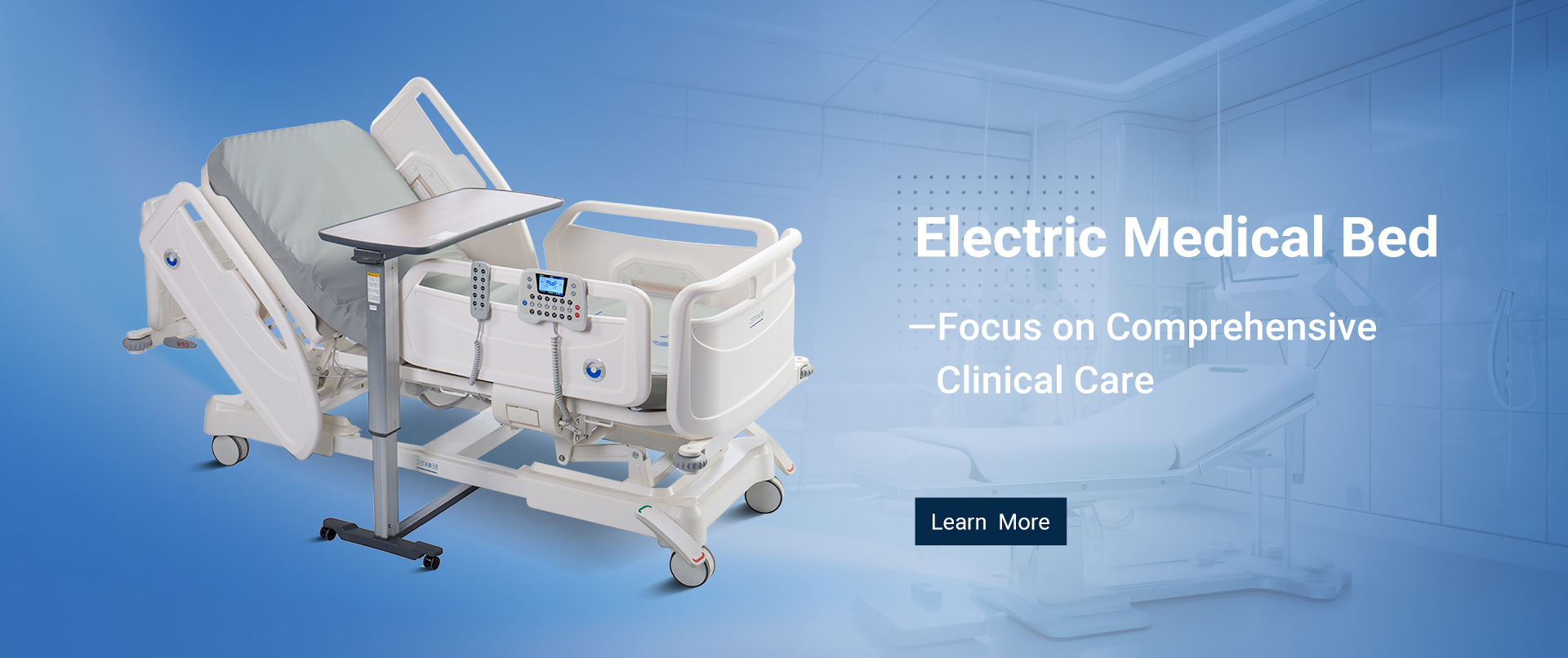
Two-function electric beds have become increasingly popular due to their innovative features that enhance user comfort and convenience. One notable aspect of these beds is their adjustable design, allowing users to find their preferred sleeping or resting position with ease. According to a report by the International Journal of Clinical Rheumatology, approximately 70% of users with chronic pain conditions reported improved sleep quality after using adjustable beds, highlighting the therapeutic benefits of such designs.
The specifications of a two-function electric bed, such as the overall dimensions of 2190×1020×500mm±20mm, indicate a spacious yet compact design that fits well in various living spaces. The bed size of 1950×850±20mm ensures ample room for most users, supporting a wide range of body types while also maintaining a sleek aesthetic. Such dimensions are crucial as they cater to the needs of the growing aging population, which, according to the World Health Organization, will reach 1.5 billion by 2050, emphasizing the demand for products that provide comfort and accessibility.
Moreover, these electric beds often come equipped with additional features such as built-in massage functions and intuitive remote controls. A survey conducted by the National Sleep Foundation revealed that 60% of respondents who used adjustable beds experienced less discomfort during sleep, further solidifying the role of these beds in promoting better health outcomes. With their ergonomic benefits and modern designs, two-function electric beds present a compelling solution for individuals seeking to improve their quality of life and sleep hygiene.

FAQS
: The healthcare industry is facing significant challenges due to regulatory changes, the financial strain of compliance, uncertainty in reimbursement policies, the impact of emerging technologies, and ongoing public health crises exacerbated by the COVID-19 pandemic.
New healthcare regulations require providers to invest heavily in upgraded technologies, staff training, and compliance protocols, which can be complex and resource-intensive, particularly for smaller practices.
Modifications to reimbursement structures, such as those for Medicare and Medicaid, create uncertainty in revenue streams and increase administrative burdens as organizations adapt to avoid penalties.
Technologies like artificial intelligence, telemedicine, and wearable health devices are redefined how care is delivered, improving diagnostics and patient management while challenging traditional healthcare roles and regulatory frameworks.
Telemedicine usage surged by over 150% during the pandemic, providing greater access to healthcare, especially for patients in remote areas, while also prompting adaptations in regulatory and reimbursement models.
The lingering effects of the COVID-19 pandemic have led to a decline in health services, increased hospitalization rates, and a rise in avoidable health complications, straining the healthcare system further.
Organizations should invest in technology that enhances patient management and remote care, train staff on crisis response protocols, and engage with community resources to improve public health responses.
As technologies such as AI and telemedicine become more integrated into healthcare, the need for robust data privacy measures and ethical considerations in their use is crucial to protect patient information.
Compliance pressures resulting from regulatory changes can divert resources away from patient care initiatives, potentially leading to a decline in service accessibility for patients.
Innovative strategies, including the expansion of telehealth, are essential for maintaining access to care and improving safety during ongoing public health challenges, helping healthcare providers reclaim lost ground in service delivery.
Conclusion
The healthcare industry in 2023 is experiencing significant challenges driven by various factors. Major economic pressures are impacting healthcare providers, leading to heightened concerns about financial sustainability. Additionally, staffing shortages are affecting patient care and outcomes, further complicating the delivery of services. The rise of telehealth has created a shift in how traditional services are provided, prompting the need for adaptation. Regulatory changes are also influencing healthcare operations, while emerging technologies are disrupting established practices. Public health challenges, exacerbated by ongoing crises, demand a response from the industry. Furthermore, there is an increasing patient demand for mental health services in a post-pandemic world, underscoring the need for innovative solutions.
In this evolving landscape, companies like Bewatec (Zhejiang) Medical Device Co., Ltd. are at the forefront of addressing these issues by focusing on smart medical care and supporting the digital transformation of the healthcare industry. Their commitment to providing safe, personalized digital care journeys positions them as a key player in evolving healthcare solutions globally.
Related Posts
-

Revolutionizing Patient Care: How Technology is Transforming the Healthcare Industry
-
Innovative Solutions for Enhanced Hospital Furniture and Equipment Efficiency
-

Transforming Healthcare with Innovative Hospital Bed Medical Solutions at the 138th Canton Fair 2025
-

Innovative Strategies for Enhancing Patient Engagement through Healthcare Solutions
-

Ultimate Checklist for Choosing the Right Bed Accessories in Hospitals
-

Exploring Hospital Furniture Innovations at the 2025 China Import and Export Fair


