0%

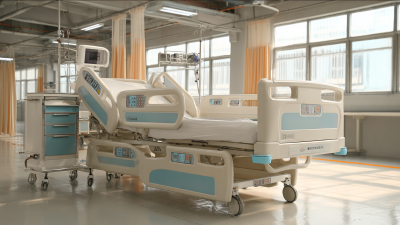
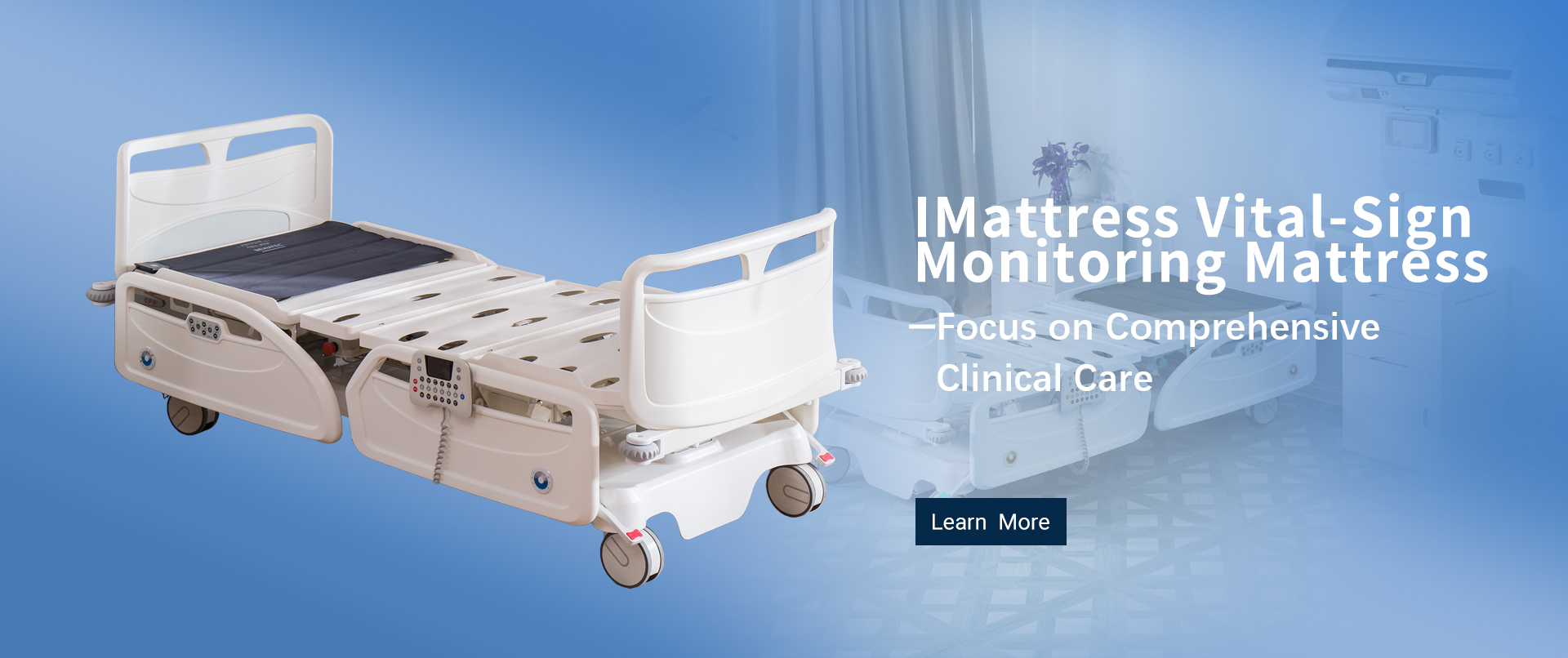
The M2 Hydraulic Transfer Bed is pretty important in a lot of industries these days. It’s designed to make patient handling and transportation smoother and more efficient. With its reliable hydraulic system, lifting and lowering patients becomes almost effortless — which is a real lifesaver.

Made by some of the top companies out there, this bed checks all the boxes for today’s healthcare needs. It’s built sturdy, so it stays stable no matter what, and users tend to love how simple the controls are. Little touches, like the padding and adjustable height, really boost comfort and safety for everyone involved.

That said, it’s not all perfect. Some users find it tough when dealing with heavier loads, and that’s where proper training really makes a difference. Taking the time to get familiar with how to operate it properly can definitely prevent mishaps. Honestly, the M2 Hydraulic Transfer Bed isn’t just another piece of equipment; it’s a reminder that careful handling and some good practices go a long way — especially in healthcare settings.

What is an M2 Hydraulic Transfer Bed and How Does it Work?

What is an M2 Hydraulic Transfer Bed?

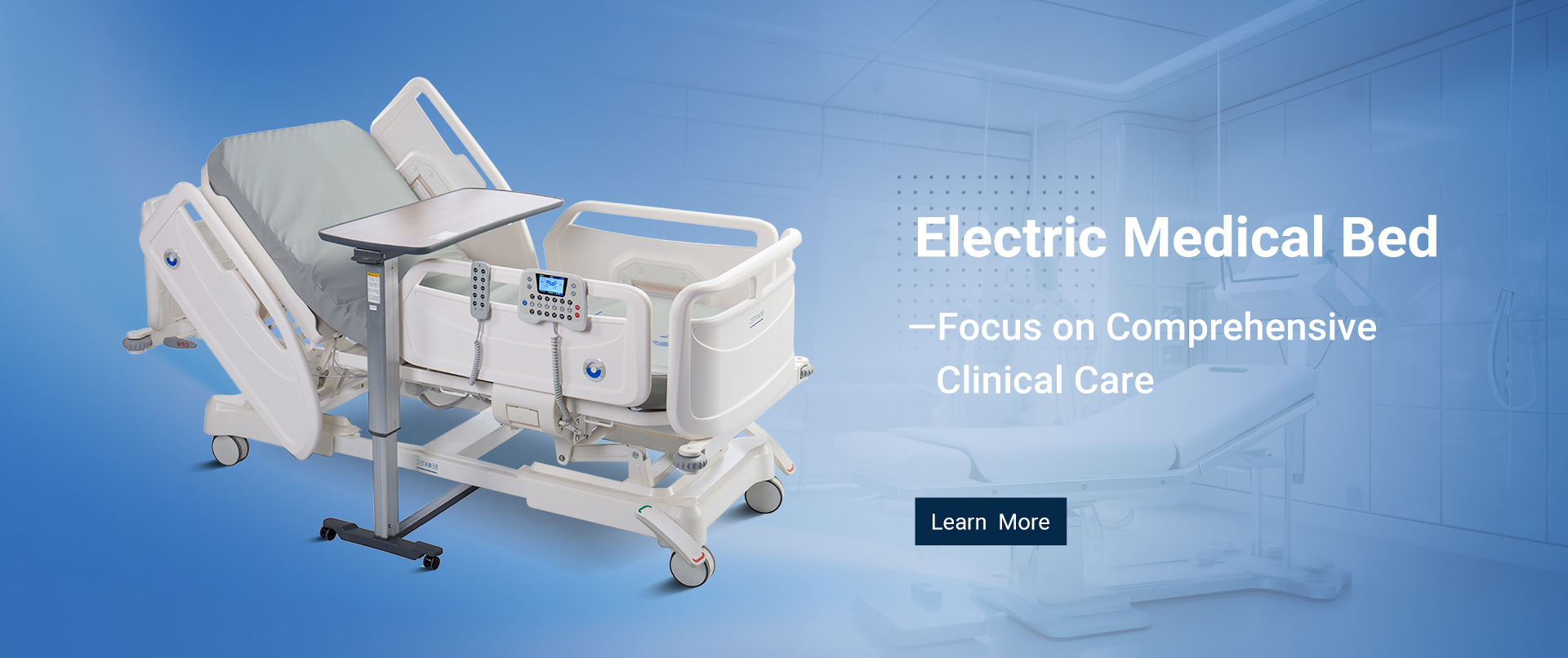
An M2 Hydraulic Transfer Bed is a specialized piece of equipment used in various industries. It is designed to move heavy loads with precision and ease. These beds utilize hydraulic power to lift and transport items, making them ideal for hospitals, factories, and warehouses. The hydraulic system consists of cylinders, pumps, and control valves that work together.

Using an M2 bed is straightforward. Operators control the movement through a hydraulic pump, which generates pressure. This pressure lifts the bed off the ground. The user can adjust the height for transferring items at a comfortable level. The surface of the bed is often flat and sturdy, allowing it to accommodate various payloads securely.

However, like any equipment, the M2 bed has its flaws. Over time, hydraulic systems may leak, affecting performance. Safety issues can arise from improper handling. Operators need training to avoid accidents. Regular maintenance is essential to ensure reliability. Monitoring for wear and tear is critical for safety. The benefits are significant, but the responsibility is equally important.

Key Features of the M2 Hydraulic Transfer Bed

The M2 Hydraulic Transfer Bed stands out in medical facilities due to its innovative features. This bed is designed for efficient patient transfer and safety. One key aspect is its adjustable height, which optimizes the ergonomics for healthcare staff. Studies show that proper height adjustments can reduce back injuries by 35%.

Another feature is its hydraulic system, allowing smooth and controlled movement. The lifting mechanism operates quietly, minimizing disturbances in sensitive environments. The bed's surface is designed with anti-slip materials, ensuring patient safety during transfer. In fact, a report from the Medical Device Safety Institute highlighted that 20% of patient falls in healthcare settings occur during transfers. This emphasizes the importance of secure transfer beds.

Additionally, the M2 is equipped with locking wheels for stability. This feature is crucial when the bed is stationary. A survey conducted among nurses indicated that 40% of them prefer using transport beds with secure locking mechanisms. Overall, the M2 Hydraulic Transfer Bed provides significant advantages but still has room for improvement in weight capacity and ease of use in tight spaces.

How Hydraulic Systems Power the M2 Transfer Bed

What is an M2 Hydraulic Transfer Bed and How Does it Work?

The M2 Hydraulic Transfer Bed uses advanced hydraulic systems to facilitate patient movement. These systems combine fluid mechanics with precise engineering. The result is efficient and controlled lifting. Hydraulic beds can support significant weight, often over 600 pounds. This is crucial in healthcare settings. Data shows that up to 30% of patient transfers result in injury without proper equipment.

Hydraulic systems operate through controlled fluid flow. A pump drives the hydraulic fluid into cylinders, creating motion. This process minimizes manual effort, reducing strain for caregivers. In fact, hospitals that utilize hydraulic beds report a 40% decrease in worker injuries. Such benefits reflect the importance of safety protocols. Users often express concerns about equipment reliability. Regular maintenance can be overlooked, leading to unexpected failures.

The mechanical aspects of the M2 bed include cylinders and control valves. Each part plays a role in its operation. Users need to understand their functions. An understanding can foster better usage and maintenance practices. Yet, challenges remain. Some operators might feel untrained, risking improper use. This highlights the need for thorough training programs as a standard procedure.

Operating Principles of the M2 Hydraulic Transfer Bed

What is an M2 Hydraulic Transfer Bed and How Does it Work?

The M2 hydraulic transfer bed is designed for efficient patient handling. Its operation relies on hydraulic mechanisms to elevate and reposition patients easily. The bed can be adjusted to various heights, assisting caregivers in providing better care. The hydraulic system is activated by a simple hand pump, making it accessible for users.

When in operation, the bed's hydraulic fluid is displaced to lift or lower the surface. This allows for a smooth transfer of patients from one location to another. Side railings enhance safety, preventing accidental falls during transfers. However, ensuring that the hydraulic system is properly maintained is crucial. Without regular checks, the bed's performance might decline.

The compact design of the M2 bed allows it to fit through narrow spaces. Yet, the bed's weight can be a concern. It requires strength for maneuvering in small areas. Operators must be trained to handle the bed effectively. Balancing versatility and ease of use is essential. Such considerations are vital to ensure patient safety and caregiver efficiency.

Advantages of Using an M2 Hydraulic Transfer Bed

The M2 Hydraulic Transfer Bed offers significant advantages in medical and industrial settings. Its design enhances patient comfort and safety during transfers. The hydraulic system allows smooth adjustments, which can be crucial for patient stability. According to a report by the Healthcare Equipment Manufacturers Association, approximately 70% of patient injuries during transfers are due to improper handling. This bed minimizes the risk of such injuries.

Efficiency is another key benefit. The hydraulic mechanism enables quick height adjustments, allowing for seamless transitions between different surfaces. This can save valuable time in critical situations. A study by the International Journal of Healthcare Engineering found that using hydraulic beds can reduce transfer times by 30% compared to traditional methods. Faster transfers lead to improved workflow and patient satisfaction.

However, challenges exist. Maintenance is essential to ensure functionality. Without regular checks, hydraulic systems may fail. The reliance on a hydraulic system can introduce complexities. Operators must be trained to prevent misuse. It's a balance; the M2's advantages can only shine when managed properly.

What is an M2 Hydraulic Transfer Bed and How Does it Work? - Advantages of Using an M2 Hydraulic Transfer Bed

Feature Description
Load Capacity Up to 500 kg (1100 lbs)
Hydraulic System Hydraulic pump for smooth elevation and lowering
Dimensions Standard size: 200 cm x 100 cm (79 in x 39 in)
Adjustable Height Adjustable from 57 cm to 77 cm (22.5 in to 30.3 in)
Safety Features Emergency stop button, overload protection
Mobility Wheeled design for easy transportation
Applications Used in hospitals, clinics, and emergency services
Advantages Increased efficiency, reduced manual handling injuries

Applications of the M2 Hydraulic Transfer Bed in Healthcare

In healthcare settings, the M2 Hydraulic Transfer Bed plays a vital role. This versatile equipment aids in patient movement between different areas. It provides a smooth transition, making it safer and more comfortable for patients. The hydraulic system allows for precise height adjustments, catering to the needs of both patients and medical staff.


One key application is in surgical rooms. When patients need to be moved from a stretcher to an operating table, the M2 bed simplifies the task. It minimizes strain on the staff and enhances patient safety. In some instances, however, if not used correctly, complications can arise. Staff must be trained properly to avoid accidents. Awareness of weight limits and proper handling techniques is essential.


Another important use is in rehabilitation centers. Patients recovering from surgery or injury often require assistance in mobility. The M2 bed supports gentle transfers, encouraging independence. Yet, it's crucial to monitor patients closely during these movements. Each transfer presents an opportunity to reassess their comfort and stability. Providing support is important, but over-reliance can hinder their progress.

Maintenance Tips for the M2 Hydraulic Transfer Bed

Maintaining an M2 Hydraulic Transfer Bed is essential for ensuring its longevity and efficiency. Regular checks on hydraulic fluid levels can help prevent operational issues. If the fluid is low, topping it off can improve functionality. Leaks are a common problem, so look out for any signs. A small puddle can signal a bigger problem.

Cleaning the bed regularly is important. Dust and debris can affect the hydraulic system's performance. Use a damp cloth to wipe down surfaces. Ensure that moving parts are cleared of any obstruction. Lubrication of joints and hinges helps in smooth operation. However, using too much lubricant can attract dirt, which can be counterproductive.

Inspect the wiring and electrical connections often. Loose wires may cause malfunctions. Tight cables are essential for safety and performance. During inspections, take note of any wear and tear on the bed structure. Addressing small issues now can prevent larger problems later. Regular maintenance may seem tedious, but it truly pays off in the long run.

Exploring the Advancements in Hydraulic Transfer Beds: Insights from Recent Industry Reports on the M2 Hydraulic Transfer Bed (Machaon Series)

The M2 Hydraulic Transfer Bed, part of the advanced Machaon Series, represents a significant evolution in the healthcare transport equipment sector. Recent industry reports highlight a growing trend towards the integration of multi-functional features in hydraulic transfer beds, which are increasingly designed to operate effectively in critical conditions. The ability to move quickly and ensure patient safety underlines the essential role these transfer beds play in modern medical facilities.

One pertinent study indicates that hydraulic transfer beds are now engineered to facilitate faster patient transfers while reducing the risk of injury to both patients and healthcare staff. The reports suggest that advancements in hydraulic technology have led to increased stability and ease of maneuverability, essential factors in emergency scenarios. For instance, a contemporary multi-functional transportation trolley, designed specifically for patient safety, emphasizes not only speed but also the incorporation of safety mechanisms that protect both patients and operators during transport.

Moreover, the demand for enhanced functionality in hydraulic transfer equipment is driven by the continuous need for improved patient care practices. With healthcare landscapes evolving rapidly, hospitals and care facilities are prioritizing equipment that not only meets their operational needs but also adheres to rigorous safety standards. The transition towards more advanced models like the M2 Hydraulic Transfer Bed reflects an industry-wide commitment to innovation and excellence in patient handling solutions.

FAQS

: What is the M2 Hydraulic Transfer Bed used for?

: It is designed for efficient patient handling in healthcare settings.

How does the M2 bed's hydraulic system work?

A hand pump activates the hydraulic system, allowing easy height adjustments.

What safety features does the M2 bed have?

The bed has side railings to prevent accidental falls during transfers.

Why is maintenance important for the M2 bed?

Regular checks ensure functionality; neglect can lead to performance issues.

What benefits does the M2 bed provide during patient transfers?

It enhances comfort, safety, and efficiency, reducing transfer times by 30%.

How can the M2 bed be applied in surgical rooms?

It simplifies moving patients from stretchers to operating tables safely.

What should staff be trained in regarding the M2 bed?

They should understand proper handling techniques and weight limits.

Can over-reliance on the bed affect patient progress?

Yes, it may hinder independence and recovery if not monitored carefully.

What challenges come with using the M2 bed?

Training is crucial; improper use can result in accidents or injuries.

How does the M2 bed support patient mobility in rehab centers?

It assists with gentle transfers, encouraging patients to regain independence.

Conclusion

The M2 Hydraulic Transfer Bed is an innovative medical device designed to facilitate safe and efficient patient transfers within healthcare settings. Its key features include a hydraulic system that allows for easy height adjustment and maneuverability, ensuring both patient comfort and caregiver accessibility. By utilizing hydraulic power, the M2 Transfer Bed operates smoothly, providing stability and reducing the risk of injury during transfers.

The advantages of using the M2 Hydraulic Transfer Bed are numerous; it not only enhances patient safety but also streamlines workflows in various medical environments. Common applications include hospitals, rehabilitation centers, and long-term care facilities, where effective patient management is crucial. To maintain optimal performance, regular maintenance is essential, focusing on system checks and cleanliness. Overall, the M2 Hydraulic Transfer Bed is a vital tool in modern healthcare, improving the quality of care provided to patients.

Liam

Liam

Liam is a dedicated marketing professional at Bewatec (Zhejiang) Medical Device Co., Ltd., where he leverages his extensive knowledge of innovative medical solutions to drive the company's vision of a digital transformation in healthcare. With a keen focus on smart medical care, Liam plays a......
Previous 12 Best Manufacturers for Hospital Beds in China You Should Know