


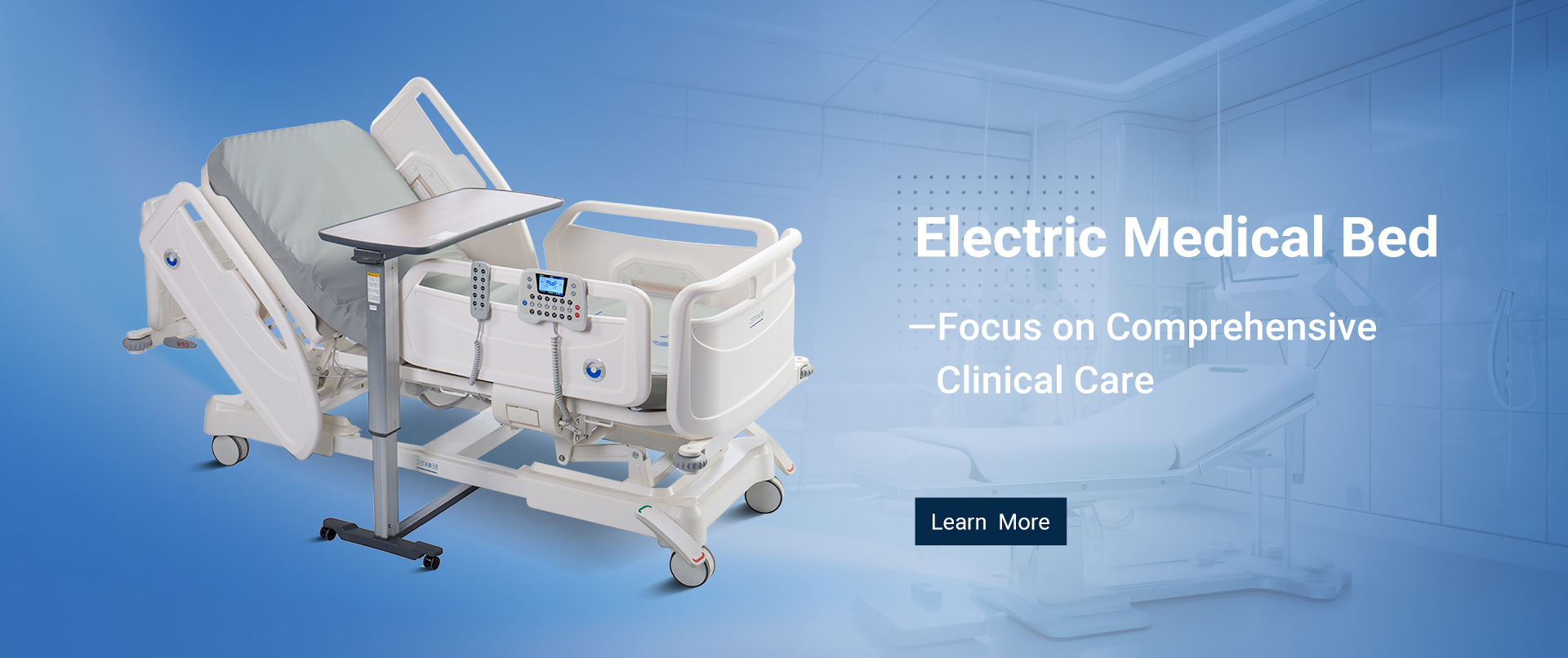
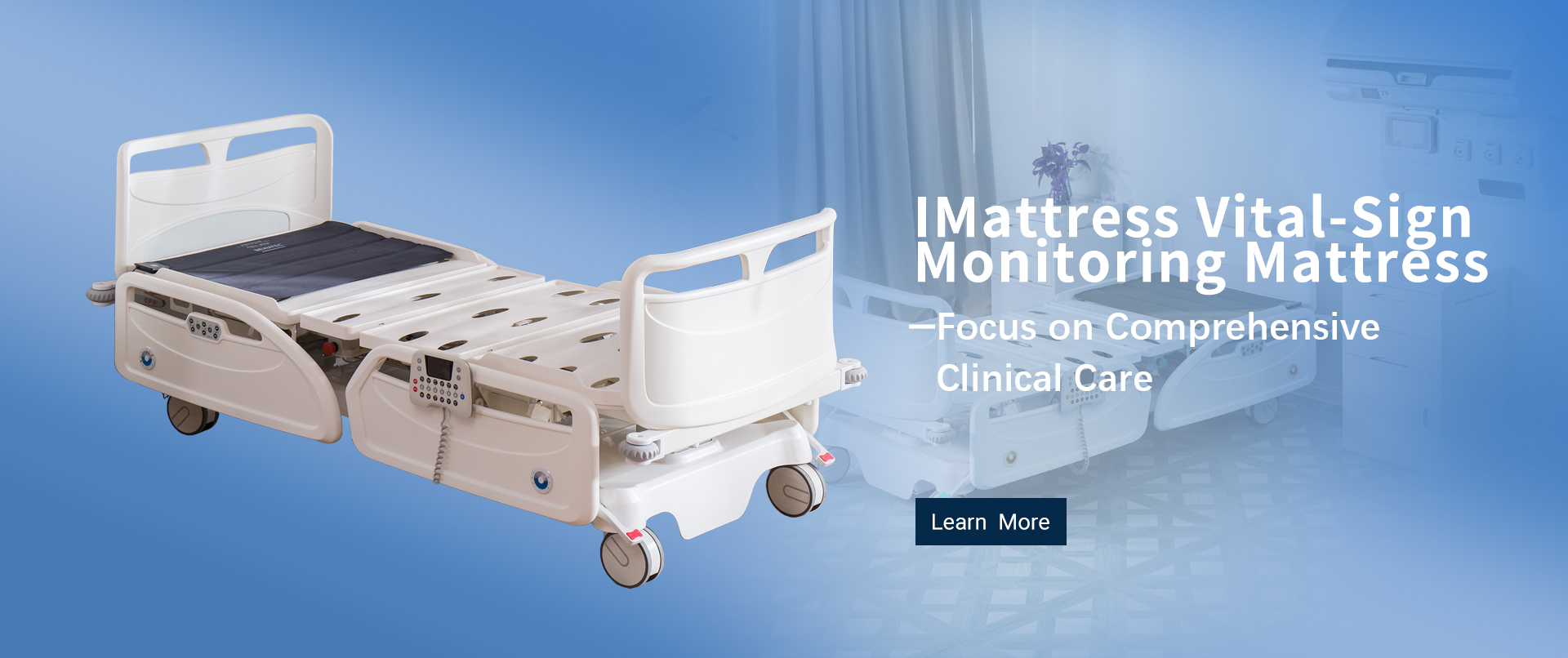

The M2 Hydraulic Transfer Bed really has become a game-changer in the healthcare world. It’s all about making patient transfers smoother and safer than ever before. If you look at the latest reports, like the one from the Global Healthcare Equipment Market, you'll see that the demand for these kinds of hydraulic beds has shot up by over 30% in just the last five years. That just shows how much people are realizing they're a huge help in hospitals and care homes. What makes the M2 stand out? Well, it not only makes things easier for healthcare workers by reducing their physical strain, but it also makes patients feel more comfortable during transfers, which is a big win all around.
Dr. Michael Johnson, a well-known expert in healthcare ergonomics, points out, “The M2 Hydraulic Transfer Bed is not just safer for patients, but it also cuts down the risk of injuries for staff.” His insights really highlight how important good ergonomic design is, especially in places where patients need help moving around a lot. If used and maintained properly, this bed can make the whole process more efficient and benefit everyone involved – both patients and the healthcare teams.
In this guide, we’ll share some practical tips on how to get the most out of your M2 Hydraulic Transfer Bed — from proper use to maintenance. Knowing how it works and the best practices can really help create a safer, more effective environment where quality patient care is the priority.

Understanding the M2 Hydraulic Transfer Bed: Key Features and Benefits

The M2 Hydraulic Transfer Bed is designed with a range of key features that enhance its functionality and user experience. One prominent feature is its adjustable height mechanism, which allows caregivers to easily position the bed at a comfortable level for both patient and caregiver. This adjustability reduces the risk of injury during patient transfers and ensures optimal ergonomics, making it suitable for various care settings, from hospitals to home care.
In addition to height adjustability, the M2 Hydraulic Transfer Bed boasts a robust hydraulic system that facilitates smooth and efficient movement. This aspect is critical for minimizing discomfort for the patient and reducing the physical strain on the caregiver. The bed's sturdy construction and high weight capacity further contribute to its reliability, ensuring safety during transfers. Additionally, the easy-to-clean surfaces aid in maintaining hygiene, an essential aspect in healthcare environments. Overall, the combination of safety features, ergonomic design, and user-friendliness not only enhances patient care but also improves the overall efficiency of medical staff.

Innovative Solutions for Healthcare: Unveiling the M2 Hydraulic Transfer Bed from the Machaon Series
In the ever-evolving field of healthcare, innovative solutions are essential for enhancing patient safety and operational efficiency. The introduction of the M2 Hydraulic Transfer Bed from the Machaon Series exemplifies this commitment to progressive healthcare solutions. This state-of-the-art bed has been meticulously designed to ensure smooth and secure patient transfers, minimizing risks associated with mobility during critical situations. Its hydraulic mechanisms allow for effortless adjustments, catering to the needs of both healthcare professionals and patients alike.
Complementing the M2 Hydraulic Transfer Bed is a multi-functional transportation trolley, designed for both agility and robustness. This trolley excels in fast maneuverability, seamlessly navigating through busy hospital environments while maintaining stability. It operates effectively under rigorous conditions, thus ensuring that patient transportation remains safe and efficient. The emphasis on patient safety in its design makes it an indispensable tool in healthcare settings, where every second counts. Together, these innovations represent a significant leap forward in patient care, underscoring the importance of integrating advanced technologies in medical environments.

FAQS
: Key techniques include ensuring the hydraulic fluid is at the recommended level and free of contaminants, understanding load capacity and distribution guidelines, and mastering control mechanisms for smooth operation.
Regularly check and replace the hydraulic fluid as needed to maintain optimal pressure and reduce wear on components.
Check the hydraulic fluid levels and look for trapped air in the hydraulic system. Bleeding the system can typically resolve these issues.
Ensure the bed is placed on a flat, stable surface and that all locking mechanisms are engaged before operation.
Regularly inspect hoses, cylinders, seals, and lubricate moving parts to identify issues and prevent problems.
Uneven transfer can be caused by an unlevel surface or improper setup of the transfer bed.
By employing optimal operating techniques, conducting regular maintenance, and ensuring proper setup and load distribution.
Overloading can cause unnecessary strain on the hydraulic system, leading to potential damage and reduced efficiency.
Train on the specific features of the equipment, such as safety locks and emergency stop functions, and practice smooth movements to reduce hydraulic shock.
Inspect the hydraulic lines regularly for any leakage and repair them promptly to prevent significant issues.
Conclusion
The "Ultimate Guide to M2 Hydraulic Transfer Bed Tips for Optimal Use and Maintenance" provides essential insights into maximizing the efficiency and longevity of the M2 Hydraulic Transfer Bed. It begins by exploring the key features and benefits of the bed, outlining its critical role in seamless patient transfers. A step-by-step setup guide helps users understand the initial configuration process, while optimal operating techniques are emphasized to enhance performance during use.
Regular maintenance practices are detailed to ensure the M2 Hydraulic Transfer Bed remains in top condition over time. Additionally, the guide addresses common troubleshooting issues that users may encounter, ensuring they can resolve problems swiftly. Safety precautions are highlighted to promote secure usage, and the potential for upgrades and accessories is explored, allowing users to improve their experience further. Overall, this guide serves as a comprehensive resource for anyone utilizing the M2 Hydraulic Transfer Bed, aiming for optimal functionality and safety.
Related Posts
-

Ultimate Checklist for Choosing the Best Hospital Hospital Bed for Your Healthcare Facility
-

Revolutionizing Patient Care: The Impact of Smart Hospital Beds on Recovery Times and Comfort
-

Mastering Best Personalized Care: A Comprehensive Guide to Meeting Global Procurement Standards
-

Future Innovations in IoT Sleep Health Solutions for 2025 and Beyond
-

Leading the Charge: China’s Premier Digital Health Monitoring Innovations for Global Markets
-

2025 Trends: The Ultimate Connected Health Monitoring Solutions for Wifi and 4/5G


