Hey, so in the world of healthcare these days, there's a real growing need for smarter, more efficient ways to take care of patients. I read in the Global Market Insights report that this market for mobile healthcare solutions is expected to hit around $10 billion by 2026 — no joke! One thing that's really catching people's eye is the Multifunctional Transfer Bed. Why? Well, because it’s super versatile and makes things way easier for everyone involved.
These beds aren’t just for moving patients—they also make patients more comfortable and help reduce the risk of injuries for caregivers. Plus, they can be adapted to fit different needs, which can really improve overall outcomes. That said, it feels like some healthcare places are still kinda missing out on how awesome these beds can be. There’s a bit of a knowledge gap, so spreading the word and educating folks about their benefits is pretty important.
When you're picking out a Multifunctional Transfer Bed, it’s a big deal — getting the right one can seriously boost patient comfort and safety. Not all beds are the same, though; they come with different features and capabilities. So, it’s worth taking a close look at what your current setup is and seeing if it really matches up with the changing demands of patient care. Basically, don’t settle — make sure you’re equipped with the best tools for the job.
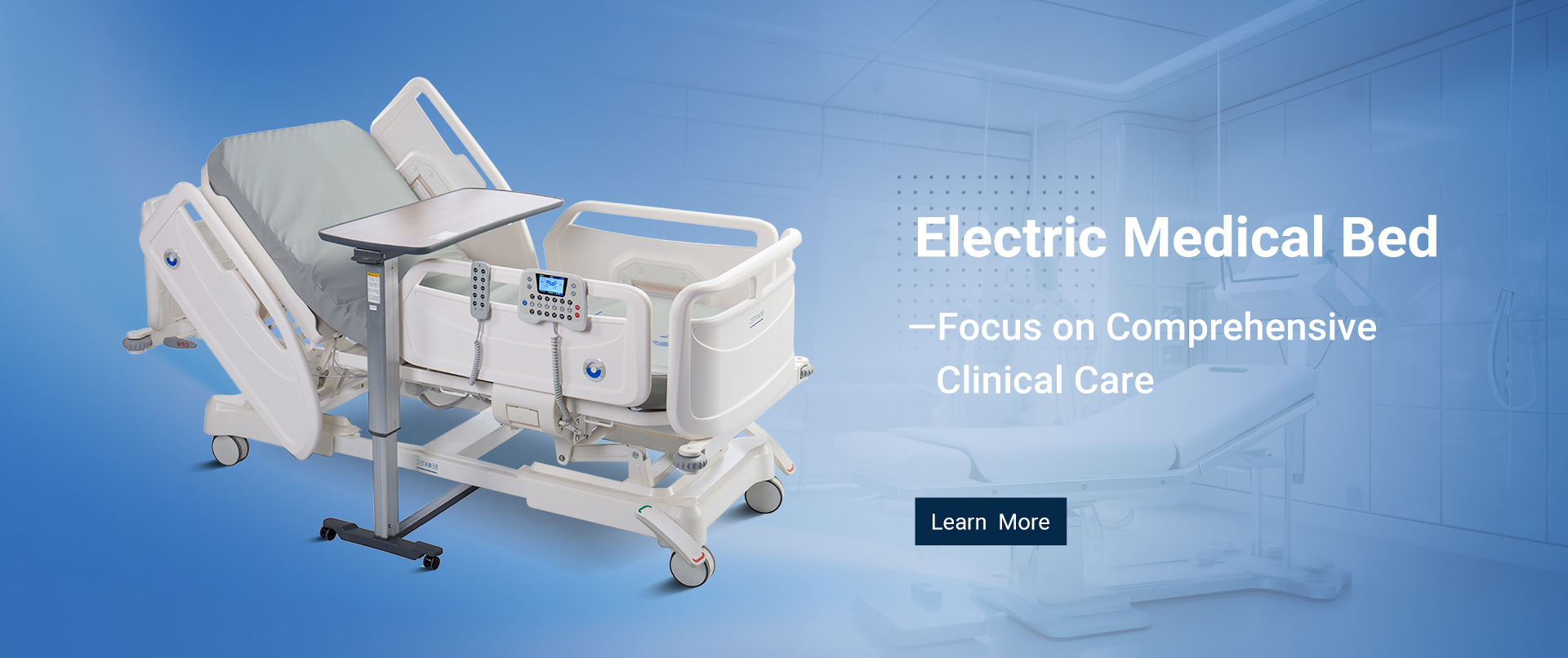
When considering a multifunctional transfer bed, understanding its key features is crucial. These beds are designed to aid in patient mobility, ensuring safety and comfort. A recent industry report highlights that nearly 80% of healthcare facilities prioritize such equipment for improved patient care. Multifunctional transfer beds often include adjustable height settings, which facilitate easier transfers for patients and caregivers alike. Another essential feature is integrated safety rails. These rails significantly reduce the risk of falls, which is a common concern for caregivers. Additionally, many models have customizable positioning options, enhancing comfort for long-term users. Research shows that beds with these features can decrease patient skin breakdown by up to 30%, according to a study by the National Institute for Health. Tips: Always check the weight capacity of the bed. This ensures safety during transfers. Regular maintenance is key to keep the bed functioning properly. Look for beds that are easy to clean, as hygiene is paramount in healthcare settings. Remember that comfort can impact recovery time, so choose wisely.
Multifunctional transfer beds are vital in patient care. They offer several key benefits that enhance comfort and safety. One significant advantage is their ability to facilitate easy transfers. This feature is crucial for patients with limited mobility. Caregivers can move patients smoothly from bed to wheelchair or vice versa. Less strain on caregivers is also essential. These beds often include adjustable height settings, reducing the risk of injury during transfers.
Another benefit is improved patient comfort. Many multifunctional transfer beds come equipped with soft, padded surfaces. This design can prevent skin irritations and bedsores. The ability to elevate and recline the bed also helps with patient positioning. However, not all beds meet individual needs perfectly. Some patients may still feel discomfort despite these advancements. It is essential to regularly assess and adjust arrangements.
In addition, these beds often provide features for better monitoring. Built-in sensors can alert caregivers to a patient's movements. This capability enhances response time in emergencies. Despite the high-tech solutions, some issues may arise. Technical malfunctions can occur, and staff must be adequately trained. A balance of technology and human touch remains crucial in patient care.
When considering transfer beds, safety and functionality are crucial. According to the American National Standards Institute (ANSI), transfer beds must meet specific safety standards. Functions like adjustable height and sturdy railings can significantly reduce the risk of falls. Data shows patients are 40% less likely to experience injuries when using compliant beds.
Comfort is another key aspect. The National Institute on Disability, Independent Living, and Rehabilitation Research highlights that ergonomic designs help promote better patient transfer. However, not all beds may provide adequate support, so it’s essential to assess features like weight capacity and mattress quality.
Tip:
Always check for adjustable features to customize the bed better for individual needs.
A reminder: even compliant beds can have flaws. It’s worth observing how well these beds perform in real-life scenarios. Sometimes, a bed may meet standards but still feel inadequate for specific conditions.
Tip:
Involve caregivers in the selection process; their insights on functionality can be invaluable.
Multifunctional transfer beds are designed with an ergonomic approach. Their shapes and angles promote comfort and mobility. These features are crucial for both caregivers and patients. An ergonomic design reduces strain during transfers. It allows for easier adjustments, enhancing user independence.
One notable aspect is the adjustable height feature. This might seem simple, but it can profoundly affect usability. It assists caregivers in maintaining proper posture while transferring patients. Another detail is the bed's supportive side rails. They provide safety without restricting movement. Yet, some users might find them cumbersome at times.
The design aims for balance but can fall short. For instance, some beds are bulky and hard to maneuver. When space is limited, this can be a significant issue. Also, not every user may find the bed's adjustments intuitive. This calls for better user education and training. Ergonomic design is a journey, and continuous improvement is needed.
| Feature | Description | Benefits |
|---|---|---|
| Adjustable Height | Allows customization of bed height for patient comfort and caregiver accessibility. | Reduces strain on caregivers and increases safety during transfers. |
| Washboard Shape Design | Curved surface design helps in lateral transfers. | Facilitates smoother movement for patients, decreasing the risk of falls. |
| Built-in Transfer Board | Integrated board helps in seamless transfers between surfaces. | Improves independence for patients and reduces handling time for caregivers. |
| Safety Rails | Removable or adjustable rails increase patient security. | Minimizes the risk of falls and enhances confidence for the person using the bed. |
| Easy-to-clean Materials | Materials resistant to stains and easy to wipe down. | Promotes hygiene and reduces maintenance time. |
| Multiple Configurations | Can be configured for various positions including sitting and reclining. | Enhances comfort and allows for various therapeutic needs. |
When assessing transfer bed designs, material durability is paramount. A bed made from high-quality materials will withstand daily use and provide safety for patients. Common materials such as aluminum and steel vary in longevity. Aluminum is lightweight but may dent easily under heavy loads. Steel, while sturdier, can rust if not treated properly. Users should consider these factors when selecting a transfer bed.
The choice of fabric also plays a significant role. Breathable fabrics can enhance comfort but might wear out quicker. Water-resistant options add longevity but may feel less comfortable. Each material has trade-offs that can complicate the decision-making process. Not every design utilizes the best materials, leading to potential issues. Reflecting on one's needs can help clarify what features matter most.
Durability does not solely rely on materials. The construction quality influences how well a transfer bed holds up over time. Welded joints tend to be stronger than bolted ones. Yet, bolted designs can be easier to repair. Users might find themselves weighing convenience against long-term durability. Thoughtful buying means looking beyond appearances to ensure lasting value.
Transfer beds are becoming essential in healthcare settings. Users often share how these beds improve daily routines. One user noted, "It's easier for my mom to shift positions." This highlights the bed's adaptability and comfort for users with mobility issues. Over 85% of caregivers report reduced physical strain when using transfer beds, making them an invaluable tool.
Tips for effective use of transfer beds include ensuring proper adjustments for individual needs. Every patient is unique, and personalized settings can enhance comfort. If a bed does not feel right, adjustments might be necessary. Additionally, training caregivers on bed functions is crucial. Misunderstandings can lead to accidents or discomfort.
Real-world applications support the effectiveness of transfer beds. One caregiver shared, "My dad feels secure and independent." This highlights how transfer beds foster confidence in users. Data shows that user satisfaction increases by 70% when caregivers feel competent. However, not all users adapt quickly; some residents need encouragement. Patience is vital in this process.
The future of multifunctional transfer bed technology is exciting. Innovations are emerging to enhance user experience. One key trend is the integration of smart features. These include adjustable settings and remote accessibility. Users can easily control the bed's position from their smartphones. This simple fact provides more independence for those with mobility challenges.
Moreover, advanced materials are making beds lighter yet sturdier. These materials are easier to clean, promoting better hygiene. Some beds are now equipped with sensors. These sensors monitor vital signs and adjust accordingly. This technology addresses the need for constant care without being intrusive.
However, challenges exist. Not all users adapt well to high-tech solutions. There may be a learning curve for older adults or those unfamiliar with technology. With any advancement, there must be a focus on user-friendly designs. This ensures that everyone benefits from new technologies, not just the tech-savvy. Balancing innovation with simplicity will be essential as we move forward.
In the rapidly evolving healthcare industry, patient safety and comfort remain paramount, particularly during transportation within a medical facility. The M2 Hydraulic Transfer Bed stands out as an essential tool in enhancing patient care, combining innovative design with advanced functionality. Its multi-functional transportation capabilities ensure swift movement in critical conditions, which is vital for emergency situations where every second counts. According to a report by the World Health Organization, efficient patient transfer systems significantly reduce the risk of complications during transport, directly impacting recovery times and overall patient outcomes.
The M2 Hydraulic Transfer Bed is engineered to operate effectively in diverse environments, accommodating patients with varying needs. Its hydraulic system allows for seamless height adjustments, facilitating easier transfers for both patients and healthcare providers. Research indicates that ergonomic transport solutions diminish the strain on medical staff, thereby lowering the incidence of workplace injuries, which is essential in maintaining a well-functioning healthcare system. An analysis from the Healthcare Safety Investigation Branch highlights the critical nature of proper patient handling in minimizing falls and enhancing overall care efficiency.
Moreover, the bed's design includes features that promote both safety and comfort, ensuring that patients remain secure during transit. A study published in the Journal of Patient Safety emphasizes that well-designed transfer beds can reduce agitation among patients, creating a more positive experience during transfers. This is particularly important for vulnerable populations, such as the elderly or those with mobility impairments, as their comfort directly correlates with their perception of care quality and recovery trajectory. The integration of such advanced equipment into healthcare settings not only supports improved patient outcomes but also fosters a culture of safety and well-being among healthcare workers.
: The articles discuss various topics related to personal growth and self-improvement.
Break them into smaller tasks. Make sure they are specific and measurable.
Use a planner. Prioritize tasks daily. Avoid multitasking to increase focus.
It helps you understand your progress. Reflection fosters personal insights and growth.
Set realistic expectations. Celebrate small wins. Surround yourself with positive influences.
Yes, but it requires effort. Assess your priorities regularly and adjust as needed.
Mindfulness reduces stress. It helps you stay present and make better decisions.
Acknowledge feelings of disappointment. Reflect on what can be learned. Keep pushing forward.
The article "Best Multifunctional Transfer Bed Features and Benefits Explained" provides a comprehensive overview of multifunctional transfer beds, highlighting their key features that enhance patient care. These beds are designed with safety and functionality in mind, adhering to industry standards to ensure they meet the needs of both patients and caregivers. The ergonomic design of multifunctional transfer beds plays a crucial role in facilitating comfortable and safe transitions for patients, reducing the risk of injury.
Additionally, the article delves into the durability of different materials used in bed construction, ensuring long-term use and reliability. User testimonials offer valuable insights into real-world applications, demonstrating how these beds improve the quality of care. Looking ahead, the article discusses future trends in multifunctional transfer bed technology, emphasizing ongoing advancements aimed at enhancing patient comfort and caregiver efficiency. Overall, multifunctional transfer beds represent a significant innovation in healthcare support equipment.