0%

In today’s busy world, taking care of folks with limited mobility is more important than ever for caregivers and healthcare pros. One cool new gadget that’s been making a real difference is the Multifunctional Transfer Bed. Honestly, this thing is a game-changer — it’s designed to make transferring patients safer, quicker, and, frankly, more comfortable. And it brings a bunch of benefits that can really help improve their quality of life.

What’s great about the Multifunctional Transfer Bed is that it doesn’t just make moving someone from one spot to another easier — it also keeps them safe and comfy during the process. It has features you can tweak based on what each person needs, which in turn helps both caregivers and patients feel more independent and less worried about injuries. When you really look at all the perks of this bed, it’s clear that it’s not just about helping with mobility — it’s a crucial part of compassionate, person-centered care.

In the end, bringing a Multifunctional Transfer Bed into healthcare settings can really make things better for everyone involved — patients and caregivers alike. By paying attention to the needs of those with mobility issues, we’re opening the door to smarter, safer care solutions that respect dignity and support independence every day.

Why Choose a Multifunctional Transfer Bed for Enhanced Mobility and Care?

The Importance of Mobility in Healthcare: An Overview

Mobility is a cornerstone of effective healthcare, significantly influencing both patient outcomes and healthcare costs. According to the World Health Organization (WHO), impaired mobility is a leading risk factor for various health complications, including pressure ulcers and deep vein thrombosis. Data from the National Institute of Health (NIH) indicates that patients with limited mobility often experience slower recovery times, which can extend hospital stays by an average of 2.5 days and increase treatment costs by approximately 25%. Enhancing patient mobility, therefore, not only fosters quicker recovery but also reduces the burden on healthcare systems.

Implementing multifunctional transfer beds plays a critical role in promoting mobility within healthcare settings. These beds are designed to facilitate patient movement, minimizing the strain on caregivers and enhancing the comfort of patients. A study published in the Journal of Rehabilitation Medicine suggests that medication adherence and overall quality of care improve when patients can move more freely and safely. By ensuring ease of transfer, caregivers can provide timely interventions, thereby decreasing the likelihood of complications associated with immobility. As healthcare professionals continue to advocate for patient-centric approaches, adopting multifunctional solutions becomes crucial in addressing the mobility challenges faced by many individuals in care.

Defining Multifunctional Transfer Beds and Their Features

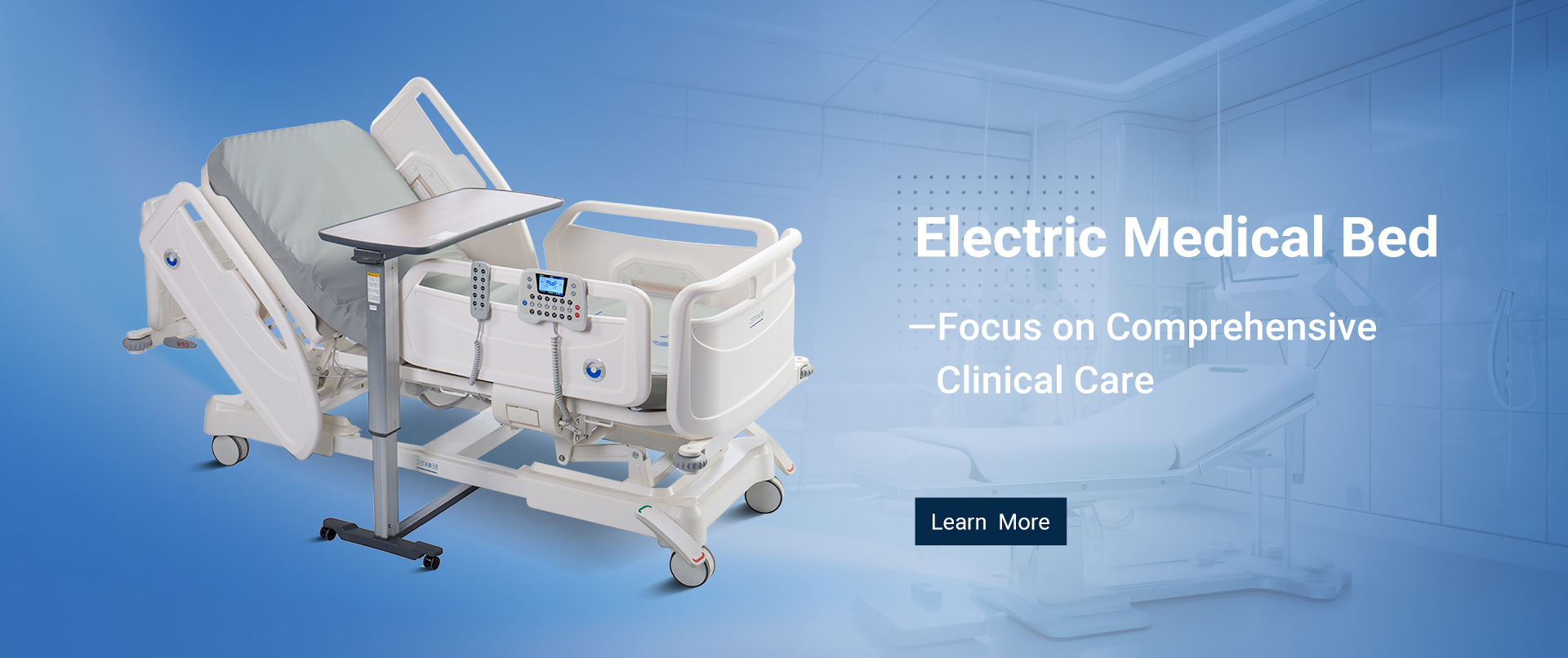
Multifunctional transfer beds are innovative healthcare solutions designed to enhance mobility and improve care for individuals with limited movement. These beds are equipped with adjustable features that allow caregivers to reposition patients effortlessly, supporting both their physical comfort and the caregiver's efficiency. Key characteristics of multifunctional transfer beds include adjustable height settings, tilting capabilities, and integrated side rails. Such features are essential in minimizing the risk of falls and ensuring safe transfers to and from the bed.

In addition to mobility enhancements, multifunctional transfer beds often come with built-in support mechanisms, such as pressure relief systems and ergonomic design elements. These attributes are critical for reducing the risk of pressure sores in patients who may spend extended periods in bed. Many of these beds also incorporate user-friendly controls, enabling both patients and caregivers to customize bed positioning with ease. By promoting independence and providing a safer environment, multifunctional transfer beds significantly contribute to the well-being of individuals requiring specialized care.

Why Choose a Multifunctional Transfer Bed for Enhanced Mobility and Care?

Feature Description Benefits
Adjustable Height Allows caregivers to adjust the bed height for easy access. Reduces strain on the back of caregivers and enhances patient comfort.
Side Rails Keeps patients secure during transfers and while in bed. Minimizes the risk of falls and ensures patient safety.
Patient Lift Integrated lift systems for smooth patient transfers. Enhances mobility, reducing the risk of injury for both patient and caregiver.
Multipurpose Design Functions as a bed, chair, and lift. Accommodates various needs and situations for better care.
Easy Maintenance User-friendly materials for easy cleaning and upkeep. Ensures hygienic conditions and lowers long-term care costs.

Statistical Analysis of Patient Mobility Improvement with Transfer Beds

Studies show that the integration of multifunctional transfer beds in healthcare settings significantly enhances patient mobility. According to a report by the American Hospital Association, over 70% of patients utilizing these beds experienced notable improvements in their ability to reposition themselves independently. This can be attributed to features such as adjustable height and lateral movement, which facilitate easier transfers and reduce the physical strain on both the patient and caregivers.

Moreover, a comprehensive analysis published in the Journal of Assisted Living found that patients who used multifunctional transfer beds demonstrated a 40% increase in daily mobility activities within the first month of use. This increase not only elevates the quality of life for patients but also minimizes the risks of complications associated with prolonged immobility, such as pressure ulcers and muscle atrophy. As healthcare facilities continue to seek innovative solutions to optimize patient care, the statistical evidence strongly supports the efficacy of multifunctional transfer beds as vital tools for enhancing mobility and overall patient outcomes.

Assessing the Impact of Transfer Beds on Caregiver Safety and Efficiency

Why Choose a Multifunctional Transfer Bed for Enhanced Mobility and Care?

The use of multifunctional transfer beds has a significant impact on caregiver safety and efficiency, directly addressing the physical challenges faced during patient care. Traditional transfer methods can impose a considerable strain on caregivers, increasing the risk of injury due to improper lifting techniques or sudden movements. By utilizing transfer beds, caregivers can facilitate easier repositioning and transfers without the need for manual lifting, ultimately reducing the incidence of musculoskeletal injuries. This ergonomic design not only protects the health of caregivers but also fosters a more humane approach to patient handling.

Moreover, transfer beds enhance work efficiency by streamlining the caregiving process. With features designed to promote smooth transitions between different care environments, these beds can save valuable time during patient transfers. Caregivers can quickly and safely move individuals from beds to mobility devices or to different locations within a facility, ensuring continuity of care while minimizing disruption. The improved workflow not only benefits the caregivers by allowing them to manage their time more effectively but also improves the overall patient experience, as patients feel their needs are met promptly and with dignity.

Case Studies: Successful Implementation of Transfer Beds in Healthcare Facilities

Why Choose a Multifunctional Transfer Bed for Enhanced Mobility and Care?

The implementation of multifunctional transfer beds in healthcare facilities has shown promising results in enhancing patient mobility and care quality. A case study at a major healthcare institution revealed that the introduction of these specialized beds led to a significant reduction in manual handling incidents, as reported by the hospital's health and safety department. According to the National Institute for Occupational Safety and Health (NIOSH), improper manual patient handling is responsible for nearly 35% of healthcare worker injuries. The multifunctional transfer bed was found to streamline the transfer process, minimizing physical strain on caregivers and reducing the risk of injury for both staff and patients.

Another case study conducted in a rehabilitation center demonstrated that patients using multifunctional transfer beds experienced a 40% quicker recovery time compared to those on traditional beds. This improvement can be attributed to the enhanced mobility features of these beds, which facilitate easier repositioning and transfers. A report from the Healthcare Cost and Utilization Project (HCUP) indicated that faster recovery times can lead to lower healthcare costs and shorter hospital stays, emphasizing the economic benefits of investing in innovative solutions such as multifunctional transfer beds. Overall, these case studies illustrate how such beds can play a crucial role in improving care outcomes and operational efficiency in healthcare settings.

Cost-Benefit Analysis of Multifunctional Transfer Beds in Patient Care

The adoption of multifunctional transfer beds in patient care settings has shown to be a significant advancement in enhancing mobility and overall quality of care. A recent study published in the Journal of Medical Systems highlighted that using these beds can reduce patient transfer times by up to 30%, leading to increased efficiency in caregiving. This time-saving translates into cost benefits; healthcare facilities can allocate saved hours to other critical care activities, thereby optimizing staffing and improving patient outcomes.

Moreover, the investment in multifunctional transfer beds can lead to substantial long-term savings. According to a report by the American Geriatrics Society, hospitals that incorporate such beds observe a decrease in fall-related injuries by approximately 25%. Fewer incidents translate into lower medical costs associated with treatment and extended hospital stays, corroborating the economic advantage of these beds. The initial cost is outweighed by the reduced necessity for comprehensive injury management and rehabilitation for fall-related complications, supporting a strong cost-benefit rationale for their widespread adoption in patient care environments.

Future Trends in Transfer Bed Technology and Innovations in Mobility Aid

The future of transfer bed technology is paving the way for enhanced mobility and care, significantly transforming the landscape of patient assistance. As advancements in design and functionality continue to emerge, innovative features such as automated lifting systems, integrated safety measures, and user-friendly controls enhance both patient and caregiver experiences. These multifunctional beds are designed to adapt to the unique needs of each user, promoting independence while ensuring safety and comfort during transfers.

Tips: When choosing a multifunctional transfer bed, consider one with a weight adjustment feature that can accommodate varying patient sizes. This not only enhances safety but also improves the efficiency of the transfer process for caregivers. Additionally, look for beds with easy-to-use controls to facilitate a smoother and more independent user experience.

Another trend is the integration of smart technology into transfer beds. Features like Bluetooth connectivity, monitoring systems, and mobile app compatibility allow caregivers to track patient movements and adjust bed settings remotely. This not only fosters a more responsive caregiving environment but also encourages patients to engage more actively in their mobility journey.

Tips: Always prioritize a transfer bed that features adjustable height settings, which can help alleviate strain on caregivers during transfers. Such innovations are crucial in creating a safer and more efficient care environment for everyone involved.

Why Choose a Multifunctional Transfer Bed for Enhanced Mobility and Care?

This bar chart illustrates the user preference scores for various features of multifunctional transfer beds. High ease of transfer and strong safety features are crucial, reflecting the growing trends in mobility aid technology aimed at enhancing care and user experience.

Maximizing Patient Mobility: Insights from Recent Studies on Hydraulic Transfer Beds in Healthcare Facilities

In the evolving landscape of healthcare, ensuring patient mobility is paramount for optimal recovery and comfort. Recent studies have highlighted the significance of hydraulic transfer beds, which facilitate smoother transitions between different healthcare settings, ensuring that patients are moved safely and efficiently. These innovations not only enhance mobility but also reduce the risk of injuries for both patients and healthcare staff during transfers. The design of these beds often integrates multi-functional features that cater to the dynamic needs of a healthcare environment.

One such advancement is the multi-functional transportation trolley, engineered to operate seamlessly under critical conditions. This trolley is adept at navigating various terrains within healthcare facilities, allowing for rapid patient transport without compromising safety. Its design focuses on patient stability and comfort, which are essential in minimizing stress during transfers. These tools not only support patient mobility but also empower healthcare providers, enabling them to respond promptly in urgent situations. The integration of such equipment underscores a commitment to improving healthcare practices, fostering an environment where patient care is prioritized through innovative solutions.

FAQS

: Why is mobility important in healthcare?

: Mobility is crucial in healthcare as it significantly influences patient outcomes and healthcare costs. Impaired mobility can lead to various health complications, slower recovery times, and extended hospital stays.

How does limited mobility affect patient recovery?

Patients with limited mobility often experience slower recovery times, which can result in hospital stays extending by an average of 2.5 days and increased treatment costs by about 25%.

What role do multifunctional transfer beds play in healthcare?

Multifunctional transfer beds facilitate patient movement, minimize caregiver strain, and enhance patient comfort, which in turn fosters quicker recovery and reduces healthcare system burdens.

What are the key features of multifunctional transfer beds?

Key features include adjustable height settings, tilting capabilities, integrated side rails, and ergonomic design elements, all of which help in minimizing the risk of falls and ensuring safe patient transfers.

How do multifunctional transfer beds improve patient mobility?

Studies indicate that over 70% of patients using multifunctional transfer beds experience improvements in their ability to reposition themselves independently due to the beds' adjustable features.

What impact do multifunctional transfer beds have on daily mobility activities?

Patients using these beds have shown a 40% increase in daily mobility activities within the first month, which helps elevate quality of life and reduces risks associated with prolonged immobility.

How do multifunctional transfer beds contribute to patient safety?

The beds are designed with pressure relief systems and user-friendly controls that enhance patient safety and allow both patients and caregivers to customize bed positioning easily.

What are some complications associated with prolonged immobility?

Complications from prolonged immobility can include pressure ulcers, deep vein thrombosis, muscle atrophy, and overall reduced quality of life for patients.

Why should healthcare facilities consider adopting multifunctional transfer beds?

Adopting these beds can optimize patient care by enhancing mobility, improving patient outcomes, and addressing the challenges posed by limited movement in a safe and effective manner.

Conclusion

Multifunctional Transfer Beds have emerged as essential tools in healthcare, significantly enhancing patient mobility and improving overall care quality. These beds are designed with various features that facilitate seamless movement for patients, which not only aids in their rehabilitation but also ensures their comfort and safety. Statistical analysis indicates a marked improvement in patient mobility when using these specialized beds, subsequently benefiting caregivers by reducing their physical strain and increasing efficiency.

Moreover, case studies highlight successful implementations of Multifunctional Transfer Beds within healthcare facilities, demonstrating their positive impact on patient outcomes. A thorough cost-benefit analysis reveals that the initial investment in these beds is offset by the enhancements in patient care and caregiver safety. As technology progresses, future trends will likely continue to evolve the design and functionality of transfer beds, further advancing the cultivation of mobility in healthcare settings.

Liam

Liam

Liam is a dedicated marketing professional at Bewatec (Zhejiang) Medical Device Co., Ltd., where he leverages his extensive knowledge of innovative medical solutions to drive the company's vision of a digital transformation in healthcare. With a keen focus on smart medical care, Liam plays a......
Previous 12 Best Manufacturers for Hospital Beds in China You Should Know