You know, in the constantly changing world of healthcare, the role of nurses really can’t be overstated. They’re the backbone when it comes to keeping patients safe and making sure treatments go smoothly. I read a recent report from the World Health Organization (WHO) that stuck with me—apparently, having enough well-equipped nurses can actually lead to way better patient outcomes, like cutting down hospital readmissions by up to 30%. Pretty eye-opening, right? It just goes to show how crucial it is to invest in good nursing gear because it helps nurses do their jobs more effectively and makes care delivery smoother overall.
Honestly, whether you're a nurse, doctor, or any healthcare pro, having the right tools makes all the difference. There’s this study from the American Association of Colleges of Nursing (AACN) that points out how essential nursing equipment isn’t just about speeding up processes; it also helps team members communicate better, which means patients get more coordinated care. And let’s face it, with the demand for skilled nurses skyrocketing—that's expected to hit a shortfall of about 1.1 million nurses in the US alone by 2025—making sure these pros have what they need is more important than ever. So, in the following sections, I’ll go over the top ten must-have nursing tools every healthcare worker should keep in their kit. Trust me, these are game-changers!
In the dynamic field of healthcare, possessing the right tools is crucial for nursing professionals to deliver high-quality patient care. Essential medical instruments not only enhance the efficiency and accuracy of nursing tasks but also ensure that healthcare providers are well-prepared for any situation. Among the must-have equipment, a stethoscope stands as a fundamental instrument for assessing patients’ heart and lung sounds, allowing nurses to make informed clinical decisions promptly.
Additionally, clinical thermometers and sphygmomanometers are vital for monitoring vital signs. These instruments are indispensable for evaluating a patient's health status and formulating effective care plans. Moreover, having sturdy scissors and tweezers in one’s toolkit allows nurses to handle various tasks, from cutting bandages to removing foreign objects. Each of these essential instruments contributes to the overall assessment, treatment, and monitoring of patients, highlighting the importance of equipping every healthcare professional with the necessary tools to excel in their roles.
In the ever-evolving field of healthcare, safety remains a paramount concern, particularly for nursing professionals who may encounter various hazardous environments. One of the most crucial aspects of ensuring safety in clinical settings is the use of Personal Protective Equipment (PPE). Essential PPE items for healthcare professionals include gloves, masks, gowns, and face shields. These tools create a barrier against pathogens, protecting both the healthcare worker and the patient.
When selecting PPE, it is important to assess the specific risks associated with each patient or procedure. For example, in situations where exposure to bodily fluids is possible, waterproof gowns and double gloving may be advisable. Moreover, proper training in the correct use and disposal of PPE is critical to maximize its effectiveness.
Tips for effective PPE usage include regularly checking for signs of wear and tear, ensuring a proper fit, and staying informed about the latest guidelines on PPE from health authorities. Additionally, remember to perform hand hygiene before and after putting on or removing PPE to further minimize the risk of infection. Prioritizing safety through the appropriate use of PPE not only protects healthcare professionals but ultimately contributes to better patient outcomes.
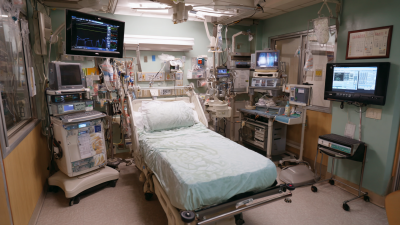
In the fast-paced environment of healthcare, the importance of reliable and efficient healthcare electronics cannot be overstated. Vital monitors and devices play a crucial role in the delivery of patient care, enabling healthcare professionals to make timely decisions based on real-time data. According to a report by Grand View Research, the global patient monitoring equipment market size is expected to reach $38.3 billion by 2025, driven by the increasing prevalence of chronic diseases and the rising demand for remote patient monitoring solutions.
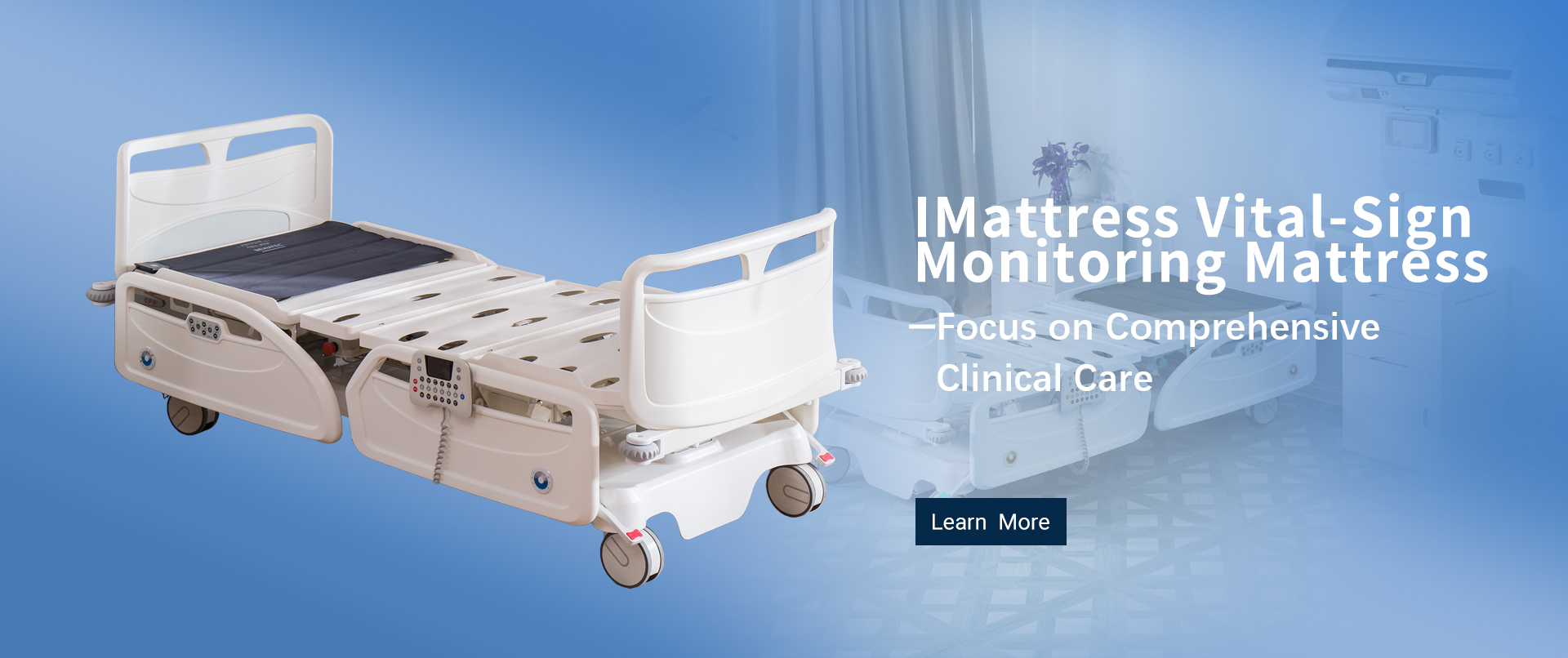
Key components of healthcare electronics encompass a wide range of devices such as ECG monitors, pulse oximeters, and vital signs monitors. These tools ensure that clinicians can continuously track and manage patients' health metrics, reducing the likelihood of critical events. As per a recent analysis by MarketsandMarkets, continuous monitoring of vital signs can lead to a 15% decrease in hospitalization rates for patients with chronic conditions. This not only enhances patient outcomes but also improves operational efficiency within healthcare systems, ultimately contributing to a more sustainable healthcare environment.
Moreover, the integration of advanced technologies such as telehealth and wearable medical devices is transforming the landscape of healthcare electronics. A report from Allied Market Research forecasts that the global telehealth market will reach $459.8 billion by 2026, reflecting the rising adoption of remote monitoring technologies. These innovations allow for improved patient engagement, providing healthcare professionals with valuable data that helps refine treatment plans and enhance patient satisfaction. In this rapidly evolving sector, investing in the right healthcare electronics is essential for professionals aiming to deliver high-quality care.
In the realm of healthcare, having the right nursing equipment is essential for effective patient assessment and diagnosis. A stethoscope, for instance, is a fundamental tool that allows healthcare professionals to listen to the heart and lungs, providing crucial information about a patient's condition. Paired with a blood pressure cuff, these instruments enable nurses to monitor vital signs and detect potential health issues early on.
Another indispensable tool is the otoscope, which permits examination of the ear canal and tympanic membrane. This instrument is vital for assessing ear infections or other auditory concerns. Furthermore, a reliable thermometer is necessary for accurately gauging a patient's body temperature, offering insight into fever and other conditions. Collectively, these basic tools empower healthcare professionals to conduct thorough assessments and make informed decisions regarding patient care, ultimately enhancing the quality of treatment provided.
This bar chart displays the essential nursing equipment used for patient assessment and diagnosis. Each item is critical for healthcare professionals in delivering optimal patient care.
In emergency healthcare situations, the right equipment can be the difference between life and death. According to a report published by the World Health Organization, timely access to critical support equipment significantly improves survival rates in acute scenarios. Essential items such as portable oxygen concentrators, automatic external defibrillators (AEDs), and advanced airway management tools are indispensable for healthcare professionals working in high-pressure environments. Evidence suggests that immediate defibrillation can double or even triple the chances of survival following a cardiac arrest, highlighting the critical role of AEDs in emergency care.
Moreover, effective communication and transport tools are crucial during emergencies. Devices like handheld communication systems and durable stretchers facilitate swift coordination and patient transfer, which are paramount in time-sensitive situations. A study featured in the Journal of Emergency Medical Services emphasizes that rapid transport of patients to healthcare facilities can significantly reduce morbidity and mortality rates. Healthcare professionals must ensure that they are equipped with these vital tools, as they not only enhance their operational capacity but also uphold the standards of patient care during emergencies.
Proper storage and organization of nursing supplies are critical components of delivering efficient patient care. A study conducted by the American Journal of Nursing highlighted that streamlined organization can reduce the time healthcare professionals spend searching for supplies by up to 30%. This efficiency translates directly into better patient outcomes, as nurses are able to allocate more time to patient interaction and care rather than logistics. Effective storage systems not only ensure that essential equipment is easily accessible but also minimize the risk of infection by keeping supplies organized and clean.
In addition, proper storage solutions can significantly impact the longevity and functionality of nursing supplies. According to the National Institute of Health, improper storage conditions can lead to equipment deterioration, resulting in increased costs and waste. For instance, keeping materials in a well-ventilated area and ensuring they are away from direct sunlight can help maintain their integrity. Implementing a structured organization method, such as color-coding or labeling shelves, can promote a tidy environment and encourage proper inventory management, ultimately enhancing the overall efficiency of healthcare facilities.
Advancements in nursing technology have significantly transformed the landscape of patient care, empowering healthcare professionals to provide more efficient and effective services. According to the 2021 Future of Healthcare Report by the Healthcare Information and Management Systems Society (HIMSS), about 55% of healthcare organizations are increasingly adopting advanced technologies such as telehealth, electronic health records (EHR), and mobile health applications. These technologies allow nurses to monitor patients remotely, manage their medications, and provide real-time updates on patient conditions, ultimately enhancing the quality of care delivered.
Moreover, the integration of artificial intelligence (AI) in nursing practices is proving to be a game-changer. A study published in the Journal of Nursing Scholarship found that AI tools can accurately predict patient deterioration with up to 85% accuracy. This capability allows nurses to intervene proactively, reducing the incidence of adverse events. Additionally, the use of wearable devices is on the rise, with a report by Grand View Research estimating that the global wearable medical devices market is expected to reach $27.4 billion by 2026. This technology equips nurses with vital data on patients' vitals, enabling timely adjustments to treatment plans and enhancing overall patient outcomes.
The evolving role of technology in nursing not only improves patient care but also enriches the professional development of nurses. Training programs are increasingly incorporating simulation-based learning and virtual reality, which cater to various learning styles and promote critical thinking. As the healthcare environment continues to evolve, staying updated on these technological advancements is crucial for every healthcare professional, ensuring they can deliver high-quality, patient-centered care in an increasingly complex clinical landscape.
In modern hospitals, the role of bedside tables transcends mere functionality; they are indispensable in enhancing patient care and overall hospital aesthetics. A recent study published in the Journal of Healthcare Design highlights that hospital environments significantly impact patient recovery rates, with well-designed furnishings contributing positively to patient comfort and satisfaction. The integration of stylish and functional bedside tables can create a more inviting atmosphere, which in turn can reduce stress levels and foster a sense of well-being among patients.
When selecting bedside tables for hospital rooms, the attributes of being aesthetically pleasing, lightweight, and sturdy are of paramount importance. Lightweight designs not only facilitate easy repositioning for cleaning and hospital staff needs but also minimize the risk of injury during handling. The emphasis on sturdy construction ensures that these tables can withstand the wear and tear associated with frequent use in a high-paced medical environment. A report from the American Nurse Association indicates that enhancing the physical environment of patient rooms can lead to improved patient outcomes by up to 20%. As hospitals continue to prioritize patient-centered care, investing in functional and stylish bedside tables becomes a critical element in redesigning patient spaces, ultimately leading to higher satisfaction levels and better health results.
Moreover, the aesthetics of bedside tables can play a significant role in making patients feel more comfortable during their stay. Neutral or calming colors that complement the overall room design contribute to a serene environment, essential for recovery. Based on surveys, patients often express that their immediate environment affects their emotional state; thus, modern hospitals are increasingly looking for innovative designs that blend utility with contemporary aesthetics, leading to a holistic approach toward patient care.
: Essential medical instruments for nursing professionals include stethoscopes, clinical thermometers, sphygmomanometers, sturdy scissors, and tweezers. These tools aid in assessing, monitoring, and treating patients effectively.
Vital monitors and healthcare electronics are crucial as they allow healthcare professionals to make timely decisions based on real-time data, improving patient outcomes and operational efficiency.
A stethoscope is fundamental for assessing patients' heart and lung sounds, helping nurses make informed clinical decisions and monitor vital signs.
Continuous monitoring of vital signs can reduce hospitalization rates for patients with chronic conditions by enabling early detection of potential health issues, enhancing patient outcomes.
Besides a stethoscope, essential tools include a blood pressure cuff, otoscope, and reliable thermometer, all of which help in conducting thorough patient assessments.
Telehealth is enhancing healthcare by enabling remote monitoring, improving patient engagement, and providing healthcare professionals with valuable data for refining treatment plans.
The global patient monitoring equipment market is expected to reach $38.3 billion by 2025, driven by the rising demand for chronic disease management and remote monitoring solutions.
Basic tools necessary for effective diagnosis include a stethoscope, blood pressure cuff, otoscope, and thermometer, all of which are essential for evaluating a patient's health status.
Advanced technologies, such as telehealth and wearable medical devices, are transforming healthcare electronics by enabling improved patient monitoring and engagement, thereby enhancing overall care quality.
Investing in the right healthcare electronics is essential for professionals to deliver high-quality care and adapt to the rapidly evolving healthcare landscape.
The article "Top 10 Must Have Nursing Equipment for Every Healthcare Professional" highlights the essential tools and technology that every nursing professional needs to enhance patient care and ensure safety in healthcare settings. It covers a range of crucial medical instruments, including key personal protective equipment (PPE) vital for maintaining hygiene and safety. Additionally, it emphasizes the importance of healthcare electronics, such as vital monitors and devices, which aid in accurate patient assessment and diagnosis.
Moreover, the article discusses basic tools necessary for patient evaluation, critical support equipment required in emergencies, and best practices for the proper storage and organization of nursing supplies. Lastly, it explores recent advancements in nursing technology that significantly improve patient care, making it clear that investing in the right nursing equipment is essential for delivering high-quality healthcare services.