
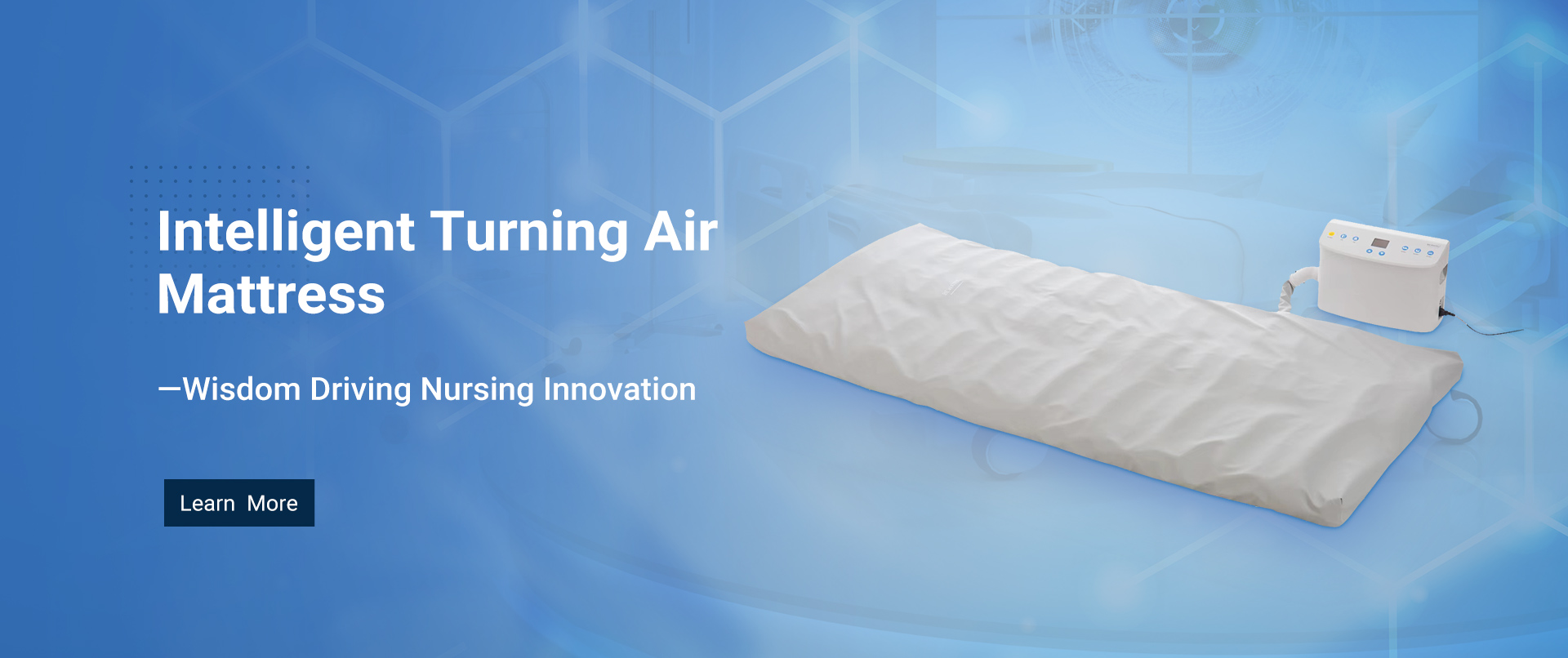

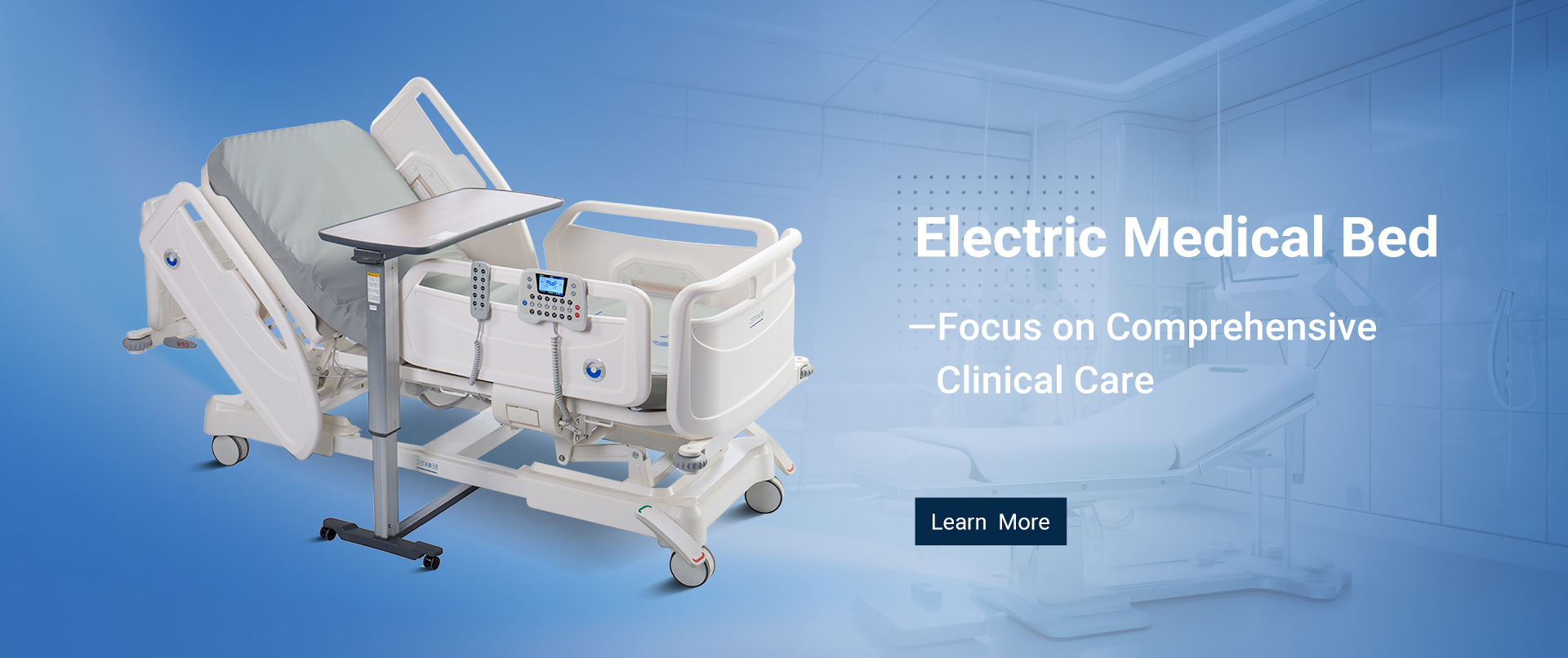
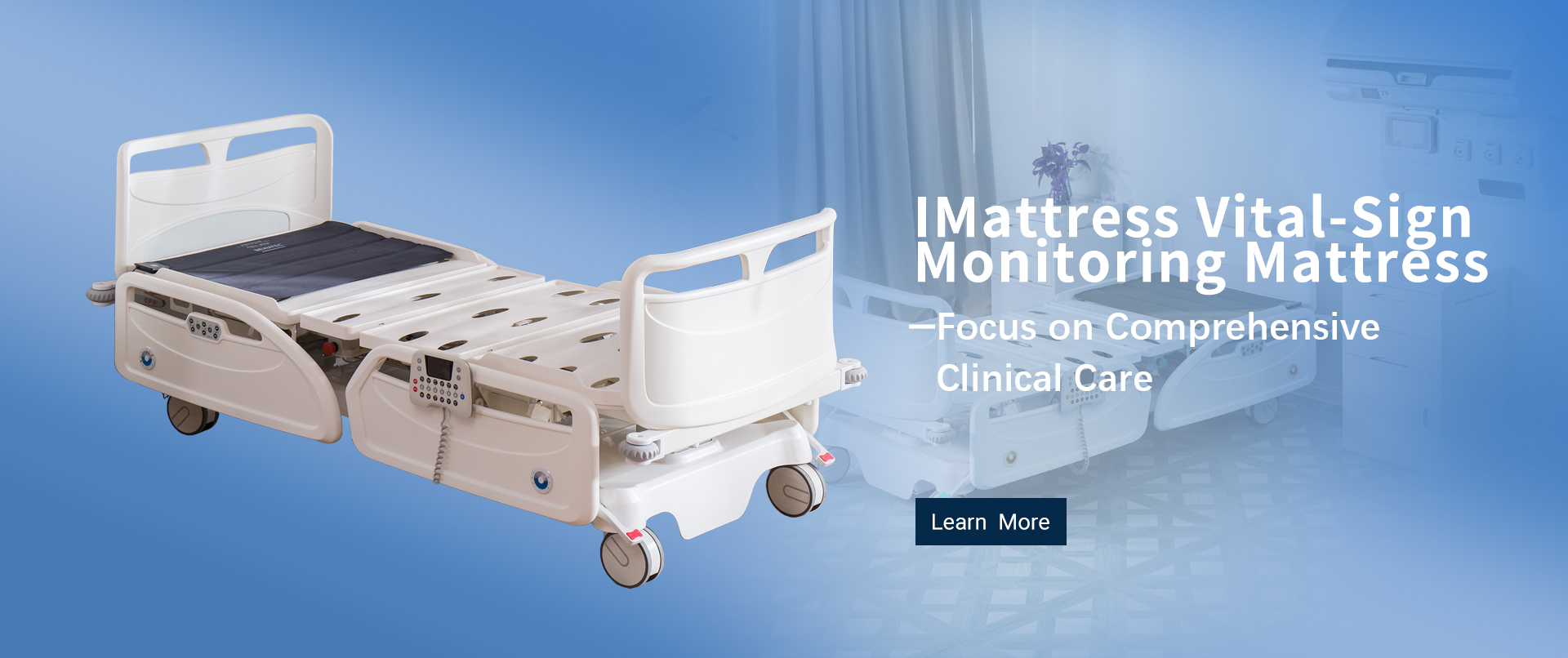

When you think about healthcare, it’s pretty clear that Nursing Equipment is a game-changer when it comes to patient care. Dr. Emily Johnson over at MediTech Solutions puts it simply: "Good nursing tools are the backbone of effective treatment." Honestly, it’s true — having quality equipment can really make a difference in how well patients recover.
Every piece of nursing gear has a specific job, whether it's checking vital signs or helping patients move around. Without reliable tools, things can get pretty messy — missed diagnoses, delays in treatment, you name it. I mean, outdated monitors, for example, can slow down diagnosis times and end up affecting the patient’s recovery process. And let’s not forget, when resources are limited, nurses often end up stressed out, trying to make do with what they have.
Just picture a busy hospital where everything runs smoothly — that’s thanks to well-maintained, efficient equipment. When tools work quickly and reliably, healthcare workers can respond in the moment — which, let's face it, is often a matter of life or death in emergency situations. Unfortunately, not all healthcare facilities keep their equipment up-to-date, and that’s a real concern. It’s high time we raise awareness and push for better investment in nursing tools. Looking at these gaps honestly can help spark some positive change in how healthcare is delivered and, ultimately, make things safer for patients.

Importance of Nursing Equipment in Enhancing Patient Safety and Care
Nursing equipment plays a critical role in enhancing patient safety and care. Various studies indicate that proper use of nursing tools can reduce errors significantly. For instance, a report from the Institute of Medicine highlights that medical errors harm at least 1.5 million people annually. Reliable equipment can help minimize such risks.
In daily practice, monitoring devices ensure accurate assessment of vital signs. According to a survey by the Joint Commission, 75% of sentinel events stem from communication failures and inadequate tools. Having equipped nurses helps bridge these gaps. Yet, not all facilities prioritize the latest technology. Some still rely on outdated tools that can hinder effective care and prompt response times.
The reality is that while most facilities have basic equipment, the consistency in using them varies. Inadequate training on devices can lead to misuse. The World Health Organization emphasizes that 30% of patient injuries occur due to improper use of medical devices. This calls for continuous education and regular maintenance of nursing equipment to ensure optimal patient care.

Transform Your Meals with Elegant Dining Panels: A Guide to Enhancing Your Dining Atmosphere
Transforming your meals into a sophisticated experience can be easily achieved with the introduction of elegant dining panels. These panels not only elevate the aesthetic of your dining space but also enhance the overall atmosphere, making every meal feel like a special occasion. By incorporating elegant designs and rich textures, you can create an inviting environment that encourages conversation and connection among your guests, turning even the simplest dinner into a memorable event.
One of the standout features of dining panels is their convenience and space-saving capabilities. Unlike bulky furniture, these panels can seamlessly fit into various dining settings, allowing you to enhance your space without overwhelming it. They serve as stunning backdrops for your dining area, providing both style and functionality. Whether you’re hosting an intimate gathering or a larger celebration, these panels can be arranged to create an intimate setting that is flexible and adaptable, catering to both your aesthetic desires and practical needs. Embrace the art of dining with these exquisite enhancements, as they breathe new life into your meal times while remaining unobtrusive and functional.

FAQS
: Look for quality, durability, and functionality. Reviews can provide insight into these aspects.
Identify your key requirements before purchasing. Research can help clarify what fits best.
Many sellers offer return options. Check the specific terms before making a purchase.
Contact customer service immediately. They often have protocols for returns or exchanges.
Use online comparison tools. Look at multiple retailers for the best deal.
Most products come with care instructions. Regular maintenance can extend their lifespan.
Impulse buying is one. Always reflect on whether the product truly meets your needs.
Look for reviews from verified customers. Multiple sources can provide a fuller picture.
Yes, warranties can protect against defects. Be aware of what is covered.
Absolutely, many sellers encourage inquiries. Ask about anything unclear to make an informed decision.
Conclusion
Nursing equipment plays a crucial role in enhancing patient safety and quality of care within healthcare settings. Properly designed and maintained equipment can significantly impact patient recovery times by ensuring accurate diagnostics, efficient treatment administration, and minimizing errors associated with medical procedures. Statistics indicate that equipment-related errors can compromise patient safety, highlighting the necessity for regular training and maintenance protocols to ensure that nursing equipment is used effectively.
Every healthcare facility should prioritize key types of nursing equipment to optimize patient outcomes. Furthermore, the integration of advanced technology in nursing practices not only improves the efficiency of care but also aids in reducing costs over time. Investing in quality nursing equipment ultimately leads to better healthcare delivery, emphasizing the pivotal role it plays in modern medical environments.
Related Posts
-

Top 10 Must Have Nursing Equipment for Every Healthcare Professional
-
Understanding the Different Types of Hospital Medical Equipment
-

Unlocking the Essentials: A Comprehensive Guide to Modern Nursing Equipment for Healthcare Professionals
-

Top 10 Essential Tips for Choosing Hospital Equipment You Need to Know
-

Choosing the Right Manufacturer for Best Patient Comfort with a Comparative Analysis
-
7 Compelling Reasons to Choose a Patient Bed With Mattress for Optimal Comfort


