
Choosing the right medical bed really… well, it’s a game changer when it comes to a patient’s comfort and recovery, you know? Dr. Emily Hart, who’s kind of a big deal in rehab tech at MedTech Solutions, puts it simply: “The right Medical Bed can totally transform the quality of care.” That just shows how important it is to make smart, informed choices.
But here’s the thing—picking out a medical bed isn’t just about the fancy features or the latest gadgets. It’s more about really understanding what the patient needs most. Like, a bed with adjustable height can make life easier for caregivers, while a good pressure-relief mattress can help prevent those nasty bedsores. These little details can really make a difference day to day.
Honestly, though, the options can feel pretty overwhelming. Lots of beds might seem similar, but they can vary a lot in price and quality. And honestly, there’s no one-size-fits-all solution. So, it’s about thinking carefully, considering what’s most important for the patient’s comfort and safety. In the end, your choice could really be the difference between a good day and a rough one for them.
When selecting a medical bed, it's crucial to understand the different types available. Hospital beds are a common choice. They feature adjustable heights and positions. These beds are designed for comfort and ease of use. Patients can lie flat or elevate their head and legs. This flexibility can significantly help in recovery.
Another option is the home care bed. These are often more aesthetic and blend into home environments. They provide necessary adjustments while maintaining a more residential look. Some models may lack advanced features. Yet, they still cater well to patients with mobility challenges.
Specialized beds are also available. Pressure relief mattresses can prevent sores. Some beds come with built-in scales for monitoring weight. Others might lack these crucial features. It's essential to assess the needs of the patient. Each option has pros and cons. Finding the right bed requires careful consideration and reflection. Different needs call for different solutions. Consider comfort, functionality, and design in your choice.
Choosing the right medical bed for home use requires careful consideration. The patient's specific needs play a critical role. Think about their size, weight, and health conditions. For example, a heavier individual may require a sturdier bed. Lightweight models are often easier to maneuver.
The bed's adjustability is another factor to ponder. Some beds have adjustable heights and positions, helping with comfort and accessibility. However, not all family members may find using these features easy at first. Practice navigating the controls together to avoid frustrations later. Look for safety features like side rails or anti-slip mats, which can prevent accidents.
Size is also important. Ensure the bed fits well in the designated room. You don't want a cramped space that restricts movement. Be mindful of the room's layout, as improper arrangement can create hazards. It's essential to visualize how the bed will fit into daily routines. Consider your floor space, furniture arrangement, and any necessary medical equipment nearby. The right choice can enhance comfort and safety at home.
| Factor | Description | Importance Level |
|---|---|---|
| Weight Capacity | Ensure the bed can support the weight of the user comfortably. | High |
| Size | Consider the dimensions of the room and the user's physique. | Medium |
| Adjustability | Look for options with adjustable height and positioning features. | High |
| Material | Choose durable and easy-to-clean materials. | Medium |
| Mobility Features | Check for wheels and brakes for easy movement and stability. | Medium |
| Patient Comfort | Evaluate mattress quality and additional comfort features. | High |
| Warranty and Support | Check the warranty period and availability of customer support. | Medium |
| Cost | Evaluate your budget and look for value for money. | High |
When selecting a medical bed, understanding patient needs is crucial.
Comfort and support directly impact sleep quality.
Studies show that nearly 70% of patients report improved rest when bed features align with personal needs.
This highlights the importance of tailored solutions for optimal sleep environments.
Consider specific aspects like weight distribution and pressure relief.
Medical beds should cater to various conditions, such as back pain or mobility issues.
For example, a bed with adjustable settings may provide relief for a patient dealing with chronic pain.
Reports indicate that over 60% of individuals benefit from beds that allow for elevation adjustments.
Yet, failure to assess these needs can lead to discomfort and disrupted sleep.
Many patients might overlook minor details, such as the bed’s height or texture.
These elements can significantly affect user experience.
The wrong choice may mean excessive strain for caregivers and dissatisfaction for patients.
Inadequate evaluation can result in beds that support poorly or feel uncomfortable.
Continuous feedback from patients is essential for better decision-making.
Every choice we make should prioritize the individual’s comfort and support.
When selecting a medical bed, bed height and adjustability are crucial factors. A bed that is too high or low can cause discomfort. It may lead to problems with mobility for elderly or disabled users. Adjustability allows for tailored positions. This can significantly help in recovery processes.
One tip is to consider the user's daily routine. If they often get in and out of bed, height becomes essential. Ideally, the bed should align with the user's knees when they are sitting. This makes transitioning from sitting to standing easier. Another tip is to assess the adjustability features. Motorized beds are convenient but sometimes come with extra complications. Manual adjustments might be simpler and more reliable for certain users.
Remember to reflect on the bed's weight capacity as well. A bed may support certain weights, but over time, stress can lead to wear. Checking the warranty terms can be insightful. This reflects the manufacturer's trust in their product's longevity and reliability. Ultimately, each choice should center on comfort, safety, and ease of use for the individual.
When selecting a medical bed, safety features should be a top priority. The right bed should protect patients from falls and aid caregivers. Consider bed height adjustment options. They can prevent injury during transfers. Side rails are another essential feature. Properly designed rails help reduce the risk of accidental falls.
Look for beds with non-slip surfaces. These can help prevent slipping and offer better stability. Also, weight capacity is critical. Ensure that the bed can support the patient’s weight comfortably. Take time to check if the bed is easy to operate. Complicated mechanisms can pose risks, especially during emergencies.
Sometimes, safety features can seem overwhelming. Patients might feel trapped by side rails. It’s necessary to balance safety with comfort. Caregivers should also evaluate their own safety. Is the bed easy on their backs? Each selection must consider everyone’s needs. A simple bed can sometimes suffice, but don't ignore key safety aspects.
When budgeting for a medical bed, it’s essential to understand the costs involved. Prices can vary widely based on features and functionalities. A basic adjustable bed might cost less, while one with advanced features can be quite expensive. Some beds provide added comforts, such as pressure relief and mobility support. It's crucial to assess what you truly need versus what is nice to have. You might find that what seems necessary at first isn’t the best fit for your situation.
Insurance considerations play a significant role in the purchasing process. Check if your plan covers any aspect of the bed purchase. Many policies may only reimburse a portion of the costs. Understanding your insurance coverage could save you money. Remember, this part can be confusing. You may need to call your insurance provider several times for clarity. Keep a record of what they say. You might also want to consult with a healthcare professional to get the best advice regarding your needs. Don’t rush this step; it's crucial for making a cost-effective decision.
When it comes to selecting a medical bed, research is key. Start by exploring various brands. Look for companies that emphasize quality and reliability. Check their reputation. Reviews can provide insight into real user experiences. A bed should not only be functional but should also serve the comfort and care needs of the patient.
Comparing features is vital. Some beds offer state-of-the-art adjustable positions. Others may focus on safety features like railings. Take note of the materials used in construction. Durability can significantly affect the bed's long-term use. Be aware that not all beds fit neatly into your budget. Sometimes, a cheaper option may lack essential features.
Reflect on your specific needs. Think about who will be using the bed. What conditions do they have? Comfort should be a priority. Measure the available space as well. It might limit your options. In the end, the right choice can make a world of difference in comfort and care.
This chart illustrates the comparison of various features in medical beds, focusing on aspects such as comfort, adjustability, weight capacity, and warranty duration. This data helps in understanding the essential criteria for selecting the right medical bed.
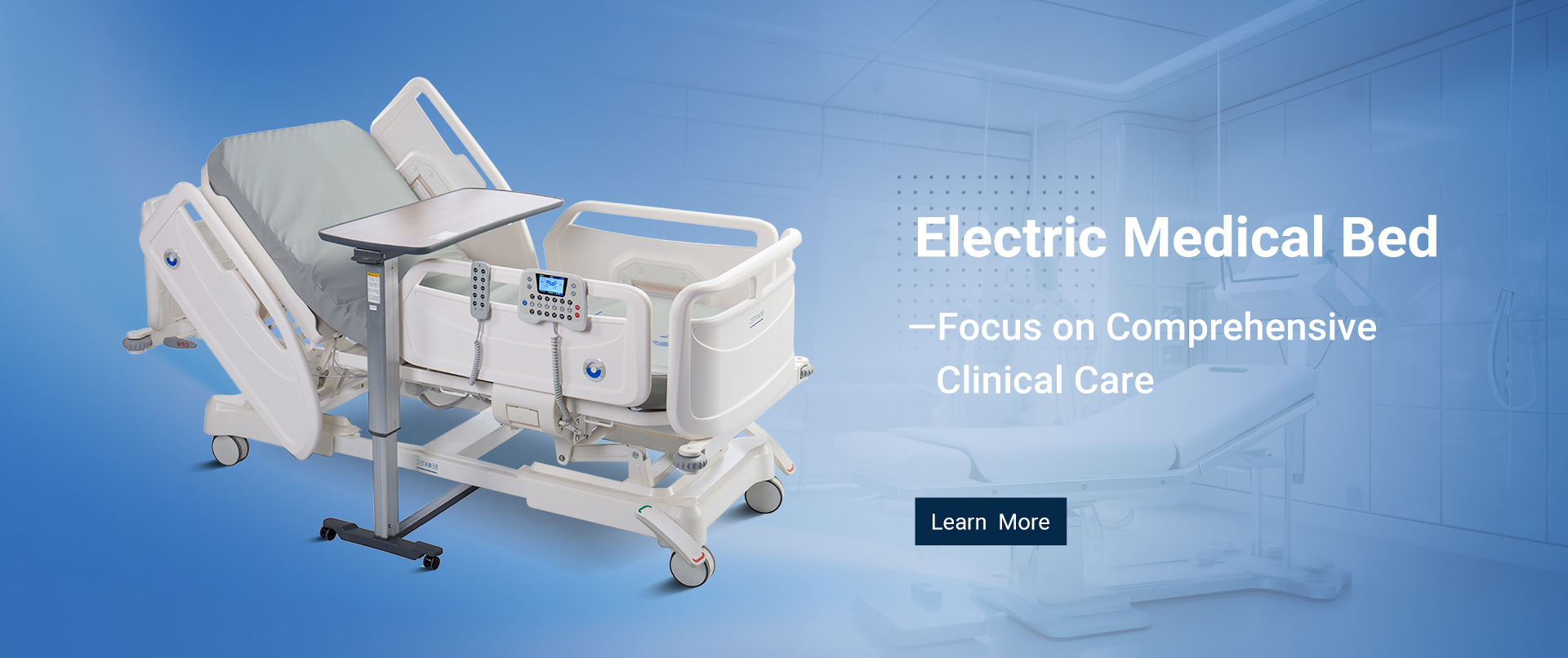
The A7 Electric Medical Bed encapsulates an innovative approach to enhancing patient comfort and care, especially within the Aceso series. This state-of-the-art bed is designed to cater to the diverse needs of patients, ensuring that they receive comprehensive care throughout their journey from emergency situations to recovery. Its unique features prioritize not only the clinical requirements but also the overall well-being of patients, fostering an environment conducive to healing.
With the integration of advanced technology, the A7 bed offers functionalities that allow for personalized adjustments to suit individual comfort levels. Patients can effortlessly change their position, ensuring maximum support for various medical conditions. This flexibility not only aids in physical comfort but also significantly contributes to the psychological ease of patients, helping to reduce anxiety during stressful healthcare situations. Furthermore, the intelligent design minimizes the risk of complications related to prolonged immobility, making it an essential tool in modern critical care settings.
In essence, the A7 Electric Medical Bed stands out as a vital component of patient care, bridging the gap between clinical efficacy and compassionate treatment. By focusing on how the bed addresses both emergency needs and recovery phases, healthcare providers can enhance patient experiences, creating an atmosphere that prioritizes comfort while delivering top-notch medical assistance.
: The product aims to enhance daily routines and improve overall well-being.
Use it as directed on the packaging. Follow the instructions carefully for best results.
Some users may experience mild discomfort. Consider consulting a health professional if concerned.
Yes, but ensure compatibility. Mixing products may lead to unexpected reactions.
Missing a dose is common. Just resume your regular schedule. Don’t double up.
Results may vary. Some see changes within weeks, while others take longer to notice effects.
Returns may be accepted within a specific timeframe. Check the policy for conditions.
Those with certain health conditions or allergies should be cautious. Always read the label.
Sharing is not recommended. Personal use ensures safety and effectiveness for each individual.
Reach out to customer support for assistance. They can provide helpful information and guidance.
When selecting a medical bed, it's crucial to understand the various types available in the market to ensure the best fit for patient needs. Considerations such as comfort, support, bed height, and adjustability features play a significant role in enhancing sleep solutions for individuals with specific health requirements. Ensuring safety features are incorporated into the design can substantially impact the user’s well-being.
Budgeting is another essential aspect, as costs can vary widely, and it's important to explore insurance coverage options that might assist in financing a medical bed. Comprehensive research into different brands can help in identifying beds that offer both quality and reliability, ultimately providing a safer and more comfortable sleeping environment for patients in home care settings.