0%

These days, with healthcare evolving so quickly, the need for effective solutions has honestly never been more urgent. I recently saw a report from Global Market Insights that predicts the healthcare solutions market could top $500 billion by 2030—huge, right? That growing number really drives home how important it is for buyers to navigate this complicated space with some solid, informed strategies.

Dr. Emily Chen, who's pretty much an expert in healthcare management, points out that choosing the right solutions can really make a difference—improving patient outcomes and making things run smoother on the operational side. But in reality, many global buyers struggle when it comes to picking the right tech or service providers. Sometimes, they overlook how important an easy-to-use interface is, or they don’t really think about the long-term benefits of what they're choosing.

Figuring out the best healthcare solutions isn’t something you should rush into, though. It’s all about taking your time, doing your homework, and not just falling for the shiny marketing hype. Instead, focus on real evidence—what actually works in practice—and keep in mind that balancing innovation with practical usability can be tricky, but it’s definitely worth the effort in this fast-changing healthcare world.

Top 10 Healthcare Solutions Tips for Global Buyers

Understanding the Diverse Needs of Global Healthcare Buyers

In the global healthcare market, buyers face unique challenges. Understanding cultural nuances is crucial. Different regions have varying expectations in healthcare services. For example, patient-centered care is paramount in some cultures, while efficient processes take precedence in others. Buyers should tailor their approaches based on these diverse needs.

Technology plays a significant role in addressing these challenges. Buyers should explore telemedicine solutions that cater to remote areas. Many regions lack access to traditional healthcare. Innovations like mobile health applications can bridge these gaps. However, not all technologies suit every market. It's vital to conduct thorough research before making decisions.

Pricing structures also vary widely across countries. What works in one nation may not translate well to another. Understanding local economic conditions can help buyers strategize effectively. This requires ongoing dialogue with local providers. Buyers must embrace adaptability and remain open to learning, as the global healthcare landscape continually evolves.

Assessing Quality and Safety Standards in Healthcare Solutions

In the realm of healthcare solutions, assessing quality and safety standards is paramount. A staggering 80% of healthcare professionals emphasize the need for adherence to strict regulatory guidelines when evaluating new technologies. This underscored the importance of understanding the compliance landscape before making purchase decisions. Organizations often overlook the nuances of various certification bodies, which can lead to expensive mistakes.

Data from the World Health Organization reveals that unsafe healthcare solutions contribute to over 2.6 million deaths annually. Such figures highlight the urgent need for buyers to be diligent. One critical aspect is evaluating how products were developed. Transparency in the manufacturing process can serve as an indicator of reliability. Additionally, engaging in user feedback and case studies brings real-world context to safety standards.

Healthcare solutions should promote a culture of continuous improvement. It’s essential to compare them against national and international benchmarks. Simply checking a box for compliance is inadequate. Analyzing how these solutions impact patient outcomes can be enlightening. This reflective practice ensures accountability and encourages innovation in safety protocols. In a rapidly changing industry, maintaining vigilance is essential.

Evaluating Cost-Effectiveness of Healthcare Products and Services

Evaluating the cost-effectiveness of healthcare products and services is crucial for global buyers. Understanding the true value of a product goes beyond its price tag. It involves assessing overall outcomes, long-term savings, and quality. Many buyers focus solely on upfront costs, neglecting the hidden expenses that may arise later.

Data-driven analysis can help in making informed decisions. Using metrics like patient outcomes, recovery times, and service efficiency provides a clearer picture. Engaging with healthcare professionals to understand their experiences can reveal insights often overlooked in brochures or presentations. Despite this, some buyers may feel overwhelmed by the complexity of these metrics, leading to second guesses about their choices.

Additionally, benchmarking against industry standards is essential. Many products and services vary widely in quality and effectiveness. Conducting thorough research on peer-reviewed studies adds credibility to any claims made. However, a discrepancy often exists between theoretical evaluations and real-world applications. A product might look excellent on paper but fail to deliver desired results in practice. Buyers must remain vigilant, reflecting on both successes and failures in their decision-making processes.

Exploring Innovative Technologies in Global Healthcare

Innovative technologies are revolutionizing global healthcare, paving the way for improved patient care and operational efficiency. The Global Health Innovation Index highlights that 70% of healthcare providers are investing in digital solutions. This trend underscores the shift towards data-driven decision-making in the medical field. For instance, artificial intelligence is being leveraged to enhance diagnostic accuracy. Reports indicate that AI can reduce diagnostic errors by up to 30%, which could significantly improve patient outcomes.

Telemedicine is also gaining traction, especially post-pandemic. A survey by McKinsey found that 58% of consumers are open to using telehealth for future visits. This shift is not without challenges, as disparities in digital access remain a critical issue. Rural areas often experience limited connectivity. Moreover, patient data security concerns loom large. Ensuring the protection of health information is essential for building trust in these emerging solutions.

Investing in blockchain technology could address some of these challenges. With its capacity for secure data sharing, blockchain can enhance transparency in patient histories. However, adoption hurdles exist, such as integration with existing systems. The potential benefits are significant, but the path to realizing them includes navigating a complex landscape of technological and regulatory hurdles.

Navigating Regulatory Compliance in Different Markets

Navigating regulatory compliance in healthcare can be intricate. With varying requirements across markets, global buyers face significant challenges. A report by the World Health Organization highlighted that 70% of healthcare companies find compliance to be a major hurdle. Understanding the regulatory landscape in each region is crucial. For instance, differing standards can lead to delays in product launches.

Success requires local knowledge. Engaging with regional experts can provide insights into approval processes, documentation necessities, and market entry strategies. Reports indicate that firms with local partnerships experience 40% faster approval rates. Regulatory updates are frequent and require constant monitoring. Ignoring these changes can lead to costly compliance failures, impacting both reputation and finances.

Buyers must also consider cultural differences. Regulations are often shaped by social context. A solution effective in one market may be considered inadequate in another. Additionally, 30% of companies reported budget overruns due to unanticipated regulatory costs. Continuous education about local and international regulations can mitigate risks and enhance compliance strategies.

Building Sustainable Relationships with Healthcare Suppliers

Building strong relationships with healthcare suppliers is essential for global buyers. Trust and communication are key. A recent report by Deloitte highlights that 57% of healthcare organizations consider supplier collaboration crucial for achieving operational efficiency. Establishing an open dialogue fosters transparency. Suppliers who share their insights can improve product quality and reduce costs.

Identifying the right partners is vital. Buyers should assess the supplier's track record. Nearly 70% of successful partnerships demonstrate a clear understanding of each other's goals. This means aligning strategies and expectations. Regular feedback loops can enhance these collaborations. Both parties should feel empowered to share constructive criticism.

A proactive approach is beneficial. Engaging suppliers early in the decision-making process leads to better outcomes. A survey showed that organizations involving suppliers in the design processes had a 30% higher success rate. This highlights the value of onboarding suppliers as strategic allies. Mutual investments in training can further strengthen relationships. As the industry evolves, adapting together is crucial. Making time for joint initiatives will pave the way for sustainable partnerships.

Incorporating Patient-Centered Approaches in Procurement Strategies

Incorporating patient-centered approaches in procurement strategies is essential for enhancing healthcare solutions. Buyers should prioritize understanding patient needs and preferences. Engage healthcare professionals to gain insights into what truly matters to patients. This understanding can lead to improved service offerings that ultimately benefit everyone involved.

Designing procurement processes around patient experiences is also vital. Utilize feedback mechanisms such as surveys or focus groups. These methods provide valuable data on patient satisfaction and areas for improvement. Consider integrating technology that allows patients to voice their opinions easily. This can help identify specific procurement gaps.

While aiming for patient-centered strategies, it’s important to acknowledge potential obstacles. Limited budgets and rigid regulations may hinder some initiatives. Be prepared for these challenges and seek innovative ways to address them. Continuous reflection on the effectiveness of these strategies can lead to better outcomes for patients and organizations alike.

Top 10 Healthcare Solutions Tips for Global Buyers

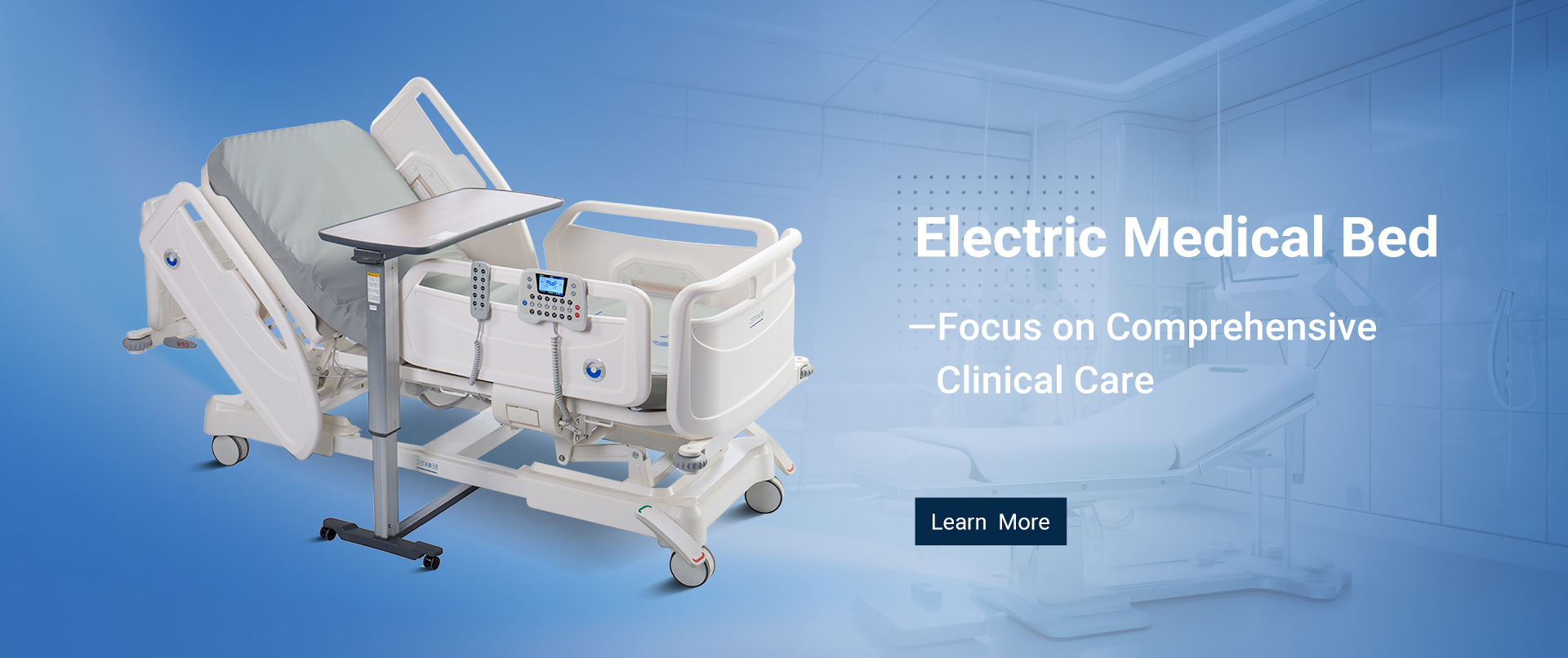
Innovative Features and Technical Specifications of Three-Function Electric Beds for Optimal Comfort and Support

The evolution of electric beds has rapidly transformed the sleep industry, making way for innovative designs that cater to diverse user needs. Among these advancements are three-function electric beds that stand out due to their unique features and technical specifications. With a whole bed size of 2190×1020×(350~650)mm±20mm, and a bed size measuring 1950×850±20mm, these beds not only accommodate various body types but also provide an optimal sleeping experience.

The three-function mechanism enhances comfort by allowing users to adjust the head, foot, and height positions according to personal preferences. Research shows that electrically adjustable beds can improve sleep quality and reduce discomfort for individuals with certain medical conditions, such as arthritis or sleep apnea. Incorporating ergonomic principles, these beds support proper spinal alignment, which is crucial for achieving restorative sleep. A study published in the Journal of Chiropractic Medicine indicated that users of adjustable beds reported a 70% increase in overall sleep satisfaction compared to traditional flat beds.

Moreover, modern electric beds are equipped with additional features such as built-in massage functions and memory foam toppers that enhance relaxation. With adjustable firmness settings and temperature control options, they address specific comfort needs that arise from individual preferences or health issues. As the demand for tailored comfort continues to increase, three-function electric beds play an essential role in promoting better sleep, showcasing how technology can significantly improve our daily lives.

FAQS

: Why is evaluating cost-effectiveness important in healthcare?

: It helps buyers understand the true value, beyond just price, of products and services.

What should buyers consider beyond upfront costs?

Buyers should evaluate long-term savings and hidden expenses that might arise later.

How can data analysis aid decision-making in healthcare procurement?

Data-driven analysis using metrics like patient outcomes can clarify choices and impact.

What role do healthcare professionals play in procurement strategies?

Engaging with them reveals insights that often go unnoticed in promotional materials.

Why is benchmarking against industry standards essential?

It helps assess the quality and effectiveness variations in healthcare products and services.

How can feedback mechanisms improve procurement processes?

Surveys and focus groups provide data on patient satisfaction and highlight improvement areas.

What challenges might arise when implementing patient-centered approaches?

Limited budgets and rigid regulations may impede certain patient-centered initiatives.

Should buyers trust theoretical evaluations completely?

Not necessarily; real-world application may differ from theoretical results.

How can technology assist in understanding patient needs?

Integrating tech solutions allows patients to easily voice their opinions and experiences.

What should buyers do if faced with procurement challenges?

They should seek innovative ways to overcome obstacles and continuously reflect on their strategies.

Conclusion

In the constantly evolving landscape of global healthcare, understanding the diverse needs of healthcare buyers is crucial for effective procurement strategies. A key aspect involves assessing quality and safety standards in healthcare solutions to ensure that products and services meet rigorous requirements. Evaluating cost-effectiveness is also vital, allowing buyers to make informed decisions while balancing budgets.

Innovative technologies play a significant role in enhancing healthcare solutions, and navigating the regulatory compliance landscape across different markets is paramount. Moreover, building sustainable relationships with healthcare suppliers fosters long-term partnerships, while incorporating patient-centered approaches ensures that the end-users' needs are prioritized. Overall, these tips provide a comprehensive framework for global buyers to enhance their procurement processes in the healthcare sector.

Liam

Liam

Liam is a dedicated marketing professional at Bewatec (Zhejiang) Medical Device Co., Ltd., where he leverages his extensive knowledge of innovative medical solutions to drive the company's vision of a digital transformation in healthcare. With a keen focus on smart medical care, Liam plays a......
Previous 2026 Top Health Equipment Trends for Global Buyers?