0%

When it comes to healthcare, understanding the different types of hospital beds is pretty important. Dr. Sarah Thompson from MedTech Innovations points out that, “Choosing the right hospital bed can really make a difference in how well a patient recovers.” It’s a simple statement, but it highlights just how crucial the right equipment is for providing good patient care.

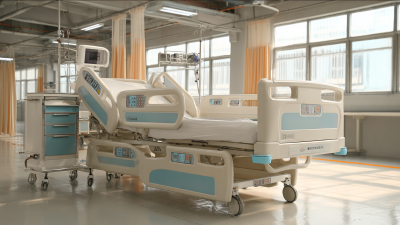
Hospital beds aren’t all the same—there are plenty of styles and features out there. Some basic models do the job, but more advanced ones come with perks like adjustable heights or extra support. These aren’t just fancy extras; they actually make things more comfortable and easier for both patients and the staff tending to them.

That said, with so many options, it can get pretty confusing. Sometimes, facilities might overlook what’s truly needed, which can lead to issues down the line. Picking the right bed can really improve a patient’s experience, but unfortunately, things like budget limits or just not being aware of all the choices can hold people back. Ultimately, making sure you choose the right bed is key to providing the best possible care.

Top 10 Hospital Bed Types You Should Know About?

Understanding the Importance of Hospital Beds in Patient Care

Hospital beds play a crucial role in patient care. They are more than just a place for patients to lie down. According to a recent report, about 60% of hospital bed failures stem from improper maintenance, impacting patient comfort and safety. This highlights the need for effective management and regular inspections.

Different bed types assist in various treatment needs. For instance, adjustable beds cater to patients with mobility issues. A study shows that 75% of caregivers find specialized beds reduce the risk of bedsores. Yet, not all facilities prioritize these updates. According to the Joint Commission, many hospitals still use outdated models, risking patient care quality.

Inadequate training on bed usage can lead to mishaps. Data suggests that 50% of nursing staff may not be familiar with advanced features. This lack of education diminishes how effectively these beds can support patients’ recovery. Thus, there’s a clear call for both updated beds and thorough training. Addressing these gaps can enhance patient recovery and satisfaction significantly.

Types of Hospital Beds Based on Patient Mobility Needs

Top 10 Hospital Bed Types You Should Know About?

When it comes to patient mobility, hospital beds play a crucial role. Some patients have limited movement due to their conditions. Therefore, specific bed types cater to these unique needs. For example, a semi-electric bed allows easy adjustments with minimal effort. This feature is helpful for both patients and caregivers. Patients can adjust their positions as needed. This helps in alleviating discomfort and promoting better circulation.

Another key type is the low-profile bed. This design reduces the height, making it safer for patients at risk of falling. Additionally, these beds often have side rails that can be adjusted. This adds an extra layer of safety without compromising comfort. However, not all patients may find this design suitable. Individual preferences and needs can vary significantly.

Furthermore, there are specialized beds for critical care patients. These typically include advanced features, like weight distribution settings. They help in minimizing pressure sores—a common issue among immobile patients. While these beds are advanced, they sometimes can be daunting for patients unfamiliar with technology. The complexity can lead to frustration, requiring additional staff training. Understanding these diverse bed types is essential, but implementation challenges may arise in practice.

Overview of Manual vs. Electric Hospital Beds

When considering hospital beds, manual and electric options stand out. Manual hospital beds require staff to adjust the position using cranks or levers. These beds are cost-effective but can lead to physical strain on caregivers. According to a report from the World Health Organization, 35% of caregivers experience back pain due to manual handling. This highlights a critical issue in patient care.

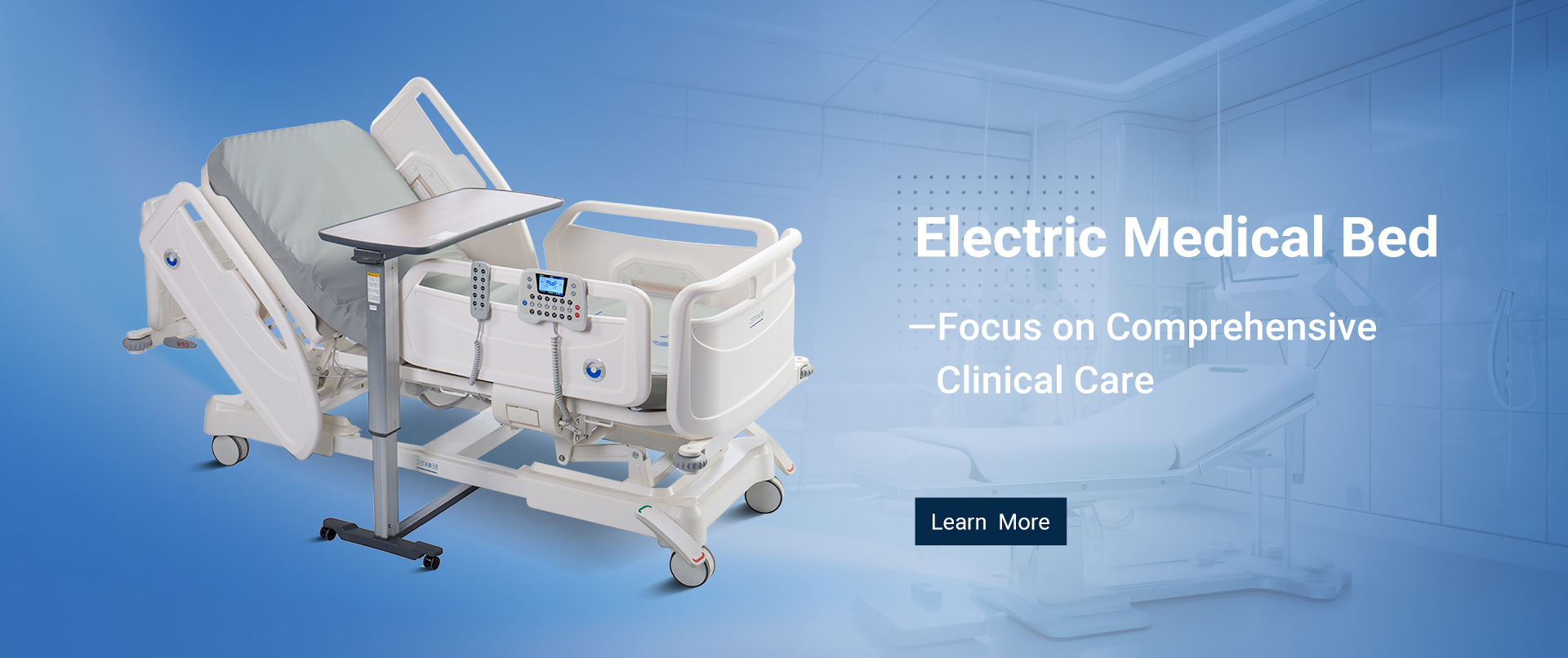
In contrast, electric hospital beds offer more convenience and comfort. They come with motorized adjustments, allowing patients to change positions effortlessly. A study published in the Journal of Healthcare Engineering indicates that 72% of patients prefer electric beds for their ease of use. However, they require electricity, which can be unreliable in some regions. This dependence might expose facilities to risks during power outages.

It's also worth noting the maintenance aspect. Electric beds may incur higher repair costs over time. Regular servicing is needed to prevent malfunctions. According to industry data, up to 15% of electric beds face operational issues annually, raising questions about their long-term reliability. Balancing comfort and convenience with practicality is essential when choosing between these two types of beds.

Specialty Beds for Pressure Ulcer Prevention

Pressure ulcers are a critical concern for patients with limited mobility. Specialty beds play a vital role in prevention. These beds often feature advanced support surfaces that redistribute pressure. They can change positions automatically throughout the day, which helps maintain proper blood flow.

Some beds include air or gel-filled mattresses for enhanced comfort. However, not all beds provide the same level of support. It’s essential to assess the specific needs of patients. For instance, some individuals may require more frequent adjustments to avoid pressure buildup. Too often, standard beds are used in situations where specialty options are necessary.

Many healthcare providers may overlook the importance of proper bedding. Educational resources and training are crucial for staff. Understanding how different bed types can mitigate risks is vital. Sometimes, simple changes can have a significant impact on patient outcomes. Quality of care should not be compromised due to oversight or lack of resources. It's a continuous journey toward better prevention strategies.

Features of Pediatric Hospital Beds for Young Patients

Pediatric hospital beds play a crucial role in the care of young patients. These beds are designed with the specific needs of children in mind. They often feature adjustable heights to accommodate medical staff and enhance safety for fragile patients. A side rail is a must for preventing falls, and these rails can usually be lowered when needed.

One noteworthy aspect is the design. Many of these beds come with playful themes. Bright colors and fun patterns can help reduce anxiety for children. Still, one must remember that comfort isn't everything. Some designs may not be practical for all patient types, and that’s worth considering. For instance, the bed should allow for easy access to medical equipment.

Safety is paramount in pediatric care. Beds often incorporate locking wheels to prevent movement when in use. However, the challenge lies in ensuring that the bed is also easy to maneuver when needed. Not all hospital environments can accommodate large beds. While advanced features are essential, simplicity often leads to better functionality. Balancing aesthetics with practicality remains an area for reflection and improvement in pediatric hospital bed design.

Advanced Technology in Smart Hospital Beds

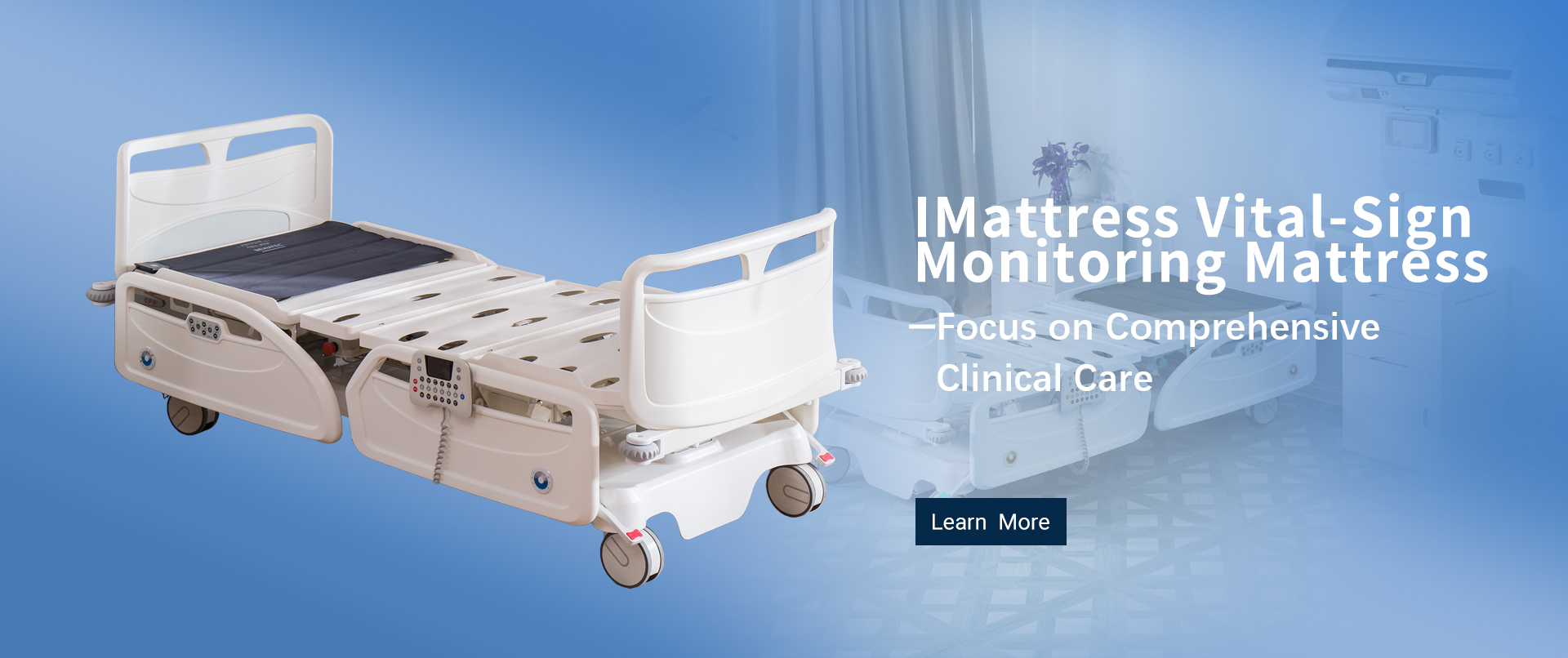
Smart hospital beds represent a significant advancement in healthcare technology. These beds integrate digital frameworks that enhance patient care. They provide comfort while also allowing healthcare providers to monitor vital signs in real time. According to a recent report by the Healthcare Technology Association, smart beds can reduce patient falls by up to 30%. This is a crucial statistic, as falls are one of the most common hazards in healthcare settings.

One important feature of smart beds is adjustability. They can be easily modified for patient comfort and medical needs. This is particularly vital for patients with mobility issues or those recovering from surgery. Research shows that adjustable beds can improve recovery time and patient satisfaction significantly. Moreover, these beds often come equipped with sensors that automatically adjust the position based on patient movements.

Tips: Ensure that staff are trained on how to use smart bed technology effectively. Regular maintenance is also crucial. Remember, while technology enhances care, it's essential to maintain a personal touch with patients. Balancing technology and personal interaction can lead to better outcomes.

Cost Considerations for Different Hospital Bed Types

When it comes to hospital beds, costs vary significantly. A standard manual bed may be cheaper, but it lacks flexibility. These beds often range from a few hundred to a couple thousand dollars. That price can be a barrier for smaller facilities with tight budgets.

On the other hand, advanced electric beds offer various functionalities like adjustable height and positioning. However, these beds come with a higher price tag, often exceeding several thousand dollars. Facilities must weigh the benefits against the added expense. It is crucial to compare features and make informed choices.

Consideration of long-term costs is essential. Maintenance and replacement parts can add up over time. Cheaper options may lead to higher costs in the long run. Investing in high-quality beds can enhance patient care but requires substantial upfront investment. This can feel overwhelming for many. Balancing budget constraints with patient needs can be challenging.

Essential Features of Functional and Stylish Bedside Tables for Hospitals

When designing a functional and stylish bedside table for hospitals, several essential features come into play. One of the foremost aspects is aesthetic appeal. In a healthcare setting, the ambiance matters deeply, as it can help reduce patient anxiety and enhance comfort. Aesthetically pleasant bedside tables can create a welcoming atmosphere, making the environment look less clinical and more supportive of healing. This is especially important in private rooms or patient lounges where comfort takes precedence.

In addition to aesthetics, the practical components of these tables are equally vital. They need to be lightweight to facilitate easy mobility, allowing staff to reposition them as necessary without strain. Moreover, the structure must be sturdy to withstand daily use, supporting items like personal belongings, medical devices, or reading materials. A combination of functionality and style ensures that these bedside tables not only serve their purpose effectively but also align with the overall design and healing ambiance of the hospital space. A well-designed bedside table is not just a piece of furniture; it is an integral part of the patient care experience.

FAQS

: What are the main benefits of regular exercise?

: Regular exercise improves physical health. It boosts mood and reduces stress. It can enhance sleep quality too.

How often should I exercise each week?

Aim for at least 150 minutes of moderate activity. This could mean 30 minutes, five days a week.

What is the best time of day to exercise?

The best time varies for each person. Find a time that fits your schedule. Morning workouts can boost energy.

Can I lose weight with exercise alone?

Exercise helps with weight loss, but diet is crucial. Balance both for better results. It's a common oversight.

How can I stay motivated to exercise?

Setting goals can help maintain motivation. Find a workout buddy or try new activities. Mix it up.

What should I do if I feel pain while exercising?

Stop immediately if you feel pain. Rest the affected area. Consider consulting a professional for advice.

Is it safe to exercise every day?

Daily exercise can be safe, but listen to your body. Overtraining can lead to injuries, so take rest days.

What types of exercises are best for beginners?

Start with walking, stretching, or light strength training. These are low-impact and manageable for most people.

How important is hydration during exercise?

Staying hydrated is essential. Water helps regulate body temperature and supports performance. Don’t overlook this.

What’s a common mistake beginners make with exercise?

Many beginners push too hard too soon. It’s better to start slow. Gradual progression helps prevent injury.

Conclusion

Hospital beds are a crucial component of patient care, designed to enhance comfort and support recovery. Understanding the different types of hospital beds, particularly those tailored to patient mobility needs, can significantly impact treatment outcomes. Manual and electric hospital beds offer various functionalities, while specialty beds are essential for preventing pressure ulcers in at-risk patients. Furthermore, pediatric hospital beds are specifically designed to meet the unique requirements of young patients, ensuring their safety and comfort.

Advancements in technology have led to the development of smart hospital beds, which integrate various health-monitoring features. However, considerations such as cost and maintenance are vital when selecting the appropriate bed type for healthcare facilities. By comprehensively understanding the different hospital bed options available, caregivers can enhance the overall patient experience and promote better recovery outcomes.

Ethan

Ethan

Ethan is a dedicated marketing professional at Bewatec (Zhejiang) Medical Device Co., Ltd., where he plays a pivotal role in advancing the company’s mission of transforming the global medical care industry through innovative smart medical solutions. With a deep understanding of the complexities of......
Previous 12 Best Manufacturers for Hospital Beds in China You Should Know