You know, in the ever-changing world of healthcare, the way medical beds are evolving? It's pretty amazing. They're no longer just simple places for patients to lie down; now, they’re real high-tech systems built to improve care and comfort. Brands like Invacare and Hill-Rom have really pushed the envelope, adding features that make a real difference—things like better comfort and safety measures.
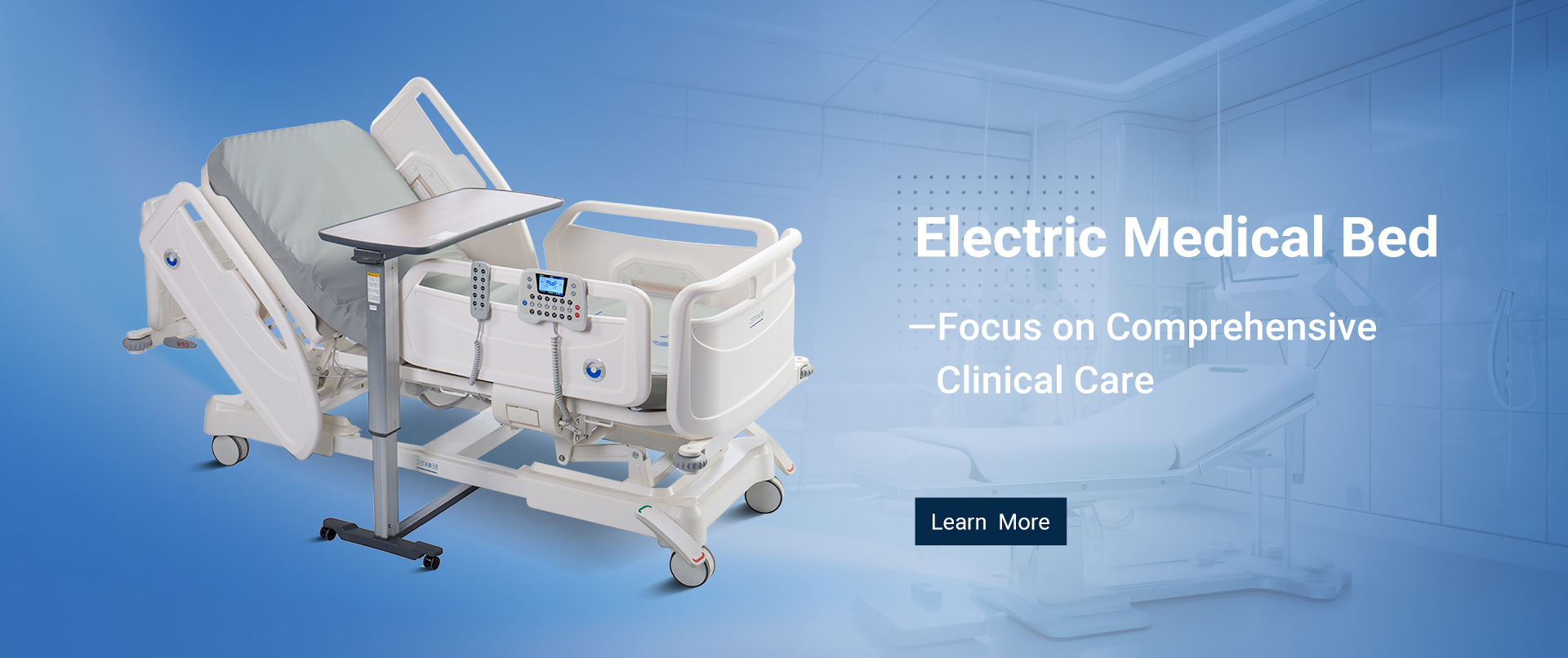
A lot of today’s beds are designed with ergonomics in mind, which helps patients recover faster. Plus, smart tech is pretty common now—stuff like adjustable heights and automatic repositioning, so patients are more comfortable and staff can work more easily. But, let’s be honest, not all innovations are perfect. Some of these beds can get pretty complicated to operate, which can be frustrating for healthcare workers. And then there’s the whole durability thing—some beds just don’t hold up as well as we’d hope, wearing out quicker than expected.
Looking ahead, the real game-changer is flexibility. Medical beds need to adapt to the different needs of patients while still being easy to use. Finding the right balance between cutting-edge features and practicality is super important. The road forward will challenge manufacturers to keep refining their designs and making beds that work better and last longer. It’s an exciting time in the world of medical beds, but we’ve got to approach these innovations with a bit of caution and a willingness to tweak things as we go.
In 2026, medical bed innovations focus on enhancing patient care and comfort. Many hospitals are now incorporating smart technologies. These advancements often streamline operations and improve outcomes. A recent report from Healthcare Technology Insights indicated that smart beds could reduce patient falls by 30%. This statistic is significant as patient safety is a top priority.
Adjustable features are another key aspect. These beds allow for various positions to help with recovery. For example, elevation of the head or legs can assist in breathability and circulation. Nonetheless, some organizations may face challenges in integrating such technology. Costs can be a barrier.
In addition to smart beds, mobility aids are evolving. Many new designs ensure easier patient movement. However, there are concerns regarding durability and ease of cleaning. A patient’s environment should be sanitary and safe. Hospitals need to reflect on these caveats as they upgrade. Embracing innovation while maintaining tradition is vital for the future of patient care.
This chart illustrates the impact scores of various medical bed innovations expected in 2026. The scores reflect the importance and anticipated functionality of innovations such as comfort adjustability, integration of smart technology, and sustainability measures.
Medical beds have evolved significantly, focusing on patient comfort and safety. One major innovation is adjustable beds. They allow patients to change positions easily. This adjustment can help with breathing and circulation. The flexibility enhances recovery.
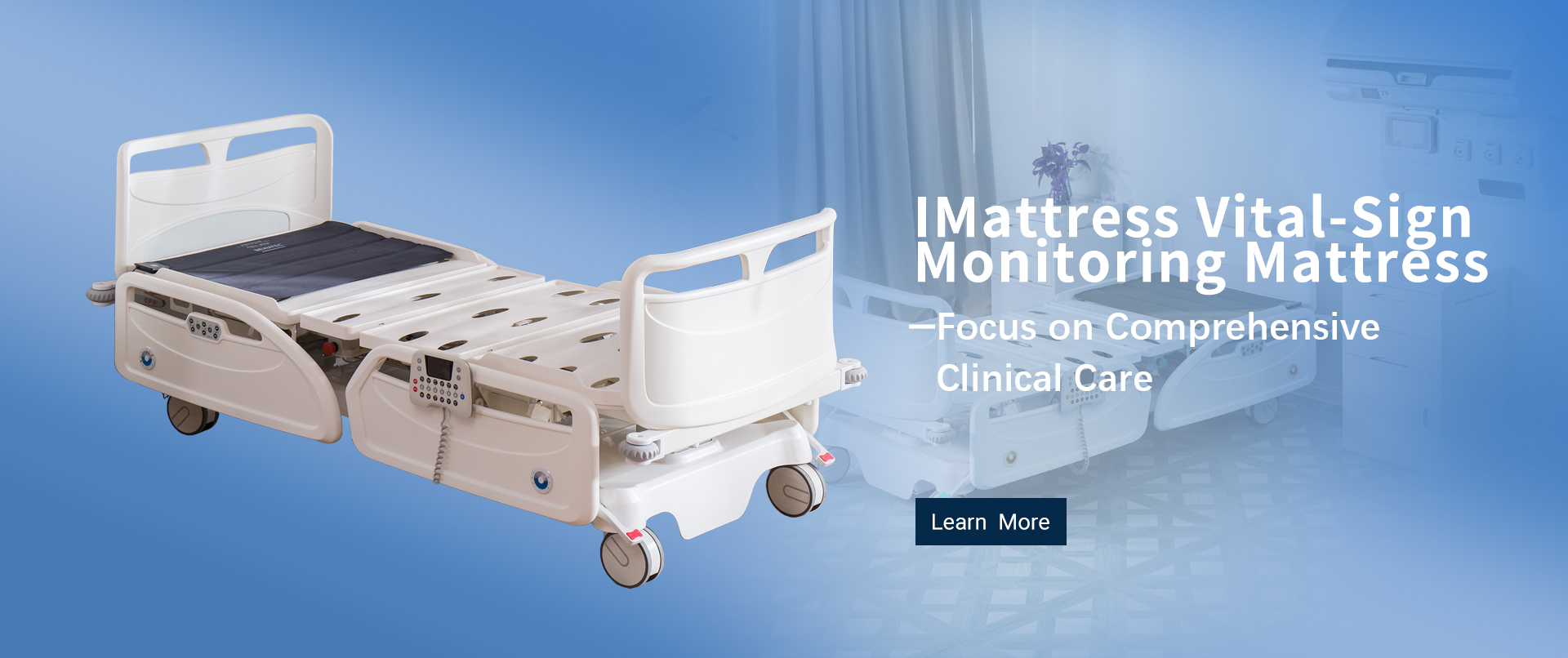
Another key feature is smart technology. Many beds now have sensors that monitor vital signs. These sensors can alert staff if there are any concerns. This integration improves patient safety and allows for timely responses.
Tip: Always check if the bed meets the specific needs of the patient.
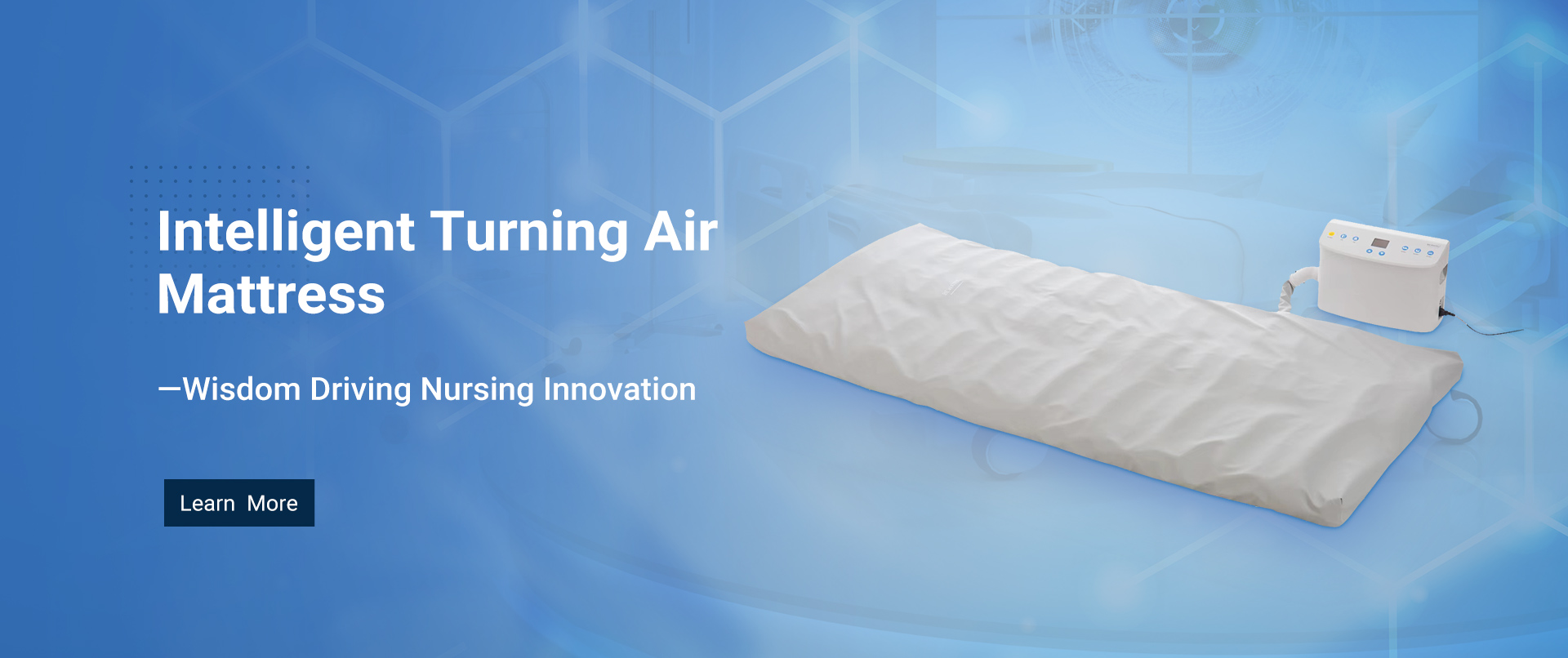
Additionally, some beds have built-in pressure relief systems. These systems help prevent bedsores. They distribute weight evenly across the mattress. This is crucial for immobile patients.
Tip: Regularly inspect the bed for wear and tear.
Innovative storage options are also emerging. Built-in drawers can hold essential items. This keeps the space organized and accessible. Yet, not all designs balance functionality with aesthetics perfectly. Some beds may look bulky despite their benefits.
Tip: Consider the room's layout before choosing a bed.
The integration of smart technology in hospital beds is a game changer. These beds now come with sensors to monitor patient vitals, allowing quick responses to health changes. Imagine a patient lying in bed while their heart rate fluctuates. The smart bed detects this and alerts staff immediately. This could save lives.
Another innovation is adjustable positioning controlled via a mobile app. Nurses or patients can now adjust the bed’s height, angle, and even firmness with a simple tap. However, this convenience raises questions about dependability. Will staff remember to update the software? What happens if a power outage occurs? These are concerns that can't be overlooked.
Furthermore, some beds are equipped with built-in communication tools. Patients can request assistance directly from their bed. Yet, this could create an overload for staff. They might receive too many requests, making prioritization difficult. These innovations show promise but also highlight the need for efficient management strategies. Balancing technology and human touch remains essential.
In the rapidly evolving healthcare sector, patient comfort and safety remain paramount. Recent studies indicate that about 70% of patients prioritize comfort during their hospital stays. Modern medical bed innovations specifically target these needs, integrating technology to enhance user experience. For instance, the introduction of adjustable pressure settings helps prevent bedsores, directly addressing a significant patient concern.
With safety standards becoming stricter, hospitals are investing in features like embedded fall detection systems. These systems notify staff instantly if a patient is at risk of falling. According to industry reports, falls in hospitals can lead to serious injuries, affecting nearly 30% of hospitalized patients. Consequently, hospitals are rethinking bed designs to ensure they are both functional and protective.
Moreover, many new beds offer smoother mobility, allowing patients to reposition themselves with ease. Simple controls can empower patients, giving them a sense of autonomy. However, not all innovations are perfect; some tech can be overly complex for elderly patients. This highlights the need for continual assessment in design usability. Balancing innovation with practical usability remains a challenge in bed design.
| Innovation | Key Features | Patient Comfort Improvements | Safety Standards Enhanced |
|---|---|---|---|
| Smart Pressure Redistribution Systems | Automatic adjustment based on patient weight and position. | Reduces pressure sores, enhances resting comfort. | Complies with new international safety standards for bed height adjustment. |
| Integrated Telehealth Systems | Real-time health monitoring and communication with healthcare providers. | Ensures continuous health tracking, improves responsiveness. | Enhances emergency response protocols. |
| Adjustable Lumbar Support | Customizable back support based on patient needs. | Supports spinal alignment, reduces discomfort. | Meets ergonomic safety regulations for patient beds. |
| Smart Bedside Controls | User-friendly interface for adjusting bed position and settings. | Empowers patient autonomy, enhances satisfaction. | Incorporates safety locks to prevent accidental adjustments. |
The design of medical beds has evolved significantly to enhance adaptability and customization. According to recent industry reports, nearly 70% of healthcare providers prioritize modular designs. This adaptability allows for personalized patient care, essential in critical settings like intensive care units.
Many new beds feature adjustable heights and profiles. This flexibility helps nurses provide care safely and efficiently. Customization options, such as specialized mattresses, cater to patient comfort and prevent pressure ulcers. Statistics show that tailored beds reduce patient recovery time by up to 30%. However, despite these advancements, many healthcare facilities struggle to implement these technologies. Budget constraints often limit the adoption of innovative designs.
A focus on design is crucial, yet many companies overlook user feedback. Incorporating insights from medical staff could enhance the practical functionality of these beds. A 2023 survey found that over 50% of healthcare workers feel their input is not valued in product development. This disconnect may hinder progress in creating optimal medical environments. Balancing innovation with real-world needs remains a challenge in the industry.
As the medical field evolves, the focus on sustainability becomes crucial. Eco-friendly materials in bed production are gaining attention. This shift reflects a broader commitment to the environment. Many manufacturers are exploring organic fabrics. Natural cotton and bamboo are popular choices. These materials are biodegradable and reduce the carbon footprint.
Innovations extend beyond just materials. Some beds use recycled metals and plastics. This approach minimizes waste while promoting recycling. However, not all beds meet these eco-criteria. Some manufacturers claim sustainability but offer vague details. Transparency is vital; without it, consumers may feel misled.
Design also plays a significant role in sustainability. Modular beds allow easy upgrades and repairs. They extend the product's life cycle, reducing waste. Yet, many beds are still designed for one-time use. This practice needs to change. Choosing eco-friendly beds means investing in a greener future. It's a choice that requires careful consideration.
The future of medical beds is evolving rapidly. Innovations in this field focus on patient comfort and safety. In 2023, a report indicated that advanced medical beds could reduce pressure ulcers by up to 30%. These beds use dynamic air pressure systems, which adjust based on the patient's weight and movement.
Furthermore, the integration of smart technology is transforming patient care. With features like remote monitoring, healthcare providers can track vital signs in real time. An analysis found that hospitals implementing smart beds saw a 25% decrease in patient falls. This statistic highlights the importance of combining technology and design in achieving better health outcomes.
Despite the advancements, challenges remain. Many facilities struggle to update aging infrastructure. Additionally, there are concerns about the costs associated with these innovations. A survey indicated that 70% of healthcare providers are hesitant to invest in new equipment due to budget constraints. Balancing innovation with affordability is a pressing issue that requires ongoing reflection.
: Innovations focus on patient care, comfort, and smart technologies to streamline operations.
Smart beds reduce patient falls by approximately 30%, addressing a critical safety concern.
Adjustable features allow elevation of the head and legs, aiding in breathability and circulation.
Costs can hinder organizations from adopting advanced technology effectively.
They help prevent bedsores by distributing weight evenly on the mattress for immobile patients.
New designs facilitate easier movement for patients, but durability remains a concern.
Maintaining sanitation and safety while balancing innovation and traditional care is essential.
Some elderly patients may find advanced controls overly complicated, which affects usability.
Built-in storage options can keep essential items accessible and help organize the space.
Not all designs balance function and aesthetics, with some beds appearing bulky despite their benefits.
The 2026 landscape of medical beds showcases significant innovations designed to enhance patient care. Key features include advanced smart technology integration, which allows for real-time monitoring and responsive adjustments to accommodate individual patient needs. Enhanced comfort and safety standards ensure that patients receive optimal support while minimizing the risk of injuries. The adaptability and customization of medical bed designs now offer tailored solutions for diverse healthcare settings, promoting better recovery outcomes.
Moreover, sustainability has become a critical focus, with eco-friendly materials being incorporated into medical bed production, reflecting a commitment to environmental responsibility in healthcare. Future trends indicate a continued evolution in medical bed development, emphasizing not only technological advancements but also the overall impact on healthcare systems. As these innovations unfold, they are set to transform patient experiences and improve the efficiency of medical facilities.