


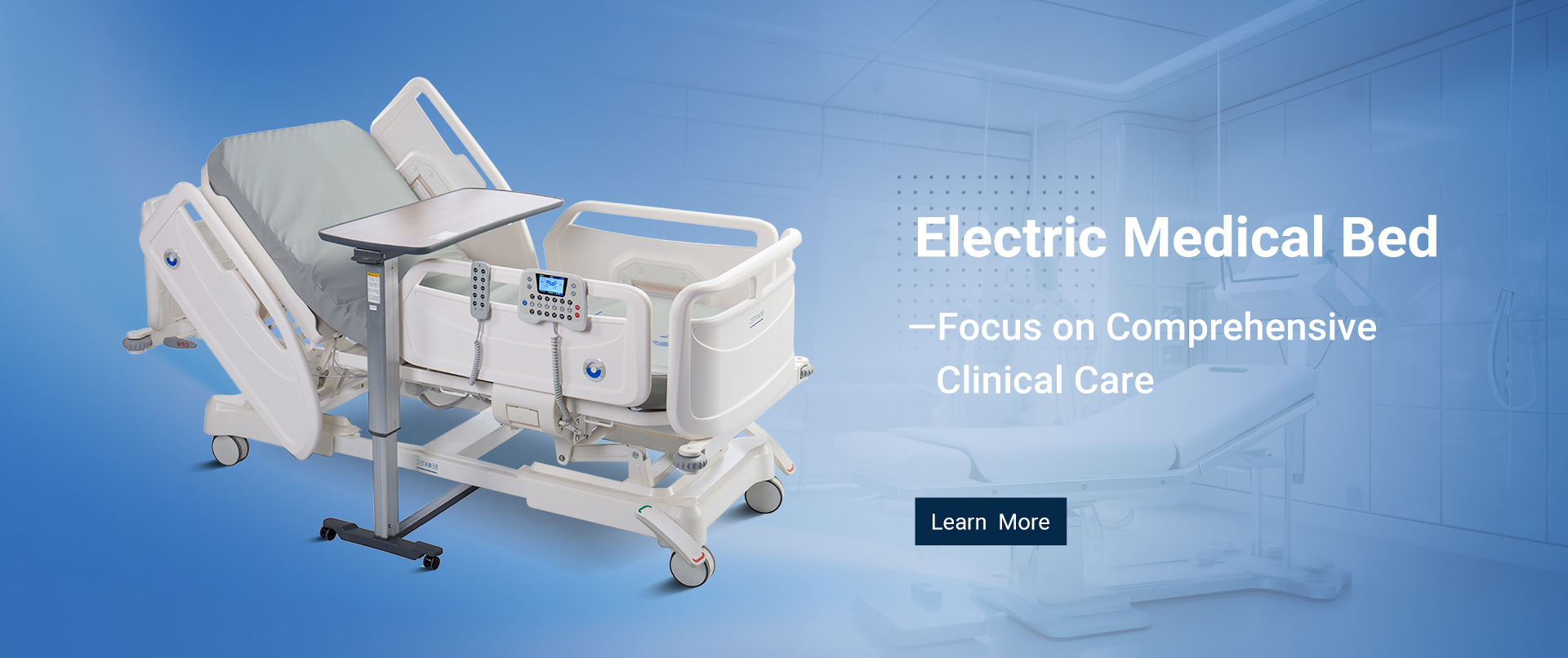
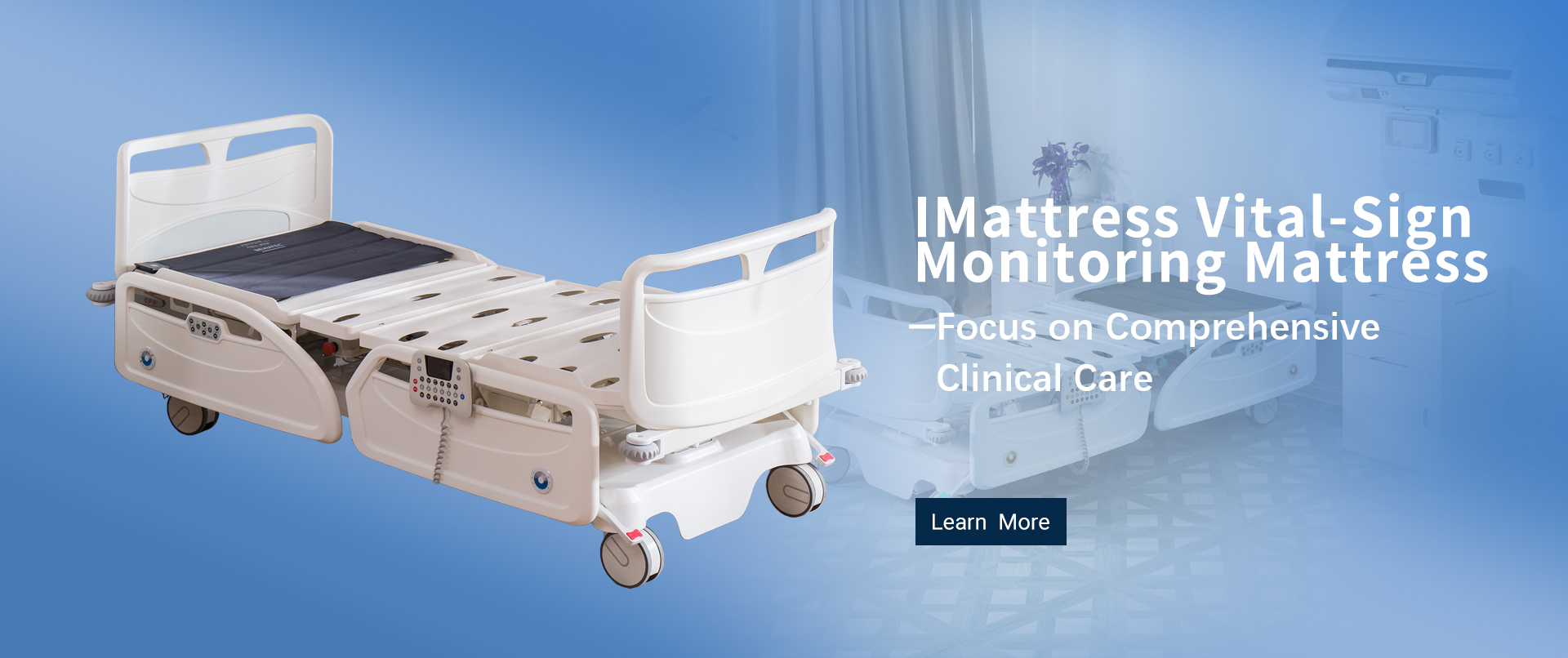

Modern hospitals are increasingly focused on creating safer, more comfortable, and more efficient care environments. While the hospital bed is one of the most important pieces of equipment in a patient room, Bed Accessories In The Hospital also play an essential role in supporting patients and healthcare professionals.
From bed rails and bedside cabinets to overbed tables, IV drip stands, mattresses, and intelligent monitoring solutions, the right accessories can improve patient comfort, support daily nursing activities, and contribute to a more organized healthcare environment.
Understanding the different types of Bed Accessories In The Hospital can help hospitals, distributors, and healthcare professionals choose equipment that better matches patient needs and clinical workflows.
Why Are Bed Accessories In The Hospital Important?
A hospital bed is not simply a place for a patient to sleep. It is often used for examination, treatment, rehabilitation, rest, nursing, and recovery. As a result, the surrounding equipment needs to support multiple activities throughout the patient’s stay.
Well-designed Bed Accessories In The Hospital can help address several important requirements:
- Patient safety
- Comfortable positioning
- Easier nursing procedures
- Better accessibility to personal items
- Support for medical equipment
- Improved room organization
- More efficient caregiver workflows
For example, a suitable bed rail can help reduce the risk of accidental falls, while an overbed table can give patients convenient access to food, personal belongings, or other everyday items.
The purpose of Bed Accessories In The Hospital is therefore not simply to add functions to a medical bed. The overall goal is to create a more patient-centered and practical care environment.
Common Types of Bed Accessories In The Hospital
Different patients and hospital departments have different requirements. Therefore, hospitals often need a combination of accessories rather than a single solution.
1. Bed Rails
Bed rails are among the most recognizable Bed Accessories In The Hospital. They can provide patients with additional support when changing position or getting in and out of bed.
Depending on the bed design, rails may be made from materials such as HDPE and may use different folding or locking structures. Six-column and other siderail configurations can be used with different hospital bed designs.
However, bed rails should always be selected according to the patient’s condition, the bed’s design, and applicable hospital safety procedures. They should support patient safety without unnecessarily restricting patient movement.
2. Overbed Tables
An overbed table is another practical example of Bed Accessories In The Hospital.
Patients who spend extended periods in bed may need a convenient surface for eating, reading, using electronic devices, or storing personal belongings. An adjustable overbed table can help reduce the need for patients to repeatedly get out of bed.
For healthcare facilities, the design should also consider cleaning, durability, adjustability, stability, and compatibility with the hospital bed.
3. Bedside Cabinets
Bedside cabinets help organize items around the patient. They can provide storage for personal belongings, daily necessities, and other frequently used items.
Good bedside equipment should balance storage capacity with accessibility. A patient should be able to reach essential items without excessive stretching or changing position.
For this reason, bedside cabinets are an important part of Bed Accessories In The Hospital, particularly in long-term care, rehabilitation, and general hospital wards.
4. IV Drip Stands
IV drip stands support intravenous therapy and can be positioned close to the patient’s bed.
Although they may appear simple, IV stands need to provide sufficient stability and mobility for everyday hospital use. Their height, base design, wheels, and material quality can all influence usability.
When integrated into a complete patient-care environment, IV drip stands can work together with other Bed Accessories In The Hospital to support more convenient treatment procedures.
How Accessories Improve Patient Comfort
Patient comfort should be considered alongside clinical functionality.
Patients may spend many hours or even days in bed. Small improvements in accessibility and positioning can therefore make a meaningful difference to their daily experience.
For example, an adjustable overbed table can reduce unnecessary movement. A suitable bedside cabinet can keep personal items within reach. A properly designed mattress can provide better pressure distribution and support.
Advanced Bed Accessories In The Hospital can also work with electric medical beds to provide more personalized positioning and care.
Electric beds with multiple adjustment functions can allow healthcare professionals to adjust the patient’s position according to treatment and nursing requirements. This can also reduce the physical effort required from caregivers during routine procedures.
The Role of Mattresses in Modern Hospital Care
Mattresses are another important category associated with Bed Accessories In The Hospital.
Traditional mattresses may provide basic support, while specialized air mattress systems can offer additional functions for patients who require more advanced pressure-management solutions.
Intelligent turning air mattresses can assist with patient repositioning and may be useful in care environments where patients have limited mobility.
Vital-sign monitoring mattresses represent another development in smart healthcare. Instead of functioning only as a passive support surface, an intelligent mattress can become part of a broader digital care system.
This reflects a wider trend in modern healthcare: hospital equipment is increasingly moving from standalone products toward connected and intelligent solutions.
Smart Technology and Bed Accessories
One of the most important trends in Bed Accessories In The Hospital is the integration of digital technology.
Traditional hospital equipment mainly performs physical functions. Modern smart medical systems can also collect information, support communication, and improve workflow efficiency.
Connected mattresses, smart beds, patient monitoring systems, and digital nursing platforms can potentially work together to provide healthcare professionals with more useful information.
For hospitals implementing digital transformation, this creates opportunities to improve patient care while optimizing operational processes.
An open digital platform can also make it easier for hospitals to integrate existing or future applications and services. This type of flexibility is increasingly important as healthcare technology continues to evolve.
How to Choose Bed Accessories In The Hospital
When selecting Bed Accessories In The Hospital, buyers should consider more than appearance or price.
Consider Patient Requirements
Different patient groups may require different equipment. General ward patients, elderly patients, rehabilitation patients, long-term care patients, and patients with limited mobility may have very different needs.
The accessory should therefore be selected according to the patient’s clinical and daily-care requirements.
Check Compatibility
Compatibility is another critical consideration.
Bed rails, mattresses, overbed tables, bedside equipment, and other accessories should be compatible with the hospital bed’s dimensions and functions.
For electric medical beds, compatibility with adjustment mechanisms and other components should also be considered.
Evaluate Cleaning and Maintenance
Hospital environments require regular cleaning and disinfection. Accessories should therefore be designed with practical surfaces and materials that can support routine cleaning.
Durability is equally important because hospital equipment is frequently used and moved.
Prioritize Safety
Safety should always be one of the most important considerations when purchasing Bed Accessories In The Hospital.
Hospitals should evaluate structural stability, locking mechanisms, load requirements, material quality, and other relevant safety factors before introducing equipment into clinical environments.
Why Integrated Solutions Are Becoming More Important
Hospitals increasingly need equipment that works as part of a complete care environment rather than as isolated products.
For example, a modern patient room may combine an electric medical bed with bed rails, an overbed table, bedside storage, an IV drip stand, an intelligent mattress, and digital care functions.
This integrated approach can make it easier for caregivers to manage daily nursing tasks while giving patients a more comfortable and personalized experience.
It also allows hospitals to build solutions according to their level of digitalization and future development plans.
Final Thoughts
Bed Accessories In The Hospital are an important part of modern patient-care environments. Although individual accessories such as bed rails, bedside cabinets, overbed tables, IV stands, and mattresses may appear relatively simple, their combined functions can have a significant impact on patient comfort, safety, and nursing efficiency.
The best solution is not necessarily the one with the largest number of accessories. Instead, hospitals should select equipment based on patient requirements, bed compatibility, safety, durability, cleaning requirements, and clinical workflows.
As healthcare continues to move toward digitalization, Bed Accessories In The Hospital are also becoming increasingly connected with intelligent beds, monitoring mattresses, and digital nursing systems. This transition can help healthcare facilities create more efficient and patient-centered care environments.
By selecting appropriate medical bed accessories and integrating them into a complete care strategy, hospitals can provide patients with a safer, more comfortable, and more personalized experience while helping healthcare professionals perform their daily work more efficiently.
Post time: Sep-02-2026


