


Introduction: The Growing Importance of Electric Medical Beds in Modern Healthcare
Healthcare environments are continuously evolving. With the increasing demand for better patient experiences, improved nursing efficiency, and safer medical care, hospitals and healthcare facilities are adopting more advanced equipment to support daily operations.
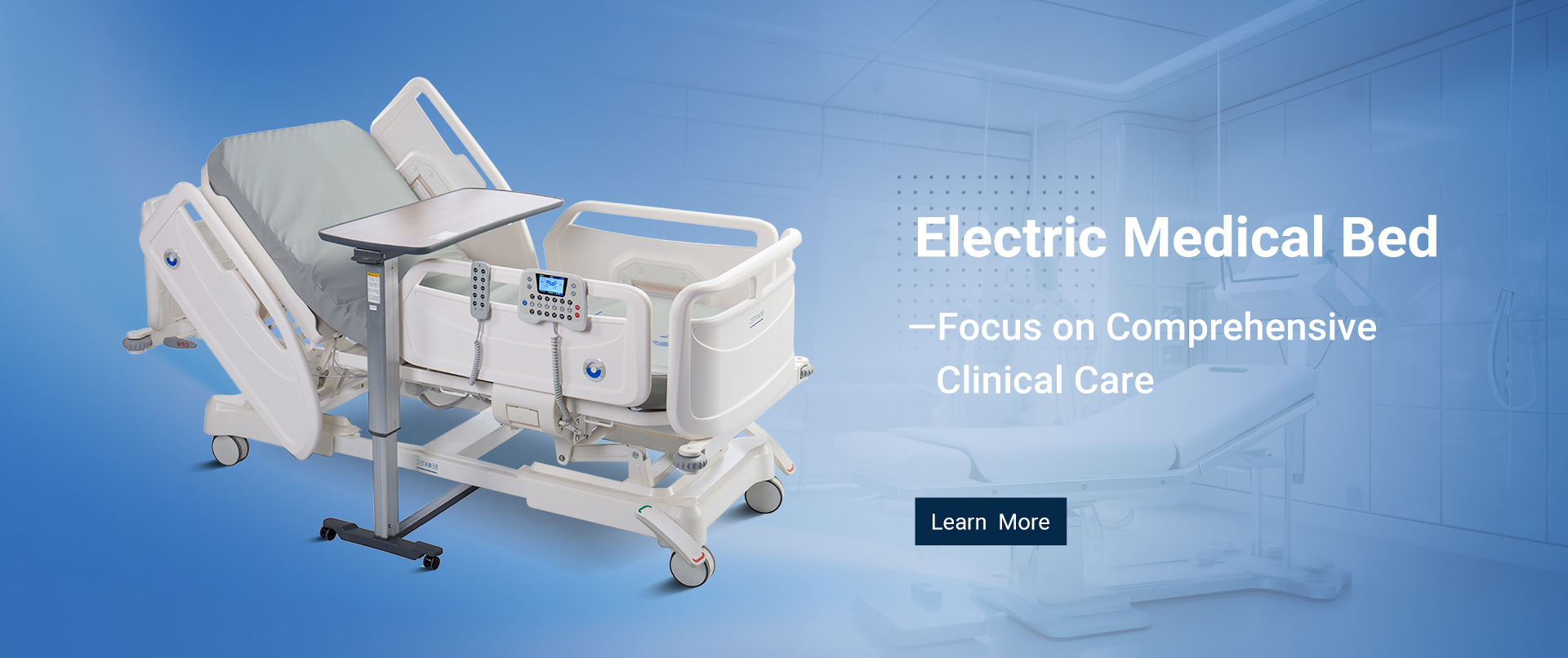
Among these innovations, the Electric Medical Bed has become an essential solution for modern hospitals, rehabilitation centers, and elderly care facilities. Unlike traditional manual beds, an Electric Medical Bed uses an intelligent electric control system to adjust different positions automatically, helping patients achieve greater comfort while reducing the physical workload of caregivers.
Today, medical beds are no longer simple resting platforms. They have developed into multifunctional healthcare systems that support patient positioning, nursing procedures, safety management, and even intelligent monitoring technologies.
What Is an Electric Medical Bed?
An Electric Medical Bed is a hospital bed equipped with electric motors and control systems that allow users or caregivers to adjust the bed position according to different medical requirements.
Traditional manual beds usually require healthcare workers to manually operate mechanical functions. However, an Electric Medical Bed allows smooth adjustment through a handheld controller or control panel, improving convenience and operational efficiency.
Common adjustable functions include:
- Backrest adjustment
- Leg section adjustment
- Height adjustment
- Trendelenburg and reverse Trendelenburg positioning
- Bed movement and locking functions
These features allow medical professionals to provide better care while helping patients maintain a more comfortable position during recovery.
Main Benefits of Electric Medical Bed Technology
1. Enhancing Patient Comfort and Recovery Experience
Patient comfort is one of the most important considerations in healthcare. A properly designed Electric Medical Bed allows patients to adjust their position according to their physical condition.
For example, patients recovering from surgery may need specific angles to reduce pressure and improve breathing. Elderly patients may require easier sitting positions for eating, communication, or rehabilitation exercises.
By providing flexible positioning options, an Electric Medical Bed supports a more personalized healthcare experience.
2. Reducing Workload for Healthcare Professionals
Nurses and caregivers often need to reposition patients multiple times every day. For patients with limited mobility, manual repositioning can require significant physical effort.
An Electric Medical Bed helps reduce this workload by allowing quick and precise adjustments through electric controls.
This not only improves workplace efficiency but also helps reduce the risk of caregiver injuries caused by repetitive physical operations.
3. Supporting Different Medical Applications
Modern healthcare facilities require beds that can adapt to different environments.
An Electric Medical Bed can be widely used in:
- General hospital wards
- Intensive care units
- Rehabilitation centers
- Elderly care facilities
- Home healthcare environments
Different medical scenarios require different functions. For example, rehabilitation patients may benefit from adjustable positioning, while long-term care users may need additional comfort and safety features.
Advanced Features of Modern Electric Medical Beds
With the development of healthcare technology, the latest Electric Medical Bed solutions are becoming more intelligent and multifunctional.
Intelligent Position Adjustment
Modern systems can provide precise adjustment of different bed sections. This helps healthcare providers quickly achieve suitable patient positions.
Safety and Stability Design
Safety is a critical factor in medical environments. High-quality medical beds usually include stable structures, reliable braking systems, and protective designs to improve patient safety.
Integration With Smart Healthcare Systems
The future of the Electric Medical Bed is closely connected with digital healthcare. Advanced models can integrate monitoring technologies and intelligent functions to support better healthcare management.
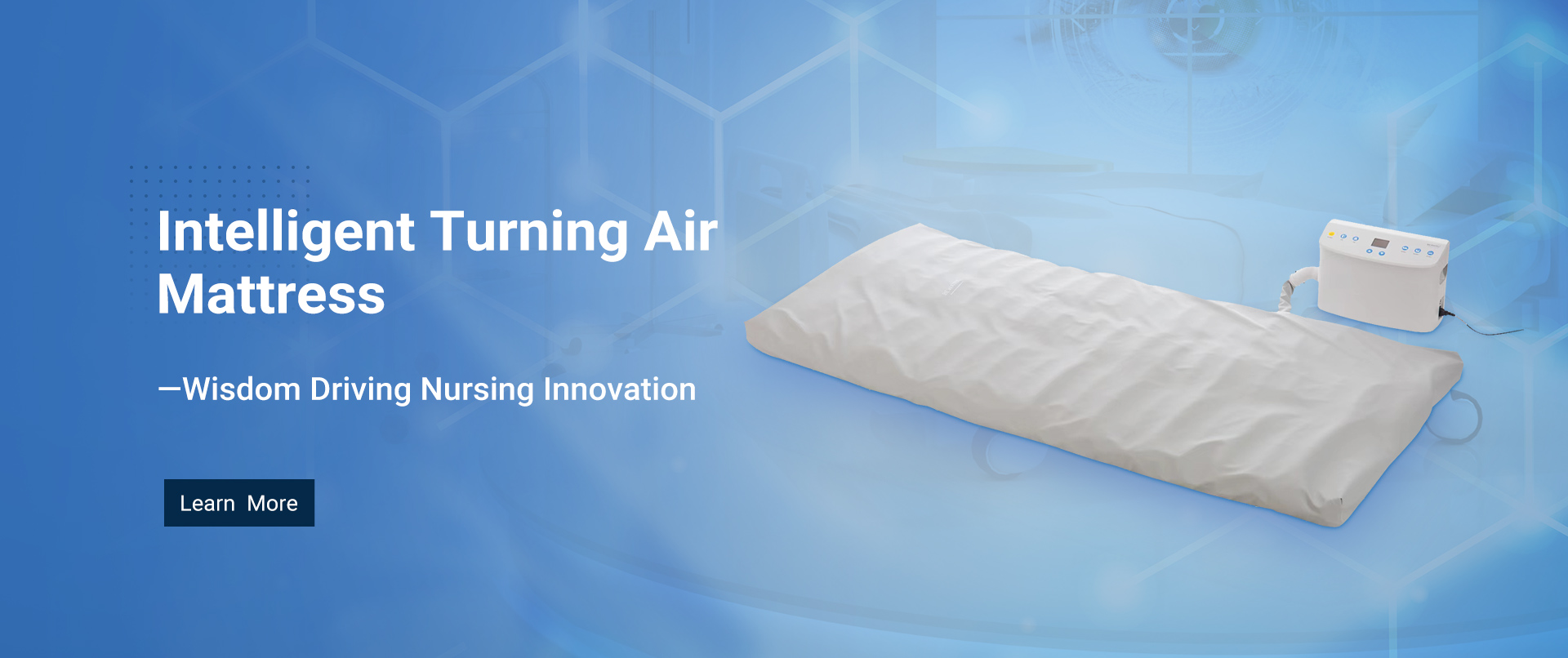
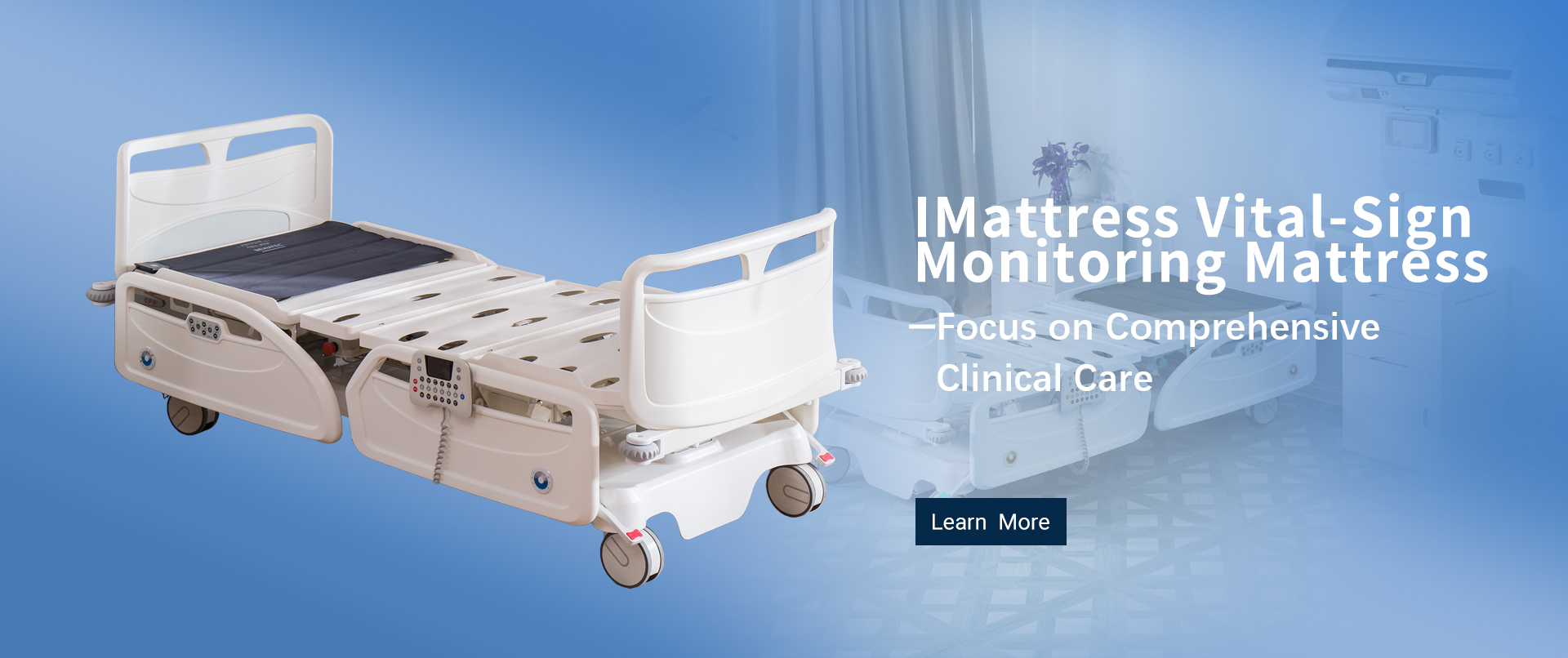
For example, intelligent mattress systems and vital-sign monitoring technologies can help medical teams collect important patient information and improve care efficiency.
Electric Medical Bed vs Traditional Manual Hospital Bed
Understanding the differences between electric and manual beds helps healthcare facilities make better purchasing decisions.
| Feature | Electric Medical Bed | Manual Medical Bed |
|---|---|---|
| Position Adjustment | Automatic electric control | Manual operation |
| Patient Convenience | High | Moderate |
| Caregiver Workload | Reduced | Higher |
| Adjustment Accuracy | Precise | Depends on operation |
| Intelligent Functions | Available | Limited |
Although manual beds remain suitable for some applications, an Electric Medical Bed provides additional advantages for facilities focusing on efficiency, comfort, and advanced patient care.
How to Choose the Right Electric Medical Bed?
Selecting an appropriate Electric Medical Bed requires careful consideration of several factors.
1. Consider Functional Requirements
Different healthcare environments require different functions. Hospitals should evaluate whether they need basic electric adjustment or advanced features such as intelligent monitoring and multifunctional positioning.
2. Evaluate Safety Performance
Important factors include:
- Structural stability
- Load capacity
- Safety rails
- Emergency operation functions
Patient safety should always be the priority.
3. Check Product Reliability
Medical equipment needs long-term reliability. Manufacturers with professional experience in medical bed design and production can provide better technical support and product quality assurance.
The Future Development of Electric Medical Bed Solutions
The healthcare industry is moving toward smarter and more patient-centered solutions.
Future Electric Medical Bed technologies are expected to focus on:
- Artificial intelligence-assisted healthcare
- Remote patient monitoring
- Automatic pressure management
- Better energy efficiency
- Improved user-friendly designs
As hospitals continue upgrading their facilities, the demand for intelligent medical equipment will continue to grow.
Advanced medical bed manufacturers are developing solutions such as electric hospital beds, multifunctional transfer beds, intelligent turning air mattresses, and vital-sign monitoring mattress systems to meet changing healthcare needs.
Conclusion
The Electric Medical Bed has become an important part of modern healthcare infrastructure. By combining electric adjustment technology, ergonomic design, and intelligent functions, it improves patient comfort while helping healthcare professionals deliver more efficient care.
Whether used in hospitals, rehabilitation centers, or elderly care facilities, an Electric Medical Bed provides valuable support for safer, smarter, and more comfortable healthcare environments.
As medical technology continues to advance, these innovative solutions will play an increasingly important role in improving the quality of patient care worldwide.
Post time: Jul-30-2026


