


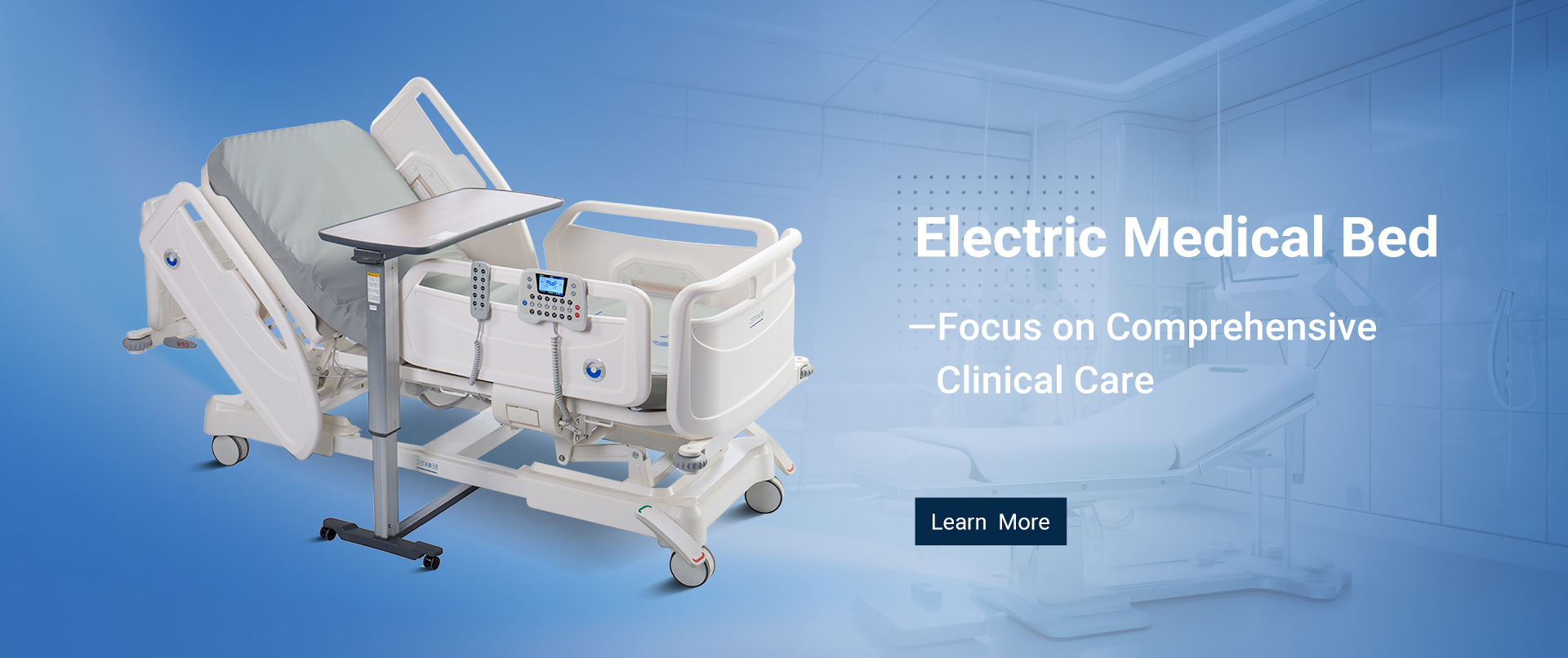

Modern healthcare is moving toward a more patient-centered and digitally connected model. As hospitals face increasing demands for efficiency, safety, comfort, and personalized care, medical equipment must do more than simply support patients. It should also help healthcare professionals provide safer and more efficient treatment.
An Electric Medical Bed is an important part of this transformation. By integrating powered adjustment functions with ergonomic design and modern medical technology, an Electric Medical Bed can help patients achieve more comfortable positions while reducing the physical effort required from caregivers.
From general hospital wards to critical care environments, understanding how an Electric Medical Bed works and what features matter most can help hospitals make better equipment decisions.
What Is an Electric Medical Bed?
An Electric Medical Bed is a hospital bed equipped with electrically powered mechanisms that allow different sections of the bed to be adjusted. Depending on the model, users may be able to control the backrest, leg section, overall bed height, and other positioning functions.
Unlike a traditional manually adjusted bed, an Electric Medical Bed uses electric motors and a control system to make positioning smoother and easier.
Modern models can also incorporate additional functions such as patient weighing, integrated controls, side rails, and intelligent monitoring technologies. Current product ranges include two-function, three-function, five-function, and seven-function electric beds, allowing healthcare facilities to select configurations according to clinical requirements.
Why Is an Electric Medical Bed Important?
Patient positioning is an essential part of hospital care. Patients may need different positions for sleeping, eating, examination, treatment, rehabilitation, or nursing procedures.
An Electric Medical Bed makes these adjustments easier and more precise.
For patients, adjustable positioning can contribute to greater comfort and support. For nurses and caregivers, electric adjustment reduces the need to manually reposition heavy bed sections or repeatedly change the patient’s position using physical force.
This can be particularly valuable in environments where healthcare workers need to adjust beds frequently throughout a shift.
Key Functions of an Electric Medical Bed
1. Adjustable Backrest
An adjustable backrest allows patients to move from a flat position toward a more upright posture. This can make activities such as eating, reading, communicating, or receiving certain types of care more convenient.
The backrest adjustment is also useful for healthcare professionals who need better access to patients during examinations and nursing procedures.
2. Adjustable Leg Section
An Electric Medical Bed may also provide powered leg-section adjustment. By changing the angle of the lower body area, healthcare professionals can create different positioning configurations according to patient requirements.
Combining backrest and leg adjustment can provide greater flexibility than a fixed hospital bed.
3. Height Adjustment
Electric height adjustment is another important function. The bed can be raised or lowered according to the task being performed.
A lower position can help with patient safety when appropriate, while a higher working position can make certain nursing procedures more comfortable for healthcare staff.
Product specifications available for current electric bed models show adjustable height ranges on different configurations, demonstrating how bed height can be adapted to different clinical requirements.
4. Side Rails and Safety Features
Patient safety is a major consideration when selecting an Electric Medical Bed. Side rails can provide an additional protective barrier and help reduce the risk of accidental falls.
Modern hospital beds can combine side rails with braking systems, sturdy frames, and other safety-oriented features. The exact configuration should be selected according to the patient’s condition, clinical environment, and applicable healthcare requirements.
Electric Medical Bed and Patient Comfort
Comfort is not simply a luxury in healthcare. Patients may spend many hours or even days in bed, making positioning and support important aspects of the overall care experience.
An Electric Medical Bed allows caregivers and patients, where appropriate, to adjust the bed according to individual needs. Instead of relying on one fixed position, the patient can benefit from multiple configurations.
This flexibility is especially valuable for patients with limited mobility or those who require prolonged bed rest.
A well-designed bed should therefore combine mechanical functionality with ergonomic considerations. The mattress platform, side rails, control interface, frame structure, and adjustment mechanisms should work together to create a comfortable and supportive environment.
How an Electric Medical Bed Helps Healthcare Professionals
The benefits of an Electric Medical Bed extend beyond patients.
Healthcare professionals frequently need to perform tasks around the bed, including examinations, medication administration, nursing care, transfers, and routine monitoring.
Adjustable bed height and positioning can make these activities more convenient. By reducing unnecessary manual adjustments, electric mechanisms can improve workflow efficiency.
This is particularly important in hospitals where staff may need to manage multiple patients simultaneously.
Smart Functions Are Changing Hospital Beds
The development of the Electric Medical Bed is closely connected to the broader trend toward smart healthcare.
A modern hospital bed can become more than a piece of furniture. When integrated with sensors, monitoring systems, communication technologies, and hospital information platforms, it can become part of a connected care environment.
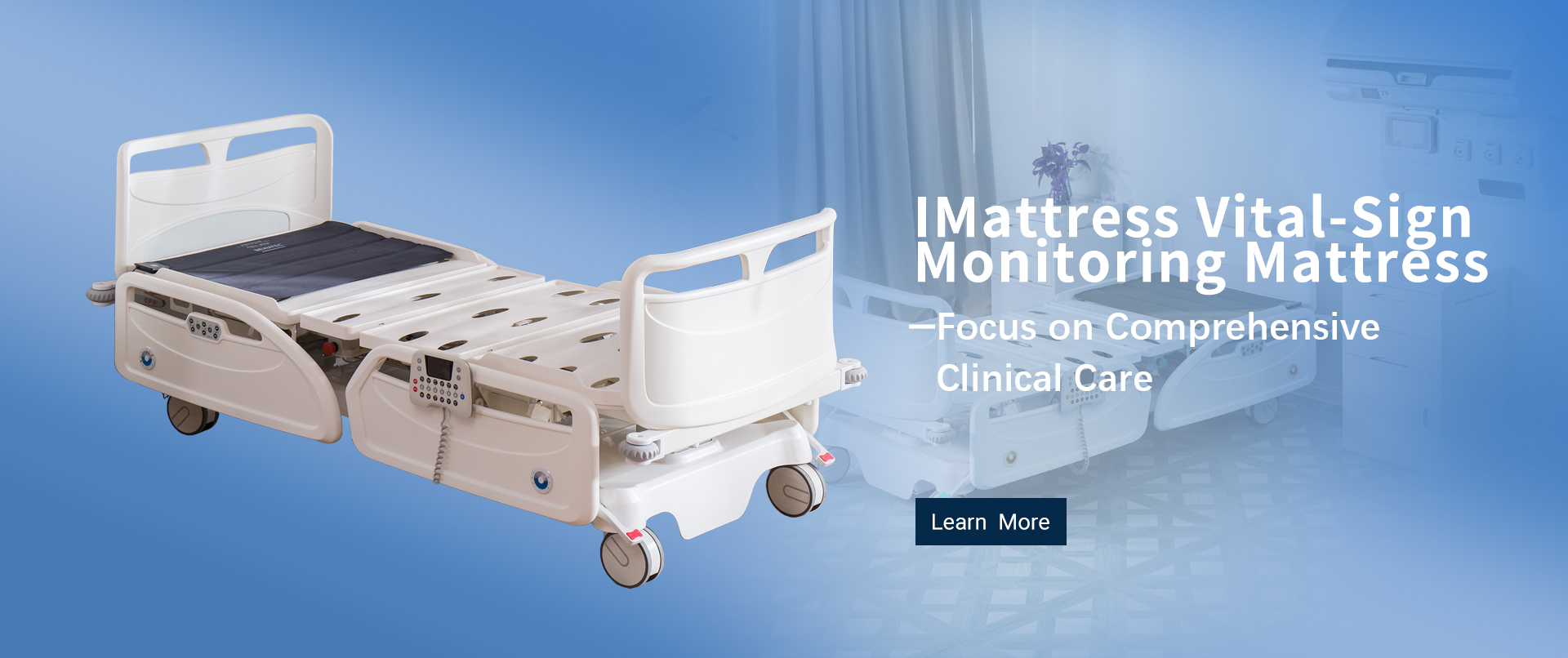
Advanced intelligent healthcare solutions can support more personalized care by collecting and transmitting relevant information. For example, intelligent mattresses and monitoring technologies can complement an Electric Medical Bed by providing additional information about patient status and bed usage.
This shift from traditional equipment toward connected medical devices is an important part of healthcare digitalization.
Choosing the Right Electric Medical Bed
Hospitals should not select an Electric Medical Bed based solely on the number of functions. A higher-function model is not automatically the best choice for every department.
Instead, consider the following factors:
Clinical Application
Different departments have different requirements. General wards, rehabilitation areas, intensive care units, and specialized treatment environments may require different levels of functionality.
Adjustment Functions
Determine whether the facility needs two-function, three-function, five-function, or more advanced configurations. Current product offerings demonstrate that electric beds can be designed with different combinations of positioning functions.
Safety
Consider side rails, wheel brakes, stability, emergency requirements, and the overall safety design.
Ease of Operation
The control interface should be intuitive for both patients, when permitted, and healthcare professionals. Simple operation can reduce unnecessary delays during daily care.
Durability and Maintenance
Hospital beds are used continuously and must withstand demanding environments. A durable frame, reliable electric components, and accessible maintenance design are important for long-term operation.
Integration With Smart Healthcare
For hospitals implementing digital healthcare strategies, it is worth considering whether the bed can work with monitoring systems and other connected medical technologies.
Electric Medical Bed for Different Care Environments
An Electric Medical Bed can serve different purposes depending on its configuration.
In general hospital wards, it can improve patient comfort and make routine nursing tasks easier.
In rehabilitation environments, adjustable positioning can support mobility and recovery activities.
In higher-acuity settings, advanced models may provide additional functions designed to support more complex patient-care requirements. For example, five-function and seven-function models are available for more demanding clinical applications.
The important principle is to match the bed’s capabilities with actual clinical needs rather than selecting equipment based purely on specifications.
Maintenance Tips for Electric Medical Beds
Regular maintenance helps preserve the reliability of an Electric Medical Bed.
Healthcare facilities should establish inspection procedures covering:
- Electric motors and adjustment mechanisms
- Control panels and hand controllers
- Side rails and locking mechanisms
- Bed wheels and brakes
- Frame stability
- Power cables and electrical connections
- Mattress platform
- Emergency functions
- Cleaning and disinfection procedures
Any unusual noise, movement, electrical problem, or mechanical instability should be investigated promptly by qualified personnel.
Preventive maintenance is especially important because hospital beds are frequently used and are directly involved in patient care.
The Future of Electric Medical Beds
The future of the Electric Medical Bed is closely connected to intelligent healthcare.
As hospitals continue adopting IoT, AI, digital nursing, and connected medical equipment, beds can increasingly become an important point within the hospital’s digital infrastructure.
The goal is not simply to add more functions. Instead, future solutions should focus on meaningful improvements in patient safety, comfort, caregiver efficiency, data connectivity, and personalized care.
This direction is already reflected in the broader development of smart medical care, where connected equipment and digital services work together to create more seamless care experiences. The healthcare technology ecosystem supporting modern hospital beds is increasingly focused on comfort, safety, and personalized digital care.
Conclusion
An Electric Medical Bed is an important component of modern patient care. Through powered adjustment, ergonomic positioning, safety features, and increasingly intelligent functions, it can improve the experience of both patients and healthcare professionals.
When selecting an Electric Medical Bed, hospitals should look beyond basic specifications. Clinical application, patient requirements, adjustment functions, safety, ease of operation, durability, maintenance, and digital integration should all be considered.
As healthcare continues its digital transformation, the hospital bed is evolving from a basic piece of medical furniture into a smarter platform for patient-centered care. Choosing the right Electric Medical Bed can therefore contribute not only to greater comfort, but also to safer workflows, more efficient nursing, and a more connected healthcare environment.
Post time: Aug-17-2026


