


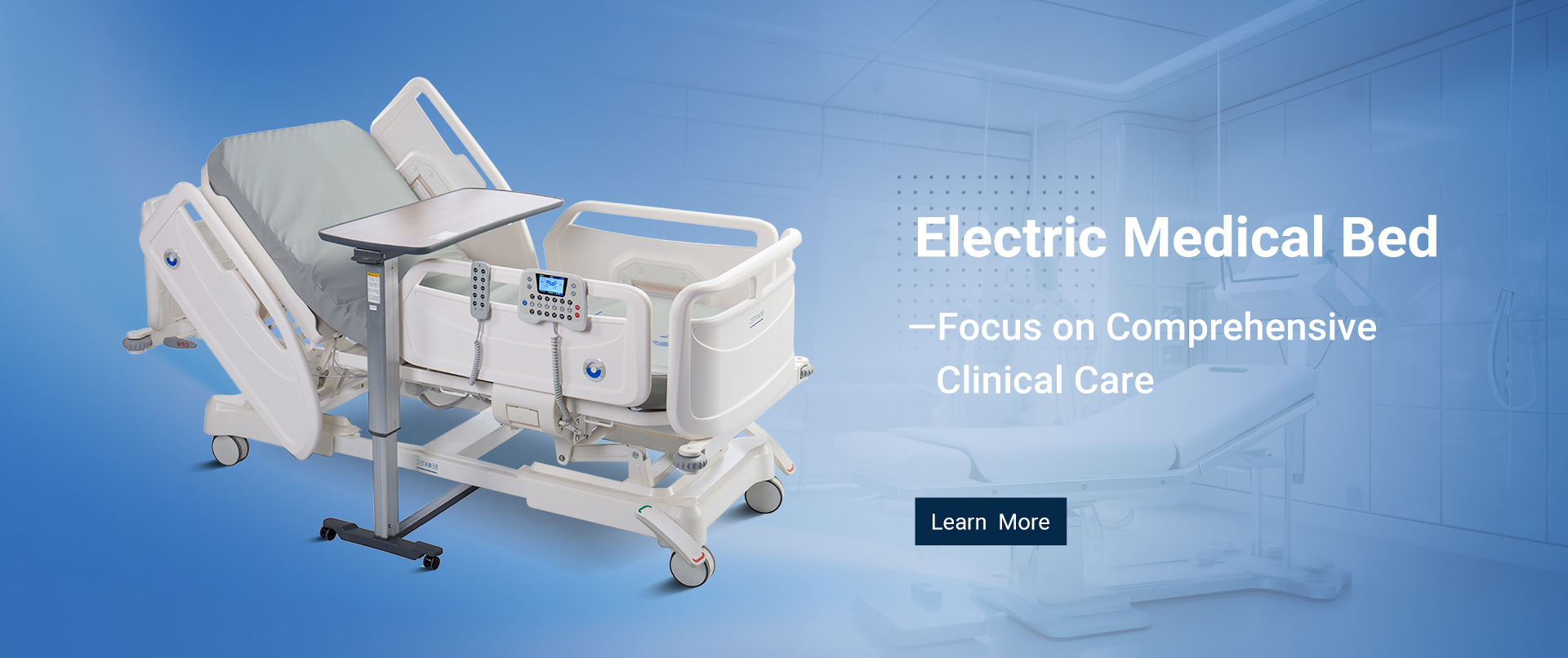
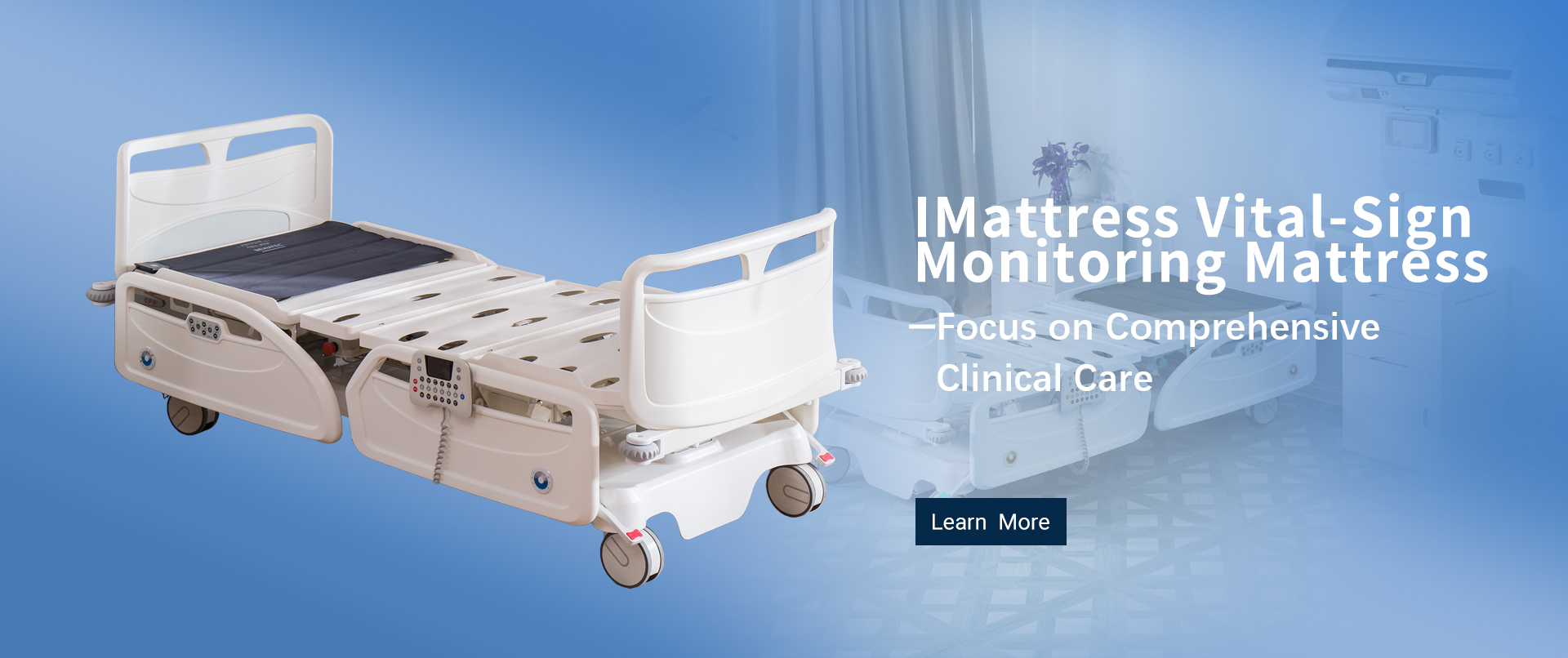

In modern healthcare environments, patient comfort, safety, and nursing efficiency are important factors that influence the quality of medical services. Among various types of medical equipment, the Hospital Manual Bed remains an essential solution for many hospitals, clinics, and long-term care facilities. With reliable mechanical structures, easy operation, and practical adjustment functions, a well-designed manual medical bed can provide valuable support for both patients and healthcare professionals.
As healthcare systems continue to develop, medical facilities are increasingly focusing on patient-centered care. Although electric medical beds have become popular in advanced healthcare environments, the Hospital Manual Bed still plays an important role because of its durability, cost efficiency, and simple maintenance requirements. It is widely used in general wards, nursing homes, rehabilitation centers, and other healthcare spaces where stable and flexible patient support is required.
Understanding the Role of a Hospital Manual Bed in Healthcare
A Hospital Manual Bed is designed to provide a safe and adjustable resting platform for patients while allowing caregivers to manage basic positioning functions manually. Unlike traditional fixed beds, modern manual medical beds usually include adjustable backrests, leg sections, protective side rails, and ergonomic designs that improve patient experience.
Proper patient positioning is an important part of medical care. By adjusting the bed angle, healthcare workers can help patients achieve more comfortable postures for resting, eating, examination, and rehabilitation activities. For patients with limited mobility, an adjustable Hospital Manual Bed can reduce discomfort and provide better support during recovery.
In addition, manual beds are often selected by healthcare facilities because they offer reliable performance without requiring complex electrical systems. This makes them suitable for areas where equipment simplicity, easy maintenance, and operational stability are priorities.
Key Features of a Quality Hospital Manual Bed
When selecting a Hospital Manual Bed, healthcare providers should consider several important features that directly affect patient safety and daily nursing efficiency.
1. Adjustable Functions for Better Patient Positioning
A high-quality manual medical bed allows caregivers to adjust different sections according to patient needs. Backrest and leg adjustments can help improve comfort and support various medical situations.
For example, raising the back section may help patients sit in a more natural position during meals or communication, while leg adjustment can provide additional comfort for patients during recovery.
2. Safety Design for Patients and Caregivers
Safety is one of the most important considerations in hospital equipment selection. A reliable Hospital Manual Bed should include stable frames, secure locking mechanisms, and protective side rails to help reduce potential risks.
Side rails are especially useful for patients with limited movement, elderly patients, or individuals who require additional protection during rest. Proper bed design also helps caregivers perform daily nursing tasks more efficiently.
3. Durable Materials and Easy Maintenance
Medical equipment is expected to operate continuously in demanding healthcare environments. Therefore, durability is a key factor when choosing a manual medical bed.
High-quality materials, corrosion-resistant structures, and easy-to-clean surfaces help extend the service life of hospital beds while supporting hygiene management. A practical design can also reduce maintenance requirements and improve long-term operational efficiency.
How Hospital Manual Bed Supports Different Healthcare Applications
The application range of a Hospital Manual Bed is extensive. In general hospital wards, these beds provide essential support for patients recovering from surgery, illness, or injury. In rehabilitation facilities, adjustable bed functions can assist patients during different recovery stages.
For elderly care environments, manual beds provide a stable and comfortable resting solution. Caregivers can adjust the bed according to daily care requirements, improving convenience while creating a safer living environment.
Medical facilities with multiple departments may also benefit from the flexibility of manual beds. Since they do not depend heavily on electronic components, they can be easily integrated into different care scenarios.
Choosing the Right Hospital Manual Bed for Healthcare Facilities
Before purchasing a Hospital Manual Bed, healthcare organizations should evaluate their specific requirements. Important factors include patient types, frequency of use, available space, cleaning requirements, and caregiver operation preferences.
The following aspects should be considered:
- Patient safety: Ensure the bed structure and protection features meet healthcare needs.
- Ease of operation: Manual adjustment mechanisms should be simple and convenient for caregivers.
- Comfort design: The mattress platform and adjustable sections should support patient comfort.
- Durability: The bed should withstand long-term daily use.
- Maintenance efficiency: Easy cleaning and servicing help reduce operational costs.
By carefully evaluating these factors, hospitals and healthcare providers can select equipment that better matches their clinical environment.
The Future Development of Hospital Bed Solutions
The healthcare industry is moving toward smarter, more connected, and more personalized care models. While digital technologies are transforming hospital environments, traditional equipment such as the Hospital Manual Bed continues to evolve through improved ergonomic design, safer structures, and better user experiences.
Modern healthcare solutions increasingly combine reliable medical equipment with digital management systems, intelligent monitoring technologies, and efficient nursing workflows. This development creates opportunities for hospitals to improve both patient satisfaction and healthcare service quality.
A well-designed Hospital Manual Bed is not simply a piece of medical furniture; it is an important part of patient care infrastructure. By providing comfort, safety, and practical functionality, it supports healthcare professionals and helps create a better recovery environment for patients.
Conclusion
The Hospital Manual Bed remains a valuable solution for healthcare facilities around the world. Its advantages in reliability, affordability, and ease of operation make it suitable for many medical applications. When combined with thoughtful design and professional manufacturing standards, a manual medical bed can contribute significantly to safer and more efficient patient care.
For hospitals, clinics, and care facilities seeking dependable patient support equipment, understanding the functions and selection criteria of a Hospital Manual Bed is an important step toward building a more comfortable and effective healthcare environment.
Post time: Sep-17-2026


