


Choosing the right hospital bed is essential for creating a safe, comfortable, and efficient healthcare environment. Hospitals and nursing facilities need beds that support patient positioning, simplify daily nursing tasks, and maintain high hygiene standards. A Two-Function Manual Bed With HDPE Siderails offers a practical solution by combining essential adjustment functions with durable protective structures.
But what makes this type of manual hospital bed suitable for modern healthcare facilities? Let’s explore its key features, benefits, and purchasing considerations.
1. What Is a Two-Function Manual Bed With HDPE Siderails?
A Two-Function Manual Bed With HDPE Siderails is a hospital bed designed with two primary adjustable functions: backrest elevation and leg section adjustment.
These functions are operated through manual crank mechanisms, allowing caregivers to adjust the patient’s position without relying on an electrical power supply.
The two adjustment functions provide several practical benefits:
- Backrest adjustment: Helps patients sit up for meals, reading, communication, and daily activities.
- Leg section adjustment: Supports comfortable positioning and assists caregivers with routine nursing activities.
This design makes the bed suitable for general hospital wards, rehabilitation centers, nursing homes, and long-term care facilities.
2. Why Are HDPE Siderails Important for Hospital Beds?
Side rails are essential components of hospital bed safety. The material and structural design directly influence durability, hygiene, and daily usability.
A Two-Function Manual Bed With HDPE Siderails offers several advantages:
Durable and Impact-Resistant Material
High-density polyethylene (HDPE) is known for its impact resistance, durability, and lightweight properties. These characteristics make it suitable for frequently used hospital furniture.
Easy Cleaning and Maintenance
Hospital environments require regular cleaning and disinfection. HDPE surfaces are generally easy to wipe down, helping healthcare facilities maintain appropriate hygiene routines.
Enhanced Patient Protection
Properly designed siderails provide a protective boundary around the bed and can help reduce the risk of accidental falls when appropriately positioned. Healthcare professionals should always assess individual patient needs and follow facility safety protocols.
Practical Structural Design
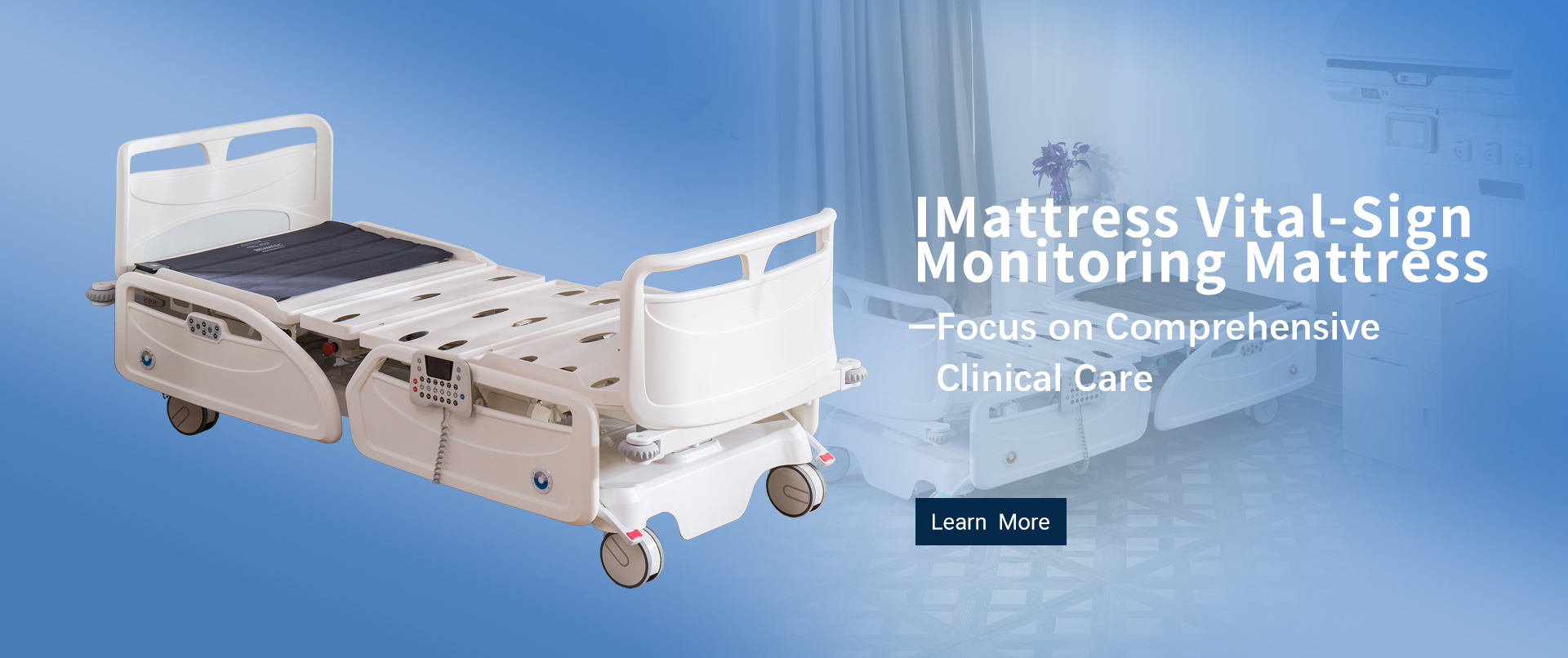
Four-piece detachable guardrails can provide an enclosed protective structure while allowing caregivers to access patients when necessary.
3. Key Features to Consider Before Purchasing
When evaluating a Two-Function Manual Bed With HDPE Siderails, healthcare buyers should look beyond the basic adjustment functions.
Consider these important factors:
- Adjustment range: Check the backrest and knee section angles to ensure they meet clinical requirements.
- Safe working load: Confirm that the bed supports the intended patient weight.
- Caster system: Centralized braking and smooth movement can improve equipment handling.
- Bed frame materials: Evaluate structural strength, surface treatment, and long-term durability.
- Maintenance requirements: Removable components and accessible structures can simplify routine cleaning and servicing.
For example, the BEWATEC Iaso Series two-function manual bed provides backrest adjustment from 0° to 70° and knee adjustment from 0° to 40°, with a safe working load of 170 kg.
4. How BEWATEC Improves Everyday Patient Care
BEWATEC (Zhejiang) Medical Equipment Co., Ltd. focuses on developing medical equipment and smart healthcare solutions that support more efficient and patient-centered care.
Its Two-Function Manual Bed With HDPE Siderails incorporates several practical design features:
- Four detachable HDPE guardrails for comprehensive bedside protection.
- Antibacterial bed surface materials to support hospital hygiene management.
- Retractable backboard design to help reduce friction between the mattress and the patient’s skin during positioning.
- Centralized controlled casters for convenient movement and braking.
- Bumper wheels at the four corners to help protect the bed and surrounding equipment.
These features address common requirements in daily hospital operations, including patient positioning, equipment handling, cleaning, and nursing accessibility.
5. Is a Two-Function Manual Bed Right for Your Facility?
A Two-Function Manual Bed With HDPE Siderails can be a suitable option for facilities that need essential patient positioning functions without the additional complexity of a fully electric bed.
Before making a purchasing decision, consider your patient population, nursing workflow, available budget, safety requirements, and maintenance capabilities.
For facilities requiring more adjustment functions, electric hospital beds or three-function manual beds may be more appropriate.
Conclusion
A Two-Function Manual Bed With HDPE Siderails combines essential positioning functions, practical safety features, and easy-to-maintain materials. By evaluating adjustment capabilities, load capacity, siderail construction, and overall usability, healthcare providers can make more informed purchasing decisions.
BEWATEC is committed to advancing smart healthcare through reliable medical equipment and integrated digital care solutions. Contact our team to explore suitable hospital bed solutions for your healthcare facility.
Post time: Nov-02-2026


