


As healthcare technology continues to evolve, hospitals are increasingly adopting intelligent solutions to improve patient safety, nursing efficiency, and overall care quality. Traditional patient monitoring often relies on wired equipment and regular manual checks, which can increase nurses’ workloads and make continuous observation more challenging.
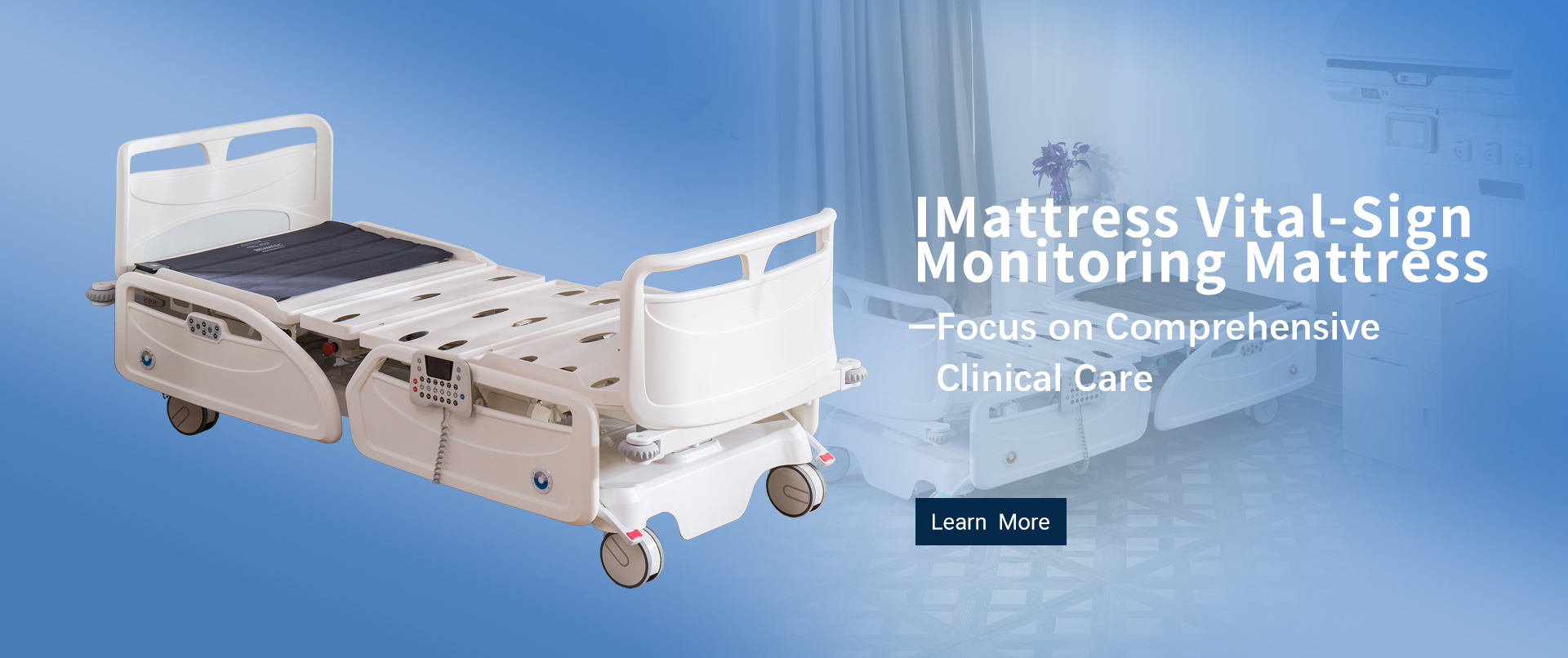
A Wireless Health Monitoring Mattress offers a smarter approach by integrating advanced sensing technology with wireless data transmission. It enables healthcare professionals to monitor important patient information without requiring patients to wear additional monitoring devices, creating a more comfortable and convenient care experience.
For modern hospitals, this technology represents an important step toward connected, data-driven healthcare.
1. Continuous Vital Sign Monitoring Without Intrusive Sensors
One of the most valuable advantages of a Wireless Health Monitoring Mattress is its ability to collect essential physiological information through integrated sensing technology.
Depending on the system configuration, it can monitor key indicators such as heart rate and respiratory rate while patients remain comfortably in bed. Unlike conventional monitoring methods that may require wearable sensors or multiple cables, this approach helps reduce unnecessary physical connections.
Continuous data collection also provides healthcare professionals with valuable insights into changes in patient conditions, supporting more informed clinical observation and nursing decisions.
2. Wireless Data Transmission for More Efficient Nursing
In busy hospital environments, nurses must balance patient observation, documentation, medication administration, and other essential responsibilities.
A Wireless Health Monitoring Mattress equipped with Wi-Fi connectivity can transmit monitoring data to a connected management platform. This allows authorized healthcare professionals to review patient information remotely through compatible systems.
By reducing dependence on repetitive manual checks and data recording, wireless monitoring can help streamline daily nursing workflows. More importantly, it allows medical staff to focus additional attention on direct patient care.
3. Intelligent Movement and Out-of-Bed Detection
Patient safety extends beyond monitoring vital signs. For elderly individuals, postoperative patients, and people with limited mobility, unexpected movement or leaving the bed without assistance may create additional safety concerns.
An intelligent Wireless Health Monitoring Mattress can identify significant body movements and detect whether a patient is in bed.
When configured with personalized alert thresholds, the system can notify caregivers of relevant events, helping them respond more promptly. These functions can support fall-risk management and improve awareness in general wards and long-term care facilities.
However, intelligent monitoring should complement, rather than replace, professional nursing assessments and established fall-prevention procedures.
4. Sleep Monitoring for More Personalized Care
Quality sleep plays an important role in patient recovery and overall well-being. Traditional observation methods provide limited information about sleeping patterns throughout the night.
With sleep monitoring capabilities, a Wireless Health Monitoring Mattress can analyze sleep-related information, including total sleep duration, light sleep, deep sleep, REM sleep, and periods of wakefulness.
These insights can help healthcare professionals better understand patients’ rest patterns and identify potential areas requiring further attention. They also support a more personalized approach to inpatient care.
5. Choosing the Right Wireless Monitoring Solution
When evaluating a Wireless Health Monitoring Mattress, healthcare facilities should consider several important factors:
- Monitoring capabilities: Check whether the system supports heart rate, respiratory rate, movement, and out-of-bed detection.
- Data connectivity: Ensure reliable wireless transmission and compatibility with existing hospital information systems.
- Alert management: Look for configurable thresholds and clear notifications.
- Patient comfort: Choose a design that supports comfortable, non-intrusive monitoring.
- System integration: Consider whether the solution can connect with broader smart ward management platforms.
Selecting the right solution requires balancing clinical needs, operational efficiency, patient experience, and long-term system compatibility.
Conclusion: Advancing Healthcare Through Intelligent Monitoring
The future of healthcare depends on connecting medical technology, clinical expertise, and patient-centered services.
A Wireless Health Monitoring Mattress is more than a monitoring device. It is an important component of the smart healthcare ecosystem, helping hospitals collect meaningful patient data, improve nursing visibility, and support more personalized care.
As a specialist in smart healthcare solutions, BEWATEC (Zhejiang) Medical Equipment Co., Ltd. is committed to accelerating healthcare digitalization through AIoT technology and intelligent nursing solutions.
With innovative monitoring technologies and integrated smart healthcare systems, BEWATEC aims to help healthcare providers build safer, more efficient, and more connected medical environments.
Discover BEWATEC’s intelligent patient monitoring solutions and explore the possibilities of smarter healthcare.
Post time: Nov-16-2026


