
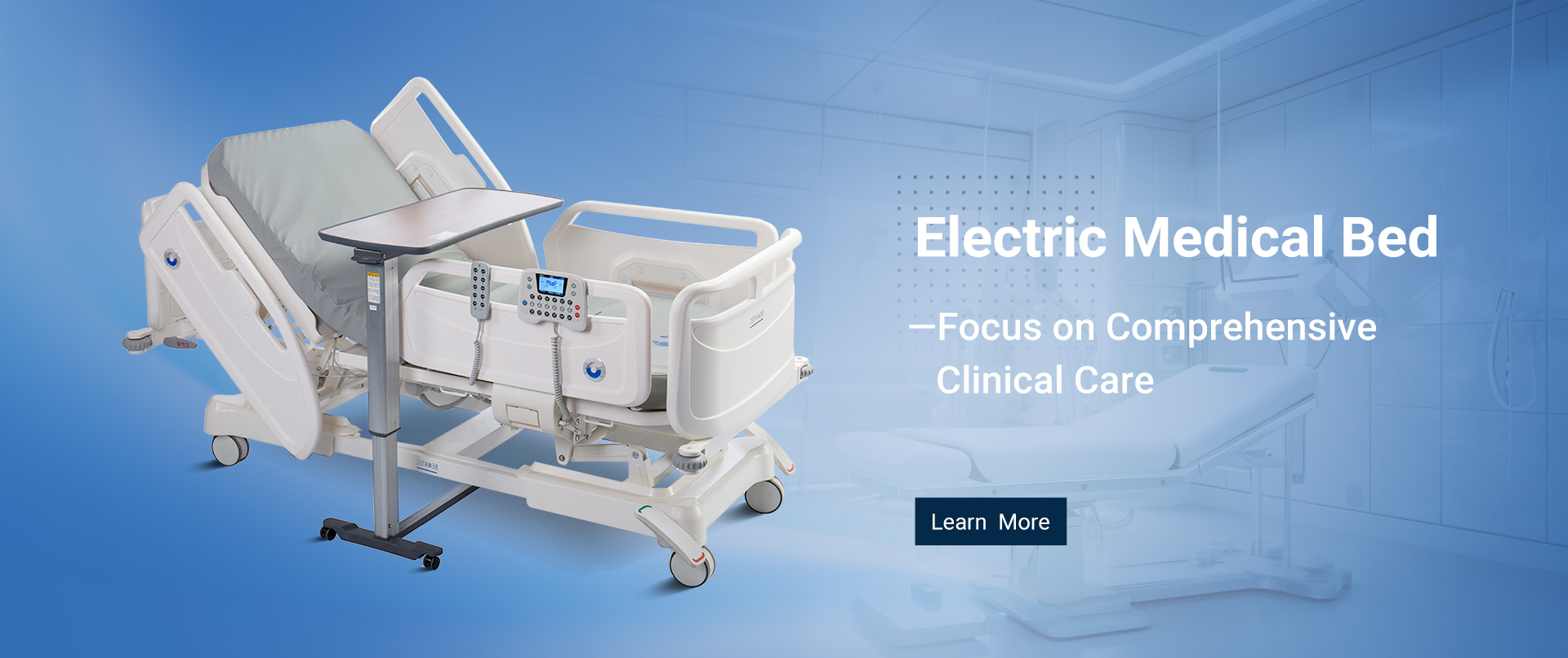
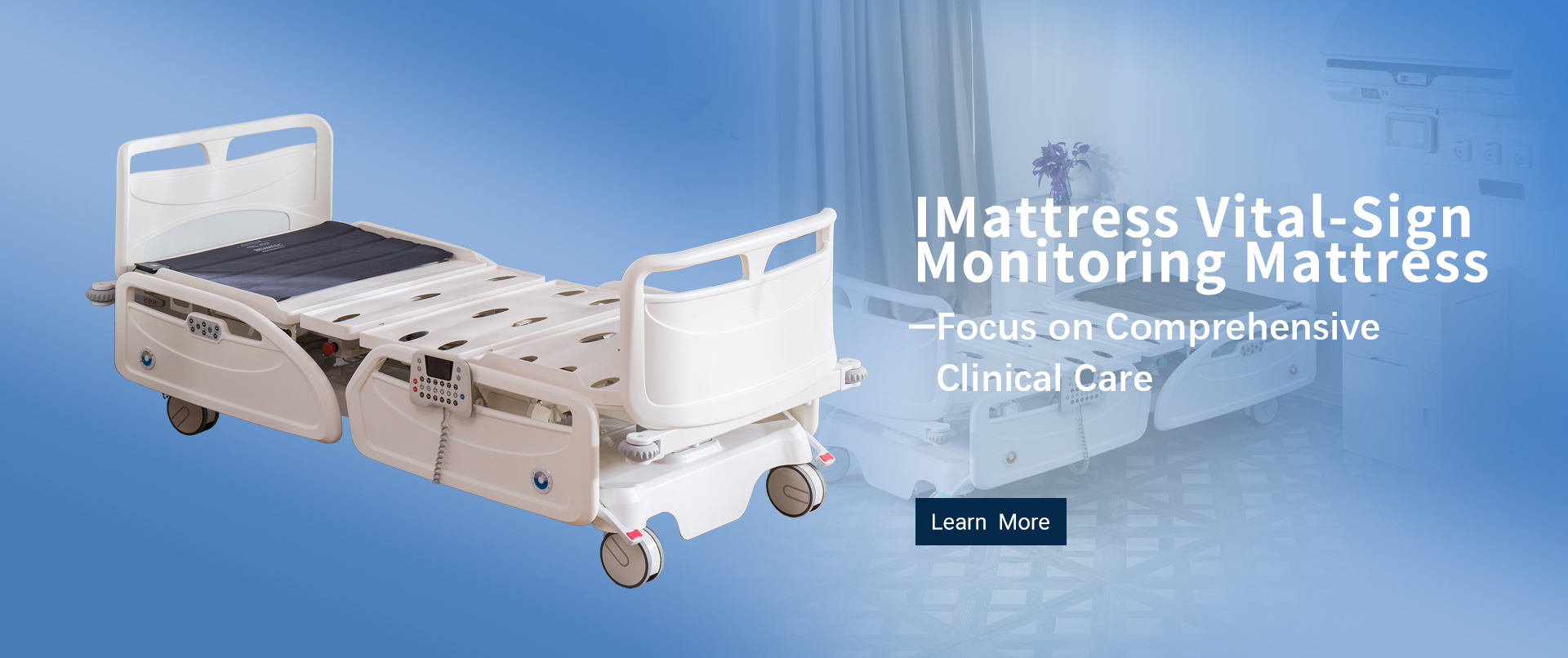
Okay, so if you're a global healthcare buyer, picking a Manual Transfer Bed is really about practical equipment choices—not just flipping through a catalogue. These beds help move patients between rooms, treatment areas, and transport surfaces, and they do it without powered lifting systems. You'll commonly see hydraulic manual beds, crank-adjustable beds, folding transfer beds, and stretcher-style models. Each one is built for a different workflow. A busy ward might care most about fast height adjustment, while home-care teams may want something compact that's easier to store and clean.
From real purchasing experience, specs alone can be misleading. A bed rated for a high load can still feel unstable on uneven floors. A lightweight frame might make handling easier, but it can also make you less confident during lateral transfers. So buyers should look closely at frame welds, caster locks, mattress dimensions, side-rail operation, and how far you have to reach to turn each crank. Ask suppliers for load-testing records, material details, user instructions, and after-sales support terms. Demo videos help, sure, but a live trial shows you the noise, the effort, and those awkward hand positions. Small details really matter.
This 2026 guide compares leading Manual Transfer Bed types across safety, usability, maintenance, and total ownership value. It looks at hospitals, rehab centers, nursing facilities, and home-care distributors under different operating conditions. If you're on an experienced procurement team, verify regional requirements with qualified professionals before ordering. Availability and technical standards can vary by market. There's no universal winner. That's the uncomfortable part. A low purchase price may hide tough cleaning or expensive replacement parts. The best choice fits patient needs, staff capability, room layout, and service expectations. So recheck every assumption.
2026 Top Manual Transfer Bed Types for Global Buyers
What Is a Manual Transfer Bed and How Does It Work?
A manual transfer bed helps move a patient between rooms, beds, stretchers, or treatment areas. Unlike powered equipment, it relies on hand cranks, hydraulic pumps, or assisted folding mechanisms. Lockable casters keep the frame stable. Sliding platforms, split sections, and adjustable side rails support safer lateral transfers.
In practice, a caregiver positions the bed beside another surface. The brakes engage. The transfer surface then aligns with the receiving height. Some models use a removable mattress section or bridging panel. Others allow controlled backrest and height adjustment. The process looks simple, but poor alignment can create dangerous gaps.
WHO reported in its 2022 Global Report on Assistive Technology that more than 2.5 billion people need assistive products. This figure may exceed 3.5 billion by 2050. Manual transfer beds serve a narrower clinical need, yet the demand for practical mobility equipment is growing. Buyers should check working load, frame width, wheel diameter, brake performance, and cleaning access. ISO 13485-style quality controls can strengthen supplier evaluation, although certification alone does not prove daily usability. I would also request a real transfer demonstration. Product photos rarely reveal awkward handles, weak brakes, or uncomfortable mattress edges.
A manual transfer bed is a patient-care platform that uses hand-operated controls, mechanical cranks, or manual hydraulic assistance to adjust bed height, backrest position, or leg elevation. These adjustments support safer patient transfers between beds, wheelchairs, stretchers, and treatment areas without relying on electric motors.
The chart compares common manual transfer bed categories by typical maximum safe working load. Actual specifications vary by configuration, mattress platform, caster system, and regional medical-device requirements. Buyers should verify the supplier’s certified safe working load before purchase.
2026 Top Manual Transfer Bed Types for Global Buyers
Key Types of Manual Transfer Beds for Different Care Settings
Manual transfer beds vary by movement needs, patient weight, and available space. In hospitals, height-adjustable transfer stretchers support safer movement between wards, imaging rooms, and operating areas. Their manual hydraulic systems work without electricity. This can matter during outages or in facilities with limited infrastructure. Lateral transfer beds use sliding platforms or low-friction surfaces. They reduce lifting during bed-to-bed transfers, although staff still need proper training.
Long-term care facilities often choose compact, low-height beds with adjustable backrests and side rails. These models support daily repositioning and reduce fall exposure near the bedside. Home-care buyers may prefer foldable transfer beds with lockable casters. They fit narrow rooms better. However, compact designs can reduce working space for caregivers. No model fits every room.
The World Health Organization reports that one in six people worldwide will be aged 60 or older by 2030. This increases demand for adaptable transfer equipment across hospitals, rehabilitation centers, and home care. NIOSH guidance also identifies patient handling as a major musculoskeletal risk for healthcare workers. Manual operation should not mean manual lifting.
Tips: Check the safe working load, mattress width, brake design, and minimum height before purchase. Ask users to test steering and transfer clearance. A small design mistake can become a daily problem. Semi-electric models may be worth reviewing when staffing, patient weight, or transfer frequency changes. WHO’s Global Report on Ageing and Health supports person-centered care, but equipment selection still needs local risk assessment.
Manual transfer beds differ in adjustment, mobility, and patient support. Hydraulic models offer smoother height changes, while crank-adjusted beds suit facilities seeking simpler maintenance. Fixed-height frames can cost less, but they may challenge caregivers during lateral transfers. In practical assessments, bed height and wheel control often affect safety more than appearance.
Quality starts with a rigid frame, secure locking joints, and a mattress platform that remains stable during movement. Look for corrosion-resistant surfaces, rounded edges, and materials compatible with approved cleaning agents. Strong brakes matter most. Test them under load, not only when the bed is empty. Side rails should lock firmly and release without excessive force. Clear load ratings help staff avoid unsafe assumptions.
Manual mechanisms are not maintenance-free. Inspect cranks, hinges, casters, and brake pedals at scheduled intervals. Confirm spare-part availability, service instructions, and independent load-test records before purchase. Global buyers should also check local safety requirements, language needs, and delivery conditions. One practical lesson is easy to miss: a bright finish does not prove durability. A poorly sealed joint can collect moisture and cleaning residue. Some beds feel slightly stiff during early use, and that deserves review rather than excuses. Reliable selection depends on hands-on testing, trained users, and documentation that remains understandable after installation.
Choosing a manual transfer bed should begin with the patient, not the product catalogue. A lightweight stretcher can suit short transfers between treatment rooms. Its narrow frame improves movement through standard doorways. However, limited width may reduce comfort for larger patients. A wider bariatric transfer bed offers stronger support, but it needs more turning space and stronger floor planning.
Consider the patient’s weight, mobility, pain level, and fall risk. A height-adjustable manual bed can reduce bending during lateral transfers. A fixed-height model may cost less and require less maintenance. Split side rails can support repositioning when staff need safer hand access. Locking casters, clear brake pedals, and a firm mattress surface matter during every movement. Check the safe working load carefully. Never treat a maximum load as a routine target.
Tips: Measure corridors, lifts, doorways, and storage areas before ordering. Ask staff to test the bed with gloves and a loaded mattress. Confirm cleaning compatibility, spare-part access, and local safety requirements. Training also matters. A well-designed bed can still be misused. I have seen teams focus on height adjustment while overlooking brake access. That small mistake can slow care and increase risk. Select the simplest design that meets clinical needs, facility space, and daily handling demands.
Manual transfer beds differ in how they support repositioning, lateral movement, and daily nursing tasks. Common designs include fixed-height transfer beds, adjustable-height beds, split-platform models, and compact beds for smaller rooms. Buyers should match the bed type with patient mobility, caregiver strength, doorway width, and available lifting equipment.
Safety verification should begin with applicable standards, not attractive features. IEC 60601-1 addresses basic safety for powered medical equipment, while IEC 60601-2-52 covers specific requirements for medical beds. A manual bed may not use every requirement in the same way. Importers should request test reports, risk assessments, load ratings, and instructions in the destination market’s language. Check gaps around the mattress platform, side-rail locking, caster brakes, and pinch points. A loose brake is not a minor defect.
Usability becomes clear during a real transfer. Test the bed with gloves, a mattress, a transfer sheet, and two caregivers. Handles should remain reachable without twisting the back. The frame should pass through common doorways, and wheels should roll smoothly over uneven flooring. Cleaning matters too; exposed seams can retain fluids and disinfectant residue. Ask about replacement rails, wheels, fasteners, and service guidance. A low purchase price may conceal difficult maintenance. No design is perfect. A short bedside trial can reveal problems that a specification sheet misses.
For global buyers in 2026, material selection should match handling, cleaning routines, and local climate. A powder-coated steel frame offers rigidity and cost control. Aluminum reduces weight, but may feel less stable during rough movement. Stainless steel resists corrosion, although it increases purchase weight and price. No material is perfect. In humid wards, exposed fasteners can rust before the frame looks damaged. Buyers should request load ratings, coating specifications, and test records from suppliers.
Transfer surfaces need more than a quick wipe. Use a sealed mattress cover with welded seams where possible. Check whether disinfectants are compatible with vinyl, polyurethane foam, plastics, and casters. Harsh chemicals can harden surfaces or weaken seams. Clean after spills, dry hidden joints, and inspect brakes weekly. Look closely. Operators should test side rails, locking pins, transfer boards, and height mechanisms before each shift. A maintenance log should record defects, repairs, dates, and responsible staff. Some teams skip this step. That mistake becomes expensive.
Service planning matters as much as construction. Global buyers should confirm spare-part availability, repair manuals, training, warranty limits, and response times before ordering. Ask how quickly common items, such as casters, gas springs, brake cables, and mattress covers, can be supplied. Remote support is useful, but it cannot replace competent local inspection. Suppliers should explain safe adjustment limits and escalation procedures in clear English. Requirements may vary by country and facility, so local clinical engineering review remains essential. Even well-built beds need planned replacement. That is easy to forget.
For global buyers, manual transfer beds should be compared by use, not appearance. A hydraulic transfer bed may suit hospitals with frequent lateral movement, while a folding model fits smaller clinics and emergency transport. Check working load, transfer height, caster lock, mattress width, and side-rail strength. A few millimeters can affect wheelchair alignment. It is easy to overlook this.
WHO reports that roughly one in ten patients experiences harm during healthcare, and over half of such harm is preventable. This makes stability and cleaning access purchasing issues, not cosmetic details. Ask suppliers for load-test records, material specifications, inspection photos, and relevant quality certificates. ISO 13485-based controls can indicate disciplined manufacturing, but certification alone does not prove practical durability.
Compare the landed cost, not only the factory quotation. Include packaging, inland delivery, ocean freight, insurance, customs duties, installation, and replacement parts. UNCTAD’s Review of Maritime Transport notes that about 80% of global merchandise trade by volume moves by sea, so freight timing can change the real budget. Request prices under matching Incoterms, such as FOB or DAP. Clarify minimum order quantity, production lead time, payment milestones, warranty exclusions, and acceptance inspection rules. A lower price may hide thin packaging or slow spare-part support. I have seen buyers overvalue stainless steel and undervalue caster quality. That judgment deserves a second look.
Choose a height-adjustable model for ward, imaging, and operating-room transfers. Manual hydraulics work without electricity. Test corridor movement.
Sliding platforms reduce lifting during bed-to-bed movement. Staff still need proper training and coordinated handling. Less lifting does not mean no risk.
Compact, low-height beds support daily repositioning. Adjustable backrests and side rails can reduce bedside fall exposure. Check rail access carefully.
Foldable beds with lockable casters fit narrow rooms. Compact frames may leave caregivers less working space. Measure the room first.
Consider weight, mobility, pain, fall risk, and comfort. Wider beds support larger patients but need more turning space. Bigger is not always better.
Measure doorways, corridors, lifts, storage areas, and turning points. Confirm mattress width and minimum height. A few centimeters can matter daily.
Check safe working load, caster brakes, side-rail locks, mattress gaps, and pinch points. Never treat maximum load as routine capacity.
Use gloves, a mattress, a transfer sheet, and two caregivers. Test steering, brakes, clearance, and handle reach. A short trial reveals hidden problems.
No. Manual operation should not become manual lifting. Training supports safer transfers, even with a well-designed bed.
Review them when patient weight, staffing limits, or transfer frequency increases. Manual beds may remain suitable. The decision needs local risk assessment.
A Manual Transfer Bed is designed to help caregivers reposition, transfer, and transport patients safely with reduced physical strain. This overview explains how manual mechanisms work and compares key types for hospitals, nursing homes, rehabilitation centers, home care, and emergency use. It highlights essential qualities such as adjustable height, secure side rails, smooth movement, stable locking systems, patient comfort, and compatibility with different care environments. Guidance is also provided on matching bed functions to patient mobility, weight, medical condition, caregiver workflow, and facility space.
For global buyers, the article reviews practical safety, usability, and quality considerations, including ergonomic design, reliable brakes, durable frames, easy-clean surfaces, and clear operating instructions. It also discusses common material choices, routine maintenance, service support, spare parts, and expected product lifespan. Finally, buyers can learn how to compare suppliers, evaluate total costs, review customization and delivery terms, confirm documentation, and select a suitable Manual Transfer Bed that balances safety, performance, durability, and long-term value.