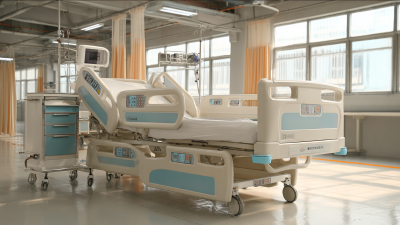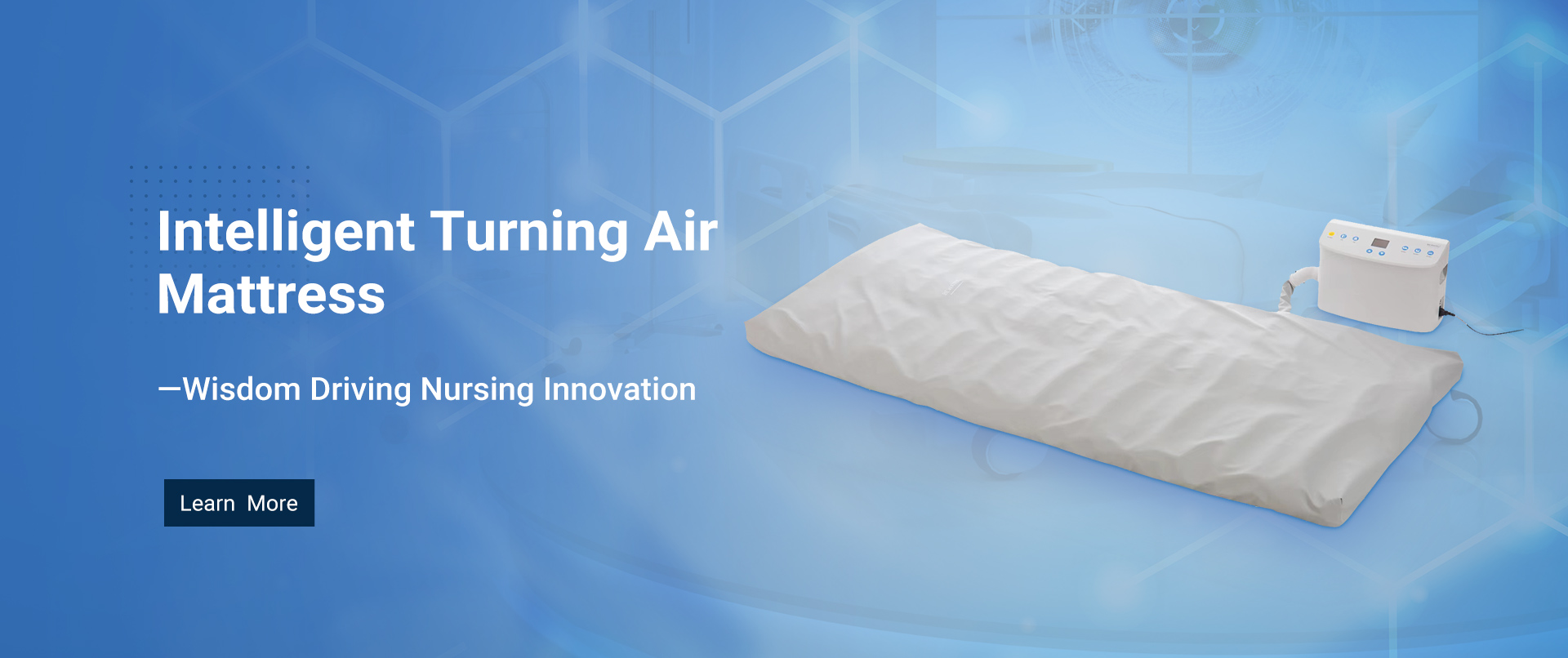
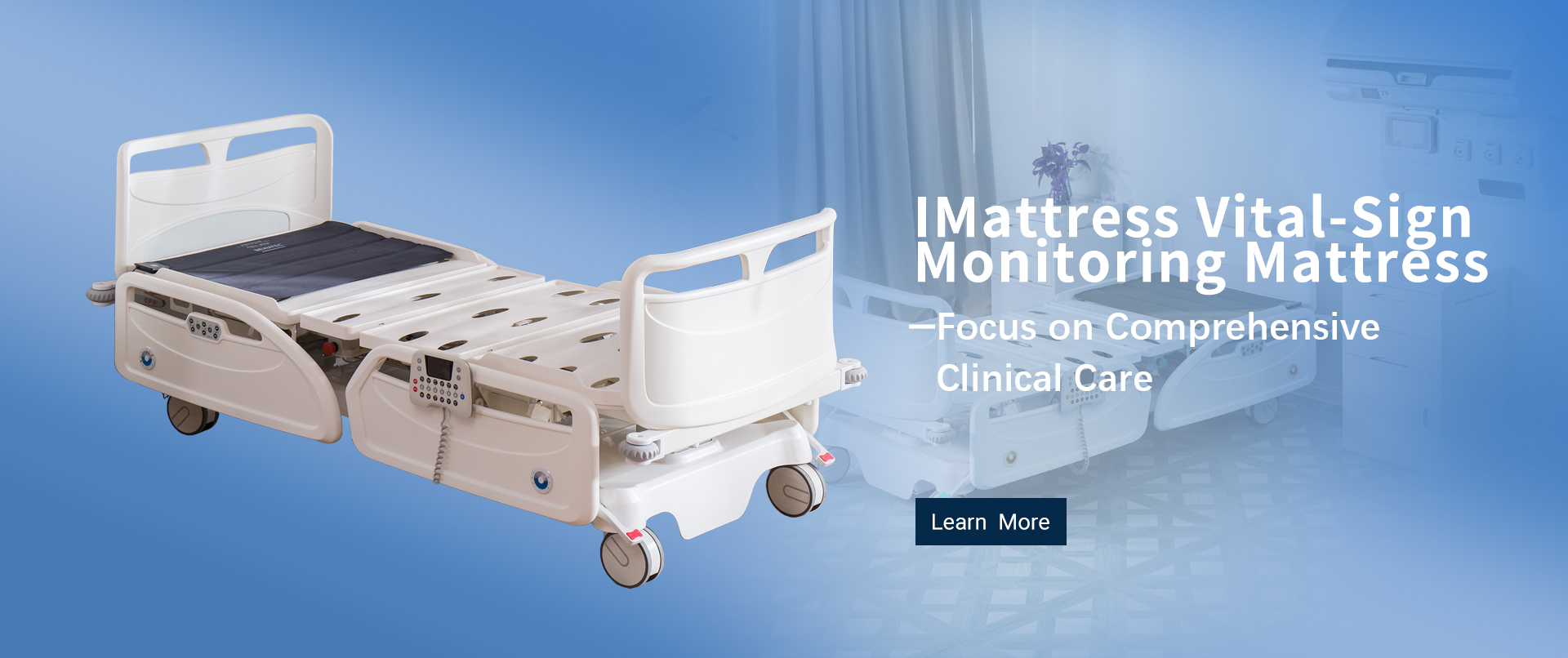
Choosing the right medical bed manufacturer in China? It's not just a matter of comparing prices and product photos. Global buyers really need proof of engineering experience, stable production, solid quality control, and communication that doesn't drag. A dependable manufacturer should get how hospitals, clinics, nursing facilities, and home-care settings actually work. And they should be able to explain—clearly—how each bed helps with patient safety, caregiver efficiency, and long-term maintenance.
So take a close look at the factory's manufacturing process. Ask about frame materials, motor performance, load testing, emergency functions, surface finishes, and inspection records. A professional supplier can give you clear specs, product drawings, sample evaluations, and traceable quality documents. Factory visits or live production audits often show the stuff brochures leave out—like wiring protection, wheel movement, welding consistency, and packaging strength. It's the small details that matter.
Reliability, after all, is proven over time.
Experienced Chinese manufacturers should offer practical customization without cutting corners on safety or serviceability. They should be upfront about lead times, spare parts, installation guidance, and after-sales support. International buyers may also need help with documentation and destination-market requirements. Talk through all of that before you sign any purchase agreement.
No manufacturer should claim to be perfect. Even a strong supplier may need to improve delivery coordination, documentation, or response speed. Honest recognition like that can be worth more than big, exaggerated promises. The best partner combines tested medical bed designs, trained personnel, transparent communication, and consistent quality management. For global buyers, the right choice isn't just the lowest-cost factory. It's the manufacturer that can deliver safe products again and again, explain its decisions, and stay accountable after shipment.
The world is ageing faster than many healthcare systems can adapt. The World Health Organization projects that one in six people will be aged 60 or older by 2030. Its Ageing and Health report also estimates that the number of people aged 60 and above will reach 2.1 billion by 2050. This shift will increase demand for safer hospital beds, rehabilitation beds, and long-term care equipment.
The pressure is uneven. WHO reports that about 80% of older people will live in low- and middle-income countries by 2050. Global buyers therefore need beds that balance clinical function, durability, and realistic budgets. A capable Chinese manufacturer should provide adjustable height, reliable locking castors, safe side rails, easy-clean surfaces, and accessible replacement parts. Compliance with relevant medical-device and electrical-safety requirements should be verified through technical files, testing records, and quality audits.
Specifications alone can mislead. A high load rating means little if motors fail under frequent use. A low purchase price may create expensive maintenance later. Buyers should inspect production experience, traceability, user training, and after-sales response before placing large orders. The International Organization for Standardization’s ISO 13485 framework can help assess a manufacturer’s quality-management system, but certification is not proof of perfect performance. Real hospital feedback still matters. Forecasts are useful, yet local ageing patterns and care models may differ.
Best Medical Bed Manufacturer in China for Global Buyers
Choosing medical beds requires more than comparing prices. Manual beds suit basic wards and clinics with limited electrical access. Electric models improve positioning, especially for patients needing frequent back or leg adjustments. ICU beds add integrated weighing, emergency positioning, and monitoring support. Homecare beds need quieter motors, compact dimensions, and simple controls. Bariatric models require wider platforms and stronger safe working loads.
The World Health Organization’s Decade of Healthy Ageing Baseline Report notes that one in six people worldwide will be aged 60 or older by 2030. This increases demand for dependable homecare and long-term care equipment. OECD Health Statistics also shows uneven hospital-bed availability across countries. Therefore, buyers should match bed design to local care capacity, not follow a universal specification. IEC 60601-2-52 compliance supports essential safety requirements, but certification alone does not prove practical durability. A common mistake is ignoring mattress compatibility and cleaning access.
Tips: Request load testing, cycle testing, and electrical documents before ordering. Check whether casters move smoothly on your actual flooring. Ask for spare-part timelines and multilingual manuals. For bariatric beds, verify both safe working load and usable mattress width. Factory audits help, though they cannot replace independent inspection. 马会
A practical comparison of commonly specified medical bed categories for hospitals, care facilities, homecare providers, and global procurement teams.
| Medical Bed Type | Typical Adjustment Method | Common Bed-Deck Positions | Typical Safe Working Load | Typical Width Range | Typical Length Range | Common Safety and Mobility Features | Typical Applications | Procurement Considerations |
|---|---|---|---|---|---|---|---|---|
| Manual Medical Bed | Hand cranks, mechanical levers, or assisted manual mechanisms; no electrical actuator required. | Backrest adjustment; some models also provide knee-rest adjustment and manual height adjustment. | Approximately 150–200 kg | Approximately 900–1,050 mm | Approximately 2,000–2,200 mm | Lockable casters, foldable or removable side rails, IV-pole sockets, drainage-bag hooks, and optional lifting pole. | General wards, clinics, step-down units, and facilities with limited access to power. | Confirm crank location, caregiver workload, caster diameter, side-rail configuration, and cleaning access. |
| Electric Medical Bed | Electric motors controlled by a wired handset or nurse-control panel. | Usually backrest, knee-rest, overall height, and Trendelenburg or reverse Trendelenburg on selected models. | Approximately 180–250 kg | Approximately 900–1,050 mm | Approximately 2,000–2,200 mm | Central locking, low-height position, emergency lowering, protective motor enclosure, split side rails, and optional battery backup. | Acute-care wards, rehabilitation centers, nursing facilities, and general hospital rooms. | Check voltage and plug requirements, actuator duty cycle, battery performance, ingress protection, and replacement-parts availability. |
| ICU Medical Bed | Multi-motor electric adjustment with integrated patient and caregiver controls. | Backrest, knee-rest, height, Trendelenburg, reverse Trendelenburg, chair position, and CPR-flat position. | Approximately 220–300 kg | Approximately 1,000–1,200 mm | Approximately 2,100–2,300 mm | CPR release, radiolucent back section on selected models, weighing system on selected models, fifth-wheel steering, split rails, and accessory rails. | Intensive care units, high-dependency units, emergency departments, and post-operative care. | Evaluate emergency access, imaging compatibility, mattress platform, power-failure operation, rail design, and applicable local standards. |
| Homecare Medical Bed | Manual or electric adjustment; commonly operated by a handset with simple caregiver controls. | Backrest and knee-rest adjustment; height adjustment is available on many electric models. | Approximately 150–200 kg | Approximately 900–1,050 mm | Approximately 2,000–2,200 mm | Low-height option, lockable casters, removable rails, lifting pole compatibility, quiet motors, and detachable components for transport. | Private residences, domiciliary care, long-term care, and recovery after hospital discharge. | Prioritize room access, delivery dimensions, noise level, caregiver usability, mattress compatibility, and household electrical requirements. |
| Bariatric Medical Bed | Heavy-duty electric adjustment; manual and semi-electric versions are also available. | Backrest, knee-rest, height, Trendelenburg, reverse Trendelenburg, and extended-width configurations on selected models. | Approximately 300–450 kg | Approximately 1,100–1,500 mm | Approximately 2,000–2,300 mm | Reinforced frame, heavy-duty casters, wide split rails, strong mattress platform, secure IV-pole mounting, and optional extension sections. | Hospitals, bariatric wards, long-term care, rehabilitation, and specialized homecare environments. | Verify the safe working load rather than only the user weight, doorway clearance, floor loading, mattress width, transfer equipment, and turning radius. |
Note: Dimensions, load ratings, functions, and accessories vary by model and configuration. Before purchase, request the manufacturer’s technical drawing, user manual, safety documentation, and certification package for the exact model.
A dependable medical bed manufacturer should build quality into every production stage. ISO 13485:2016 provides a structured framework for this work. It links customer needs, design controls, purchasing, assembly, inspection, and post-market feedback. Global buyers should request current certificates, controlled procedures, and objective production records. Claims alone are not enough.
Risk-based production control makes the process more practical. Engineers identify hazards linked to lifting systems, side rails, brakes, motors, and electrical components. Higher-risk features receive stricter inspections and documented testing. Workers may check frame welds, actuator movement, emergency functions, and load performance. Serial numbers support traceability from incoming materials to final shipment. Details matter. Records speak.
In daily manufacturing, trained operators follow approved work instructions and record deviations immediately. Quality teams review nonconforming products, investigate root causes, and track corrective actions. Supplier performance also requires regular review, not a one-time approval. A strong system still has weaknesses. Manual records can be delayed, and risk assessments may miss unusual use conditions. Honest manufacturers examine these gaps through internal audits, customer feedback, and process data. They update controls when evidence changes. For international buyers, this disciplined transparency is often more valuable than polished factory presentations.
Best Medical Bed Manufacturer in China for Global Buyers
Electrical Safety Benchmarks: IEC 60601-1 and IEC 60601-2-52 Compliance
Electrical safety begins with design, not paperwork. IEC 60601-1 evaluates basic safety and essential performance for medical electrical equipment. IEC 60601-2-52 adds requirements specific to medical beds, including movement, entrapment risks, and patient support. A capable manufacturer should verify leakage current, protective earth continuity, insulation strength, and abnormal operation. These tests need controlled equipment and traceable records.
The WHO Global Patient Safety Action Plan 2021–2030 reports that one in ten patients experiences harm in healthcare. More than half of this harm may be preventable. Bed failures can create practical risks: an unexpected backrest movement, a loose caster, or a damaged cable near cleaning fluids. Factory inspections should therefore include repeated adjustment cycles, load testing, cable flexing, and emergency-stop checks. Small details matter.
Compliance evidence should match the destination market and applicable edition. Buyers should request test reports, risk-management files, calibration records, and production inspection results. IEC 60601-1 compliance alone is not enough for a medical bed. IEC 60601-2-52 must also be considered. A certificate can look convincing while process control remains weak. That deserves scrutiny. Even experienced teams sometimes overlook accessories, replacement actuators, or software changes. An honest supplier explains these gaps, tests them again, and keeps the evidence available for review.
This chart presents selected maximum leakage-current benchmarks from the IEC 60601-1 third-edition framework. Type BF and Type CF patient leakage limits are shown under normal condition and single-fault condition. IEC 60601-2-52 defines additional basic-safety and essential-performance requirements for adult medical beds and is applied together with IEC 60601-1. Exact limits depend on the equipment classification, edition, applied parts, and test configuration; the chart is not a certification result.
Best Medical Bed Manufacturer in China for Global Buyers
Global buyers should judge a medical bed manufacturer by evidence, not factory photography. The WHO Global Patient Safety Report 2024 estimates that one in ten patients experiences harm during healthcare. Bed design, maintenance, and alarm reliability therefore affect patient safety directly. A capable manufacturer maps each intended use to EU MDR 2017/745 requirements, FDA 21 CFR obligations, and applicable CE procedures.
For Europe, the technical file should cover risk management, clinical evaluation, post-market surveillance, UDI, and vigilance procedures. Classification depends on the bed’s intended purpose and features. A powered bed may require deeper conformity assessment than a basic manual model. Under FDA rules, suppliers may need registration, device listing, compliant labeling, complaint handling, and reporting controls under 21 CFR Parts 801, 803, and 807. Quality systems should also align with 21 CFR Part 820, now harmonized with ISO 13485 through the FDA’s QMSR.
Look for test records, material traceability, software controls, and clear service instructions. IEC 60601-2-52 testing can support safety for medical beds, while ISO 14971 supports structured risk analysis. CE marking is not a decorative certificate. It depends on a defensible conformity process. That is not enough.
Some manufacturers still treat documentation as a final-stage task. This creates avoidable gaps between prototypes and shipped units. A stronger supplier reviews user needs, cleaning chemicals, emergency lowering, and side-rail performance before production. No compliance file is perfect; honest gap analysis is more reliable than polished promises.
Choosing a medical bed manufacturer requires more than checking catalog prices. Review production capacity through factory visits, equipment records, and recent delivery data. A reliable supplier should explain monthly output without vague promises. Inspect welding points, powder coating, motor fitting, and final assembly areas. Small details reveal process discipline.
Customization should cover dimensions, rail designs, control panels, mattress platforms, and regional power requirements. Ask for drawings before approving a prototype. Testing must include load endurance, brake performance, electrical safety, and repeated height adjustment. Request traceable reports from qualified laboratories when required by your market. Warranty terms should state coverage periods, spare-part availability, response times, and exclusions. Service quality becomes visible when a replacement actuator is needed, not during a sales presentation.
Tips: Ask for a sample bed and test it with nurses, caregivers, and maintenance staff. Record noise, movement speed, cleaning access, and emergency operation. Confirm packaging with photos before shipment. A perfect supplier does not exist. I have seen strong factories overlook user training or after-sales documentation. That weakness deserves honest discussion before signing a contract. Compare actual evidence, not polished promises.
The lowest quotation rarely represents the lowest ownership cost. A Chinese medical bed may offer a competitive factory price, but buyers must calculate packaging, inspection, insurance, customs, and inland delivery. The World Bank’s Logistics Performance Index 2023 shows major differences in customs efficiency, shipment tracking, and delivery reliability between markets. These variables can alter the landed cost significantly. Freight is not free. A detailed quotation should separate product price from every logistics charge.
Maintenance also deserves a realistic budget. The World Health Organization’s Medical Equipment Maintenance Programme Overview suggests using 5–10% of purchase value annually as a planning reference for maintenance. Buyers should confirm spare-part availability, technician training, warranty coverage, and response times before ordering. A bed with a low price but unavailable actuators can become expensive within months. Ask for service manuals and preventive-maintenance schedules.
Lifespan changes the calculation further. For example, a bed costing 2,000 dollars and lasting ten years costs 200 dollars annually before maintenance. A 1,500-dollar bed lasting six years costs 250 dollars annually. The cheaper option may lose. Actual service life depends on patient weight, cleaning chemicals, motor cycles, and repair quality. ISO 13485-based quality controls can support consistency, but certification alone does not prove durability. I would request test records, failure data, and references from hospitals using similar models. A spreadsheet can still lie. Use verified evidence, not optimistic promises.
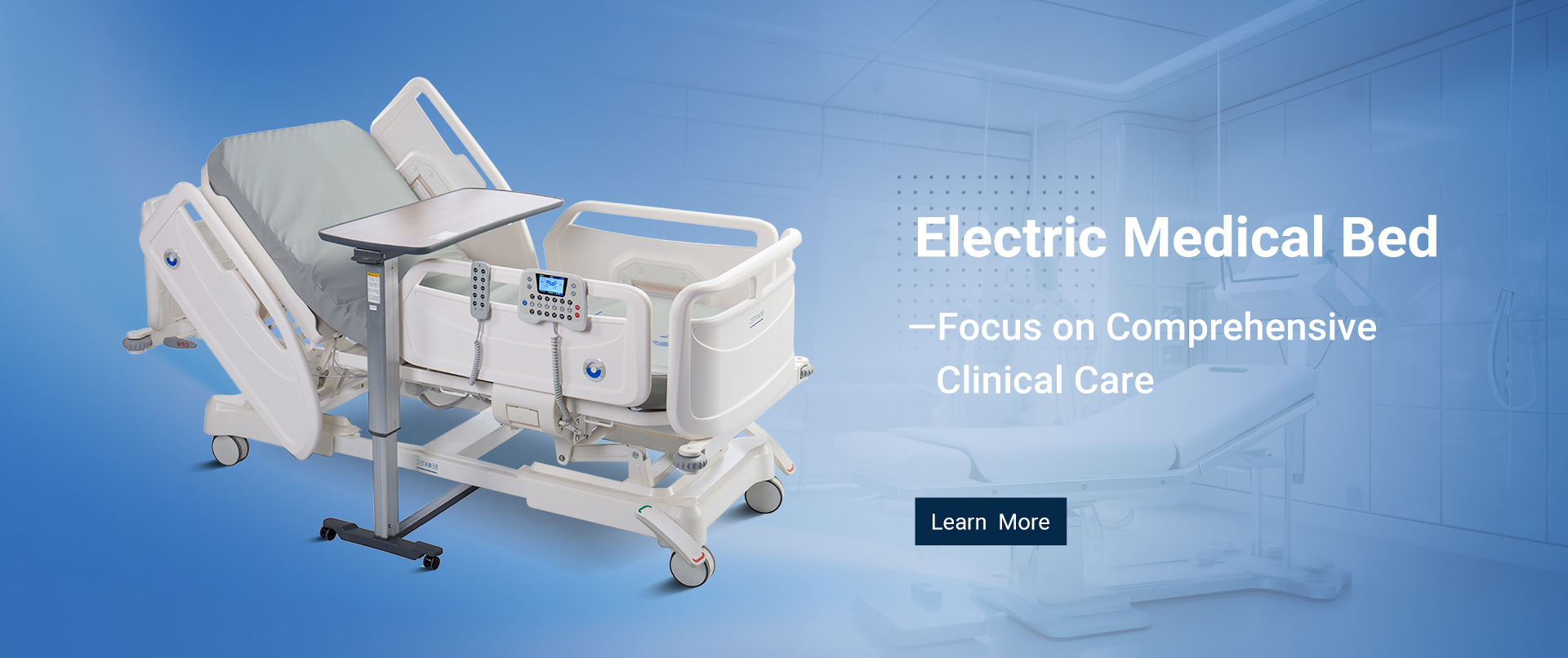
An A7 electric medical bed is designed to provide continuous support from emergency intervention through recovery. Its seven smart functions include electrically adjustable height, backrest elevation, knee-section adjustment, Trendelenburg and reverse Trendelenburg positioning, lateral tilt, and one-touch CPR positioning. Together, these functions help clinicians respond quickly, improve access during procedures, and create safer, more comfortable positions for patients with different mobility and clinical needs. The low-height setting can also support safer transfers, while smooth, quiet movement helps reduce unnecessary disturbance during rest.
Patient safety is closely linked to repositioning, fall prevention, and infection control. The World Health Organization reports that healthcare-associated infections affect approximately 7 in 100 patients in high-income acute-care hospitals and 15 in 100 in low- and middle-income settings. An adjustable bed with easy-to-clean surfaces, integrated controls, and flexible positioning can support daily nursing protocols and reduce avoidable handling. The Agency for Healthcare Research and Quality estimates that 700,000 to 1 million hospitalized patients fall each year in the United States, highlighting the value of low-bed operation, secure side rails, and controlled movement. With intelligent adjustment and emergency-ready design, this critical care bed helps deliver safer, more responsive care at every stage of treatment.
Manual beds suit basic wards and clinics with limited electrical access. Staff adjust positions using hand cranks. They usually need simpler maintenance. Check whether caregivers can operate them comfortably.
Electric beds support frequent back and leg adjustments. Controls can reduce caregiver strain. Test motor noise, emergency functions, and movement speed. Simple controls matter.
Intensive-care beds may include integrated weighing, emergency positioning, and monitoring support. Buyers should request documented function tests. Confirm compatibility with local monitoring equipment and power systems.
Choose quieter motors, compact dimensions, and clear controls. Measure doorways, bedroom space, and turning areas first. Check cleaning access around rails and joints. Small rooms expose design weaknesses.
Confirm the safe working load and usable mattress width. Do not rely on frame appearance alone. Request load-testing records and inspect platform strength. Width matters daily.
An unsuitable mattress can affect comfort, positioning, cleaning, and safety. Check dimensions, thickness limits, and support requirements. A bed may look suitable but still fail practical use.
Request current quality certificates, controlled procedures, inspection records, and electrical documents. Ask for load testing and cycle testing. Serial numbers should support material-to-shipment traceability. Claims are not evidence.
No. Compliance supports essential safety requirements, but it cannot prove long-term durability. Audits may miss unusual use conditions. Independent inspection remains valuable. Nothing is perfect.
As global healthcare needs expand, the Medical Bed has become an essential part of hospitals, nursing facilities, and homecare environments. With the aging population expected to grow significantly, buyers should understand the differences among manual, electric, ICU, homecare, and bariatric models. A reliable manufacturer should operate under ISO 13485:2016, apply risk-based production controls, and verify electrical and mechanical safety according to relevant IEC 60601 standards.
For international buyers, market access depends on appropriate documentation and conformity with applicable requirements, including EU MDR, FDA regulations, and CE obligations where relevant. Supplier evaluation should cover manufacturing capacity, customization options, product testing, warranty terms, technical support, and after-sales service. Beyond the initial purchase price, a practical comparison should include transportation, installation, maintenance, replacement parts, energy use, and expected service life. Selecting a qualified manufacturer with transparent quality processes and responsive global support can help buyers achieve dependable performance, regulatory confidence, and better long-term value.