


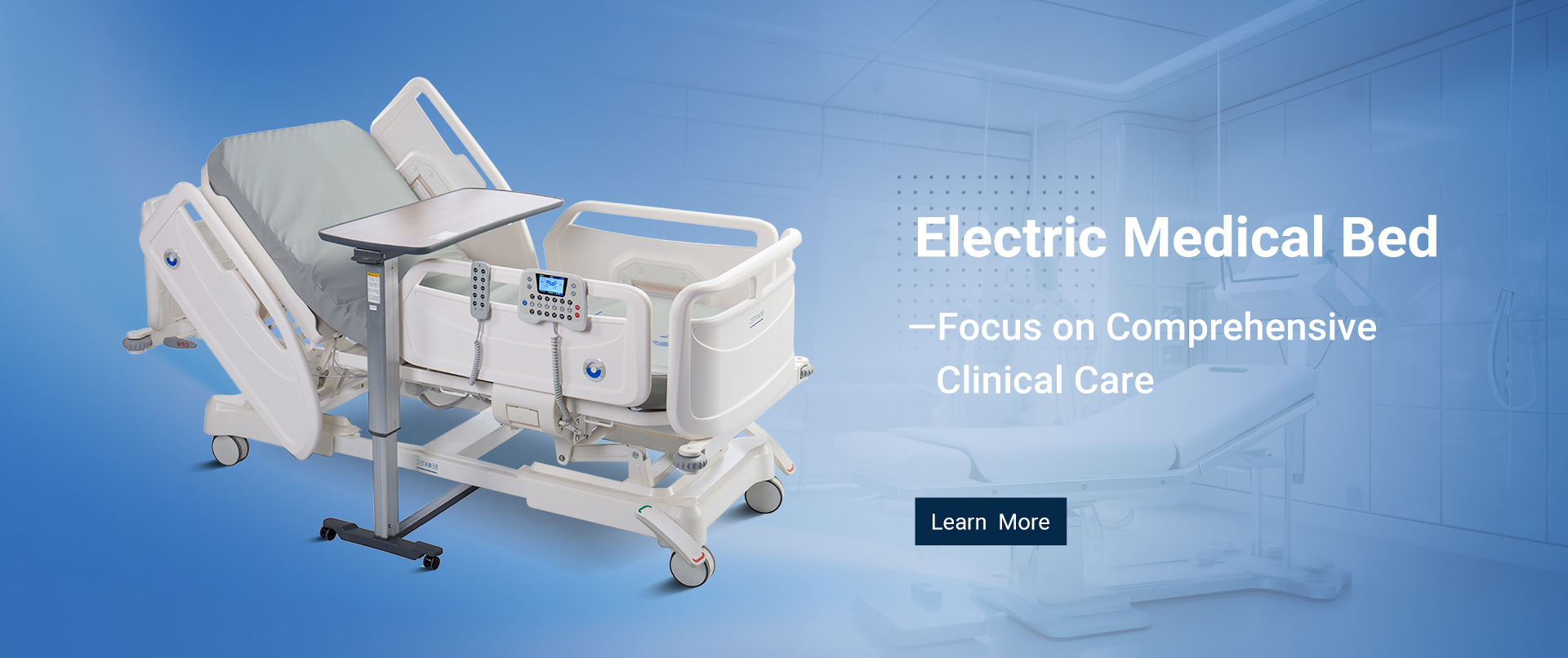
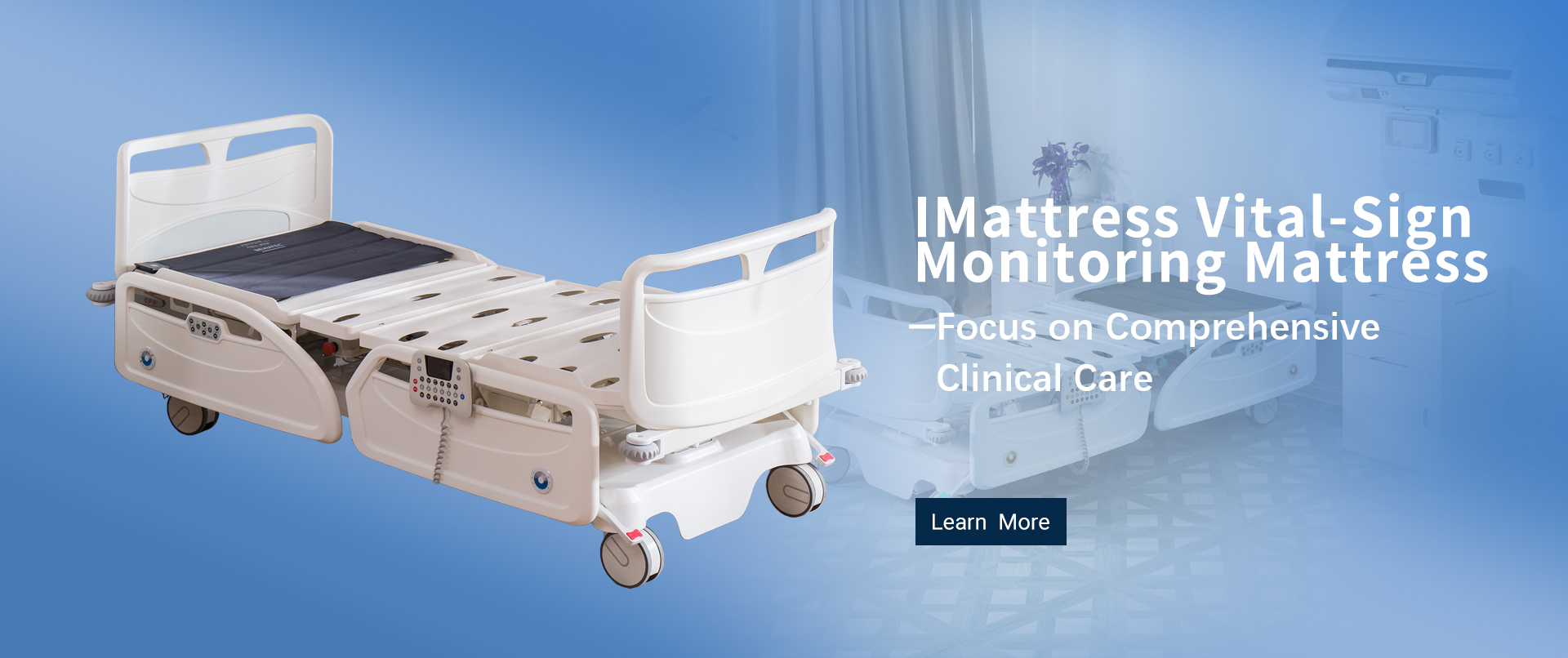

Picking out the right Manual Transfer Bed can sometimes feel pretty overwhelming, especially if you're buying from somewhere across the globe. These beds are super important—they give much-needed support for folks with limited mobility. There are lots of different brands and models out there, each designed to fit specific needs, so it can get complicated figuring out what’s best.
When you're shopping, think about stuff like safety features, how easy it is to use, and whether it feels comfortable. Big names like Invacare and Drive Medical are pretty trustworthy and easy to find, but it’s always worth doing a little homework before you buy. Checking out reviews or getting some tips from people who’ve been there can really help steer you in the right direction.
Honestly, while there are plenty of options, not every bed is perfect for everyone. What works wonders for one person might not be ideal for someone else. That’s why it’s so important to think about the specific needs of the patient. At the end of the day, choosing the right Manual Transfer Bed can make a huge difference in caring for someone and improving their quality of life.

Best Manual Transfer Bed Options for Global Buyers?
Choosing the right manual transfer bed is essential for user comfort and caregiver efficiency. When seeking options, consider the bed's height and width. A bed that can easily accommodate diverse body types will offer greater flexibility. Look for beds with adjustable features to match individual needs.
Tips: Assess your space. Measure room dimensions before making a decision. Consider how much room you have for maneuvering the bed. This can influence your choice of the bed's size.
Moreover, additional accessories can enhance usability. A manual transfer bed may require side rails or a mattress that provides adequate support. Pay attention to mattress thickness; thicker mattresses can improve comfort but may complicate transfers.
Tips: Evaluate weight capacity. Not all beds handle the same weight. Understanding the weight limits ensures safety and prevents accidents. It's also wise to involve caregivers when making a choice. Their experience can significantly inform your decision-making process.
Enhancing Patient Care: A Comprehensive Look at the M1 Manual Transfer Bed from the Machaon Series
In the dynamic landscape of healthcare, enhancing patient care while optimizing workflow for nursing staff remains a critical focus. The M1 Manual Transfer Bed from the Machaon Series stands out in its ability to meet these demands with its high-efficiency transportation capability and lightweight design. According to a report by the Healthcare Facilities Research Institute, hospitals that implement advanced transfer solutions can reduce patient handling injuries by up to 30%, significantly relieving the physical strain on nursing staff.
The lightweight design of the M1 Manual Transfer Bed not only facilitates easier movement between departments but also enhances the overall patient experience. Statistics from the Journal of Patient Safety indicate that seamless patient transfers contribute to a 15% increase in overall patient satisfaction scores. This is particularly crucial in busy healthcare settings, where efficient personnel deployment directly correlates with improved care quality.
Moreover, with the upward trend in patient-to-nurse ratios, innovative solutions like the M1 Manual Transfer Bed become essential. A report by the American Nursing Association highlights that effective equipment can optimize time management for nurses, allowing them to allocate more time to direct patient care. By integrating such efficient transfer beds, healthcare facilities can foster an environment that prioritizes both patient comfort and staff well-being.

FAQS
: Manual transfer beds support patient care during transfers, enhancing safety and comfort for both patients and providers.
Comfort helps patients feel secure. Adjustable heights allow caregivers to accommodate individual patient needs effectively.
Healthcare workers should be trained on proper transfer techniques to ensure patient safety and comfort during usage.
Some users report stability issues on uneven surfaces, indicating a need for design improvements in manual transfer beds.
Prices can range from a few hundred to several thousand dollars, depending on features and materials included in the bed.
Yes, delivery, assembly, maintenance, and accessory costs can increase the total expense, so it’s important to budget carefully.
Evaluate your specific needs versus optional features. Reflect on which functionalities are necessary for effective patient care.
They can offer valuable advice based on experience, but not all guidance will fit every buyer's unique situation.
Balance your budget with quality and continuously reflect on your choices to adapt as needed for patient care needs.
Conclusion
The article titled "Best Manual Transfer Bed Options for Global Buyers?" explores the significance of Manual Transfer Beds in enhancing patient care. It highlights essential features that buyers should consider, such as adjustability, safety mechanisms, and ease of use. Through a comparative analysis of popular brands, the article identifies trends in the healthcare market, indicating a growing demand for these beds due to their versatility and support in managing patient mobility.
Additionally, the article addresses cost considerations, guiding healthcare facilities in budgeting for Manual Transfer Beds. User feedback from both patients and caregivers further emphasizes the positive impact these beds have on comfort and assistance during transfers. Overall, this comprehensive overview serves as a valuable resource for global buyers seeking effective solutions in patient care through Manual Transfer Beds.
Related Posts
-

How to Use a Manual Transfer Bed Safely and Effectively?
-

Best Manual Transfer Bed Options for Healthcare Facilities?
-

Top 5 Benefits of Using M2 Hydraulic Transfer Bed for Your Healthcare Needs
-

Top 10 Benefits of Using a Multifunctional Transfer Bed?
-

Why Choose a Manual Bed for Your Home Care Needs?
-

How to Choose the Right Manual Bed for Your Needs?


