The Chinese healthcare scene is advancing fast, with some pretty exciting innovations catching the world's eye. Dr. Mei Zhang, a well-respected expert in healthcare transformation, often says, 'Innovation in healthcare is the secret sauce for better patient outcomes.' Honestly, that really hits home when you look at what's happening in China’s booming healthcare sector.
Recently, we’ve seen things like telemedicine apps, AI-powered diagnostics, and personalized treatments becoming more common. These advances don’t just make things more efficient—they’re also tackling some pretty serious healthcare issues. Take Alibaba Health, for example, they've rolled out a virtual consultation service, so patients can chat with doctors anytime, anywhere.
But let’s be real, it’s not all smooth sailing. Introducing new tech often hits some resistance from longstanding traditional practices. Plus, ensuring quality and safety as new products and services pop up is always a bit of a headache. For international buyers looking in, it's a mix of good opportunities and some potential risks. Navigating China's healthcare landscape can be quite complex, and it takes a thoughtful approach to really grasp the full picture.

Emerging Technologies in Chinese Healthcare Innovations
Emerging technologies are reshaping the Chinese healthcare landscape. Innovations in telemedicine, AI diagnostics, and wearable health devices have gained significant traction. These advances address challenges in accessibility and patient care.
For instance, telemedicine platforms are improving access to specialists in remote areas. They enable real-time consultations and monitoring for chronic conditions.
Adopting AI in diagnostics enhances decision-making. Machine learning algorithms analyze vast amounts of data to identify patterns. This technology aids clinicians in diagnosing diseases earlier and more accurately. Wearable devices, like smartwatches, generate continuous health data. They empower individuals to manage their health proactively.
When exploring these innovations, consider local partnerships. Collaborating with Chinese tech firms ensures relevant insights into the market. Understand the regulatory landscape to avoid complications. Engaging with local experts will enhance your project’s success. Acknowledge potential barriers in implementation. The market is dynamic, and strategies may need adjustments. Emphasizing flexibility fosters resilience in this evolving sector.
Telemedicine Solutions Revolutionizing Patient Care in China
Telemedicine is making a significant impact on patient care in China. By utilizing digital platforms, healthcare providers can offer consultations remotely. This innovation is especially crucial for patients in rural and underserved areas. With just a smartphone, they can connect with specialists from anywhere. This reduces travel time and costs, fostering more accessible healthcare.
Moreover, telemedicine enhances monitoring of chronic conditions. Patients can report symptoms and receive timely advice from their healthcare teams. This real-time data helps providers adjust treatment plans quickly. However, challenges remain. Not all patients are tech-savvy, and some lack reliable internet access. These barriers hinder the full potential of telemedicine.
When considering telemedicine solutions, ensure they comply with local regulations. Look for platforms that prioritize patient data security. Gather feedback from users to continuously improve the service. Encouraging family involvement can enhance patient comfort during consultations. Balancing technology with human touch remains essential for effective care.
AI and Machine Learning Applications in Diagnostics and Treatment
The integration of AI and machine learning in healthcare is rapidly reshaping diagnostics and treatment paradigms. Recent reports indicate that AI applications could result in a 30% reduction in diagnostic errors by 2025. Algorithms can analyze medical images more accurately and swiftly than human counterparts, which is crucial in time-sensitive cases like cancer detection.
Moreover, machine learning models are increasingly being implemented in personalized treatment plans. They utilize vast datasets to predict patient responses, enabling tailored therapies. Data from the World Health Organization highlights that personalized medicine could improve patient outcomes by nearly 20% in chronic disease management. However, healthcare professionals often express concerns over data privacy and the ethical implications of AI usage.
Despite these advancements, challenges remain. Integrating AI tools into existing healthcare systems requires substantial investment and training. The effectiveness of AI is contingent upon high-quality data, which is sometimes lacking in rural areas or lower-income regions. As the industry continues to evolve, reflection on these issues is essential to ensure responsible and effective AI deployment in healthcare settings.
China's Advancements in Medical Devices and Equipment
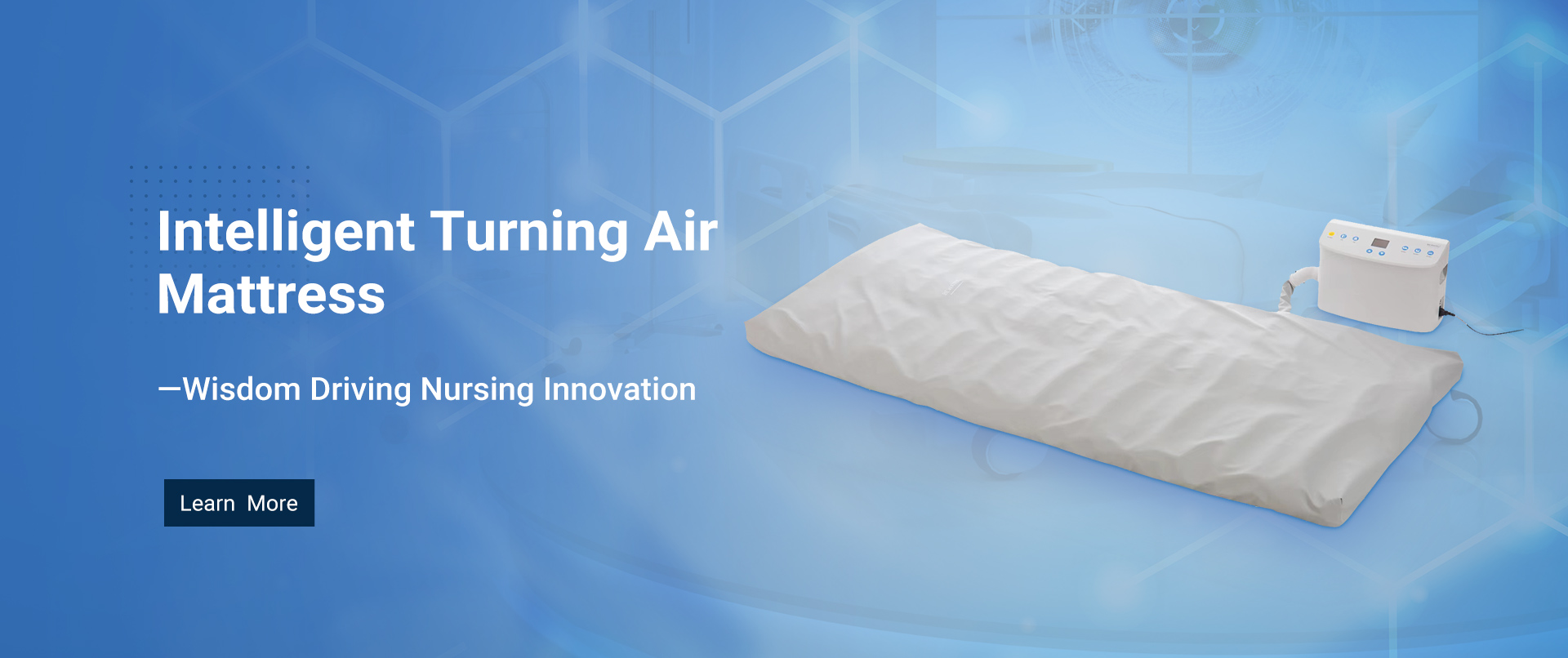
China's healthcare industry is witnessing remarkable advancements in medical devices and equipment. This rapid growth stems from a combination of innovation and increased investment. Chinese companies are integrating cutting-edge technology, such as artificial intelligence, into diagnostic tools. This integration helps in early detection of diseases, which can save lives.
Smart wearable devices are another area of focus. These devices monitor health metrics like heart rate, sleep quality, and physical activity. They provide real-time data to users, encouraging proactive health management. However, inconsistencies in data accuracy and user adherence remain challenges.
In addition, telemedicine has made significant strides. Remote consultations are becoming commonplace, particularly in rural areas. This improves accessibility to healthcare but raises concerns about internet connectivity and patient privacy. Addressing these concerns is vital for sustaining growth in the healthcare sector.
Pharmaceutical Innovations and Biotechnology Developments in China
China's pharmaceutical sector is experiencing a significant transformation. Innovative drug development is accelerating. Recent advances in biotechnology are noteworthy. This includes targeted therapies for various diseases. These treatments aim to improve patient outcomes with more precision. Breakthroughs in gene editing technology also hold promise. They may lead to personalized medicine, which is tailored to individual genetic profiles.
Moreover, the regulatory landscape is shifting. Authorities are streamlining approval processes for new drugs. This encourages rapid market entry for innovative solutions. Collaboration between research institutions and biotech firms is on the rise. It fosters a dynamic environment for research and development. However, quality control remains a concern. Ensuring safety and efficacy in new therapies is crucial.
Additionally, the integration of artificial intelligence in drug discovery is transforming research methodologies. AI can analyze vast datasets to identify potential candidates faster than traditional methods. Yet, challenges like data security and ethical considerations must be addressed. Continuous monitoring of these innovations is essential to promote responsible development in the healthcare sector.
Health Data Analytics and its Role in Preventive Medicine
Health data analytics is revolutionizing preventive medicine. By leveraging vast amounts of healthcare data, professionals can identify risk factors early. A report from the McKinsey Global Institute highlights that effective data use could prevent up to 30% of hospital admissions. This potential is crucial for enhancing patient outcomes and reducing costs.
In China, health data analytics is gaining momentum. According to the China Health Information Institute, more than 60% of healthcare institutions now utilize data analytics in their operations. However, challenges remain. Data privacy concerns and the need for interoperability between systems can hinder progress. Additionally, healthcare providers often struggle to interpret complex data effectively, which may lead to suboptimal decision-making.
Patient engagement is vital in this landscape. Engaged patients contribute to better health outcomes. A study by the Journal of Medical Internet Research found that patients using health apps were 25% more likely to adhere to preventive care recommendations. However, barriers such as digital literacy remain significant. Bridging these gaps is essential for maximizing the benefits of health data analytics in preventive medicine.
Top 10 Chinese Healthcare Industry Innovations for Global Buyers
| Innovation |
Description |
Impact on Preventive Medicine |
Potential Market Size ($B) |
| AI-Powered Diagnostic Tools |
Utilizes machine learning algorithms to analyze medical images. |
Enhances early detection rates of diseases. |
5.6 |
| Wearable Health Monitors |
Devices that track health metrics like heart rate and activity levels. |
Promotes self-monitoring and healthy lifestyle changes. |
4.2 |
| Telemedicine Platforms |
Facilitates remote consultations between patients and doctors. |
Improves access to medical care, especially in rural areas. |
3.8 |
| Genomic Sequencing Technologies |
Analyzes individuals' genetic makeup for personalized medicine. |
Aids in early diagnosis and tailored treatment plans. |
6.0 |
| Health Data Analytics Software |
Analyzes large sets of health data to improve outcomes. |
Facilitates predictive analytics for disease prevention. |
2.5 |
| Blockchain in Health Records |
Secures patient data and enhances sharing between providers. |
Improves data integrity and patient safety. |
1.6 |
| Mobile Health Applications |
Apps that provide health tracking, reminders, and information. |
Encourages proactive health management among users. |
7.1 |
| Robotics in Surgery |
Utilizes robotic systems for precision in surgical procedures. |
Reduces recovery times and improves surgical outcomes. |
2.9 |
| Cloud-Based Health Solutions |
Cloud computing solutions for remote access to health data. |
Enhances collaboration among healthcare providers. |
3.3 |
| Smart Healthcare Facilities |
Integrated systems that improve hospital management and patient care. |
Streamlines operations and enhances patient experience. |
4.0 |
Collaborative International Partnerships in Chinese Healthcare Innovation
Collaborative international partnerships are reshaping the Chinese healthcare landscape. These alliances bring together diverse expertise and resources. They foster innovation that is crucial in addressing global health challenges. By combining local insights with global best practices, Chinese healthcare professionals are making significant strides.
In recent years, various projects have emerged from these collaborations. For example, telemedicine serves as a bridge across borders. It allows instant consultations between patients and specialists worldwide. Moreover, joint research initiatives enable the exchange of critical data. This approach enhances the speed of medical discoveries. However, there are challenges. Miscommunication and varying regulatory standards can hinder progress. The need for trust and alignment is essential.
When exploring partnerships, ensure both parties share common goals. Open communication can mitigate misunderstandings. Additionally, conduct thorough research to understand each partner's strengths. Assess their market knowledge and technological capabilities. Continuous evaluation of partnership outcomes can help in refining strategies. These practices are vital for success in an ever-evolving industry.
Enhancing Patient Care and Safety: The Impact of Two-Function Manual Beds with HDPE Siderails in Hospital Settings
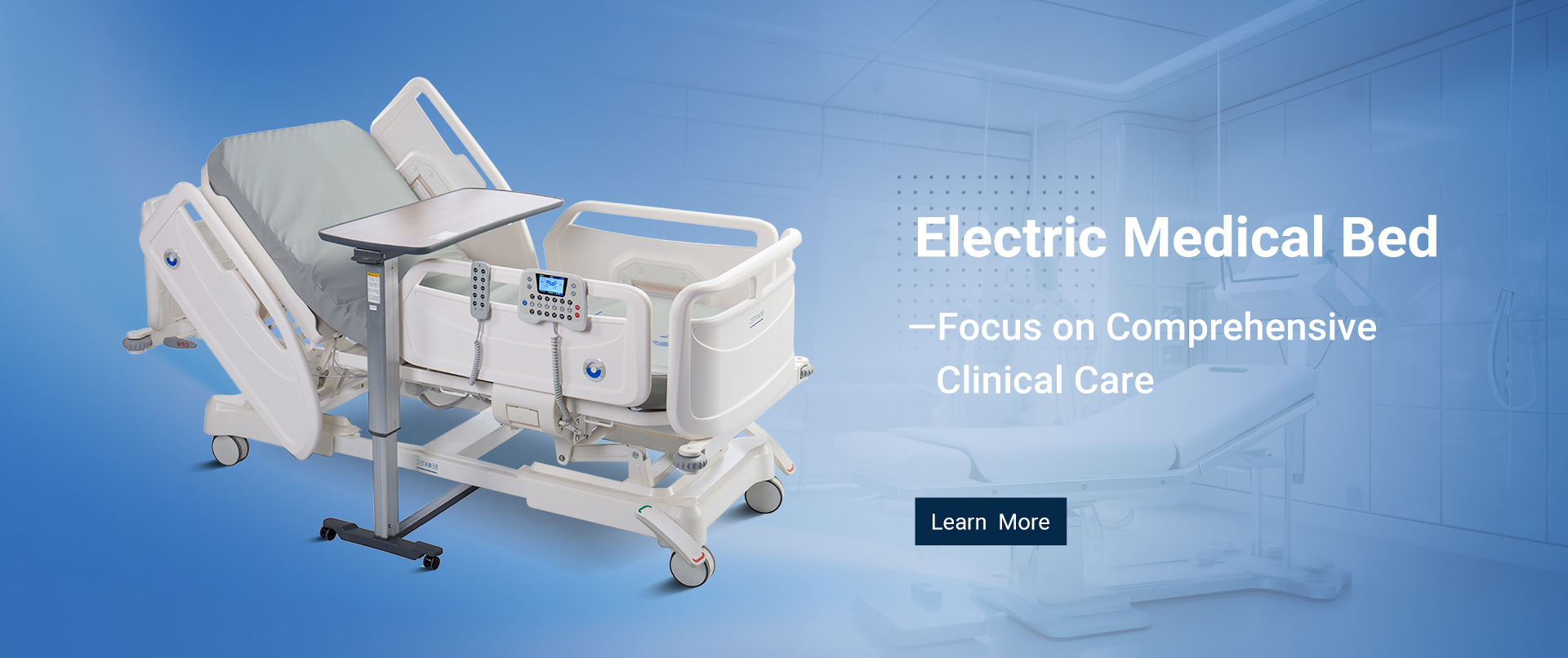
In hospital settings, patient care and safety are paramount, and the introduction of two-function manual beds equipped with high-density polyethylene (HDPE) siderails represents a significant advancement in enhancing these critical aspects. These beds are designed not only to provide comfort to patients but also to ensure their safety through robust, easy-to-maintain siderails that meet the rigorous demands of hospital environments. The use of HDPE materials contributes to a hygienic and durable solution that can withstand daily use and cleaning protocols, addressing both infection control and long-term sustainability.
Furthermore, the dual-functionality of these manual beds supports basic nursing needs by allowing healthcare providers to easily adjust the bed's positioning. This capability is crucial for activities such as patient transfer, mobility assistance, and comfort adjustments, which are essential for promoting patient independence and reducing the risk of complications. With multiple protection features incorporated into the design, hospitals can more effectively meet the diverse daily needs of their patients while adhering to safety standards. By prioritizing such innovative solutions, healthcare facilities can enhance their ability to deliver quality care, ultimately leading to improved patient outcomes and satisfaction.
FAQS
: Telemedicine involves remote consultations between healthcare providers and patients using digital platforms.
It reduces travel time and costs, making healthcare more accessible through smartphone connections.
Not all patients are familiar with technology, and some lack stable internet access.
Patients can report symptoms and receive immediate advice, allowing timely adjustments to treatment plans.
Ensure compliance with local regulations and prioritize patient data security.
Family involvement can enhance comfort and support for patients during virtual visits.
Innovations in drug development and biotechnology are rapidly transforming the industry.
AI analyzes data to identify potential drug candidates faster than traditional methods.
Quality control is crucial to ensure the safety and efficacy of new therapies.
Continuous monitoring of innovations is necessary to address challenges like data security and ethics.
Conclusion
The Chinese healthcare industry is experiencing a wave of innovation driven by emerging technologies that promise to enhance patient care and treatment outcomes. Telemedicine solutions are revolutionizing how healthcare services are delivered, allowing for increased access and convenience for patients. Furthermore, the integration of AI and machine learning is transforming diagnostics and treatment methodologies, increasing accuracy and efficiency in clinical settings.
Advancements in medical devices and equipment are also pivotal, enabling better monitoring and management of health conditions. In addition, the pharmaceutical sector is seeing significant breakthroughs through biotechnology, leading to novel therapies and medicines. Health data analytics plays a critical role in preventive medicine, providing valuable insights for both patients and practitioners. Collaborative international partnerships further bolster these innovations, positioning China as a global leader in healthcare advancements.