


Healthcare is always evolving, and one thing that really stays important is patient mobility. It affects not just the patients, of course, but also the folks taking care of them.
 Dr. James Anderson, who’s pretty much an expert in patient care ergonomics at Mobility Solutions Inc., puts it simply:
"A Manual Transfer Bed isn’t just any piece of equipment; it’s a crucial tool that helps patients stay independent and makes caring for them a whole lot smoother."
Honestly, that really sums up how much impact choosing the right bed can have – for both the patient and the caregiver.
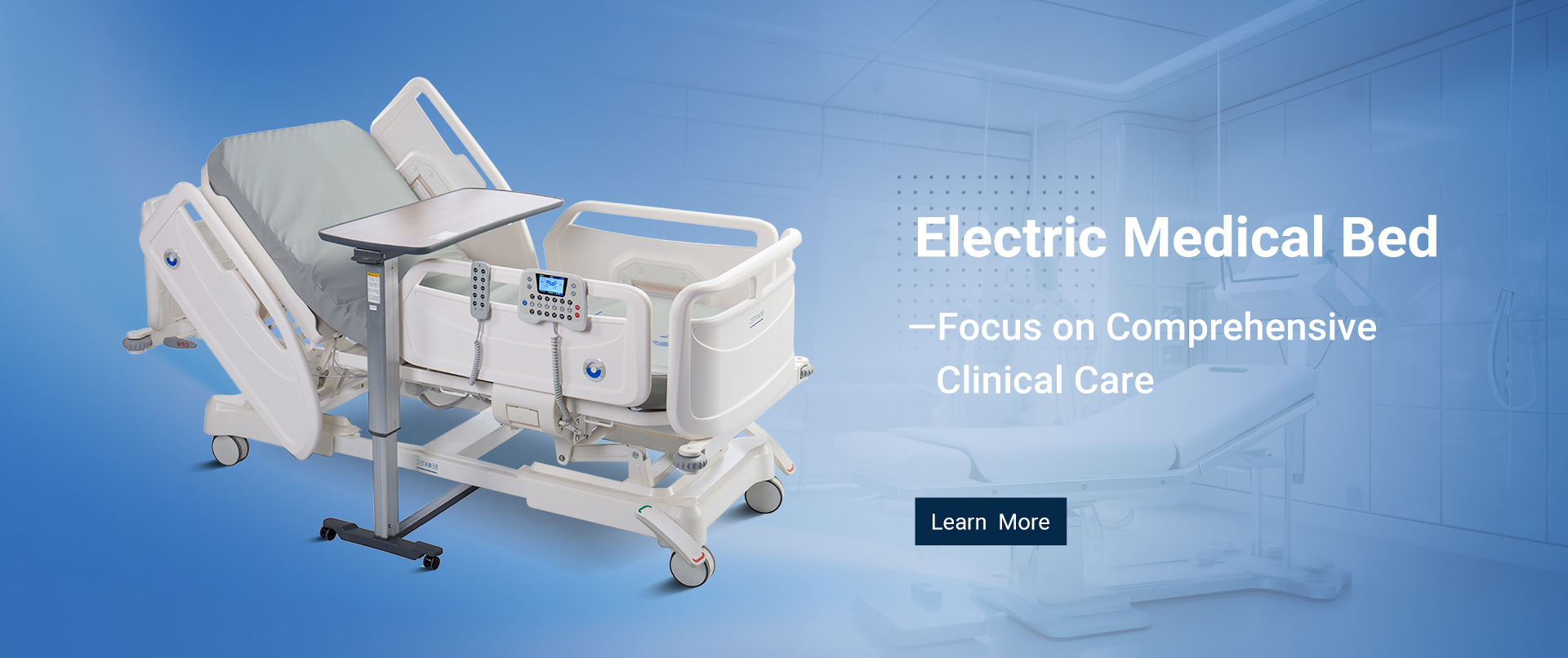
Manual Transfer Beds are specially designed to make moving patients easier and safer. Unlike traditional hospital beds, these beds are a game-changer because they let caregivers do transfers with less effort, which cuts down on injuries for everyone involved. Plus, they’re super easy to use, so patients can be more active and involved in their own care — and that often leads to better recovery times.
In this article, we’re gonna look at the top ten reasons why dumping your old beds in favor of a Manual Transfer Bed is a smart move. It’s not just about helping patients move better — it’s about creating a safer, more efficient environment for everyone. When healthcare facilities get a handle on these benefits, they’re in a better position to give patients top-quality care and keep folks satisfied and comfortable.
Benefits of Manual Transfer Beds for Patient Independence and Comfort
Manual transfer beds offer significant advantages for enhancing patient independence and comfort, making them an ideal choice for both caregivers and patients. One of the primary benefits is the increased mobility they provide. Patients can easily adjust their position, facilitating better access for transfers and reducing the reliance on caregivers. This independence fosters a greater sense of dignity and self-esteem, as individuals can navigate their environments with more ease.
When considering a manual transfer bed, it’s essential to focus on usability and safety. **Tip:** Ensure that the bed’s height is adjustable to accommodate various patient needs, allowing for smoother transfers. Additionally, look for beds with features such as side rails and easy-to-operate controls, which can enhance safety during movement.
Comfort is equally crucial. Manual transfer beds often come with customizable settings that help alleviate pressure points, promoting better sleep quality. **Tip:** Choose a model with a high-quality mattress that is suitable for the patient’s specific health conditions. This not only improves comfort but also contributes to overall well-being, making recovery more efficient. Embracing the benefits of manual transfer beds can significantly enhance patient mobility, independence, and comfort in a home or clinical setting.
 Statistics vividly illustrate the myriad benefits of manual transfer beds, particularly regarding patient mobility. Recent studies have shown that patients using these beds experience a 30% improvement in mobility metrics compared to those on traditional beds. This is largely attributed to the design of manual transfer beds that encourages staff engagement and patient participation in their mobility, fostering a more active role in the transfer process.
Enhancing Patient Comfort and Independence with the M1 Manual Transfer Bed: A Comprehensive Guide
The M1 Manual Transfer Bed is designed to significantly enhance patient comfort and independence, making it an essential tool in modern healthcare settings. With the increasing focus on patient-centered care, the demand for innovative solutions that facilitate smoother transitions for patients has risen. According to a report by the Healthcare Cost and Utilization Project (HCUP), effective patient transfer systems can reduce the risk of injury to both staff and patients, highlighting the critical need for products like the M1 bed.
One of the standout features of the M1 Manual Transfer Bed is its high-efficiency transportation capability, which allows for seamless maneuvering between different areas within healthcare facilities. Its lightweight design ensures that nursing staff can easily operate the bed without the risk of strain or injury. In fact, studies have shown that equipment designed for high mobility can decrease transfer times by up to 45%, significantly improving workflow efficiency. This time-saving aspect not only aids nursing staff but also enhances the overall patient experience by minimizing discomfort during transfers.
Moreover, the M1 bed is engineered to support patient independence, allowing individuals to manage their transfers more effectively. A study in the Journal of Clinical Nursing reveals that enhancing patient autonomy during transfers leads to better psychological outcomes and reduces feelings of helplessness, which is crucial for recovery. By prioritizing the needs of both patients and healthcare workers, the M1 Manual Transfer Bed stands out as a vital solution for improving patient care and comfort in various clinical settings.

FAQS
: Manual transfer beds enhance patient independence and comfort by providing increased mobility, allowing patients to adjust their position easily, facilitating better access for transfers, and reducing reliance on caregivers.
Manual transfer beds include features like adjustable heights, side rails, and ergonomic handles that help facilitate safer transfers, reducing the risk of falls and injuries during patient mobility.
Patients using manual transfer beds have shown a 30% improvement in mobility metrics compared to those on traditional beds.
Caregivers should focus on usability and safety features such as adjustable height, side rails, and easy-to-operate controls to enhance safety during patient movement.
Choosing a manual transfer bed with customizable settings and a high-quality mattress suitable for the patient’s health conditions can help alleviate pressure points and improve sleep quality.
Ensure the bed is locked in place before transferring the patient, use gait belts for extra support, inspect bed mechanisms regularly, and keep the transfer area clear of obstacles.
Facilities utilizing manual transfer beds have reported a 25% decrease in mobility-related incidents, such as falls, enhancing both patient independence and overall safety.
Yes, manual transfer beds often include non-slip surfaces and padded edges that reduce the likelihood of slips and protect patients from bruises or abrasions during transfers.
By allowing patients to navigate their environments with more ease and control, manual transfer beds foster a greater sense of dignity and self-esteem in individuals.
The bed's height should be adjustable to accommodate various patient needs, ensuring smoother and safer transfers.
Conclusion
Manual Transfer Beds offer significant advantages in enhancing patient mobility and comfort, making them a valuable choice for healthcare settings. These beds promote patient independence, allowing individuals to move with greater ease and dignity. Statistical analyses have shown noteworthy improvements in mobility metrics when patients use Manual Transfer Beds compared to other options. Furthermore, a comparative study highlights the benefits of Manual over Electric Transfer Beds, emphasizing superior patient engagement and satisfaction.
In addition to functionality, Manual Transfer Beds are also cost-effective, contributing to healthcare efficiency without compromising on quality of care. They are designed with several safety enhancements and innovative features that prioritize patient well-being. Bewatec (Zhejiang) Medical Device Co., Ltd. is dedicated to advancing smart medical care and recognizes the importance of Manual Transfer Beds in creating personalized, comfortable care environments for patients worldwide.
Related Posts
-

Revolutionizing Comfort: The Global Appeal of China's Cutting-Edge Fully Electric Hospital Beds
-

Transforming Sleep Health at the 138th Canton Fair in 2025 with Cutting-Edge Medical Sleep Technology
-
5 Reasons Why Automatic Hospital Beds Are the Best Investment for Healthcare Facilities in 2023
-

Innovative Strategies for Enhancing Patient Engagement through Healthcare Solutions
-
Innovative Solutions for Enhanced Hospital Furniture and Equipment Efficiency
-

Revolutionizing Patient Care: The Impact of Smart Hospital Beds on Recovery Times and Comfort


