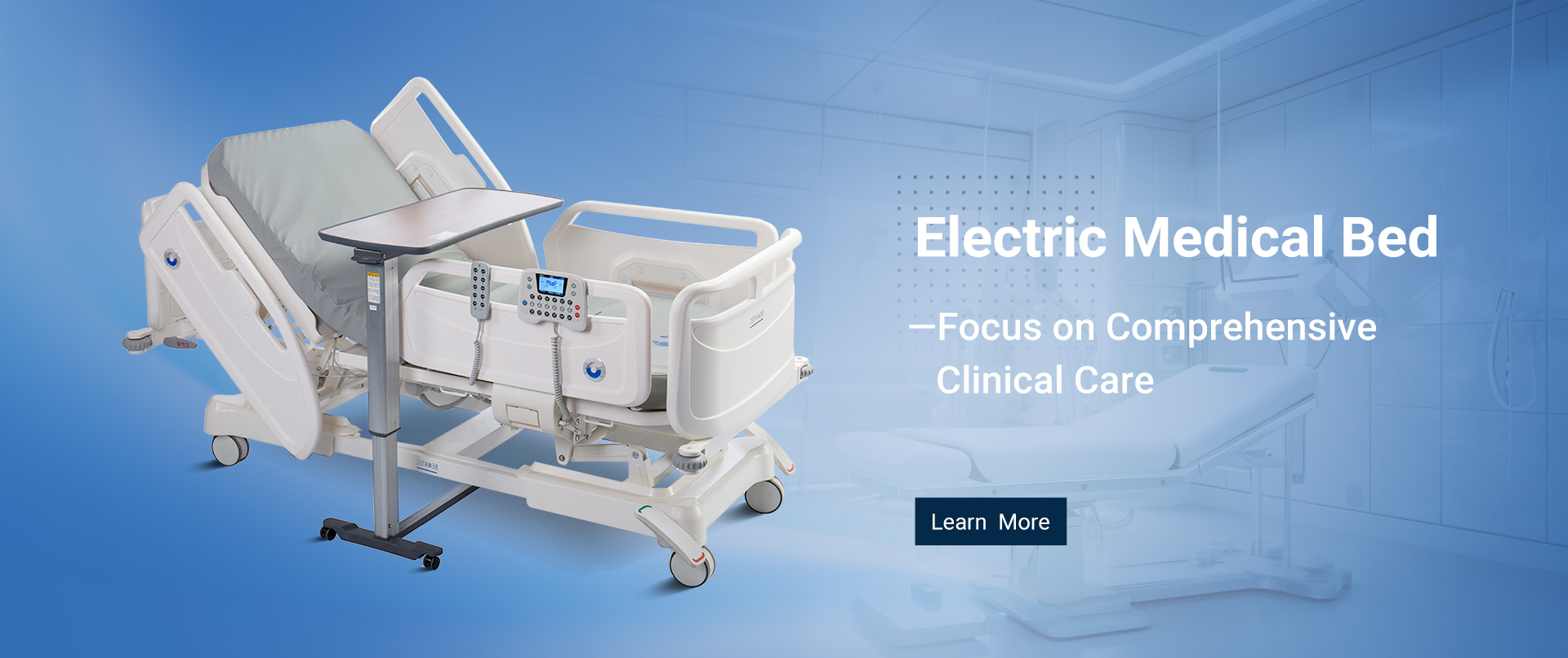
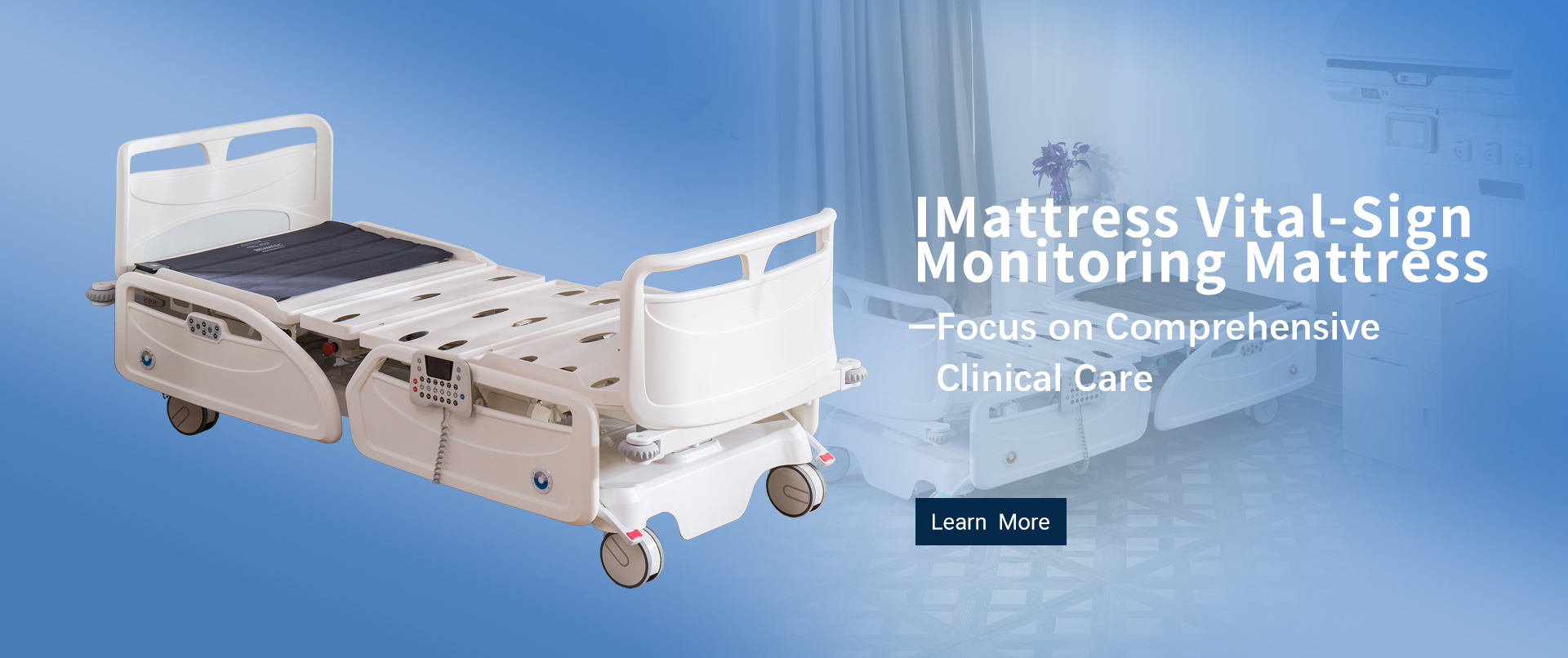
When you’re picking out an Intelligent Turning Air Mattress, it’s not just about price tags, pump settings, or those glossy product photos. What really matters is whether it actually works for real patients, real caregivers, and needs that can shift from one day to the next. A dependable model should gently reposition the person automatically, keep air pressure steady, run quietly, and have controls that make sense. Oh, and it also needs to fit both the bed frame and the user’s weight range.
So here’s the thing: Professor Amit Gefen — a leading biomedical engineer in pressure injury prevention — put it this way: “Pressure injury prevention depends on managing tissue loading over time.” And that idea really matters here. A turning mattress shouldn’t just move the body around. It needs to reduce prolonged pressure in those key spots: the sacrum, hips, shoulders, and heels. So when you’re looking at one, check for alternating air cells, adjustable turning angles, emergency deflation, and a monitoring system that’s actually practical. Honestly, the small details make a big difference.
And listen — pay close attention.
Getting your hands on one—actually using it—tends to reveal the weak spots that glossy brochures never mention. Take noise: some pumps are just too darn loud for nighttime care. Then there’s the turning cycle—sometimes it feels really abrupt. And with heavier patients, or when someone’s not positioned quite right, the support can end up uneven. The truth is, no single Intelligent Turning Air Mattress is going to work for everyone. Yeah, that’s a tough pill to swallow, but it matters. So before you buy, do yourself a favor: look at clinical guidance, product testing, warranty terms, cleaning procedures, and what caregivers are actually saying. Honestly, a trained healthcare professional really needs to look at each person's risks, their skin, how mobile they are, and what medical equipment they already have. When you're choosing, the best option is one that balances pressure redistribution, comfort, safety, upkeep, and long-term reliability. The whole point is to make daily care easier—not to add one more complicated thing to deal with.

What Is an Intelligent Turning Air Mattress?
An intelligent turning air mattress is a powered support surface designed to help reposition a user safely. It uses connected air cells, sensors, and a control unit to manage pressure and gentle lateral movement. Unlike a standard air mattress, it can follow a programmed turning schedule. Some models also monitor pressure changes, body weight, and movement patterns. In practical care, these features may reduce prolonged pressure on vulnerable areas, but they do not replace regular assessment or human attention.
From my experience reviewing care equipment, ease of adjustment matters as much as advanced technology. A reliable system should provide clear controls, audible alerts, and stable inflation throughout the night. The turning angle should suit the user’s condition, body shape, and care plan. Small details matter. Quiet operation can improve sleep, while a simple emergency deflation function can support safer transfers. Staff should also check the pump’s maintenance needs and the mattress’s cleaning instructions.
When choosing one, ask whether the sensors respond consistently under real conditions. A mattress may perform well in a demonstration but feel different with bedding and daily movement. I once assumed more automation always meant better care. That was too simple. Comfort, noise, caregiver training, and clinical guidance deserve equal attention. Trial use can reveal pressure points, awkward controls, or turning movements that feel too abrupt.
How to Assess the User’s Care and Mobility Needs
How to Choose the Best Intelligent Turning Air Mattress?
Choosing an intelligent turning air mattress starts with the user, not the control panel. Observe how often the person moves independently during the day. Can they roll, sit, or transfer safely? Note their strength, balance, pain, and ability to follow instructions. A person with limited sensation may need closer skin monitoring. Check vulnerable areas, such as the heels, hips, shoulders, and tailbone.
A qualified nurse, therapist, or pressure injury specialist should help assess risk. Their advice can connect the mattress settings with the user’s care plan. Consider body weight, height, sleeping position, incontinence, and existing skin damage. The mattress should support necessary turning without causing fear, pain, or sliding. Caregivers also need simple controls and clear alarms. Complicated equipment may be ignored during a busy night. That is a practical weakness worth admitting.
Tips: Watch one full turning cycle before regular use. Ask whether the user feels stable and comfortable afterward. Record redness, discomfort, and sleep changes for several days. Adjust settings only according to professional guidance. Keep the user’s transfer route clear, especially near the bed. Reassess needs after illness, surgery, weight change, or reduced mobility. No assessment stays perfect. People change, and the mattress settings may need to change with them.
How to Choose the Best Intelligent Turning Air Mattress?
Assess the User’s Care and Mobility Needs
How to use this assessment: The chart shows the validated scoring ranges of the six Braden Scale domains. The total score ranges from 6 to 23; a lower total generally indicates a higher risk of pressure injury.
Pay particular attention to activity and mobility: users who are bedfast, chairfast, or unable to reposition independently may require more frequent repositioning, closer skin checks, and stronger caregiver support. Mattress selection should also consider moisture, friction and shear, nutrition, body weight limits, cognition, comfort, and the care plan.
The chart presents scoring ranges, not an individual patient’s assessment. A trained healthcare professional should complete the assessment and determine the appropriate support surface and turning schedule.
How to Choose the Right Mattress Size and Weight Capacity
Choosing the right size and weight capacity is central to an intelligent turning air mattress. A mattress that is too narrow may leave the patient unsupported during lateral rotation. One that is too long can interfere with bed controls and side rails. Measure the bed platform, not only the existing mattress. Check patient height, hip width, turning clearance, and mattress thickness.
Weight ratings require closer attention. AHRQ reports that pressure injuries affect about 2.5 million hospital patients annually in the United States, showing why reliable support matters. Do not treat the advertised maximum as a target. Confirm whether it means patient weight or total safe working load, including bedding and accessories. The International Guideline for Prevention and Treatment of Pressure Ulcers recommends individualized repositioning and support surfaces. It does not replace the manufacturer’s tested capacity.
Tips: Measure twice. Leave no edge gap. Ask for the usable mattress width. Select a capacity comfortably above the patient’s current weight, especially when weight may change. Inspect the inflation cells after installation; uneven air can create hard contact points. Caregivers should also verify that sensors and turning settings suit the patient’s condition. A common mistake is choosing a higher-capacity mattress without checking its actual dimensions. Bigger is not always safer. Reflect on the care setting, too: a mattress fitting one bed frame may not fit another. Review clinical guidance and the product’s test documentation before purchase.
How to Choose the Best Intelligent Turning Air Mattress? - How to Choose the Right Mattress Size and Weight Capacity
Typical Intelligent Turning Air Mattress Selection Guide
| Mattress Size |
Approx. Mattress Dimensions |
Suitable User Profile |
Recommended Working Load Capacity |
Typical Turning Range |
Recommended Bed Platform |
Selection Advice |
| Narrow Single |
36 in × 80 in
(91 × 203 cm) |
One smaller adult or a user who needs limited-width positioning support |
Up to 300 lb
(136 kg) |
Up to approximately 30° per side |
36 in wide medical or adjustable bed |
Choose this size only when the user fits comfortably without the shoulders or hips extending beyond the mattress. |
| Standard Single |
42 in × 80 in
(107 × 203 cm) |
Most average-sized adults requiring routine pressure redistribution and assisted turning |
Up to 350 lb
(159 kg) |
Approximately 30°–45° per side |
42 in wide hospital or adjustable bed |
A practical general-purpose choice when the bed frame and side rails provide adequate clearance. |
| Wide Single |
48 in × 80 in
(122 × 203 cm) |
Larger adults or users who need additional lateral positioning space |
Up to 450 lb
(204 kg) |
Approximately 30°–45° per side |
48 in wide bariatric or reinforced adjustable bed |
Allow room for the mattress to move during inflation and lateral turning without contacting fixed rails. |
| Bariatric Wide |
54 in × 80 in
(137 × 203 cm) |
Users requiring a wider support surface and higher load rating |
Up to 500 lb
(227 kg) |
Approximately 30°–45° per side |
54 in wide bariatric bed with reinforced frame |
Verify the frame width, floor clearance, lift capacity, and side-rail compatibility before installation. |
|
Important: Working load capacity includes the user, bedding, positioning aids, and any equipment placed on the mattress. Select a mattress whose stated capacity exceeds the total expected load. Actual dimensions, turning angle, height, and capacity vary by design, so confirm the product specifications and the bed-frame dimensions before use.
|
What Safety, Comfort, and Control Options Should You Compare?
When comparing intelligent turning air mattresses, start with safety rather than impressive technology.
Look for pressure sensors, stable air chambers, and alarms for low pressure or power failure. A clear emergency deflation or CPR setting is important during urgent care. Manual override matters. Ask whether the system includes backup power, secure tubing, and a suitable weight range. These details can prevent sudden support loss at night.
Comfort depends on more than softness.
Compare turning angles, cycle timing, mattress height, noise, and temperature control. A gentle lateral turn may reduce prolonged pressure on the hips and shoulders. However, the safest angle differs for someone with pain, fragile skin, or breathing difficulties. Observe redness after repositioning, especially around the sacrum and heels. Quiet operation helps users sleep. Small sounds can still become irritating over several nights.
Control options should match the caregiver’s skills and daily routine.
Choose an interface with readable settings, tactile buttons, and simple alerts. Automatic programs are useful, but they should not replace regular skin checks or clinical advice. Ask how easily caregivers can adjust firmness and pause movement. Cleaning instructions, waterproof materials, and service support also deserve comparison. Do not assume every sensor reading is correct. A careful trial may reveal pressure, noise, or transfer problems that specifications hide. No mattress solves every pressure injury risk. Calibration and user training remain easy to overlook.
How to Evaluate Setup, Cleaning, Durability, and Warranty
How to Choose the Best Intelligent Turning Air Mattress?
A practical evaluation begins with setup, not advertising claims. Check whether one caregiver can assemble the pump, tubing, sensors, and alarms safely. The turning cycle should be adjustable for body weight, mobility, and clinical instructions. Test it with a real load. Observe pressure changes, noise, and emergency deflation time. Keep the manual nearby.
Small details matter.
A 2020 systematic review in the International Journal of Nursing Studies reported a pooled hospital pressure-injury prevalence of 12.8%. This figure supports careful positioning, but an air mattress cannot replace skin checks or clinical judgment. The NPIAP 2019 Clinical Practice Guideline also emphasizes individualized repositioning and risk assessment.
For cleaning, inspect seams and air cells after removing the cover. Use only disinfectants approved in the care facility’s procedure. Harsh chemicals may weaken polyurethane, while trapped moisture can encourage microbial growth. Cleaning takes longer than expected.
Durability depends on repeated movement, not showroom appearance.
Run several turning cycles, examine connector stress, and verify the pump after a power interruption. Ask how often filters, hoses, and sensors require replacement. IEC 60601-1 compliance can indicate electrical safety testing, but it does not prove comfort or long service life. Read the warranty for exclusions, response times, repair shipping, and mattress-versus-pump coverage. A long warranty may still offer poor support. I would record every alarm and cleaning issue during a trial period, because memory becomes unreliable under pressure.
How to Select the Best Model for Your Budget and Care Setting
How to Choose the Best Intelligent Turning Air Mattress?
Choosing an intelligent turning air mattress starts with the care setting, not the display panel.
A quiet home bedroom may need simple controls, low noise, and easy cleaning. A hospital or nursing facility may require scheduled rotation, visible alerts, and stronger infection-control materials. Check the user’s weight, mobility, skin condition, and preferred sleeping position. The mattress must match the bed frame and support the caregiver’s daily routine. Comfort matters.
Budget decisions should include more than the purchase price. Ask about electricity use, maintenance, replacement cells, warranty coverage, and staff training. A cheaper model may create extra work if controls are confusing or repairs take too long. Confirm the weight capacity and what happens during a power failure. Battery backup or a manual inflation option can reduce risk. Still, these features may increase the initial cost.
Tips:
Compare three complete cost estimates, including accessories and service. Test the alarm volume beside the bed. Ask a qualified clinician whether the turning pattern suits the user’s care plan. Watch how easily the cover removes for cleaning. Plan for failure. I would not choose advanced automation without checking manual override controls. That detail is easy to overlook, especially during a busy shift. Record trial feedback from the user and caregiver, because comfort can change after several nights.
Conclusion
Choosing the best Intelligent Turning Air Mattress begins with understanding the user’s health condition, mobility, body size, and level of caregiver support. Consider how often repositioning is needed, whether the mattress offers adjustable turning angles, alternating pressure, low-air-loss comfort, and stable body support. The correct size and weight capacity are also essential for safe positioning and reliable performance.
Before making a decision, compare safety features, quiet operation, control options, comfort settings, and ease of use. A practical model should be simple to install, clean, disinfect, and maintain, while its materials, pump, and air cells should be durable enough for regular care. Review the warranty and after-sales support carefully, then balance the total cost with the care setting, whether it is used at home, in a nursing environment, or during extended recovery. The best choice is one that combines effective pressure relief, dependable turning assistance, comfort, safety, and long-term value.