

Buying Nursing Equipment across borders is not a simple price exercise. It is a patient-safety decision.
The World Health Organization’s State of the World’s Nursing 2020 report identified a global nursing shortage of 5.9 million professionals. That gap increases pressure on every device, trolley, monitor, and bedside workflow. Equipment must therefore be dependable, intuitive, and easy to maintain. It should support tired staff during a crowded night shift.
ECRI’s Top 10 Health Technology Hazards repeatedly highlights risks linked to usability, maintenance, alarm management, and poor implementation. These risks often begin before shipment. A low-cost infusion pump can become expensive when spare parts are unavailable. A seemingly suitable hospital bed may fail when local door widths, power standards, or cleaning routines differ. Small details matter.
Howard Catton, Chief Executive Officer of the International Council of Nurses, has described nurses as “the backbone of health systems.” His observation gives procurement a practical direction: equipment should serve nurses, not complicate their work.
Market research from Grand View Research and Fortune Business Insights indicates continued growth in medical equipment demand, driven by ageing populations, chronic disease, and expanding healthcare access. Yet market growth does not guarantee quality. Reports can simplify reality. Buyers still need evidence.
This guide presents ten buying tips for global purchasers. It considers clinical fit, certification, training, total cost, logistics, cybersecurity, after-sales support, and local servicing. It also questions familiar habits. More features are not always better. The cheapest quotation may be the least reliable choice. A strong purchase leaves a clear trail from bedside need to supplier accountability.
Before comparing prices, define the clinical problem the equipment must solve. A rural clinic may need a compact vital-sign monitor for short consultations. An intensive care unit requires continuous measurements, alarm visibility, and dependable data storage. These are different use cases, even when the equipment category looks similar.
Walk through the patient journey with nurses and biomedical technicians. Note where the device will be used, how often, and by whom. Check whether staff need one-handed controls, large displays, battery operation, or trolley mounting. Consider children, elderly patients, mobility limitations, and emergency conditions. Small details matter. A screen that looks clear in an office may be difficult to read under harsh ward lighting.
Ask how the equipment will fit existing procedures. Can nurses clean it between patients without damaging sensitive surfaces? Are disposable parts consistently available? Will local technicians handle calibration and routine repairs? Global purchasing also requires attention to power requirements, language options, training materials, delivery conditions, and service response times. A technically impressive device can fail when staff cannot operate it confidently.
Do not rely only on a supplier’s specification sheet. Observe a demonstration with realistic patient scenarios and record staff feedback. I have seen teams select advanced equipment that later remained unused because the workflow was too complicated. That mistake is worth acknowledging. Sometimes a simpler device, supported by practical training, serves patients better. Recheck the decision after a short trial, and document what did not work.
10 Nursing Equipment Buying Tips for Global Buyers
Set Quality, Safety, and Regulatory Requirements
Global buyers should define the equipment’s intended use before requesting quotations. A patient monitor for intensive care needs different controls from one used in a general ward. Write the clinical setting, user type, workload, and operating environment clearly. Do not guess.
Quality requirements should include materials, load limits, measurement accuracy, cleaning resistance, and expected service life. Ask for test reports, calibration procedures, risk controls, and production traceability. A reliable supplier should explain how defects are identified and corrected. Records matter.
Safety checks need practical detail. Confirm electrical protection, alarm visibility, emergency operation, pinch-point control, and safe contact with disinfectants. For equipment touching patients, request evidence of suitable biocompatibility and cleaning validation. Small design gaps can create real hazards. That gap matters.
Regulatory compliance is never one universal checklist. Verify the product classification, registration pathway, labeling language, and import documents in each destination market. Relevant standards may address medical-device quality systems, risk management, or electrical safety, but local authorities decide acceptance. Ask for current certificates, not scanned documents with unclear dates.
Include pre-shipment inspection, installation testing, user training, spare parts, and response times in the contract. Check whether manuals match the delivered model. This is often overlooked. A low purchase price can hide costly maintenance, replacement batteries, or unavailable components. Leave room for review, because even a carefully prepared specification may miss a ward’s daily reality.
10 Nursing Equipment Buying Tips for Global Buyers
Compare suppliers beyond their catalogs. Ask how long they have supported hospitals and which markets they serve. Request references from facilities with similar workloads. Check factory capacity, quality controls, and response times before discussing price. A low quote can hide weak documentation or expensive replacement delays. Review product specifications line by line, including dimensions, materials, load limits, power requirements, and cleaning instructions. Ask for samples when possible. Test wheels, locks, alarms, and adjustment controls in realistic conditions.
Certifications matter, but certificates alone do not prove reliability. Confirm the issuing organization, certificate scope, expiration date, and covered model numbers. Match the documents with your destination market’s requirements. Request risk assessments, test reports, user manuals, and declarations of conformity. Verify whether electrical equipment supports local voltage and plug standards. Check traceability labels and batch records. Clarify warranty coverage, spare-part availability, calibration support, and technician training. Get delivery terms and inspection procedures in writing.
Test it under pressure.
Ask suppliers how they handle recalls, complaints, and corrective actions. A transparent answer builds more trust than polished sales language. During one evaluation, I focused too heavily on purchase price and underestimated training time. That mistake changed my checklist. Now I ask nurses to review usability before approval. Their feedback often reveals awkward handles, unclear displays, or difficult cleaning points. Request a pilot period, record failures, and compare maintenance data across suppliers. Reliability is not a promise; it is evidence collected over time.
Global nursing equipment buyers should calculate landed cost, not just the supplier’s quote. UNCTAD reports that over 80% of world trade by volume moves by sea. A delayed container can therefore affect budgets and hospital schedules. Add freight, insurance, port handling, customs duties, storage, inland delivery, and currency changes. A $500 bedside monitor may require another $150 before reaching the ward.
Import responsibility must be written clearly. Confirm who prepares commercial invoices, packing lists, certificates, customs declarations, and product documentation. Duties depend on tariff classification and destination rules. The World Bank’s Logistics Performance Index 2023 measures customs, infrastructure, and timeliness separately; a strong score in one area does not guarantee smooth delivery. I have seen buyers overlook local installation and calibration. That mistake becomes expensive later.
Tips: Request a landed-cost worksheet with three shipping scenarios. Ask for delivery terms, but verify them with a customs broker. Check voltage, plug type, spare parts, training, and warranty coverage. WHO estimates that one in ten medical products in low- and middle-income countries may be substandard or falsified. That figure is broad, but it supports stricter supplier checks. Keep serial numbers and inspection photos. Also, question unusually low freight quotes; the cheapest option is not always the safest one.
Evaluate the main components of landed cost before placing an international order. This planning example uses a USD 1,000 equipment purchase and separates costs that may be paid by the buyer.
The equipment price is only one part of the final budget. Freight, insurance, customs duty, import taxes, brokerage, inland delivery, compliance, and installation should be confirmed with the supplier, carrier, and local customs authority.
Global nursing equipment buyers should test usability before comparing prices. A blood pressure monitor must be readable under dim ward lighting, with buttons that work while wearing gloves. WHO’s Global Patient Safety Report 2024 estimates that one in ten patients experiences harm in healthcare, with more than half considered preventable. Poorly designed equipment can increase avoidable mistakes.
Ask suppliers for cleaning instructions, service intervals, spare-part availability, and expected repair times. A device that needs specialist tools may become unusable in a rural clinic. WHO’s Medical Equipment Maintenance Programme Overview states that preventive maintenance should be planned, documented, and matched to local technical capacity. That detail matters. Maintenance is not an afterthought.
Training should include a short demonstration, a return demonstration, and simple local-language instructions. ECRI’s 2024 Healthcare Technology Hazards Report highlights risks linked to incorrect device use, cleaning, and alarm management. Technical support should cover remote help, on-site response, software updates, and replacement procedures. Test these promises before signing. Ask one nurse to operate the equipment without guidance. Record every hesitation. No checklist catches everything. A low purchase price can feel efficient, but weak support may create hidden costs. Some procurement plans still overvalue specifications and undervalue daily workflow. That gap deserves review.
Before finalizing a nursing equipment order, request production samples from the exact specification. Test wheel movement, brake strength, adjustment controls, and cleaning surfaces. A sample can reveal sharp edges, unstable joints, or confusing labels. WHO’s Global Patient Safety Report 2024 states that about one in ten patients experiences harm in healthcare, with more than half considered preventable. Equipment reliability is not a minor detail.
Tips: Measure the sample against the contract. Record serial numbers, materials, dimensions, load limits, and included accessories. Ask for calibration records and maintenance instructions. Keep dated photographs. Small differences matter.
Your contract should define acceptance criteria, inspection stages, packaging, spare parts, training, and remedies for defects. ISO 13485-based quality systems can support traceability and risk control, but certification alone does not guarantee every delivered unit is perfect. The World Health Organization’s medical device guidance stresses lifecycle management, including installation, maintenance, and post-market monitoring. Arrange pre-shipment inspection through qualified personnel, then repeat key checks after arrival. A missed defect once happened in our internal review because the inspector checked function but not disinfectant compatibility. That was uncomfortable, but useful. Ask the supplier to explain test methods, not only provide pass certificates. A clear rejection process protects budgets, staff, and patients.
| No. | Equipment Category | Sample Evaluation Points | Key Contract Requirements | Pre-Shipment Quality Inspection | Recommended Records |
|---|---|---|---|---|---|
| 1 | Hospital Beds | Test height adjustment, backrest and leg-rest movement, caster locking, side-rail operation, mattress-platform stability, and emergency backrest release where specified. | Define load capacity, bed dimensions, motor duty cycle, electrical voltage and frequency, included accessories, spare-parts availability, and warranty response time. | Check a representative sample for smooth movement, secure fasteners, stable rails, correct electrical labeling, and conformity with the approved sample and drawings. | Signed sample approval, dimensional checklist, electrical test report, packing photographs, and final inspection report. |
| 2 | Patient Monitors | Compare display readability, alarm volume, probe connections, battery runtime, parameter accuracy, trend storage, and compatibility with the required accessories. | Specify supported parameters, measurement ranges, accuracy limits, alarm functions, software version, language options, calibration requirements, and training materials. | Verify serial numbers, display and alarm operation, battery charging, accessories, calibration status, user manuals, and electrical safety documentation. | Calibration certificate, functional test sheet, software-version record, accessory list, and photographs of labels and packaging. |
| 3 | Infusion Pumps | Test flow-rate accuracy, occlusion alarm, air-in-line detection, door security, anti-free-flow protection, battery operation, and compatibility with the intended administration sets. | State flow-rate range, accuracy tolerance, alarm thresholds, compatible disposables, battery requirements, maintenance intervals, and required user training. | Perform flow-rate and alarm tests using documented procedures; confirm labels, electrical protection, battery condition, included accessories, and approved configuration. | Test readings, calibration record, alarm verification, battery test result, approved consumables list, and service instructions. |
| 4 | Syringe Pumps | Confirm syringe-size recognition, plunger engagement, delivery accuracy, occlusion detection, alarm clarity, anti-bolus performance, and stability during operation. | Include accepted syringe types and sizes, accuracy criteria, alarm requirements, operating environment, battery performance, and replacement-part responsibilities. | Verify delivery rate, alarm response, clamp operation, keypad and display function, battery charging, labeling, and protective packaging. | Approved syringe compatibility table, delivery test results, alarm checklist, battery record, and packaging inspection photographs. |
| 5 | Oxygen Concentrators | Measure oxygen concentration at the specified flow setting, check noise and vibration, inspect tubing connections, test alarms, and confirm continuous operation. | Define oxygen concentration range, flow settings, operating altitude, noise limit, power requirements, filter replacement schedule, and warranty coverage. | Test oxygen output, power consumption, alarm functions, filter access, casing condition, labeling, and safe operation after the required run-in period. | Oxygen-concentration test report, electrical safety record, run-in log, filter specification, user manual, and serial-number list. |
| 6 | Suction Machines | Check maximum vacuum, adjustable vacuum control, collection-container sealing, overflow protection, tubing fit, noise level, and cleaning access. | Specify vacuum range, flow performance, container volume, filter type, reusable or disposable components, cleaning method, and replacement-part terms. | Test vacuum and flow, inspect container integrity, verify overflow protection, check electrical safety, and confirm all tubing and filters match the approved specification. | Vacuum test sheet, leakage check, container inspection, filter record, cleaning instructions, and final packing list. |
| 7 | Wheelchairs and Patient Transport Chairs | Assess frame rigidity, brake performance, wheel alignment, folding action, footrest security, seat dimensions, maneuverability, and occupant-support features. | State maximum user weight, seat width and depth, folded dimensions, material requirements, brake type, corrosion protection, accessories, and spare-parts support. | Inspect welds, fasteners, brakes, wheels, upholstery, anti-tip devices, surface finish, dimensions, and safe folding or adjustment mechanisms. | Dimensional report, load-test record, brake-test result, material or finish declaration, assembly instructions, and packing photographs. |
| 8 | Examination and Procedure Lights | Evaluate illuminance, color rendering, beam uniformity, arm movement, heat generation, switch operation, and stability of the base or mounting system. | Define illuminance target, color-temperature range, light-source life, power input, mounting method, adjustment range, cleaning requirements, and replacement components. | Measure light output, inspect joints and cables, test switches, verify grounding where applicable, and check protective covers and labeling. | Light-output measurement, electrical test report, adjustment-range checklist, installation instructions, and maintenance schedule. |
| 9 | Sterilization and Cleaning Equipment | Confirm chamber or basin dimensions, cycle controls, temperature or chemical-contact parameters, drainage, sealing, indicator visibility, and ease of cleaning. | Specify validated cycle parameters, usable capacity, utility requirements, compatible materials, maintenance intervals, operator training, and documentation obligations. | Review cycle performance, temperature or process records, door or lid sealing, safety interlocks, corrosion resistance, labels, and required documentation. | Cycle verification record, calibration certificate, cleaning procedure, maintenance log, safety checklist, and installation requirements. |
| 10 | Consumables and Replacement Parts | Check dimensions, material consistency, connector fit, packaging integrity, expiration or lot information, labeling, and compatibility with the purchased equipment. | Define material grade, sterile or non-sterile status, shelf life, lot traceability, packaging quantity, acceptance criteria, replacement policy, and delivery conditions. | Inspect random cartons and units for correct quantity, visible defects, seal integrity, labeling accuracy, lot numbers, expiration dates, and shipping damage. | Lot list, certificate of conformity, packaging inspection report, shelf-life statement, incoming inspection record, and approved compatibility list. |
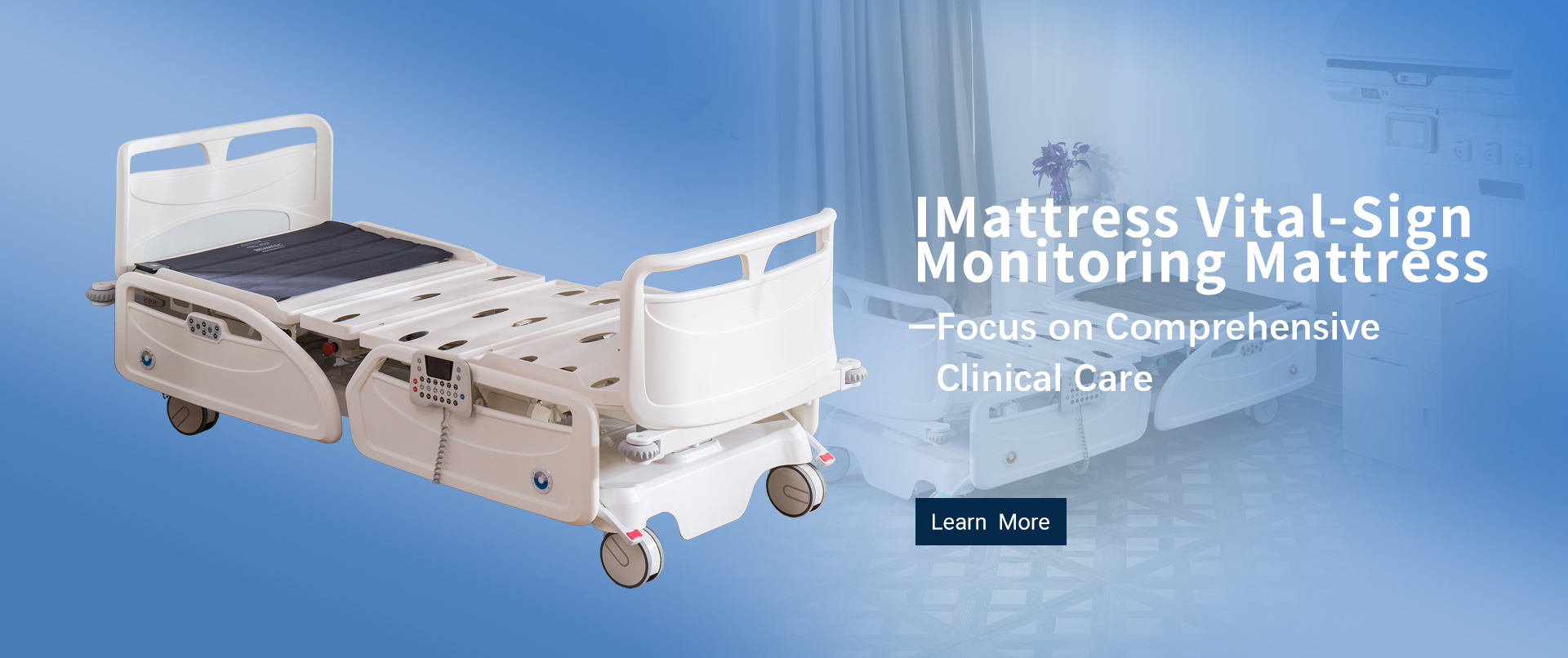
A three-function electric bed combines practical adjustment with a stable design for home care, clinics, and healthcare facilities. Its overall size is 2190 × 1020 mm, with an adjustable height range of 470–800 mm and a tolerance of ±20 mm. The mattress platform measures 1950 × 850 mm, providing a suitable resting area while maintaining a compact external footprint.
The three main electric functions typically include backrest adjustment, leg-section adjustment, and overall bed-height adjustment. These movements help users find a more comfortable posture for resting, reading, eating, or receiving care. The 470–800 mm height range also allows caregivers to work at a suitable level and makes it easier for users to get in and out of bed. A clear, easy-to-operate control system is especially important for daily use.
When buying a three-function electric bed, first check whether the mattress platform matches the intended mattress size. Confirm the full external dimensions to ensure sufficient room for placement and movement. Buyers should also evaluate the smoothness and noise level of the electric adjustments, the stability of the frame, the ease of cleaning, and the availability of maintenance support. Checking the product’s safety features, structural quality, and adjustment range can help ensure that the bed suits both user comfort and caregiving requirements.
Start with the clinical problem, not the product category. A rural clinic may need a compact monitor for brief consultations. Intensive care requires continuous readings, visible alarms, and reliable data storage.
Include nurses, biomedical technicians, and daily users. Walk through a patient journey from admission to cleaning. Record who operates the device, where it sits, and how often it is used.
Check one-handed controls, large displays, battery operation, and trolley mounting. Test the screen under harsh ward lighting. Buttons should remain usable with gloves.
Request a demonstration using realistic patient scenarios. Include children, older adults, mobility limitations, and emergency conditions. Test it live. Record every hesitation.
Ask for cleaning instructions, service intervals, spare-part access, and expected repair times. Confirm that local technicians can handle calibration and routine repairs. Specialist tools may be impractical in remote clinics.
Training should include a short demonstration and a return demonstration. Provide simple instructions in the local working language. Ask one nurse to operate the device without help.
Weak technical support may cause delays, idle equipment, and repeated service costs. Check remote assistance, on-site response, software updates, and replacement procedures. The cheapest option is not always efficient.
Run a short trial and document what failed, confused staff, or slowed care. Recheck the decision with user feedback. We may miss something. A simpler device may serve patients better.
Buying Nursing Equipment for international healthcare operations requires a structured and practical evaluation process. Begin by defining clinical needs, intended users, operating environments, and specific use cases so that every purchase supports patient care effectively. Establish clear requirements for quality, safety, performance, and applicable regulatory compliance. When comparing suppliers, examine product reliability, manufacturing consistency, certifications, communication, and after-sales responsiveness rather than focusing only on price.
Global buyers should also calculate the total cost, including packaging, shipping, insurance, customs procedures, taxes, installation, and import responsibilities. Before placing an order, review usability, cleaning requirements, maintenance schedules, staff training, spare parts availability, and technical support. Request samples or trial units when appropriate, then confirm specifications, delivery terms, warranties, inspection standards, and corrective procedures in a written contract. Pre-shipment and arrival inspections can help verify quantity, functionality, labeling, and packaging, reducing avoidable risks and supporting a dependable long-term supply relationship.