
0%

A multifunctional transfer bed is designed to make moving, positioning, and everyday care safer—whether that's in a hospital, a rehab center, or at home. Unlike a standard bed, it might combine adjustable height, backrest elevation, leg positioning, side rails, casters, and surfaces that are more transfer-friendly. The goal is to help caregivers move someone from lying down to sitting up, or from the bed toward a wheelchair, with a lot less lifting.

But safety isn't just about the bed's design. Trained caregivers should assess the patient's mobility, weight distribution, balance, skin condition, and any medical restrictions before every transfer. A stable brake system, secure side rails, and a clear floor area matter, too. Communication matters as well. Saying 'Move slowly' can prevent panic. In clinical practice, it's often the small details that decide whether a transfer feels controlled or rushed.

The bed may also support repositioning, wound-care access, sleep comfort, and assisted breathing postures. That said, it's not a complete substitute for professional assessment or a suitable transfer aid. Some models look super versatile but actually offer limited adjustment ranges, awkward controls, or mattress sections that just aren't comfortable. That kind of weakness is easy to overlook. Buyers should review load capacity, electrical safety, cleaning requirements, emergency lowering functions, and service support. Independent product testing and documented training can improve reliability. And a qualified healthcare professional should confirm whether the bed suits the patient, the caregiver, and the care environment. The right choice? Practical, not merely impressive.

What Is a Multifunctional Transfer Bed?

Defining a Multifunctional Transfer Bed and Its Clinical Role

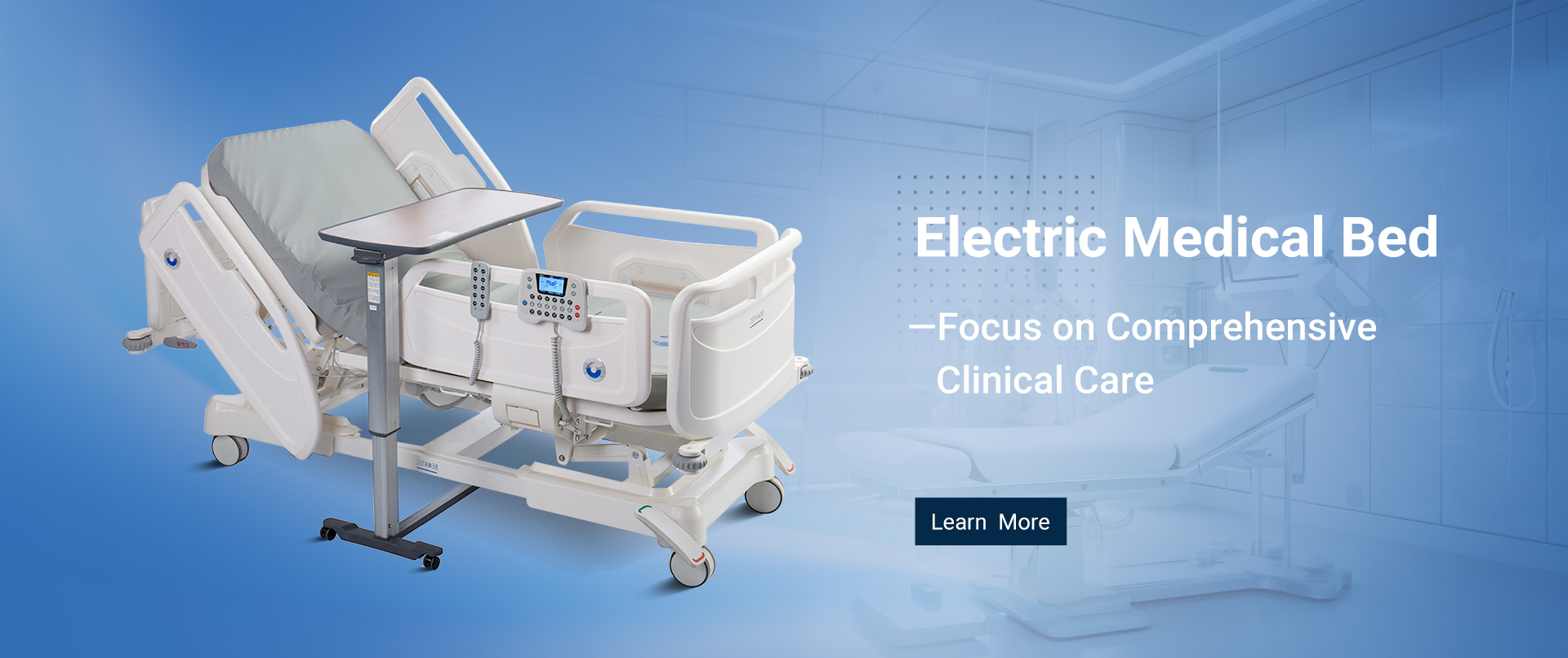
A multifunctional transfer bed combines patient support, repositioning, and transport in one clinical platform. Unlike a standard hospital bed, it may adjust height, backrest angle, leg position, and side-rail access. Some models also assist lateral transfers with sliding surfaces, split sections, or integrated transfer boards. The main purpose is controlled movement between the bed, wheelchair, stretcher, and procedure area.

Its clinical role is practical and safety-focused. Nurses can raise the surface to reduce bending during care, while a lower setting may help a patient enter or leave with assistance. Lockable castors, pressure-relieving surfaces, and clear handholds can reduce fall and handling risks. A patient with limited mobility may need fewer transfers, which can lessen pain, fatigue, and skin shear. Small details matter, such as checking tubing clearance before movement.

Good care still depends on assessment. Staff should consider weight capacity, cognition, balance, surgical restrictions, and the patient’s ability to follow instructions. A transfer bed is not a magic solution. Some workflows remain awkward, especially in crowded rooms or with multiple lines attached. In practice, trained staff should inspect brakes, rails, battery status, and transfer accessories before use. They should also explain each movement in plain language and pause when the patient shows fear or discomfort. Evidence-informed protocols help, but real patients do not always fit the protocol.

Key Functions: 3–5 Electric Adjustments for Safer Patient Handling

What Is a Multifunctional Transfer Bed?

A multifunctional transfer bed supports safer patient handling through several electric adjustments. The bed height can rise for care and lower for transfers. This reduces excessive bending and awkward reaching for caregivers. The backrest can lift gradually, helping a patient move from lying to sitting. Small changes matter when a person feels weak, dizzy, or unsteady.

A third adjustment controls the knee or leg section. It can improve comfort and reduce sliding during repositioning. Lateral tilt is another useful function. It helps staff turn a patient with less manual pulling, especially when skin protection is important. Some beds also provide a Trendelenburg or reverse Trendelenburg position. These angles may support specific clinical procedures, but trained professionals should select them carefully.

The controls should be clear and easy to reach. Smooth movement is important near tubes, drains, and fragile limbs. Staff still need to check brakes, mattress position, patient tolerance, and transfer equipment before moving anyone. No electric feature removes every risk.

A bed can be powerful, yet poor communication can make handling unsafe. The fifth adjustment may not be necessary for every patient. That is worth remembering. Care plans should reflect mobility, pain, body size, and clinical condition rather than relying on one standard setting. A brief pause to explain each movement can reduce fear and encourage cooperation. Small design details, such as a stable side rail and visible hand control, also influence real-world safety.

Bed Architecture: 2–4 Sections, 90–100 cm Deck Widths, and Side Rails

What Is a Multifunctional Transfer Bed?

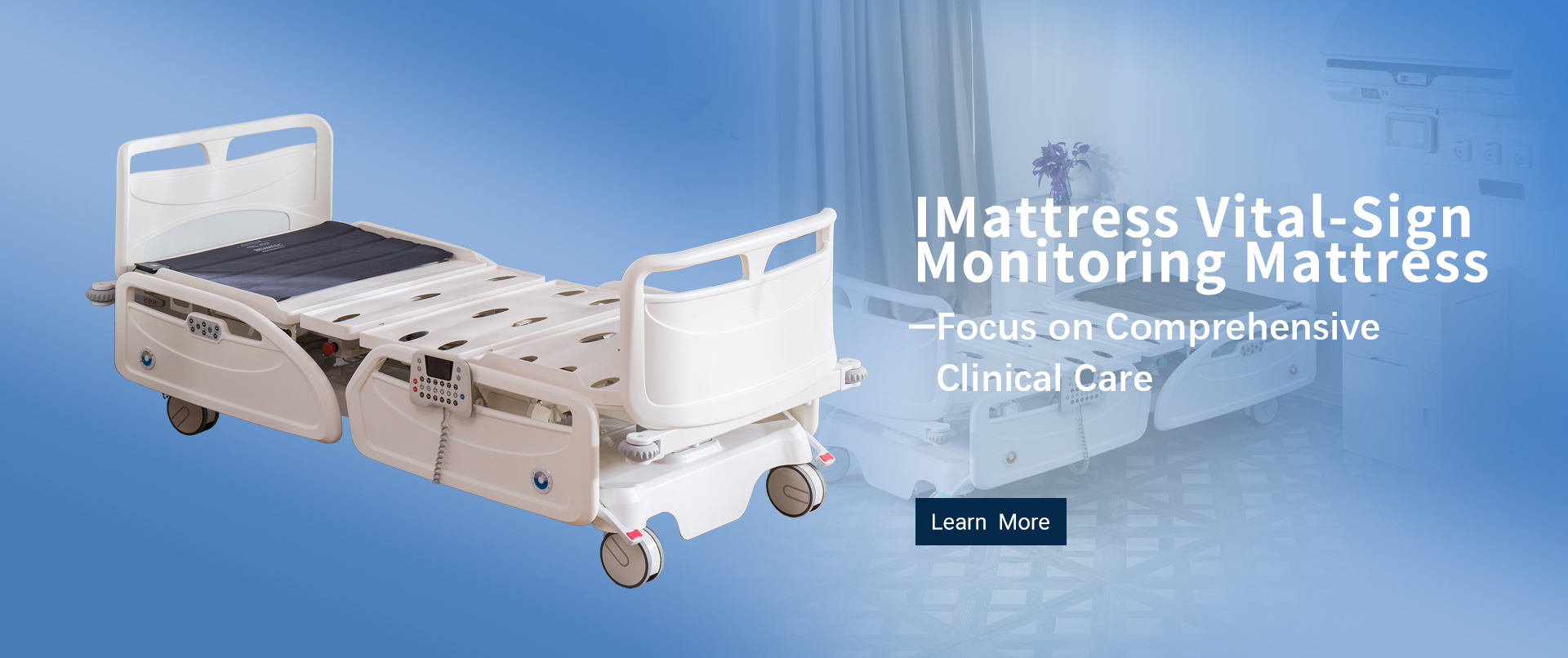
A multifunctional transfer bed supports patient movement, repositioning, and short-term care. Its architecture usually includes two, three, or four adjustable sections. Each section changes the patient’s posture in a controlled way. A two-section design is simple and stable. Three or four sections offer finer adjustment around the back, hips, and legs. More movement options can improve comfort, but they may require better staff training.

Deck width is another practical detail. Common widths range from 90 to 100 centimeters. A 90-centimeter deck fits tighter rooms and supports easier hallway movement. A 100-centimeter deck gives larger patients more space during turning. It can also increase the bed’s overall footprint. Measure doorways, lifts, and bedside clearance before selection. Small measurement errors cause real problems.

Side rails help reduce accidental rolling during repositioning. They should lock firmly, fold smoothly, and remain clear of transfer equipment. Split rails can provide access without removing full protection. However, rails are not a substitute for observation or correct positioning. Staff should check rail height, mattress thickness, and patient mobility together.

No configuration is perfect. In practice, the best design balances section control, usable width, and safe access. A rushed choice often favors features over room fit. That deserves another review.

Load Performance: Common Safe Working Loads of 250–320 kg

What Is a Multifunctional Transfer Bed?

A multifunctional transfer bed supports repositioning, lateral transfers, and assisted movement between care surfaces. Its safe working load often ranges from 250 to 320 kg. This figure includes the patient, mattress, bedding, transfer equipment, and attached accessories. It does not mean a 320 kg patient is automatically safe.

Load performance depends on more than frame strength. A raised backrest changes the center of gravity. A patient near the bed edge creates uneven loading. During a transfer, brief dynamic forces may exceed static body weight. ISO 10535:2021 outlines testing requirements for patient lifting equipment, while IEC 60601-2-52:2009+A1:2015 addresses safety requirements for medical beds. These standards support structured assessment, but they do not make every bed suitable for every transfer method.

Check the stated safe working load before use. Then inspect the mattress, castors, brakes, and transfer attachments. A 280 kg total load may look acceptable on paper. It can become unsafe when the bed is tilted, unlocked, or loaded off-center. The FDA’s Hospital Bed System Dimensional and Assessment Guidance also treats the bed, mattress, and rails as an integrated system. That matters in practice. A strong frame cannot correct a poor setup. I have seen load calculations appear precise, yet overlook bedding and equipment weight. That gap deserves honest review.

What Is a Multifunctional Transfer Bed?

Common safe working loads typically range from 250–320 kg, depending on the bed configuration and intended care environment.

The chart compares representative safe working load ratings commonly specified for multifunctional transfer beds. Safe working load refers to the maximum total supported weight, including the user, mattress, bedding, and approved accessories. Always check the product’s technical documentation before use.

Mobility Systems: 125–200 mm Casters, Central Brakes, and Fifth-Wheel Steering

What Is a Multifunctional Transfer Bed?

A multifunctional transfer bed must move predictably when patients are vulnerable. Its mobility system matters as much as its height adjustment. Casters between 125 and 200 mm can roll more smoothly over thresholds, seams, and slightly uneven floors. Larger wheels may also reduce push effort, but they do not solve poor maintenance or crowded corridors.

Central brakes allow staff to secure the bed from one accessible control point. That matters during lateral transfers and repositioning. A fifth-wheel steering system adds a guided contact point beneath the frame. It can improve straight-line tracking and reduce unwanted sideways movement during turns. In practice, this feels clearer near doorways and bedside equipment. Small details matter.

The American Agency for Healthcare Research and Quality reports approximately 700,000 to 1 million hospital patient falls annually in the United States. The World Health Organization’s Global Report on Falls identifies falls as a major injury risk, especially for older adults. These figures do not prove that one mobility feature prevents falls. They do support careful equipment selection and staff training.

A caster can be technically excellent yet poorly adjusted. That is the uncomfortable part. Routine brake checks, steering tests, and floor assessments remain essential. (Sources: AHRQ, Preventing Falls in Hospitals toolkit; WHO, Global Report on Falls, 2021.)

Safety Compliance Under IEC 60601-2-52 and ISO 14971

A multifunctional transfer bed combines patient positioning, height adjustment, and assisted movement in one clinical platform. It may raise the backrest, change bed height, support lateral transfers, and reduce manual lifting. Its value becomes clearer when a patient has limited mobility or needs frequent repositioning. The design must support caregivers without creating new hazards. Small gaps matter.

IEC 60601-2-52 addresses particular safety and essential performance requirements for adult medical beds, where applicable. Engineers examine stability, unintended movement, accessible moving parts, bed-rail gaps, and electrical safety. They also assess whether controls prevent accidental activation during transfers. A quiet caster may still fail on a sloped floor. Real care environments are less predictable than test rooms.

ISO 14971 provides the risk-management framework behind these decisions. Teams identify hazards, estimate risks, apply controls, and review remaining risks throughout the product lifecycle. For example, a transfer function may reduce caregiver strain but increase pinch-point exposure. Designers should combine guarded mechanisms, clear instructions, visual warnings, and practical usability testing. Residual risks need evidence. Documentation should connect each control to a specific hazard and verification result. No checklist is perfect. Field feedback can reveal problems missed during laboratory testing, especially after cleaning, repeated adjustment, or emergency use. That feedback may require updated controls, training, or design changes.

What Is a Multifunctional Transfer Bed? — Safety Compliance Under IEC 60601-2-52 and ISO 14971
Safety and Performance Dimension Typical Multifunctional Transfer Bed Data IEC 60601-2-52 Safety Focus ISO 14971 Risk-Management Application Recommended Verification Evidence
Intended use Electrically adjustable bed used for patient positioning, nursing care, lateral transfer, transport within a healthcare facility, and short-term recovery. Equipment functions, operating conditions, patient environment, and reasonably foreseeable use must be clearly defined. Define intended use, reasonably foreseeable misuse, user groups, patient populations, and operating environments before risk analysis. Intended-use statement, user profile, use specification, clinical workflow review, and usability evaluation.
Patient support surface Four-section or five-section mattress platform with independently adjustable backrest, thigh section, and leg section. Patient support, mechanical stability, moving sections, pinch points, and safe adjustment functions are evaluated as part of the medical bed safety design. Identify hazards from unintended movement, incorrect positioning, mattress incompatibility, and loss of patient support. Mechanical inspection, functional testing, mattress compatibility assessment, and documented hazard-control verification.
Height adjustment Typical usable adjustment range: approximately 400–800 mm from floor to mattress platform, subject to the final design. Adjustment mechanisms must remain stable and safe throughout the operating range, including loading and transfer conditions. Assess risks of falls, unstable transfers, collision with equipment, and unintended descent or ascent. Height-range measurement, load testing at minimum and maximum positions, anti-crush inspection, and control-function testing.
Backrest adjustment Typical electrically powered backrest angle: approximately 0–70 degrees. Moving parts, patient entrapment areas, mechanical strength, and prevention of unintended movement must be addressed. Evaluate risks of sliding, shear, respiratory compromise, discomfort, and injury caused by unexpected adjustment. Angle measurement, repeated-cycle testing, obstruction testing, stop-function testing, and risk-control traceability.
Knee and leg adjustment Powered or mechanically linked knee section with a typical adjustment range of approximately 0–35 degrees. Moving platform sections and linkage mechanisms must operate without creating unacceptable crushing, shearing, or instability hazards. Assess foreseeable misuse, limb entrapment, incorrect positioning, and failure of the linkage or actuator. Range-of-motion test, simulated-limb clearance assessment, endurance testing, and failure-mode analysis.
Safe working load Typical declared safe working load: 250 kg, including the patient, mattress, bedding, accessories, and applied equipment. The value must be confirmed by the manufacturer’s design. Declared load capacity must be supported by mechanical strength, stability, actuator, and structural testing under specified operating conditions. Load-related hazards include structural failure, actuator overload, tipping, braking failure, and loss of patient support. Rated-load test, overload or abnormal-load assessment where applicable, stability test, actuator endurance test, and technical-file records.
Bed width and transfer access Typical mattress-platform width: approximately 900–1,000 mm, with unobstructed access for patient transfer and clinical handling. Design must support safe patient handling while controlling entrapment and fall hazards at the perimeter. Assess risks associated with lateral transfer, caregiver posture, patient falls, and contact with side rails or accessories. Dimensional inspection, transfer simulation, caregiver usability assessment, and side-rail clearance evaluation.
Side rails Split or full-length side rails with raised, lowered, and intermediate positions; positive locking or retention must be provided. Side-rail strength, secure positioning, inadvertent release, patient fall prevention, and entrapment risks are key safety considerations. Analyze head, neck, torso, limb, and body entrapment scenarios, including foreseeable incorrect positioning of the rail. Strength and impact testing, latch-cycle testing, entrapment assessment using applicable test methods, and misuse evaluation.
Patient entrapment control Protected gaps around the mattress platform, side rails, headboard, footboard, and moving sections; dimensions are verified against the applicable standard and bed configuration. Potential entrapment zones must be identified and designed to minimize the possibility of injury during normal and foreseeable use. Document each entrapment hazard, severity, probability, risk-control measure, and residual-risk evaluation. Gap and opening measurements, test fixtures, configuration matrix, inspection records, and risk-control verification report.
Castors and braking Four or five medical castors with a centralized braking system; steering-lock and total-lock functions may be provided. Bed movement, unintended rolling, braking performance, directional control, and stability during transfer are evaluated. Assess rolling on sloped or uneven surfaces, brake release errors, collision hazards, and movement during patient transfer. Brake-holding test, rolling-resistance test, slope assessment, castor endurance test, and control-label inspection.
Electrical adjustment controls Low-voltage hand control and/or integrated caregiver controls for height, backrest, knee section, and emergency positioning. Protection against electric shock, unintended operation, control reliability, and accessible control safety must be addressed. Analyze incorrect activation, simultaneous commands, control failure, cable damage, and loss of essential positioning functions. Electrical safety testing, control-function test, single-fault assessment, cable-flex testing, and control labeling review.
Emergency lowering Manual or powered emergency lowering function designed to return the bed to a safe position during loss of normal control or power. Emergency functions must be available, identifiable, and effective under the specified fault and operating conditions. Define hazardous situations involving power loss, actuator failure, patient deterioration, and emergency access requirements. Power-interruption test, emergency-function test under rated load, accessibility review, and alarm or indicator verification.
Electrical power and battery backup Hospital-grade mains supply with rechargeable battery backup; typical backup duration is application-dependent and must be declared by the manufacturer. Electrical safety, protective earth, leakage current, dielectric strength, battery safety, and abnormal operation are considered. Evaluate loss of power, battery depletion, charger failure, overheating, incorrect battery replacement, and unavailable emergency functions. IEC 60601-1 electrical safety testing, battery endurance test, charging test, thermal assessment, and fault-condition evaluation.
Mechanical stability Stable in low, intermediate, and high positions with the declared safe working load and approved accessories installed. Resistance to tipping, overturning, excessive deflection, and instability during adjustment or transfer must be demonstrated. Assess patient movement, lateral loading, accessory loading, uneven-floor conditions, and transfer forces. Static stability test, dynamic stability test, lateral-load assessment, accessory combination test, and structural inspection.
Pinch, shear, and crush protection Moving joints and actuator interfaces incorporate guarded clearances, controlled motion, and accessible stop functions. Moving mechanisms must minimize injury risks to patients, caregivers, and service personnel. Identify body-part contact scenarios and evaluate severity, exposure, detectability, and effectiveness of protective measures. Visual inspection, clearance measurement, obstruction test, movement-force assessment, and single-fault testing.
Patient fall prevention Side rails, low-height positioning, mattress compatibility, and clear operating instructions are used as complementary controls. Bed configuration and protective features must reduce foreseeable fall hazards without introducing unacceptable entrapment risks. Analyze falls during entry, exit, repositioning, transport, side-rail use, and unintended bed movement. Fall-hazard analysis, side-rail evaluation, user testing, labeling review, and residual-risk assessment.
Accessory compatibility Approved accessories may include IV poles, lifting poles, oxygen-bottle holders, drainage-bag holders, and transfer boards. Accessories must not compromise stability, electrical safety, moving clearances, braking, or patient protection. Each accessory and accessory combination requires documented risk evaluation and configuration control. Accessory load test, stability test, interference check, compatibility matrix, and installation instructions.
Cleaning and infection-control design Smooth, non-absorbent, cleanable surfaces with limited dirt traps and protected electrical components. Materials and construction should support safe cleaning and disinfection without degrading protective functions. Assess risks from cleaning-agent incompatibility, corrosion, surface damage, fluid ingress, and biological contamination. Cleaning and disinfection validation, material-compatibility testing, ingress inspection, and maintenance procedure review.
Electromagnetic compatibility Electrical functions remain safe in the intended healthcare electromagnetic environment and do not create unacceptable interference. EMC emissions, immunity, and essential performance are evaluated under the applicable collateral standard requirements. Identify electromagnetic interference that could cause unintended movement, loss of control, alarm failure, or unsafe positioning. EMC test report, essential-performance definition, immunity test observations, and post-test functional inspection.
Alarm and indication Visual or audible indicators may identify low battery, charging status, control lockout, or system fault conditions. Indicators and alarms must be understandable, reliable, and appropriate to the safety function they support. Assess missed alarms, nuisance alarms, incorrect interpretation, alarm priority, and failure of indication. Alarm verification, human-factors review, visibility and audibility test, fault-injection test, and labeling assessment.
Control lockout Caregiver lockout functions can disable selected patient controls or bed movements when clinically necessary. Lockout controls must prevent unintended operation while preserving required emergency functions. Evaluate incorrect lockout selection, inaccessible controls, failure to restore operation, and conflict between patient and caregiver controls. Control-state test matrix, usability testing, lockout fault test, labeling review, and software or firmware verification where applicable.
Software and firmware Embedded control software may manage actuator sequencing, limit positions, lockouts, battery status, and fault handling. Software-related safety functions must support the overall medical electrical equipment safety architecture. Identify software hazards, unintended commands, incorrect sensor readings, memory faults, and loss of essential performance. Software lifecycle records, requirements traceability, verification testing, fault injection, and configuration management.
Usability and human factors Controls, labels, alarms, emergency functions, and transfer procedures are designed for nurses, caregivers, patients, and service personnel. Safe operation depends on clear controls, foreseeable-use evaluation, and reduction of use-related hazards. Use-related hazards are incorporated into the risk-management file and linked to usability-engineering activities. Formative and summative usability studies, task analysis, use-error analysis, labeling review, and training validation.
Risk-management file Comprehensive documentation covering hazards, risk estimates, controls, verification, residual risk, and production or post-production feedback. Safety test results and identified essential performance characteristics support conformity assessment of the medical bed. ISO 14971 activities include risk analysis, risk evaluation, risk control, benefit-risk analysis where required, and production/post-production monitoring. Risk-management plan, hazard analysis, FMEA or equivalent analysis, risk-control traceability matrix, residual-risk report, and post-market plan.
Maintenance and service Scheduled inspection may include brakes, castors, side-rail latches, actuators, cables, battery condition, fasteners, and structural components. Maintenance instructions must preserve safety, performance, and protective functions throughout the expected service life. Consider degradation, wear, incorrect servicing, unavailable spare parts, and maintenance-related misuse. Preventive-maintenance schedule, service manual, durability test, wear assessment, replacement criteria, and service-record template.
Expected service life Typical design target: 10 years or a manufacturer-declared operating period, subject to maintenance, duty cycle, and environmental conditions. Mechanical, electrical, and functional safety must remain acceptable over the declared service life. Include aging, fatigue, corrosion, battery degradation, software changes, and foreseeable maintenance conditions in the risk assessment. Endurance and life-cycle testing, accelerated aging where justified, component replacement analysis, and periodic safety-test requirements.
Compliance conclusion A multifunctional transfer bed is compliant only when its final configuration, accessories, controls, software, labeling, and intended use have been assessed together. IEC 60601-2-52 compliance is demonstrated through applicable medical-bed safety and performance testing together with relevant collateral standards. ISO 14971 compliance requires a complete, documented, and maintained risk-management process; it is not established by testing alone. Compliance matrix, applicable-standard review, complete technical documentation, test reports, declaration of conformity, and post-market surveillance records.

M1 Manual Transfer Bed (Machaon Series): Features, Benefits, and Practical Selection Guide

The M1 Manual Transfer Bed is designed to support efficient and safe patient transportation in hospitals, clinics, and long-term care facilities. Its lightweight construction makes it easier for nursing staff to maneuver through corridors, patient rooms, and treatment areas, while a practical frame provides dependable support during transfers. The bed can help reduce unnecessary physical strain for caregivers by combining easy handling with a stable platform for patients.

When selecting a manual transfer bed, consider its overall weight, load capacity, wheel performance, braking system, and compatibility with the facility’s doors, elevators, and medical workflow. Smooth-rolling casters and responsive steering are especially useful when staff need to move patients frequently or navigate tight spaces. Adjustable sections, protective side features, and an easy-to-clean surface can further improve comfort, safety, and daily usability. A suitable model should also allow straightforward operation so that staff can spend less time managing equipment and more time attending to patient needs.

For facilities seeking high transportation efficiency, the M1 offers a balanced combination of mobility, functional design, and caregiver support. Its lightweight structure is particularly valuable in busy environments where beds must be repositioned quickly and regularly, helping nursing teams maintain a more organized and less demanding workflow.

FAQS

What is a multifunctional transfer bed?

It is an electric clinical bed with several positioning adjustments. It can raise, lower, tilt, and support assisted movement. It helps reduce awkward lifting during patient care. Not every patient needs every function.

How does height adjustment improve patient handling?

Staff can raise the bed during care tasks. They can lower it before a transfer. This reduces excessive bending and reaching. A lower position can also improve transfer stability.

How does the backrest support weak patients?

The backrest can lift gradually from lying to sitting. This may help patients who feel dizzy or unsteady. Slow movement matters. Staff should explain the change before starting.

What does the knee or leg adjustment do?

It can improve comfort during repositioning. It may also reduce sliding toward the foot of the bed. The setting should match the patient’s body position. One standard angle will not suit everyone.

When is lateral tilt useful?

Lateral tilt can help staff turn a patient with less pulling. It may support skin protection and repositioning routines. Staff should watch fragile limbs, tubes, and drains. The movement must remain smooth.

Are special bed angles suitable for every patient?

No. Certain clinical angles require trained professional judgment. The patient’s condition, pain, and tolerance must guide the choice. A powerful adjustment is not automatically a safe adjustment.

What should staff check before moving a patient?

Staff should check the brakes, mattress position, and transfer equipment. They should inspect tubes, drains, and nearby limbs. Clear communication is essential. Pause before movement.

How do safety standards influence bed design?

Applicable medical-bed standards address stability, electrical safety, gaps, and unintended movement. Designers also examine accessible moving parts and control placement. A quiet caster can still move on a sloped floor. Testing cannot copy every care environment.

How does risk management improve transfer-bed safety?

Risk management identifies hazards and connects them with protective controls. Designers may use guards, warnings, instructions, and usability testing. A transfer feature can reduce lifting strain but create pinch points. That trade-off deserves honest review.

Can an electric bed remove every handling risk?

No. Electric movement cannot replace training or communication. Staff still need to assess mobility, body size, pain, and clinical condition. A checklist may miss problems after cleaning or repeated adjustment. Field feedback should lead to improvements.

Conclusion

A Multifunctional Transfer Bed is a clinical support device designed to improve patient repositioning, transfer, transport, and routine care. Unlike a basic hospital bed, it combines several powered adjustments, typically including height, backrest, leg section, and trendelenburg or reverse trendelenburg positioning. Its platform is commonly divided into two to four sections, with a deck width of approximately 90–100 cm. Protective side rails help reduce fall risks while supporting safer access for caregivers.

Performance and mobility are equally important. Many models are designed for safe working loads of about 250–320 kg and use 125–200 mm casters to move smoothly across clinical flooring. Central braking systems help stabilize the bed, while a fifth-wheel steering mechanism can improve directional control in narrow spaces. Proper design should also consider electrical and mechanical safety, risk management, and usability in line with IEC 60601-2-52 and ISO 14971. Together, these features support safer handling, efficient workflow, and greater comfort for both patients and healthcare professionals.

Oliver

Oliver

Oliver is a dedicated marketing professional at Bewatec (Zhejiang) Medical Device Co., Ltd., where he plays a crucial role in promoting the company’s innovative solutions in smart medical care. With a deep understanding of the healthcare landscape, he focuses on the digital transformation of the......
Previous China Top 10 Adjustable Bed Suppliers for Global Buyers