



Moving someone from the bed to a wheelchair can get tricky. Strength, balance, or mobility might have changed, and what used to be simple suddenly isn't. A Multifunctional Transfer Bed can help here, with adjustable positioning and built-in movement features. It gives caregivers a way to cut down on unnecessary lifting, while still protecting the patient's dignity. That difference really does matter.
Nursing and rehab teams who do this every day tend to care about the details: precise height adjustment, smooth backrest movement, locking systems you can trust. Those things make a transfer feel a lot more controlled, especially when the bedside is crowded. Some models also help with lateral movement, repositioning, and basic recovery activities. Clear controls mean less confusion during a busy shift. Small stuff? Yeah, it matters.
But convenience should never take the place of professional assessment. Every transfer still depends on the patient's condition, staff training, and the space around you. A transfer bed can't erase every risk. And honestly, that limitation deserves to be said out loud.
From an equipment manager's point of view, a reliable model should be stable, easy to clean, and have maintenance info you can actually access. The controls should make sense after practical training—not just after you've read the manual. Product decisions should be checked against manufacturer documentation, facility procedures, and each patient's care needs. That approach supports E-E-A-T through real experience, technical knowledge, and accountable purchasing.
Choosing a Multifunctional Transfer Bed also means measuring doorways, room layouts, mattress compatibility, and caregiver workflow. A feature-rich model may still be a bad fit for a small room. It's easy to overlook that. The best choice balances safety, comfort, durability, and realistic daily use. It's not a magic solution. Still, when it's carefully matched to clinical needs, it can make transfers better and support more consistent care.

What Is a Multifunctional Transfer Bed?
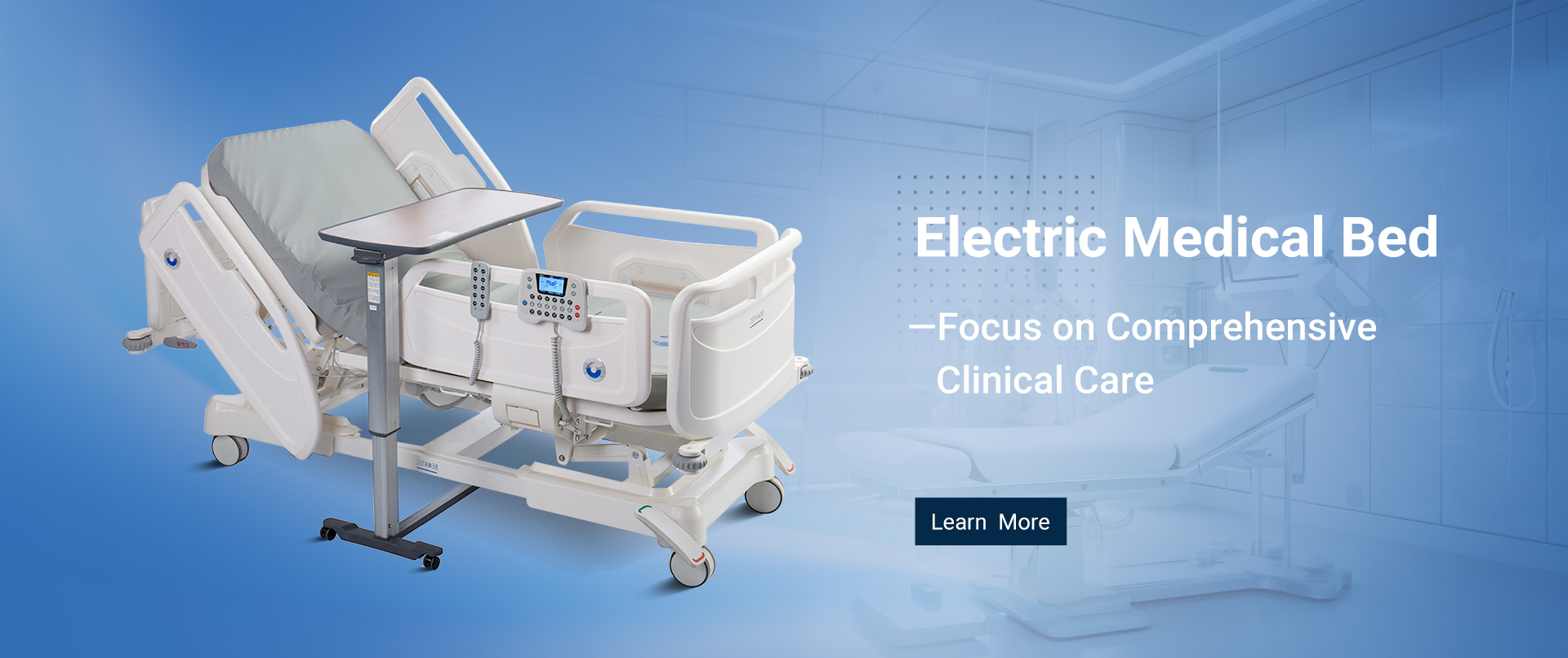
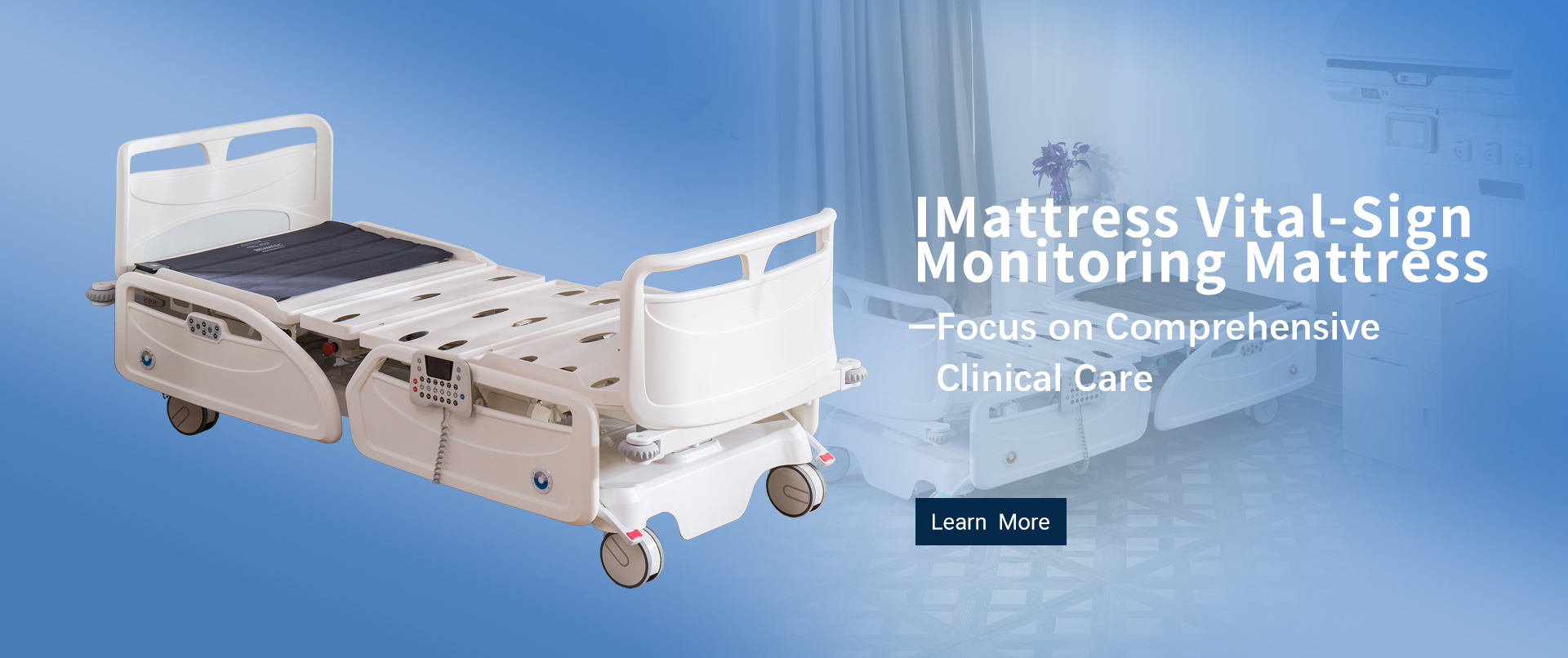
A multifunctional transfer bed is a medical support surface designed to move a person safely between care areas. Unlike a standard bed, it may adjust height, backrest, leg position, and overall angle. Some models also support lateral turning or controlled transfer to a wheelchair. The purpose is practical: reduce lifting, improve positioning, and protect both the user and caregiver.
In daily care, an operator can raise the bed to waist level before helping with a transfer. A lower setting may help a user step down, while a raised backrest supports breathing and conversation. Lockable casters, side rails, and accessible controls add stability, but they do not replace trained assistance. Small details matter. A loose brake or poorly fitted sling can create avoidable risk.
These beds are useful for people with limited mobility, recovery-related weakness, or difficulty changing posture. They can also reduce repeated bending for nurses and family caregivers. However, “multifunctional” does not mean suitable for every person or room. Weight limits, mattress compatibility, doorway width, battery condition, and transfer technique require careful checking. Convenience can encourage rushed decisions. A professional assessment remains important, especially after surgery or when balance is poor. Even a well-designed bed needs inspection and patient-specific training.
Why Choose a Multifunctional Transfer Bed? - What Is a Multifunctional Transfer Bed?
| Category | Data Dimension | What It Means | Practical Value |
|---|---|---|---|
| Definition | Primary purpose | A multifunctional transfer bed is a powered or manually assisted medical bed designed to support patient positioning, nursing care, and movement between locations. | Combines bed functions with transfer assistance |
| Transfer Capability | Patient movement | Depending on the design, the bed may use a detachable mattress platform, lateral transfer surface, sliding mechanism, or integrated stretcher function. | Reduces repeated lifting and repositioning |
| Positioning | Backrest adjustment | The backrest can be raised to support breathing, feeding, communication, examination, and comfort. The usable angle varies by model. | Improves access and patient comfort |
| Positioning | Knee and leg adjustment | Adjustable knee or leg sections help maintain a stable posture and can reduce sliding toward the foot end when the backrest is elevated. | Supports safer postural control |
| Height Control | Variable bed height | Electric height adjustment allows the platform to be lowered for patient access and raised for procedures, transfers, and caregiver ergonomics. | Supports safer care and working posture |
| Safety | Side rails and brakes | Common safety features include folding or split side rails, central or individual wheel brakes, and lockable transfer components. | Helps limit falls and unintended movement |
| Mobility | Castors and steering | Medical castors and directional-lock functions allow controlled movement through corridors, rooms, and treatment areas. | Improves maneuverability in clinical spaces |
| Load Capacity | Safe working load | The safe working load includes the patient, mattress, bedding, accessories, and equipment. The exact limit must be confirmed on the product label and instructions. | Supports appropriate patient selection |
| Patient Care | Mattress compatibility | The mattress should match the bed platform, remain secure during adjustment, and provide suitable pressure-redistribution performance for the patient’s risk level. | Supports comfort and pressure-injury prevention |
| Infection Control | Surface cleaning | Smooth, sealed, and removable surfaces are easier to disinfect. Cleaning agents must be compatible with the bed materials and used according to instructions. | Helps maintain hygiene between patients |
| Workflow | Clinical applications | Typical applications include hospitals, emergency departments, operating areas, rehabilitation facilities, long-term care, and home-care environments. | One platform can support several care stages |
| Staff Efficiency | Manual handling | Transfer-support features can reduce the number of manual handling steps, but trained staff, risk assessment, and suitable transfer procedures remain necessary. | May reduce caregiver strain |
| Power System | Electric adjustment | Powered models commonly use hand controls or staff controls for bed height and section adjustment. Battery backup may be available on selected configurations. | Enables smoother, more precise adjustment |
| Accessories | Equipment integration | Useful accessories may include IV-pole mounts, oxygen-cylinder holders, drainage-bag hooks, infusion poles, push handles, and removable head or foot boards. | Adapts the bed to different care tasks |
| Selection | Key evaluation criteria | Before purchase, assess patient size, transfer method, working load, bed dimensions, turning radius, doorway width, power requirements, cleaning protocol, warranty, and staff training. | Helps match the bed to real care needs |
Important: Specifications such as safe working load, adjustment range, transfer method, electrical rating, and available accessories differ by model. Always verify the manufacturer’s technical documentation and applicable healthcare safety requirements before use.
M2 Hydraulic Transfer Bed (Machaon Series): Safe, Efficient Patient Transfer Solutions
The M2 Hydraulic Transfer Bed is designed to make patient movement safer, faster, and more controlled in hospitals, clinics, and emergency care environments. Its multifunctional transportation trolley supports smooth transfers between wards, treatment rooms, examination areas, and operating spaces, helping reduce unnecessary lifting and physical strain on caregivers. The hydraulic adjustment system allows the bed height to be adapted to different working requirements, promoting better ergonomics during patient handling.
Built for demanding clinical conditions, the trolley can move efficiently through corridors and around confined areas while maintaining stable support for the patient. Its structure is designed to provide reliable positioning, and the mobility system helps caregivers respond quickly when time is critical. Safety-focused features, such as secure side supports, a stable platform, and controlled movement, help minimize the risk of accidental shifting during transport.
The M2 transfer bed is suitable for routine transfers as well as situations requiring rapid, coordinated movement. By combining flexible positioning, durable construction, and practical maneuverability, it supports safer workflows and more efficient patient care across various medical settings.

FAQS
It is an adjustable medical bed for moving people between care surfaces.
It may support people with paralysis, severe weakness, fractures, or poor balance.
Raising the bed to waist level can reduce repeated bending.
Check the patient’s condition, weight, mobility, and ability to follow instructions.
Lockable casters keep the bed stable during movement.
No. Equipment cannot replace trained assistance or a clear transfer plan.
Move gradually and avoid dragging the body across the mattress.
Measure doorways and leave enough space around the bed.
No. Suitability depends on body size, medical condition, mobility, and care setting.
Conclusion
A Multifunctional Transfer Bed is a versatile patient-care solution designed to support movement, positioning, and daily nursing tasks in one adaptable platform. It can help caregivers transfer patients between lying, sitting, and other supported positions while reducing the need for repeated manual lifting. This makes it suitable for individuals with limited mobility, recovery-related weakness, balance difficulties, or long-term care needs. By combining adjustable height, back and leg positioning, mobility assistance, and secure support features, the bed can be adapted to different patient conditions and care environments.
Safety and efficiency are central to its design. Lockable wheels, stable frames, protective side supports, secure positioning controls, and smooth adjustment mechanisms can help reduce transfer-related risks when used correctly. The bed may also improve caregiver efficiency by simplifying routine repositioning, transfers, examinations, and personal care. When selecting one, caregivers should consider patient weight capacity, adjustment range, ease of operation, cleaning requirements, available space, safety features, and compatibility with existing care procedures.
Related Posts
-

Discover the Best Multifunctional Transfer Bed Solutions in China?
-

Best M1 Manual Transfer Bed Options for Your Needs?
-

What Is the Best Multifunctional Transfer Bed?
-

Top 5 Benefits of Using M2 Hydraulic Transfer Bed for Your Healthcare Needs
-

Top 10 Manual Transfer Beds for Global Hospital Buyers
-

2026 Top Manual Transfer Bed Types for Global Buyers


