




Okay, so picking the perfect electric bed isn't just about crunching numbers on price, motors, or mattress size — that's a given. But if you're buying internationally, you've got to think way deeper. You need to factor in the actual medical needs of the person using it, their daily routines, the layout of the room, and even local regulations – yeah, that's a lot. And here's a stat that'll make you pause: the WHO projects that by 2030, one out of every six people on the planet will be 60 or older. That's a huge demographic shift, and it's driving up the need for safer gear in homes and care facilities. So comfort? Absolutely non-negotiable. But so is steady, reliable support – you can't have one without the other.
You know, industry reports are all pointing to strong market growth, though the numbers vary depending on how you define the product. For instance, Grand View Research is seeing more and more demand for adjustable beds not just in homes but also in healthcare facilities. And Fortune Business Insights agrees, highlighting aging populations and the rise of home healthcare as big drivers. So sure, the opportunity seems real, but it's wise not to base your purchasing decision on these reports alone. When you're actually evaluating a bed, you've got to think about a bunch of practical stuff—how much it can lift, the backrest angles, emergency lowering, the brakes on the casters, how noisy it is, and whether you can easily clean underneath. Picture this: a caregiver trying to squeeze the bed next to a narrow window. Those tiny design details? They turn into everyday headaches.
Honestly, safety documentation is something you really can't skim over. I mean, IEC 60601-2-52 lays out the essential performance requirements for medical beds—that's a big deal. When you're buying, make sure you ask for test reports, user manuals, warranty terms, spare-part plans, and even the supplier's quality records. And sure, ISO 13485 certification is a good sign that they have a solid medical-device quality system in place, but don't just rely on that—it's not a substitute for actually testing the product. The little details matter, too. And here's the thing: not every bed is going to fit every market, so you really need to check what works for yours.
You know, shipping can really be a test for your equipment – weak frames, loose cables, even missing parts – it's a gamble. So yeah, getting a sample inspected before you commit to a big order? That's smart. But here's the thing: no checklist is foolproof, right? I mean, people get caught up in fancy features and forget about the basics like technician training or how fast the supplier responds when something breaks. Honestly, making a solid choice comes down to weighing what you see, how it actually feels to use, the total cost over time, and being straight with your supplier – clear communication goes a long way.

Define the Intended Use and Requirements for an Electric Bed
Before comparing motors or controls, define who will use the electric bed, where it will sit, and what tasks it must support. A home-care bed may need easy transfers and a compact footprint; a hospital bed may require frequent repositioning and simple cleaning. Measure twice. Check doorway width, floor space, mattress dimensions, and the caregiver’s reach. Also record the user’s height, weight, mobility, and preferred sleep position. A bed can meet a specification and still be wrong for the room.
Plan around real care needs, not a feature list. The World Health Organization’s Ageing and Health fact sheet reports that one in six people worldwide will be aged 60 or older by 2030. That projection makes adjustability relevant, but age alone does not determine bed requirements. Ask whether the user needs help sitting up, changing position, or transferring to a chair. WHO also reports about 684,000 fatal falls each year worldwide in its Falls fact sheet. This does not mean an electric bed prevents falls; it does mean buyers should assess low-height settings, stable rails, and safe access with a clinician or caregiver. Some requirements may change after delivery. Leave room to reassess.
How to Choose the Right Electric Bed for Global Buyers? — Define the Intended Use and Requirements for an Electric Bed
| Intended Use | Primary Requirements | Suitable Bed Configuration | Specifications to Define | Buyer Verification Checklist |
|---|---|---|---|---|
| Home care | Comfort, straightforward operation, caregiver access, and compatibility with the room and existing mattress. | Electric height adjustment with backrest and knee/leg adjustment; lockable castors and a user-friendly handset. | Measure the available floor space, doorways, and preferred bed height. Specify mattress size, adjustment range, and safe working load based on the user and accessories. | Check power availability, handset usability, assembly and service arrangements, and whether the bed can pass through the home’s access routes. |
| Acute-care hospital | Frequent repositioning, efficient staff access, patient transfer support, and compatibility with clinical workflows. | Multi-function electric bed with adjustable height, backrest and leg sections, lockable castors, and compatible side rails and accessories. | Define required adjustment functions, mattress platform dimensions, safe working load, braking arrangement, and accessory mounting points. | Confirm that the complete bed configuration meets applicable local medical-device and electrical-safety requirements. Assess cleaning access, alarms or controls, and maintenance support. |
| Long-term care or nursing facility | Resident comfort, fall-risk management, routine cleaning, and ease of use for care staff. | Electric profiling bed with a suitable low-height range, secure controls, lockable castors, and compatible safety accessories where required. | Set minimum and maximum deck heights, mattress and rail compatibility, control-lock requirements, and the safe working load for the intended occupant. | Assess transfer methods, pinch-point risks, cleaning procedures, staff training needs, and the facility’s maintenance and inspection schedule. |
| Bariatric care | Appropriate occupant capacity, stable support, sufficient usable width, and safe transfer and handling. | Purpose-designed bariatric electric bed with a reinforced frame and a platform width selected for the occupant and care plan. | Specify the manufacturer-rated safe working load, usable mattress width, bed length, and required transfer clearance. Include the combined load of the occupant and supported accessories when checking capacity. | Verify rated capacity and dimensions for the exact model and configuration. Confirm compatible mattress, lifting equipment, transport route, and floor-space requirements. |
| Rehabilitation or mobility support | Safe transfers, suitable positioning, and controls that match the user’s mobility and therapy plan. | Electric height adjustment and profiling functions selected with the care team; suitable hand controls and transfer-support accessories. | Define transfer height, adjustment range, control access, mattress firmness and dimensions, and compatibility with mobility aids. | Review the bed with the relevant clinician or therapist. Check transfer space, control placement, emergency procedures, and accessory compatibility. |
| Pediatric care | Age- and size-appropriate dimensions, secure supervision, and risk controls suited to the child and care setting. | Pediatric bed designed for the intended age group, with appropriate enclosure or side-rail design and compatible controls. | Define the intended age and user-size range, mattress dimensions, safe working load, rail configuration, and required adjustment functions. | Confirm that the specific bed is designed for pediatric use and meets applicable local requirements. Assess entrapment risks, supervision needs, and caregiver access. |
Planning note: Bed dimensions, adjustment ranges, safe working loads, accessories, and regulatory requirements vary by model and market. Confirm the rated specifications and applicable local requirements for the complete bed configuration before purchase.
Three-Function Electric Beds: A Guide to Key Technical Parameters and Features
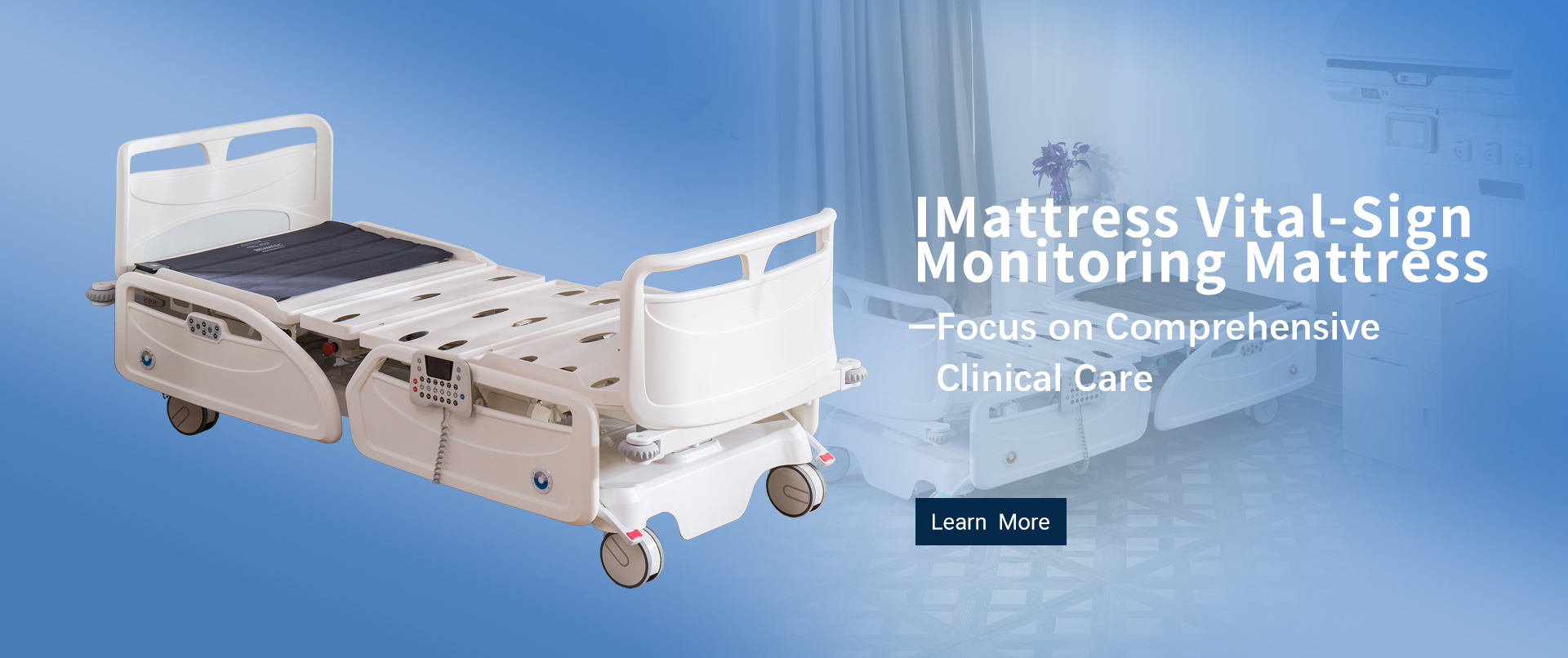
A three-function electric bed combines powered adjustment with practical dimensions suited to everyday care environments. Its three functions typically allow the backrest, leg section, and overall bed height to be adjusted independently, helping users find a more comfortable position and making routine care tasks easier. Electric controls enable adjustments without manually repositioning the bed, while the height range supports different access and transfer needs.
The overall bed size is 2190 × 1020 × (470–800) mm, with a tolerance of ±20 mm. The mattress platform measures 1950 × 850 mm, providing the usable bed area. The height from the bed board to the floor adjusts from 470 to 800 mm, allowing the platform to be raised or lowered as needed. When comparing three-function electric beds, these measurements, along with the adjustment range and ease of operation, are useful technical details to consider for fit, accessibility, and daily use.

FAQS
Read the voltage and frequency on its power label. Ask for the motor’s rated input and approved cord options. A plug adapter changes shape, not voltage.
Measure doorways, lifts, room access, and the space around the bed. Check for skirting boards and tight turns. A floor plan can still miss them.
Ask whether the frame arrives assembled and whether a technician is needed. Confirm this before delivery. Surprises are inconvenient.
Keep control cables clear of moving joints. Adjust the bed and watch the cables through each movement. A quick glance may not catch every snag.
Ask how to clean the platform, inspect cables, and obtain replacement parts. Confirm service intervals and who can repair the motors. Keep the manual nearby.
Request load-test records, electrical safety documents, warranty terms, and spare-part availability. Check that the delivered configuration matches the quote, including rails and handset.
Raise and lower the bed several times. Listen for uneven motor noise and inspect welds, cable routing, and caster locks. Ask for test methods and report dates.
Include freight, installation, training, maintenance, batteries, spare parts, and downtime. Get service response times in writing. Estimates can be wrong; review them after year one.
Conclusion
Choosing the right Electric Bed begins with a clear understanding of its intended use, the people who will use it, and the care or comfort requirements it must meet. Compare available bed types, adjustment functions, dimensions, and configurations to find a practical fit. Review safety features, relevant certifications, and applicable requirements in the destination market, and confirm that the bed’s power specifications are compatible with local electrical systems.
Before purchasing, assess installation needs, maintenance routines, product quality, and the supplier’s ability to provide reliable support. Consider the full cost of ownership, including shipping, setup, replacement parts, and ongoing service—not just the initial price. For international sourcing, plan delivery timelines, packaging, documentation, and after-sales assistance in advance. A careful evaluation of these factors helps buyers select a dependable bed that suits their users, operating environment, and long-term budget.
Related Posts
-

7 Tips for Choosing the Best Electric Bed?
-

Top Electric Beds to Discover at the 139th Canton Fair 2026?
-

Exploring the Benefits of Electric Medical Beds for Home Healthcare Solutions
-

How to Choose the Right Electric Medical Bed for Your Needs
-

Exploring Innovations in Electric Medical Beds at the 138th Canton Fair 2025
-

What is an Electric Medical Bed and How Does it Improve Patient Care


