
0%

You know, the healthcare industry isn't just one thing—it's this massive web of services, people, tech, and organizations all tangled together. Think hospitals, your local clinic, pharmacies on the corner, labs running tests, insurance companies (ugh, don't get me started), device makers, and even those health apps on your phone. Every piece plays a role in your journey as a patient, whether you're trying to prevent something, getting a diagnosis, undergoing treatment, or managing care over the long haul. It's like a giant puzzle, and we're all a piece of it, right?

You know, the economic footprint here is pretty huge. The Centers for Medicare & Medicaid Services put out a report saying that in 2023, the U.S. spent a whopping $4.9 trillion on healthcare. That's about 17.6% of the entire GDP, which is a lot. And if we look at other rich countries, the OECD average for health spending was around 9.2% of GDP back in 2022, so clearly we're above that. But just crunching these numbers doesn't tell the whole story—they sure show influence, but they don't capture every outcome. Honestly, just throwing more money at something doesn't automatically make it better. I mean, you'd think a bigger budget for care would mean better results, but it's not that simple—there's so much more to it than that.

You know, healthcare is really a web of interconnected flows. Patients come in with their symptoms and medical histories, and clinicians have to interpret the evidence and recommend a course of care. Then you've got insurers, governments, and individuals all sharing the financial burden—which is no small thing, trust me. Labs churn out test results while regulators set the safety rules. And the WHO keeps flagging workforce shortages as a huge global issue, with projected gaps that could really hurt access and quality down the line.

You know, it's often the little details that show just how complex this whole healthcare system really is. A lab result that arrives late can end up postponing a treatment, or a missing medication can completely throw someone's recovery off track. Sure, a well-designed electronic record system might save us from ordering the same tests over and over, but poor data entry? That can create a whole new set of risks. So in this introduction, I'm going to dig into how the industry is organized, financed, regulated, and measured—basically, how it all works—and I'll also question some of its glaring weaknesses. Let's be honest: healthcare is absolutely essential, but it's still uneven, expensive, and a nightmare to navigate. And the evidence for that? It's pretty clear. Honestly, the solutions just aren't working.

What Is the Healthcare Industry and How Does It Work?

Healthcare Industry Definition: A $9.8 Trillion Global System in 2022

What Is the Healthcare Industry and How Does It Work?

The healthcare industry was valued at about $9.8 trillion globally in 2022. This estimate includes hospitals, clinics, pharmacies, medical equipment, insurance, research, and professional services. It is a vast system. Health economists calculate these figures by measuring spending across public and private sectors. However, national accounting methods differ, so the number is an informed estimate rather than a perfect global receipt.

Healthcare works through connected financial and clinical networks. A patient may visit a local clinic, receive a diagnostic test, and obtain treatment through a pharmacy. Payment can come from government programs, employers, insurers, or the patient. Hospitals use these funds to pay clinicians, maintain operating rooms, purchase equipment, and manage records. Medical manufacturers and laboratories support the system with devices, testing services, and research. Each stage affects cost, access, and treatment speed.

The industry also depends on regulation, trained workers, and reliable evidence. Clinical guidelines help professionals choose safer treatments, while audits and outcome data expose weak practices. In my experience, a short appointment can hide months of preparation, billing, and follow-up care. That complexity deserves attention. Yet spending does not automatically produce better health. Some systems invest heavily but still face long waits, uneven rural access, or preventable errors. The $9.8 trillion figure shows scale, not fairness, effectiveness, or patient satisfaction. That distinction is easy to miss.

What Is the Healthcare Industry and How Does It Work?

The healthcare industry is a global system that finances, delivers, and supports medical services, medicines, facilities, and long-term care. Global healthcare spending reached approximately $9.8 trillion in 2022. The chart below shows selected United States healthcare expenditure categories for 2022, reported in billions of U.S. dollars.

Data source: U.S. Centers for Medicare & Medicaid Services, National Health Expenditure Accounts, 2022. Values are rounded and represent selected spending categories, not the entire U.S. healthcare system.

Core Sectors: Providers, Payers, Pharmaceutical Firms, and Medical Technology

What Is the Healthcare Industry and How Does It Work?

The healthcare industry is a connected system built around patient needs. Providers deliver care in hospitals, clinics, laboratories, pharmacies, and home settings. A doctor may assess symptoms, order a scan, and review results with a patient. Nurses, therapists, and technicians keep many steps moving safely. Their work depends on accurate records, clear communication, and timely decisions. Small delays can affect treatment, staffing, and patient confidence.

Payers finance much of this care through public programs, employers, or individual plans. They review claims, set coverage rules, and negotiate payment arrangements. This process can reduce unexpected costs, but it may also create confusing paperwork. A patient might understand a treatment but still struggle to understand its approval status. The system sounds orderly. In practice, it is not always simple.

Pharmaceutical firms research, test, manufacture, and monitor medicines. Their work requires evidence from laboratory studies and carefully designed clinical trials. Safety monitoring continues after a medicine reaches patients.

Medical technology companies develop tools that support diagnosis, treatment, monitoring, and rehabilitation. Examples include imaging equipment, surgical instruments, wearable monitors, and digital record systems. A device is useful only when professionals can operate it reliably and patients can access it. Cost, training, maintenance, and data security all matter. Technical progress can improve care, but newer does not automatically mean better. Healthcare decisions often involve incomplete information, limited budgets, and competing priorities. These sectors must coordinate closely, although their incentives do not always align.

Healthcare Financing: Public and Private Insurance Across National Systems

Healthcare financing determines who pays, when payment occurs, and what care remains affordable. Public insurance pools money through taxes or mandatory contributions. Governments then fund hospitals, clinics, medicines, or patient reimbursements. In many national systems, eligibility depends on residence, income, age, employment, or medical need. The rules matter. A consultation may cost little at the clinic, yet patients can still face travel costs, waiting lists, or uncovered treatments. In practical health-system analysis, access is not only an insurance card; it also involves time, distance, and administrative clarity.

Private insurance usually relies on premiums paid by individuals, employers, or both. Policies may offer wider provider choice, faster appointments, or extra services. They also contain exclusions, deductibles, annual limits, and approval procedures. A patient with a modest monthly premium might still receive a large bill after surgery. That detail is easy to miss. Insurers assess risk, while regulators set consumer protections and solvency requirements. Good oversight should make coverage understandable, not merely available on paper.

National systems often combine public and private financing. Public coverage can protect households from severe financial shock, while private plans may supplement dental care, rehabilitation, or room upgrades. The balance differs because tax capacity, wages, demographics, and political choices differ. Researchers should compare actual outcomes, not labels. Coverage rates can look impressive while rural clinics remain understaffed. I may be too confident here: no financing model solves every delay or inequality. Better evaluation follows patient bills, waiting times, denied claims, and health outcomes together. That is where policy becomes visible.

Care Delivery: How Patients Move from Prevention to Treatment and Recovery

The healthcare industry is a connected pathway, not a single hospital visit. Care often begins before illness appears, through vaccination, nutrition advice, blood-pressure checks, and cancer screening. The World Health Organization reports that noncommunicable diseases cause about 74% of deaths worldwide. Prevention therefore shapes both patient outcomes and healthcare demand.

Patients may then enter primary care with a symptom, such as chest discomfort or persistent fatigue. Clinicians review medical history, perform examinations, and order tests when evidence supports them. Triage helps direct urgent cases to emergency services, while less serious conditions may receive monitoring and follow-up. The World Health Organization and World Bank reported that roughly 4.5 billion people were not fully covered by essential health services in 2021. Access remains uneven. A modern clinic can still be unreachable for someone facing transport costs, language barriers, or limited digital access.

Treatment may involve medication, surgery, counseling, or several services together. Recovery continues after discharge through physiotherapy, home monitoring, and regular medication reviews. OECD data show that health spending averaged about 9.2% of gross domestic product across member countries in 2022, revealing the scale of this system. Yet spending alone does not guarantee better care. Reports use different definitions, and patient experience is sometimes poorly measured. That gap deserves more attention. A quiet rehabilitation room, a clear discharge plan, and one reliable follow-up call can influence recovery as much as advanced equipment.

Workforce and Capacity: WHO Estimates 67 Million Health Workers by 2030

The healthcare industry depends on people, not only hospitals, equipment, or digital systems. WHO estimates that about 67 million health workers could be needed by 2030. This figure includes doctors, nurses, midwives, technicians, community workers, and support staff. Demand is rising as populations age and chronic diseases require longer care. Capacity means more than filling vacancies. It also means having the right worker, in the right place, at the right time.

The State of the World’s Nursing 2020 report found a global shortage of 5.9 million nurses, with the largest gaps in lower-income countries. Rural clinics often show the problem clearly: one nurse may manage triage, vaccination records, emergency care, and night shifts. That workload can weaken safety and retention. The International Labour Organization also reports major differences in health-worker density between countries, showing why global totals can mislead. More workers do not automatically create better access. Training quality, fair distribution, safe workplaces, and reliable funding matter just as much. A difficult point remains: workforce projections are estimates, not promises. Migration, conflict, disease outbreaks, and unpaid care responsibilities can change the numbers quickly. Some planning models still treat workers like fixed units, which feels too simple for real communities.

Innovation and Regulation: How Data, AI, and Safety Standards Reshape Care

Healthcare is becoming a data-driven system, not merely a network of hospitals. Electronic records, wearable sensors, and imaging tools now support faster clinical decisions. The OECD’s Health at a Glance 2023 reports that health spending averaged 9.2% of GDP across member countries in 2022. However, more spending does not guarantee safer care. The WHO estimates a global shortage of almost 10 million health workers by 2030. AI may help, but it cannot replace judgment, empathy, or accountability.

Tips: Treat patient data as sensitive evidence. Use clear consent, limited access, and regular quality checks. Test AI against different ages, genders, and ethnic groups. A tool that performs well in a laboratory may fail beside a crowded emergency-room desk. That gap matters.

Safety standards must evolve with innovation. The U.S. Food and Drug Administration reported hundreds of authorized AI-enabled medical devices by 2023, with radiology representing the largest share. This growth shows promise, but authorization is not the same as perfect performance. Clinicians should record false alerts, missed findings, and unexpected workflow problems. Independent audits can reveal weaknesses that internal testing misses. Regulation sometimes feels slow. Still, slow review may prevent fast harm. Health leaders need practical training, transparent evidence, and human oversight at every critical decision point.

Two-Function Electric Bed: Key Technical Parameters and Product Selection Guide

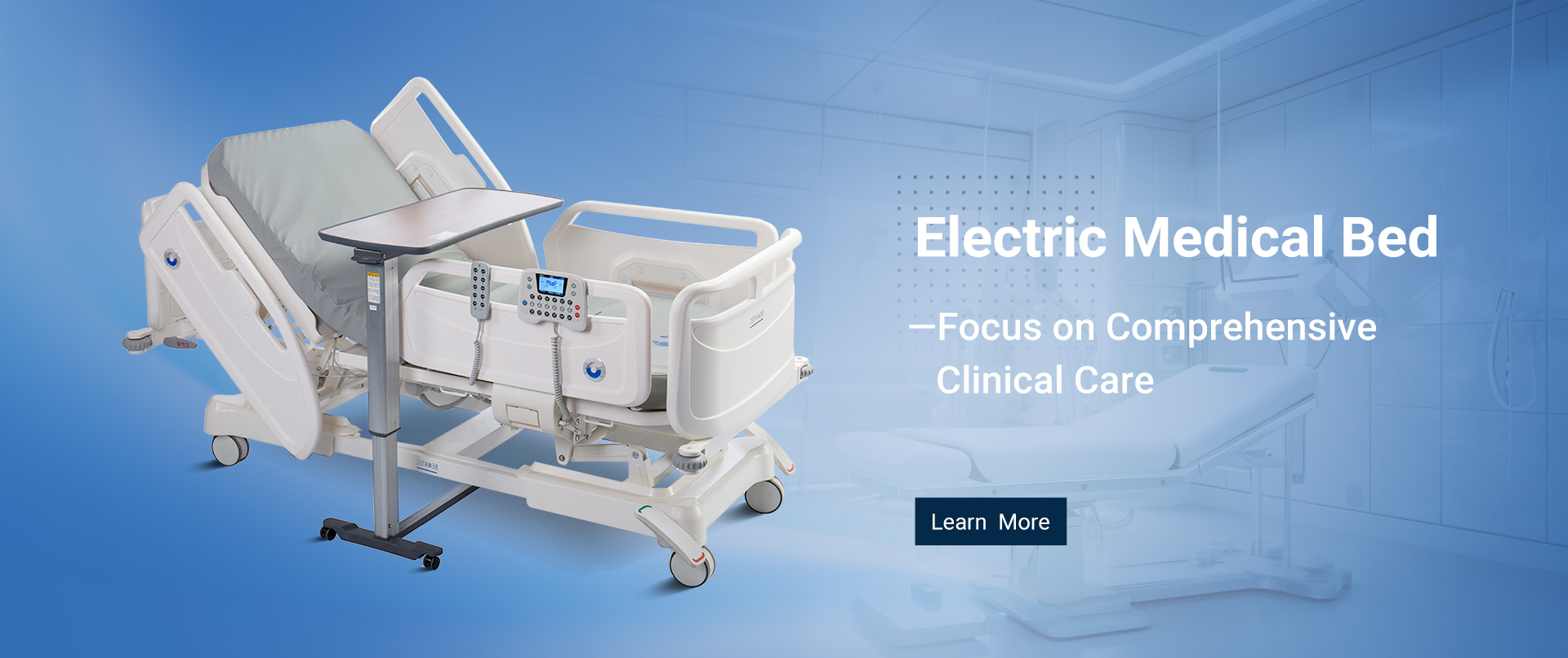
A two-function electric bed is designed to provide practical adjustment and comfortable positioning for patients, caregivers, and home users. Its two powered functions commonly include backrest elevation and leg or knee adjustment, allowing the user to sit, rest, eat, or change posture with less physical effort. When evaluating a model, buyers should consider motor responsiveness, control-panel simplicity, structural stability, and the smoothness of movement.

The whole bed measures 2190×1020×500 mm, with a dimensional tolerance of ±20 mm, offering a balanced layout for patient care and room placement. The mattress platform measures 1950×850 mm, also with a ±20 mm tolerance, providing a suitable sleeping area while maintaining a relatively compact overall footprint. These dimensions should be checked against room access, mattress compatibility, bedside equipment, and user height before purchase.

Product selection should also focus on load-bearing performance, frame durability, locking casters, side-rail design, and ease of cleaning. A reliable electric system should include stable operation and clear control markings, while the bed surface should support proper mattress fit without excessive gaps. For facilities with frequent use, attention to maintenance access, noise level, power-cord protection, and the availability of replacement components can help improve long-term usability.

FAQS

What does the healthcare industry include?

It includes care providers, payment organizations, medicine developers, and medical technology companies. A hospital visit may involve a doctor, nurse, laboratory technician, and claims reviewer. Small delays can affect treatment and patient confidence.

How do healthcare providers support patients?

Providers assess symptoms, order tests, explain results, and deliver treatment. They work in hospitals, clinics, laboratories, pharmacies, and homes. Clear records matter.

How does public health insurance usually work?

Public insurance collects money through taxes or required contributions. It may fund hospitals, medicines, clinics, or patient reimbursements. Eligibility can depend on residence, income, age, employment, or medical need. Coverage does not remove every barrier.

What should patients check in a private insurance plan?

Patients should review premiums, deductibles, exclusions, limits, and approval rules. A low monthly payment may still lead to a large surgical bill. The paperwork can be confusing. Ask specific questions.

How does a patient move from prevention to recovery?

Care may begin with vaccination, nutrition advice, screening, or blood-pressure checks. A patient may then receive examination, testing, treatment, and follow-up care. Recovery can include physiotherapy, home monitoring, and medication reviews. Discharge planning matters.

Why can healthcare access remain unequal?

Insurance coverage does not guarantee nearby clinics or short waiting times. Transport costs, language barriers, and weak internet access can delay care. A well-equipped clinic may still be unreachable. That seems easy to overlook.

What role do medicine developers play?

They research, test, manufacture, and monitor medicines. Evidence comes from laboratory studies and carefully designed clinical trials. Safety monitoring continues after patients begin treatment. No process removes all uncertainty.

Can medical technology automatically improve healthcare?

Not always. Newer equipment may support diagnosis, treatment, monitoring, or rehabilitation. Its value depends on training, maintenance, cost, access, and data security. A simple reliable tool may outperform an advanced unused system. That deserves reflection.

How should healthcare systems measure success?

Researchers should examine bills, waiting times, denied claims, and health outcomes together. Spending alone cannot prove better care. A clear discharge plan and one follow-up call may improve recovery. Patient experience is still measured imperfectly.

Conclusion

The Healthcare Industry is a vast global system valued at approximately $9.8 trillion in 2022. It includes healthcare providers such as hospitals, clinics, and community services; payers that organize insurance and reimbursement; pharmaceutical companies that develop medicines; and medical technology organizations that create diagnostic and treatment tools. Together, these sectors support the prevention, diagnosis, treatment, and ongoing management of health conditions.

Healthcare financing combines public programs and private insurance, with different national systems determining how care is funded and accessed. Patients typically move through a connected journey that may include prevention, early screening, medical treatment, rehabilitation, and recovery. The industry also depends on a large and growing workforce, with the WHO estimating that 67 million health workers may be needed by 2030. At the same time, digital records, artificial intelligence, and other innovations are reshaping care, while regulation and safety standards help ensure that new services and technologies remain effective, reliable, and focused on patient well-being.

Ethan

Ethan

Ethan is a dedicated marketing professional at Bewatec (Zhejiang) Medical Device Co., Ltd., where he plays a pivotal role in advancing the company’s mission of transforming the global medical care industry through innovative smart medical solutions. With a deep understanding of the complexities of......
Previous Why Is Health Equipment Important for Global Buyers?