


So, you're probably wondering why health equipment matters so much for buyers all over the world, right? I mean, it's not just about having the latest gadgets—it's about quality, reliability, and making sure people get the care they need. For global buyers, it's a big deal because they're looking for products that meet international standards, can be trusted, and actually make a difference in healthcare. So yeah, that's why it's so important.
You know, health equipment isn't just some line item buried deep in a hospital's budget anymore. It can actually make or break a rural clinic—whether they can catch hypoxemia, keep instruments sterile, or help someone get back on their feet. The scale of the need? Honestly, it's staggering. The WHO's Global Report on Assistive Technology says around 2.5 billion people currently need assistive products, and that number could jump past 3.5 billion by 2050. So, this isn't just about business opportunities—it's a full-blown public health priority, whether we're ready for it or not.
When you're working at the bedside, reliability is everything—I mean, think about it: in a packed ER, a pulse oximeter has to be spot-on, no room for guesswork. Same goes for a wheelchair; it needs tires that can take a beating, maintenance that doesn't require a degree, and parts you can actually get your hands on when something breaks. And a sterilizer? That thing needs to work like clockwork every single time, with a team that knows what they're doing and solid quality checks in place. Dr. [name would go here] gets that—it's the little things that keep things running smoothly. You know, Suzanne Hill—who used to head up health products at the WHO—once said, 'Medical devices are essential for prevention, diagnosis, treatment, and rehab.' Yeah, they're that important. But here's the thing: when you're actually buying one, you've got to make sure it delivers in the real world, not just in the shiny showroom. That's where the real responsibility lies, isn't it?
So global buyers aren't just looking at the price tag anymore. They're digging deep into clinical evidence, regulatory docs, energy specs, cybersecurity, training, warranties, and even after-sales support. The WHO's medical devices technical series also stresses the importance of picking, evaluating, and managing equipment properly. That said, the reality isn't perfect. You can have a product with stellar specs, but if the power supply is flaky or spare parts take ages to arrive, it's all for nothing. So procurement teams, they really need to look past the shiny promises and actually check what's happening on the ground. You know, the best strategies for health equipment aren't just about the specs – they tie together safety, usability, long-term costs, and real patient outcomes. And that kind of connection isn't built overnight; it takes time to earn trust. But when things get tough, that trust is what keeps care going.

Definition and Scope of Health Equipment
Health equipment refers to tools, machines, and systems used to prevent, diagnose, monitor, treat, or manage health conditions. Its scope extends from digital thermometers and blood pressure monitors to imaging systems, surgical instruments, rehabilitation devices, and hospital beds. Some definitions also include connected software when it controls or interprets medical data.
The boundary is not always clear. A home-use monitoring device may serve patients, caregivers, and clinicians at the same time. Equipment can also include sterilization units, oxygen-support systems, mobility aids, and laboratory analyzers. Each category brings different requirements for accuracy, user training, maintenance, and data protection. Global buyers should check the product’s intended use, technical documentation, safety testing, and approval status in the destination market. Rules differ.
Practical purchasing experience shows that the device itself is only one part of the decision. A monitor may look advanced, yet become unreliable without compatible sensors, calibration, spare parts, or local technical support. That detail is easy to miss. Buyers should assess installation conditions, power stability, cleaning procedures, staff skills, and expected service life. Independent testing and clear supplier records can improve confidence, but they cannot replace careful evaluation. Even a well-documented product may perform poorly in a crowded clinic, a remote health center, or a home with limited connectivity.
Why Is Health Equipment Important for Global Buyers? - Definition and Scope of Health Equipment
| Equipment Category | Definition and Typical Examples | Primary Healthcare Purpose | Common Care Setting | Key Buyer Evaluation Dimensions | Global Procurement Relevance |
|---|---|---|---|---|---|
| Diagnostic Equipment | Devices used to detect, screen, monitor, or support the diagnosis of disease, such as blood-pressure monitors, thermometers, ultrasound systems, and laboratory analyzers. | Supports early detection, clinical assessment, treatment planning, and disease surveillance. | Primary-care clinics, hospitals, diagnostic laboratories, community health centers, and mobile medical units. | Accuracy Calibration Test compatibility Data connectivity | Demand is influenced by population health needs, diagnostic capacity, infectious-disease monitoring, and the expansion of primary healthcare services. |
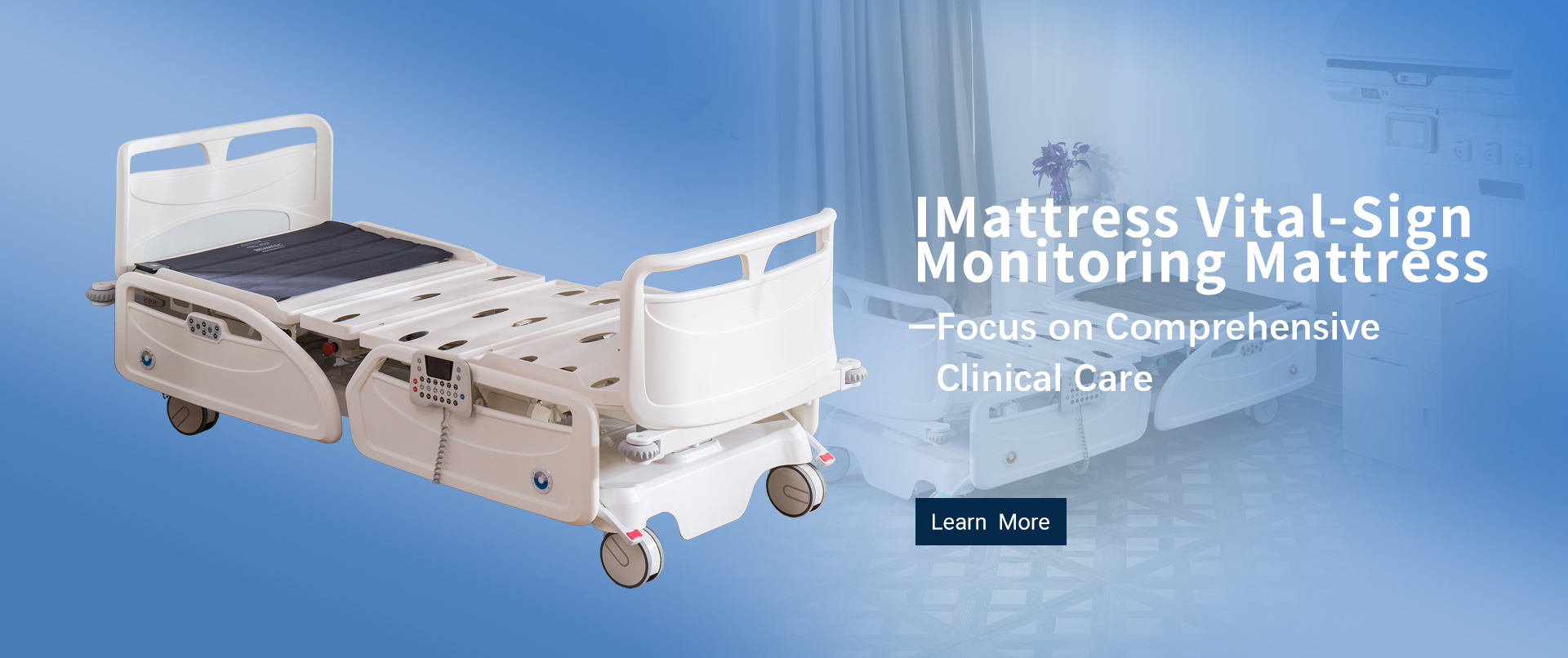
| Patient Monitoring Equipment | Equipment that measures or displays physiological parameters, including pulse oximeters, electrocardiographs, multiparameter monitors, and fetal monitors. | Provides continuous or intermittent information about vital signs and patient condition. | Emergency departments, intensive-care units, operating rooms, maternity wards, ambulances, and home-care environments. | Measurement reliability Alarm performance Battery life Ease of cleaning | Global buyers often prioritize dependable operation, simple maintenance, local training, and compatibility with different electricity and data systems. |
| Therapeutic Equipment | Devices that deliver treatment or support a therapeutic procedure, including infusion pumps, phototherapy units, dialysis equipment, and therapeutic ultrasound systems. | Administers therapy, supports organ function, or assists recovery and rehabilitation. | Hospitals, specialty clinics, rehabilitation centers, dialysis facilities, and home healthcare. | Dose control Patient safety Consumables Service support | Procurement decisions must account for the complete product lifecycle, including accessories, consumable availability, preventive maintenance, and technical support. |
| Life-Support Equipment | Equipment that maintains or assists essential physiological functions, such as ventilators, anesthesia workstations, and extracorporeal support systems. | Supports breathing, anesthesia, critical care, and other functions where equipment failure may create immediate clinical risk. | Operating rooms, intensive-care units, emergency departments, transport services, and specialized care units. | High reliability Backup power Alarms Emergency servicing | Buyers require rigorous quality assurance, staff competency, preventive maintenance, spare parts planning, and contingency arrangements. |
| Surgical and Procedural Equipment | Instruments and systems used during surgical or minimally invasive procedures, including surgical tables, operating lights, electrosurgical units, and endoscopic equipment. | Enables safe access, visualization, cutting, coagulation, closure, and other procedural activities. | Operating theaters, day-surgery centers, endoscopy suites, dental clinics, and outpatient procedure rooms. | Sterilizability Ergonomics Precision Workflow integration | Global suitability depends on sterilization infrastructure, reusable-device processing, operator training, and availability of compatible accessories. |
| Rehabilitation and Assistive Equipment | Products that help people regain, maintain, or improve functional ability, including mobility aids, orthotic devices, therapy equipment, and transfer equipment. | Improves mobility, independence, participation, and recovery after illness, injury, or disability. | Rehabilitation hospitals, community care, long-term care, schools, homes, and outpatient therapy centers. | User fit Durability Adjustability Local repairability | Purchasers must consider user diversity, environmental conditions, affordability, replacement parts, and access to fitting or adjustment services. |
| Sterilization and Infection-Control Equipment | Equipment used to clean, disinfect, sterilize, or safely manage healthcare devices and environments, including steam sterilizers, washer-disinfectors, and clinical-waste treatment systems. | Reduces the risk of healthcare-associated infections and supports safe reuse of appropriate medical instruments. | Central sterile-service departments, operating rooms, dental practices, laboratories, and clinics. | Process validation Capacity Water quality Traceability | Purchasing must reflect local water, power, ventilation, waste-management, and infection-prevention conditions. |
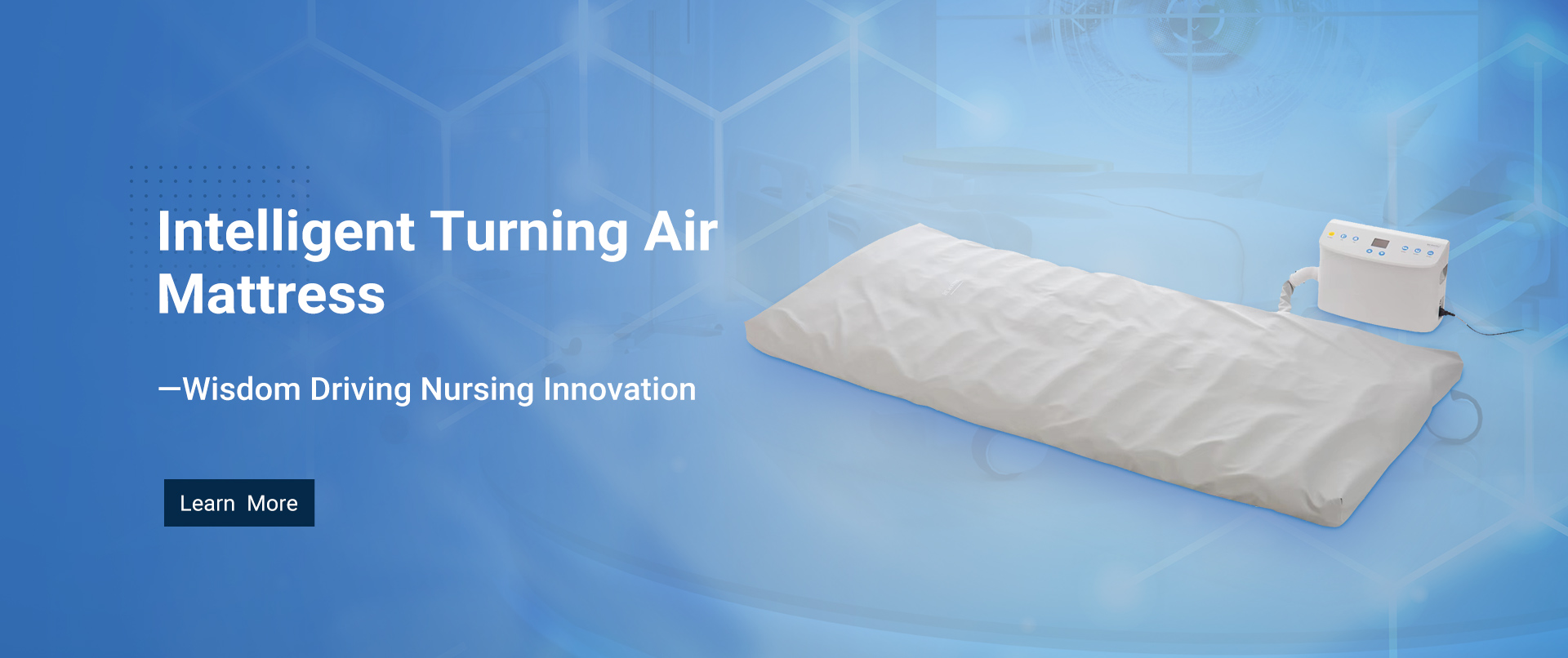
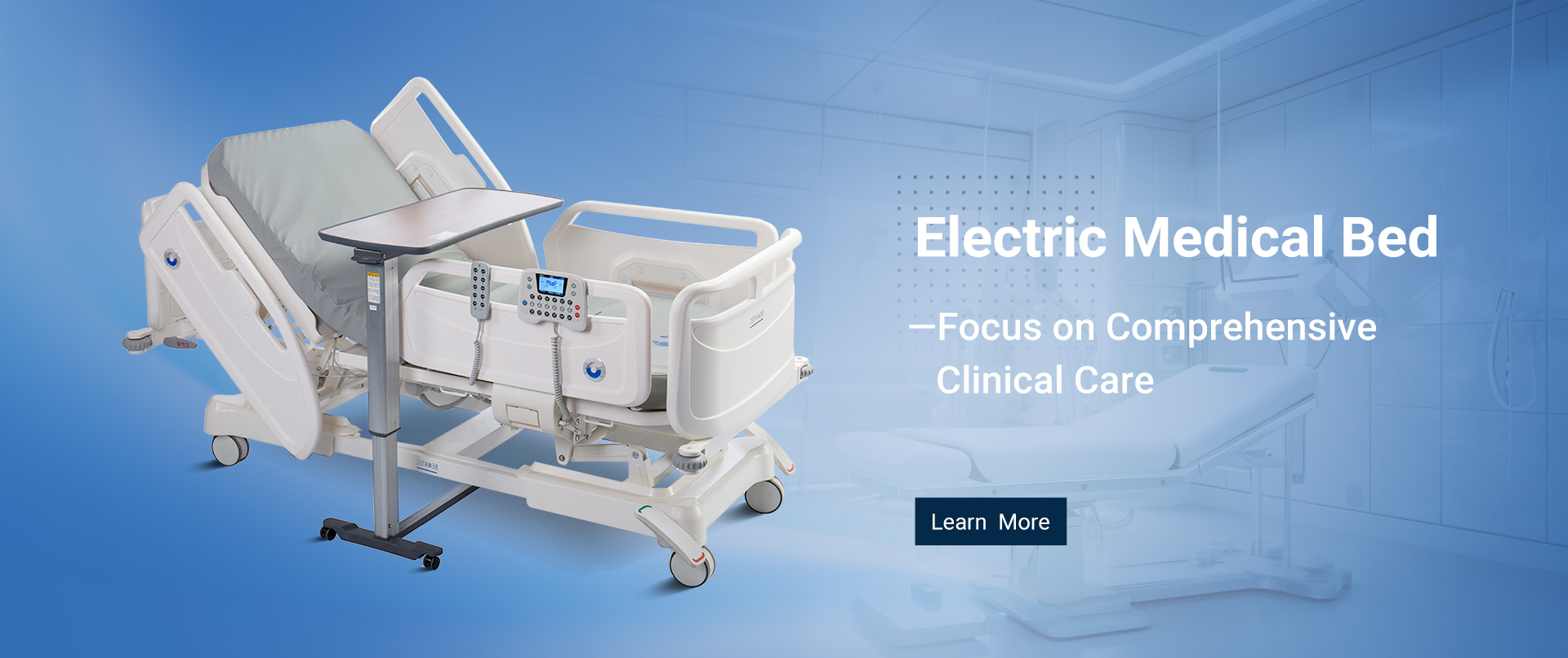
| Medical Furniture and Infrastructure | Non-diagnostic and non-therapeutic equipment that supports care delivery, including examination tables, hospital beds, procedure chairs, storage units, and medical carts. | Provides safe positioning, patient handling, organization, and clinical workflow support. | Hospitals, clinics, laboratories, pharmacies, emergency facilities, and home-care settings. | Load capacity Cleanability Ergonomics Space efficiency | These products are important for facility expansion, operating efficiency, worker safety, and consistent patient-care environments. |
| Digital and Connected Health Equipment | Hardware that collects, transmits, or displays health information, including remote-monitoring devices, digital vital-sign systems, and connected diagnostic peripherals. | Enables remote care, electronic data capture, clinical decision support, and continuity of care. | Hospitals, primary-care networks, telehealth services, ambulances, workplaces, and homes. | Interoperability Cybersecurity Data privacy Connectivity | Global buyers must assess network availability, data-governance requirements, software support, cybersecurity controls, and cross-border compliance obligations. |
| Home-Care and Community Equipment | Equipment designed for use outside traditional medical facilities, including home oxygen equipment, home blood-pressure monitors, glucose-monitoring devices, and patient-support products. | Supports self-care, chronic-disease management, aging in place, and reduced pressure on hospitals. | Private homes, community health programs, pharmacies, assisted-living settings, and outreach services. | Ease of use Portability Instruction quality Remote support | Demand is shaped by aging populations, chronic diseases, hospital-at-home programs, healthcare access, and the availability of trained caregivers. |
| Core Cross-Border Buyer Criteria | Common evaluation factors applied across health-equipment categories rather than a separate equipment type. | Helps buyers compare products on safety, performance, usability, and total ownership requirements. | All healthcare delivery and procurement environments. | Regulatory status Quality evidence Total cost Training After-sales service | Requirements differ by jurisdiction; buyers should verify applicable registration, conformity assessment, labeling, import documentation, electrical safety, and post-market obligations before purchase. |
FAQS
It includes tools for prevention, diagnosis, monitoring, treatment, and rehabilitation. Examples include thermometers, blood pressure monitors, imaging systems, surgical tools, and hospital beds.
Intended use affects safety requirements, training needs, maintenance, and approval status. A home monitor may serve patients, caregivers, and clinicians differently.
Review technical documents, safety testing, approval status, accessories, calibration needs, and service arrangements. Rules differ between markets.
Equipment depends on electricity, room size, connectivity, cleaning systems, and staff skills. A rural clinic may need battery backup more than advanced imaging.
Consider freight, installation, calibration, consumables, training, repairs, spare parts, and disposal. The initial quotation is not the complete cost.
Arrange realistic workflow tests with nurses and technicians. Check controls, cleaning time, alert clarity, and sensor compatibility.
A device may become unreliable without calibration, replacement parts, or technical support. A detailed delivery checklist can prevent avoidable delays.
Accurate measurements and dependable alarms can reduce some preventable risks. Equipment cannot repair weak procedures. That limitation matters.
Some buyers focus too heavily on price or impressive specifications. I might overlook awkward controls or slow cleaning without user feedback.
Use verified records, independent testing, field feedback, and clear supplier support. Evidence helps, but no purchase is perfect.
Conclusion
Health Equipment includes a wide range of medical devices, diagnostic tools, monitoring systems, treatment instruments, and support technologies used to prevent, detect, manage, and treat health conditions. It plays a vital role in global healthcare systems by improving clinical efficiency, supporting accurate diagnosis, enabling timely treatment, and expanding access to essential services in hospitals, clinics, laboratories, and community settings. For international buyers, selecting suitable equipment can strengthen healthcare capacity, improve patient outcomes, and deliver long-term operational value.
Global purchasing decisions should consider product quality, safety, durability, usability, maintenance needs, training requirements, and total cost of ownership. Buyers must also evaluate supplier reliability, technical support, supply continuity, and compatibility with local infrastructure. Compliance with applicable regulatory standards, documentation requirements, testing procedures, and quality management expectations is essential for responsible procurement. By balancing performance, affordability, regulatory compliance, and practical healthcare needs, international buyers can make informed decisions and invest in equipment that supports safe, effective, and sustainable medical services.
Related Posts
-

How to Find Reliable Health Equipment Suppliers?
-

Top 10 Hospital Equipment Suppliers in China for Global Buyers?
-

How to Source Health Equipment Globally in 2026?
-
Understanding the Different Types of Hospital Medical Equipment
-

Top 10 Essential Tips for Choosing Hospital Equipment You Need to Know
-

Top 10 Must Have Nursing Equipment for Every Healthcare Professional


