


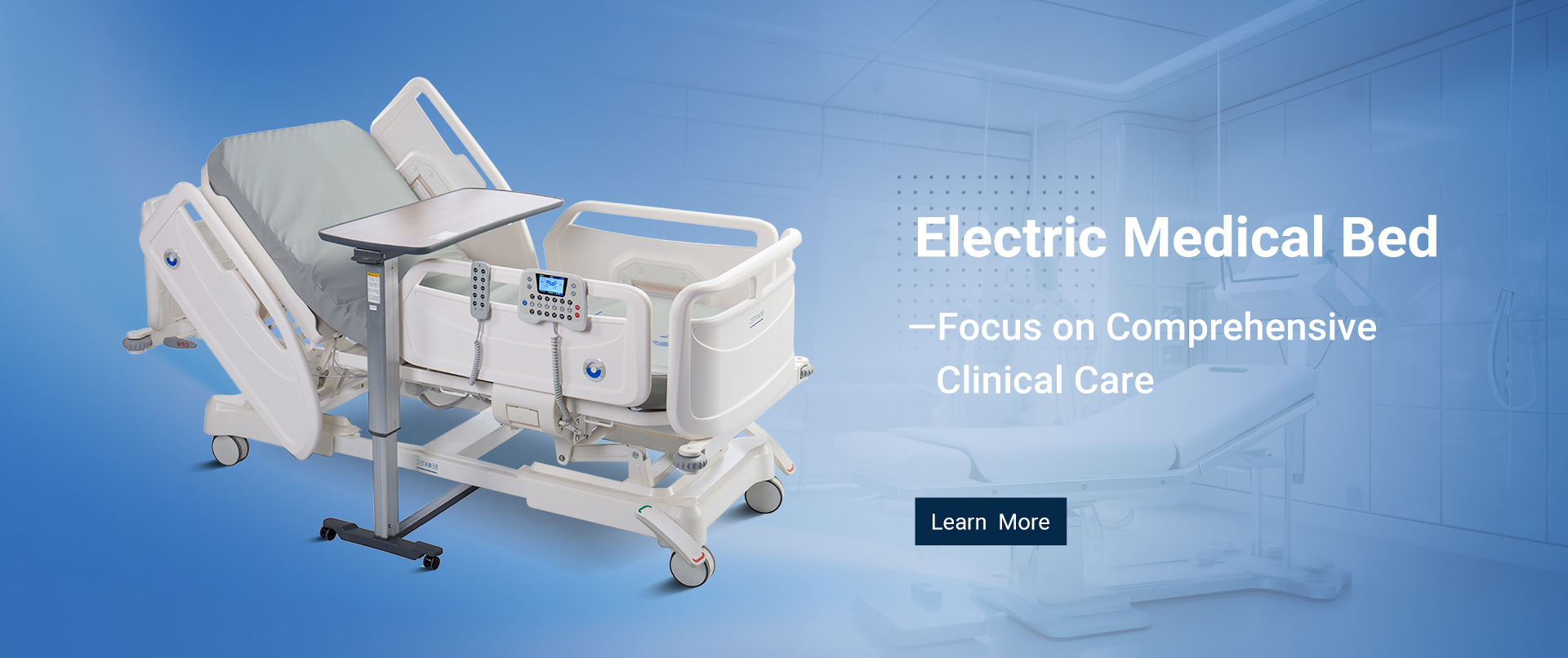
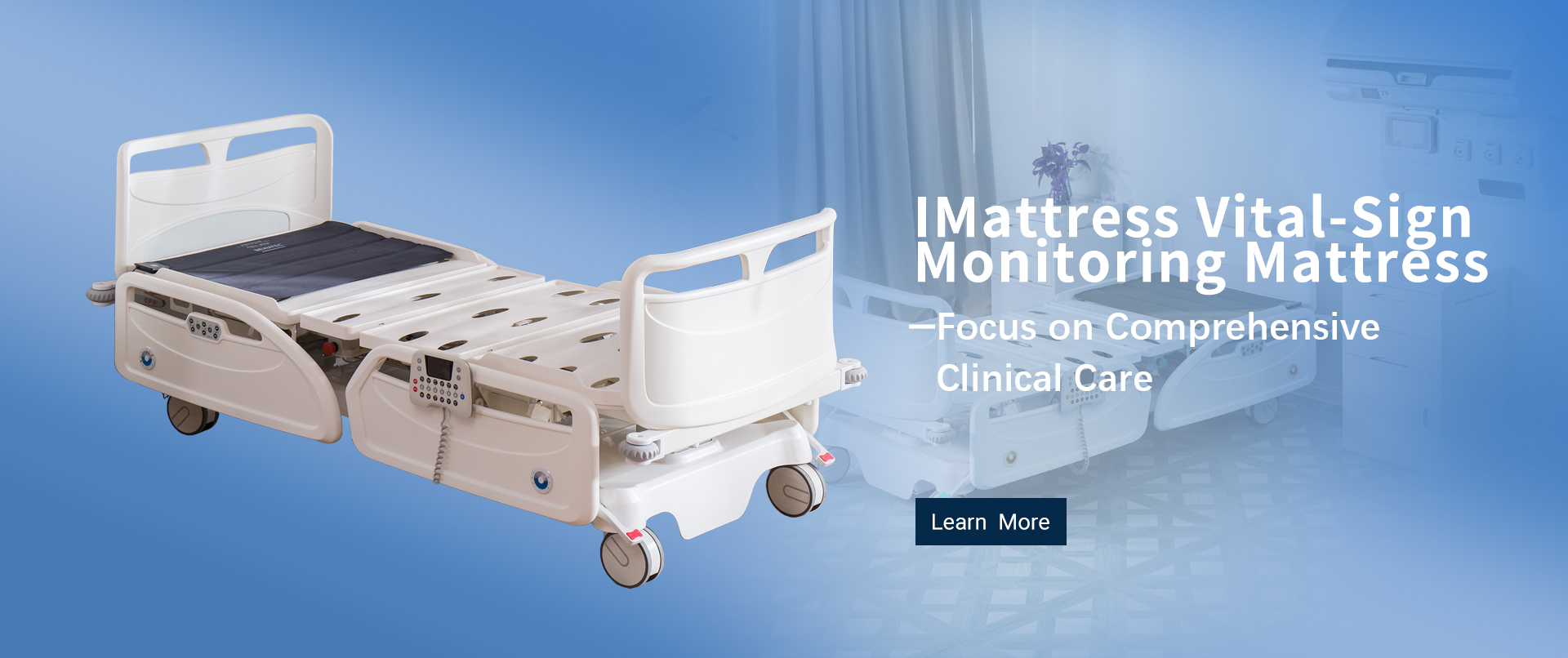

In the constantly changing world of healthcare, choosing the right hospital equipment is more important than ever. I was reading this recent report from Global Healthcare Market Research, and it mentioned that the market for hospital gear is expected to hit around $587 billion by 2025. That just shows how crucial it is for healthcare providers everywhere to have smart, well-informed strategies when it comes to buying equipment.
Hospital equipment is really at the core of patient care, right? Whether it’s diagnostic machines or life-support systems, the kind of equipment hospitals pick can totally influence patient outcomes. But let’s be honest—many hospitals still find it pretty tricky to manage costs and adopt new technology smoothly. I came across some stats saying over 30% of healthcare organizations struggle with syncing their equipment purchases with their budgets—that’s a big deal.
Figuring out how to navigate this whole market isn’t straightforward. It takes some serious know-how and an understanding of industry standards. Companies like Siemens Healthineers and GE Healthcare are leading the charge with innovative solutions, no doubt. Still, hospitals need to think carefully about their own needs and what they can actually manage. Pick the wrong gear, and it could end up costing them a lot financially. So, really, the path to making the right procurement choices isn’t always easy—there’s a lot at stake, but also a lot of potential for making things better.

Understanding the Global Healthcare Equipment Market Landscape
The global healthcare equipment market is evolving rapidly. Recent reports indicate that the market was valued at approximately $450 billion in 2022. It is projected to exceed $600 billion by 2028. This growth is driven by an increasing demand for advanced medical equipment. Innovations in technology continue to shape the landscape, making understanding market trends essential for procurement professionals.
Diverse factors influence global procurement strategies. Regulations vary across regions, impacting the availability and approval of medical devices. The rise of telehealth has prompted a surge in demand for diagnostic equipment and portable devices. Yet, supply chain disruptions remain a significant challenge, as highlighted by recent data showing that logistics issues delayed 30% of equipment deliveries last year. Reliable partnerships are crucial for navigating these complexities.
Despite undeniable advancements, gaps remain in access and equity within markets. Many regions still face shortages of essential equipment. Consideration of local needs and infrastructure is essential for any procurement strategy. Balancing cost with quality is a continuous struggle for hospitals aiming to provide the best care possible while managing budgets effectively. Adaptability and foresight in understanding market dynamics are critical for success in this sector.


Innovative Designs: Functional and Stylish Bedside Tables for Hospitals
In the healthcare sector, the design of furniture like bedside tables holds significant importance not only for functionality but also for enhancing the patient experience. Innovative designs that are both functional and stylish can contribute to a comforting hospital environment, ultimately supporting patient recovery and wellbeing. The latest industry reports reveal that esthetically pleasant hospital furniture can lead to a 20% increase in patient satisfaction ratings, emphasizing the necessity of integrating aesthetics with utility in healthcare facilities.
Lightweight and sturdy structures are particularly advantageous for bedside tables in hospitals. They allow for easy mobility, enabling healthcare staff to rearrange furniture to accommodate the changing needs of patients and caregivers. Furthermore, these tables are often equipped with features such as storage compartments and adjustable heights, addressing both practical necessities and the diverse requirements of patients. Data from industry studies indicate that up to 30% of hospital operational efficiency can be improved by using well-designed furniture, highlighting the direct correlation between furniture innovation and care delivery.
Moreover, incorporating materials that are easy to clean and maintain ensures that these bedside tables remain hygienic, reducing the risk of infection in vulnerable hospital settings. As healthcare providers continue to prioritize patient-centric designs, exploring aesthetically pleasing and functional furniture options becomes crucial. Emphasizing innovative bedside tables can not only enhance the physical environment but can also significantly impact patient outcomes and overall satisfaction in healthcare facilities.

FAQS
: Budget constraints are often the most significant factor. Hospitals must balance cost and quality.
Engaging with clinical staff is essential. Their input helps identify necessary equipment for effective care.
Clear communication helps align departments and ensures proper understanding of equipment needs.
Suppliers' reputation and serviceability are crucial. Their reliability can significantly impact procurement outcomes.
Hospitals must weigh innovation against staff familiarity. Training and support are important for successful implementation.
Understanding both your needs and the market landscape is vital for effective negotiation outcomes.
A detailed list of essential features and expected lifespan helps narrow down suppliers and offers.
Open communication fosters trust and can lead to better terms and reduced costs over time.
Aligning budgets with supplier expectations can be difficult, requiring careful consideration of all proposals.
Reflecting on past experiences can highlight areas for improvement, enhancing negotiation techniques over time.
Conclusion
The article titled "Top Hospital Equipment Buyers Guide for Global Procurement" provides a comprehensive overview of the essential factors influencing the purchasing decisions within the global healthcare equipment market. It explores the various categories of hospital equipment, highlighting current trends and innovations that shape procurement strategies. Key considerations such as evaluating supplier credentials and maintaining equipment quality standards are emphasized to ensure that hospitals make informed purchasing decisions.
Additionally, the guide delves into cost analysis, offering insights on budgeting for hospital equipment purchases, and outlines best practices for negotiating contracts to achieve successful procurement outcomes. As technology continues to evolve, the article also examines future trends in hospital equipment purchasing, showcasing the need for healthcare facilities to adapt and integrate new innovations effectively. Overall, this guide serves as a vital resource for healthcare professionals navigating the complexities of hospital equipment procurement.
Related Posts
-

How to Choose the Right Hospital Equipment for Your Needs?
-

Top 10 Essential Health Equipment You Need for Home Care?
-

Exploring Innovations in Electric Medical Beds at the 138th Canton Fair 2025
-

How to Choose the Best Hospital Bed for Your Needs?
-

Choosing the Right Medical Bed: A Comprehensive Guide to Enhancing Patient Comfort and Care
-

China's Smart Manufacturing Leading Global Sales in Top Hospital Technologies


