0%

Medical equipment isn't just a collection of machines—honestly, it's part of the care pathway itself. Think about it: a thermometer might catch a fever that's just starting to rise, or a monitor can show oxygen levels shifting minute by minute. Imaging equipment? That lets clinicians dig into things symptoms alone can't really explain. And when these tools are available, actually fit for the job, and kept in good shape, they make a real difference—safer decisions and care that happens sooner rather than later.

The need here is huge, honestly. In their 2022 Global Report on Assistive Technology, WHO and UNICEF pointed out that more than 2.5 billion people need at least one assistive product—and nearly a billion of them don't have access. Assistive products are only one part of the broader medical-device world, sure, but those figures make it clear how much access gaps affect everyday life. Because at the end of the day, a device sitting in a warehouse isn't doing anyone any good. It has to actually get to a clinic, work reliably, and be in the hands of trained staff.

You know, Dr. Tedros from WHO once called assistive technology "a life changer"—and honestly, he wasn't wrong. It opens doors in education, jobs, social life, even just living independently. And that same idea applies to healthcare gear too. What matters isn't how flashy or advanced the tech is; it's whether people can actually get it and use it properly. A super high-tech scanner might sound impressive, but a simple, reliable blood-pressure monitor could end up helping way more people every day. Little things breaking matter. And so does taking care of the stuff you have. Let’s be real—equipment isn’t just expensive. It can be a nightmare to fix, or it might not fit the community it’s supposed to serve. Those are the kinds of problems we don’t talk about enough. And honestly, when we think about why medical equipment matters, it’s not about the price tag. It’s about the patients who depend on it, the staff who have to work with it, and the care decisions they make every day.

Why Is Medical Equipment Important for Healthcare?

Medical Equipment: WHO Counts Over 2 Million Types in 7,000+ Groups

Medical equipment is not a single category. The World Health Organization’s 2017 Global Atlas of Medical Devices describes more than 2 million device types across over 7,000 generic groups. It also gathered information from 140 countries and territories. A vast catalogue. These groups range from thermometers and infusion pumps to imaging systems and laboratory analyzers. In a clinic, a device’s value depends on more than its function. Staff need clear instructions, suitable supplies, reliable power, and time to clean and check it. A machine that sits unused cannot help a patient.

The number of categories matters because health facilities have different needs. A rural clinic may rely on a blood-pressure monitor and a basic diagnostic kit. A regional hospital may need imaging equipment and trained maintenance staff. WHO’s 2023 Model List of Essential In Vitro Diagnostics identifies 125 tests for priority health needs, showing how diagnostic services depend on more than the instrument alone. Details matter. Lists and classifications help planners compare needs, but they cannot show whether a device works well in a specific room, or whether staff can keep it running. That gap is easy to overlook. Good equipment planning pairs each purchase with training, maintenance, and access to replacement parts.

How Equipment Supports Screening, Diagnosis, and Patient Monitoring

Medical equipment makes screening more consistent, diagnosis more precise, and patient changes easier to detect. A blood-pressure cuff can flag a risk during a routine visit, while a calibrated laboratory analyzer can help confirm what symptoms alone cannot. The World Health Organization’s 2023 Global Report on Hypertension estimates that 1.28 billion adults aged 30–79 live with hypertension; 46% are unaware of it. That gap shows why accessible screening tools matter. A reading is only useful, though, when staff use the right cuff size, check technique, and arrange follow-up.

Diagnostic equipment adds detail. Imaging systems can reveal fractures or internal changes, and laboratory instruments can measure markers that guide treatment. The OECD’s Health at a Glance 2023 reports an average of 17.1 MRI units per million people across OECD countries, based on 2021 data. A scanner count does not tell us how quickly patients can get an appointment, or whether trained staff are available. That matters. During monitoring, bedside monitors and repeat measurements can help care teams spot deterioration earlier, but alarms may be missed or misunderstood. Equipment needs maintenance, staff training, and sensible interpretation. A number on a screen is not the patient.

From Infusion Pumps to Ventilators: Equipment in Treatment and Life Support

Why Is Medical Equipment Important for Healthcare?

Medical equipment turns a treatment plan into measurable care. An infusion pump can deliver fluids or medication at a controlled rate, while its display lets staff check settings and remaining volume. Small details matter: a kinked line, an empty bag, or a changed dose can affect what reaches the patient. Alarms help draw attention, but they do not explain every problem. A clinician still needs to assess the person, verify the order, and respond to the device’s limits. No machine works alone.

Ventilators support breathing when a patient cannot move enough air independently. They can provide pressure and oxygen, while monitors show signals such as oxygen levels and breathing patterns. These readings guide decisions, but they are not the whole story; discomfort, skin color, and changes in alertness matter too. Equipment requires regular cleaning, testing, correct setup, and trained oversight. Even a familiar alarm can be easy to misread during a busy shift. That deserves attention.

Why Medical Equipment Matters: Roles in Treatment and Life Support
Equipment Primary Function What It Measures or Controls Role in Patient Care Important Safety Consideration
Infusion pump Delivers fluids, medications, or nutrients into a patient’s body at a controlled rate. Infusion rate and, on some models, total volume delivered. Supports therapies that require a carefully regulated delivery rate, such as intravenous fluids or prescribed medications. Correct programming, line selection, and monitoring help reduce the risk of delivery errors or infusion interruptions.
Mechanical ventilator Assists or supports breathing by moving gas into and out of the lungs. Settings may include oxygen concentration, breathing rate, pressure, or delivered volume, depending on the mode. Provides respiratory support when a patient cannot breathe adequately without assistance. Settings and alarms require clinical oversight; ventilator support must be tailored to the patient’s condition.
Patient monitor Displays selected physiological measurements over time. Depending on the configuration, may display heart rate, ECG, blood pressure, oxygen saturation, and respiratory rate. Helps clinicians identify changes in a patient’s condition and assess trends during care. Readings can be affected by sensor placement, movement, and other factors; results should be interpreted in clinical context.
Defibrillator Delivers a controlled electrical shock for certain life-threatening heart rhythm disturbances. Analyzes heart rhythm in automated modes; manual modes allow trained clinicians to select shock settings. Can be used as part of emergency care for cardiac arrest or specific shockable rhythms. Use depends on rhythm assessment, correct pad placement, and established resuscitation procedures.
Oxygen concentrator Concentrates oxygen from room air for prescribed supplemental oxygen therapy. Oxygen flow setting; delivered oxygen concentration depends on the device and operating conditions. Provides an oxygen source for patients who have been prescribed supplemental oxygen. Use the prescribed flow and keep the device away from flames and smoking materials because oxygen supports combustion.
Dialysis machine Supports hemodialysis by circulating blood through a dialyzer and returning it to the patient. Session parameters can include blood flow, dialysate conditions, and fluid removal targets. Helps remove waste products and excess fluid when the kidneys cannot do so adequately. Setup, access-site care, and monitoring during treatment are essential to reduce complications.
Ultrasound system Uses high-frequency sound waves to create images of structures inside the body. Produces images and, with appropriate techniques, can show movement or blood flow. Assists with diagnostic assessment and can guide some procedures without using ionizing radiation. Image quality depends on the examination and operator; findings must be interpreted by a qualified clinician.
Pulse oximeter Estimates blood oxygen saturation and measures pulse rate using a sensor, commonly placed on a finger. Peripheral oxygen saturation estimate (SpO₂) and pulse rate. Provides a noninvasive way to monitor oxygenation alongside other clinical information. Motion, poor circulation, sensor placement, and other factors can affect readings; it does not replace clinical assessment.

Imaging and Laboratory Systems: Turning Measurements into Clinical Decisions

Medical equipment matters because measurements can change what happens next. Imaging systems turn internal structures into visible evidence. A chest image may reveal fluid, a fracture, or a subtle change from an earlier scan. The clinician still needs to connect that finding with symptoms, examination results, and medical history. A clear image helps. It does not make the diagnosis alone.

Laboratory systems add another kind of evidence. They measure substances in blood, urine, and other samples, often with precision that is difficult to achieve by sight. A blood count, for example, can help explain fatigue or guide further testing. Numbers need context. A mildly abnormal result may reflect illness, medication, or even a sample handled too late. Small details matter.

The strongest decisions come when imaging and laboratory findings are reviewed together, with attention to how and when each measurement was collected. Staff need calibrated equipment, dependable quality checks, and clear procedures for reporting urgent results. Technology can reduce uncertainty, but it cannot remove it. One weakness is easy to overlook: a precise result may still be misleading if the patient’s condition has changed since the sample or scan. Clinicians must sometimes pause and ask whether the measurement fits the person in front of them.

Why Is Medical Equipment Important for Healthcare?

Imaging and Laboratory Systems: Turning Measurements into Clinical Decisions

Laboratory analyzers produce measurements clinicians interpret alongside symptoms and other findings. This illustrative chart compares example hemoglobin results with typical adult reference intervals; ranges vary by laboratory and patient factors.

Equipment helps make measurements consistent and timely, but a result alone does not establish a diagnosis. Clinical decisions depend on the full patient context and the laboratory’s reference intervals.

Safety, Accuracy, and Risk Control in Equipment-Based Care

Medical equipment matters because every reading can shape a clinical decision. A pulse oximeter with a loose probe may show a reassuring number while a patient’s breathing worsens. A calibrated device, however, is only one part of safe care. Staff need clear instructions, routine checks, and a way to report faults before the next patient arrives.

The World Health Organization’s Global Patient Safety Report 2024 estimates that about one in ten patients experiences harm in healthcare; unsafe care contributes to more than three million deaths each year. These figures cover healthcare broadly, not equipment alone. Still, they show why equipment-related risks deserve serious attention. ECRI’s 2024 Top 10 Health Technology Hazards report highlights risks such as missed alarms and problems in device use. Small faults matter. A practical control system pairs preventive maintenance and calibration with staff training, documented checks, and prompt removal of faulty equipment. A checklist helps, but it can become paperwork if nobody acts on its findings. That gap is easy to overlook.

Maintenance, Calibration, and Training: Keeping Devices Reliable

Reliable medical equipment depends on more than a working power switch. A patient monitor may display numbers, yet a loose sensor or overdue calibration can make readings less dependable. Scheduled checks help staff spot frayed cables, cracked casings, weak batteries, and alarms that sound too quietly. Calibration compares a device’s measurements with a trusted reference, helping keep results within the required range. Record the date, findings, and action taken after each check. Small details matter.

Maintenance plans work best when they match the device’s use and service instructions. A heavily used infusion pump may need more frequent inspection than equipment kept in reserve. Staff should know how to clean, inspect, and report faults without attempting repairs beyond their training. Training needs refreshers, too. A new employee might silence an alarm correctly but miss why it triggered. That gap is easy to overlook. A checklist can be completed quickly; completion alone does not prove a careful inspection. Teams should welcome questions and review near misses without blame.

Tips: Keep service and calibration records together. Label devices clearly when they are out of service. Practice alarm response with realistic scenarios, and ask staff to explain the steps in their own words. If a reading seems inconsistent, pause and verify it using approved procedures. Don’t guess. Regular reviews can show whether the maintenance schedule still matches actual use.

Access and Cost: How Equipment Shapes Healthcare Capacity

A clinic’s equipment determines how many patients it can assess and treat safely each day. When a blood pressure monitor or diagnostic device is unavailable, staff may need to delay care or refer patients elsewhere. A functioning ultrasound machine can help a small facility assess certain conditions without requiring every patient to travel to a distant hospital. Access depends on more than having equipment in the building. Staff need training, reliable electricity, replacement parts, and supplies such as test strips.

Cost shapes these conditions long after a device is purchased. Budgets must account for maintenance, calibration, repairs, and eventual replacement, not just the initial price. A broken monitor in a storage room offers no care. Sometimes, it cannot. Smaller facilities may struggle to fund specialist repairs, while high patient volumes can wear equipment down quickly. Shared services and planned maintenance can help, though they require coordination and dependable support. Still, buying more devices is not automatically progress. A facility may be better served by a smaller number of reliable tools that staff can use confidently. It is also worth asking who benefits when equipment is added, and who continues to face long waits or costly travel.

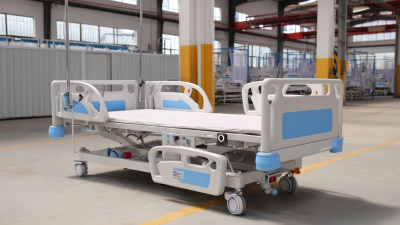
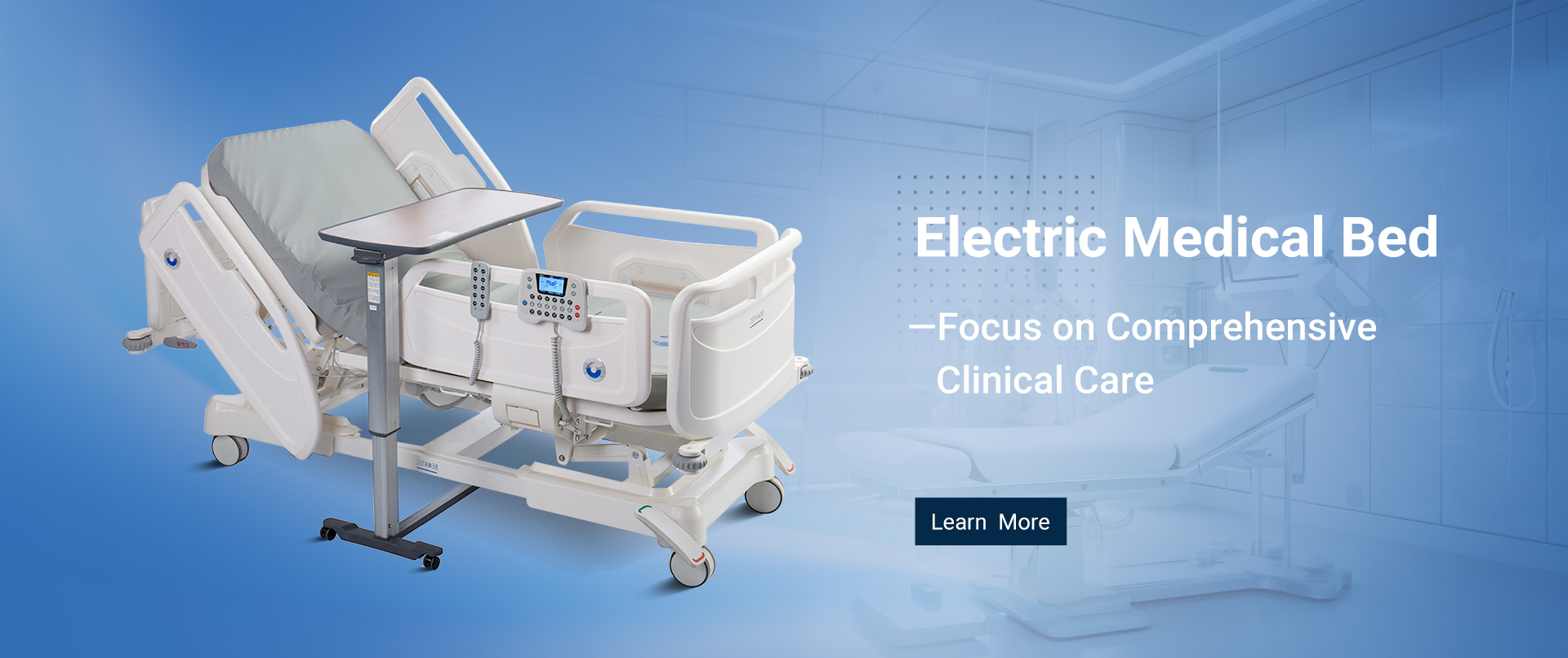
A7 Seven-Function Electric Medical Bed: A Practical Guide to Comfort, Care, and Control

A seven-function electric medical bed is designed to make everyday care more adjustable, comfortable, and manageable. With powered positioning for the upper body, legs, and bed height, caregivers can tailor support to a patient’s needs while helping reduce unnecessary lifting and repositioning. The exact functions vary by configuration, so facilities should check that the bed’s controls and movements match their care routines. For patients, simple hand controls and gradual adjustments can make it easier to find a comfortable position for rest, meals, or clinical attention.

In critical care, an adaptable bed can support continuity from emergency treatment through recovery by giving care teams convenient access to positioning controls and essential bed features. Safety remains central: the U.S. Agency for Healthcare Research and Quality’s *Preventing Falls in Hospitals* guidance reports that an estimated 700,000 to 1,000,000 hospitalized patients fall each year. A bed is not a substitute for a fall-prevention program, but appropriate height adjustment, clear controls, and consistent staff practices can contribute to safer care. Selecting a seven-function model means considering patient comfort alongside the practical demands of monitoring, transfers, and daily treatment.

FAQS

How does an infusion pump support treatment?

It delivers fluids or medication at a controlled rate. Staff can check the settings and remaining volume on its display. A kinked line or empty bag can change what reaches the patient.

When might a ventilator be used?

A ventilator supports breathing when someone cannot move enough air independently. It can provide pressure and oxygen while monitors display breathing patterns and oxygen levels. The readings help, but they do not tell the whole story.

Do equipment alarms explain what is wrong?

No. An alarm draws attention, but staff must check the device and assess the patient. Even a familiar sound can be misread during a busy shift. That is worth remembering.

Can an imaging result make a diagnosis by itself?

No. An image may show fluid, a fracture, or a subtle change from an earlier scan. Clinicians compare it with symptoms, examination findings, and medical history. A clear image is helpful, not conclusive.

Why do laboratory results need context?

Blood and urine tests measure substances with considerable precision. Yet an abnormal result may relate to illness, medication, or a sample handled too late. Context matters.

Why review imaging and laboratory findings together?

Each provides different evidence for clinical decisions. Reviewing both can help clinicians understand what a measurement means for the patient. Timing matters, too; a person’s condition may change after a scan or sample.

What helps keep medical equipment dependable?

Equipment needs correct setup, cleaning, testing, and regular quality checks. Staff also need clear procedures for urgent results and training to use devices. Machines need people.

Conclusion

Medical Equipment is essential to healthcare because it helps clinicians detect illness, understand a patient’s condition, and respond to changing needs. Devices used for screening, diagnosis, and monitoring can provide measurements that support timely clinical decisions. Imaging and laboratory systems help turn those measurements into useful information, while treatment equipment such as infusion pumps and ventilators can deliver therapy or support vital functions when patients need it.

Safe, effective care depends not only on having the right equipment, but also on using it correctly. Regular maintenance and calibration help devices remain accurate and reliable, while staff training reduces avoidable errors and supports appropriate responses to alarms and readings. Access and cost also shape how much care a healthcare facility can provide: dependable equipment can expand its capacity, while shortages or upkeep challenges may limit services. Together, thoughtful selection, reliable operation, and responsible use make medical devices an important part of patient care.

Oliver

Oliver

Oliver is a dedicated marketing professional at Bewatec (Zhejiang) Medical Device Co., Ltd., where he plays a crucial role in promoting the company’s innovative solutions in smart medical care. With a deep understanding of the healthcare landscape, he focuses on the digital transformation of the......
Previous How to Choose an M1 Manual Transfer Bed