



Choosing a medical equipment supplier in China? It’s about more than just price tags and polished catalogs. You really need to look at their product range, manufacturing experience, quality documentation, service capacity—and, honestly, how clearly they answer your technical questions. A quick, specific reply can tell you a lot more than a glossy brochure ever could.
You know that famous line from Dr. Tedros Adhanom Ghebreyesus, the WHO Director-General? He put it simply: “Health is a human right.” That really changes the way you think about sourcing and equipment. If you're a buyer, the real test is pretty straightforward—can the supplier actually walk you through the specs, back up their product with traceable info, and help with installation, training, and maintenance when they say they will? If not, maybe it's time to look elsewhere.
So, this guide is basically about checking out suppliers by asking the right practical questions. You know, like what kind of equipment they actually offer, what they say they can do, and—most importantly—what proof you should ask for before you commit to anything. A supplier might be perfect for a small clinic that just needs basic diagnostic tools, but that same company could be totally out of their depth for a hospital setting up something complex like imaging. And honestly? The details are where it really matters.
Honestly, no supplier is going to be perfect for every buyer. Product descriptions tend to gloss over important limitations, and a cheap quote might not include service or delivery costs. So treat this overview as a jumping-off point—not a full factory audit or any kind of guarantee. You’ll still want to verify current certificates, references, warranty terms, and technical support directly with each company yourself. Yes, that takes extra time. But honestly, it’s well worth it.

Defining Medical Equipment Suppliers in China
Medical equipment suppliers in China are businesses that connect healthcare providers with devices, components, and related services. Their work may include manufacturing, sourcing, quality checks, packaging, and delivery. Some specialize in examination tables or patient monitors; others supply smaller items such as tubing, sensors, and replacement parts. The term covers a broad range of companies, so it does not describe one uniform business model.
A supplier’s role can continue after an order leaves the factory. Staff may verify product specifications, prepare user documents, coordinate shipping, and help resolve questions about installation or maintenance. For example, a clinic might need clear instructions for cleaning a device and a dependable process for ordering compatible parts. These details matter in daily use. A polished catalog is helpful, but it cannot show how consistently a supplier handles a delayed shipment or a product question.
Practical evaluation starts with evidence. Buyers can review quality-management documentation, product records, inspection procedures, and sample communication. They should also confirm that stated specifications match the intended clinical setting and applicable requirements. Ask how defects are recorded and how corrective actions are tracked. Small details count. A supplier’s response to a specific technical question may reveal more than broad claims about service. Still, paperwork is not a perfect measure of performance; records can be incomplete, and one conversation offers limited insight. Clear follow-up and verifiable information provide a more grounded picture.
Five-Function A5 Electric Medical Beds: Care Trends Framed by Fortune Business Insights’ Medical Bed Market Report
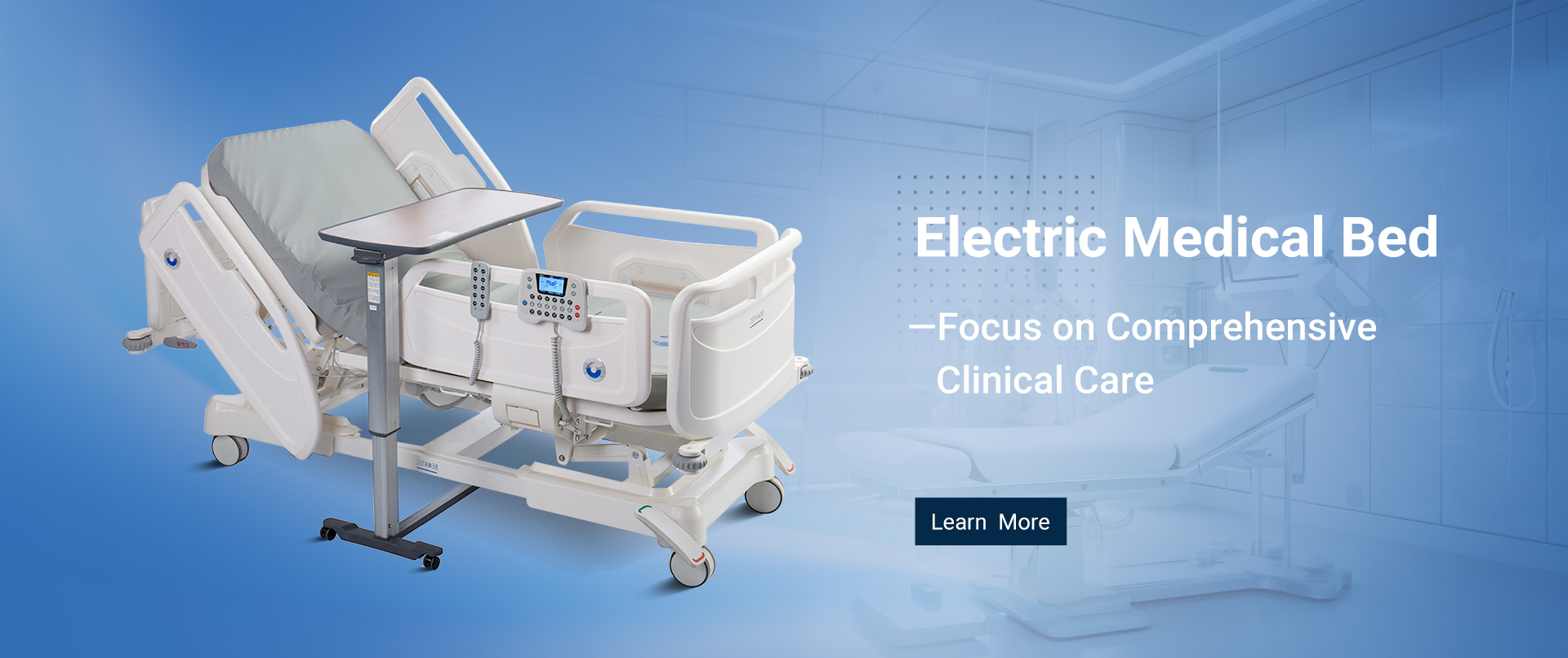
Five-function A5 electric medical beds reflect a wider shift in hospital care toward adaptable, patient-centered environments. As medical bed market analyses highlight changing expectations for comfort, safety, and efficient ward operations, electric adjustment has become an important consideration in modern care settings. With controls for raising or lowering the bed and adjusting the backrest and leg sections, the five-function design can help caregivers position patients more easily while supporting comfort during rest, examination, and routine care.
Designed for high-end wards, the A5 bed combines a considered layout with distinctive features intended to support patients’ vital signs and minimize potential health hazards. Its adjustable positions can assist care teams in responding to different patient needs, while thoughtfully integrated safety elements help create a more secure bedside environment. As hospitals continue to prioritize both patient wellbeing and practical workflows, beds that bring positioning flexibility and safety-conscious design together are increasingly relevant to the evolving medical bed market.

FAQS
A supplier focused on monitors may understand alarm settings and bedside support better. Specialization helps, but it proves little by itself.
Write down intended use, daily patient volume, staff training needs, and acceptable downtime. Be specific.
Request current quality certificates, product test reports, and calibration records where relevant. Verify their scope and source independently.
Check incoming inspections, final testing, packaging, and complaint handling. A neat PDF can still hide gaps.
Ask to move a bed through a narrow corridor or test monitor alarms beside a busy bed. Small details matter.
Include spare parts, training, warranty terms, delivery, and service response times. The lowest quote is not always best.
It reveals whether parts, instructions, and support match the exact model. Agree on acceptance criteria in writing.
Ask who handles technical questions and how quickly common parts can ship. I may be giving paperwork too much credit; real service takes time to judge.
Conclusion
Medical Equipment suppliers in China serve hospitals, clinics, laboratories, and other healthcare providers with a broad range of products. Their offerings may include diagnostic imaging systems, patient monitoring devices, surgical instruments, rehabilitation equipment, laboratory supplies, and essential hospital furniture. The right supplier can help buyers find products that match their clinical needs, budget, delivery schedule, and after-sales service expectations.
To evaluate suppliers, consider their product range, manufacturing experience, technical support, communication, production capacity, and ability to provide clear documentation. Verify relevant certifications, quality management systems, product testing records, and instructions for use before purchasing. Compare specifications and service terms rather than relying on price alone, and request samples or demonstrations when appropriate. By defining your requirements and carefully checking a supplier’s quality controls and support capabilities, you can make a more informed choice for your healthcare facility.
Related Posts
-

Why Healthcare Solutions Matter for Global Buyers?
-

How to Choose the Right Hospital Equipment for Your Needs?
-

China Top 10 Hospital Equipment Suppliers for Global Buyers?
-

Unlocking the Essentials: A Comprehensive Guide to Modern Nursing Equipment for Healthcare Professionals
-

Top Multifunctional Transfer Bed Options for Global Buyers?
-

Navigating the Future of Best Medical Beds Manufacturers in 2025 with Technological Innovations Guide


